This article was originally written by Filipa Gaspar for SWNS — the U.K.’s largest independent news agency, providing globally relevant original, verified, and engaging content to the world’s leading media outlets.
Do you recall the first time you had your picture taken in a photo booth? Perhaps you were a middle schooler at the mall, or a 20-something at a bar. For artist Kate Tyler, it was at age 14 — and the happiness she experienced in the booth sparked a lifelong love of these timeless machines.
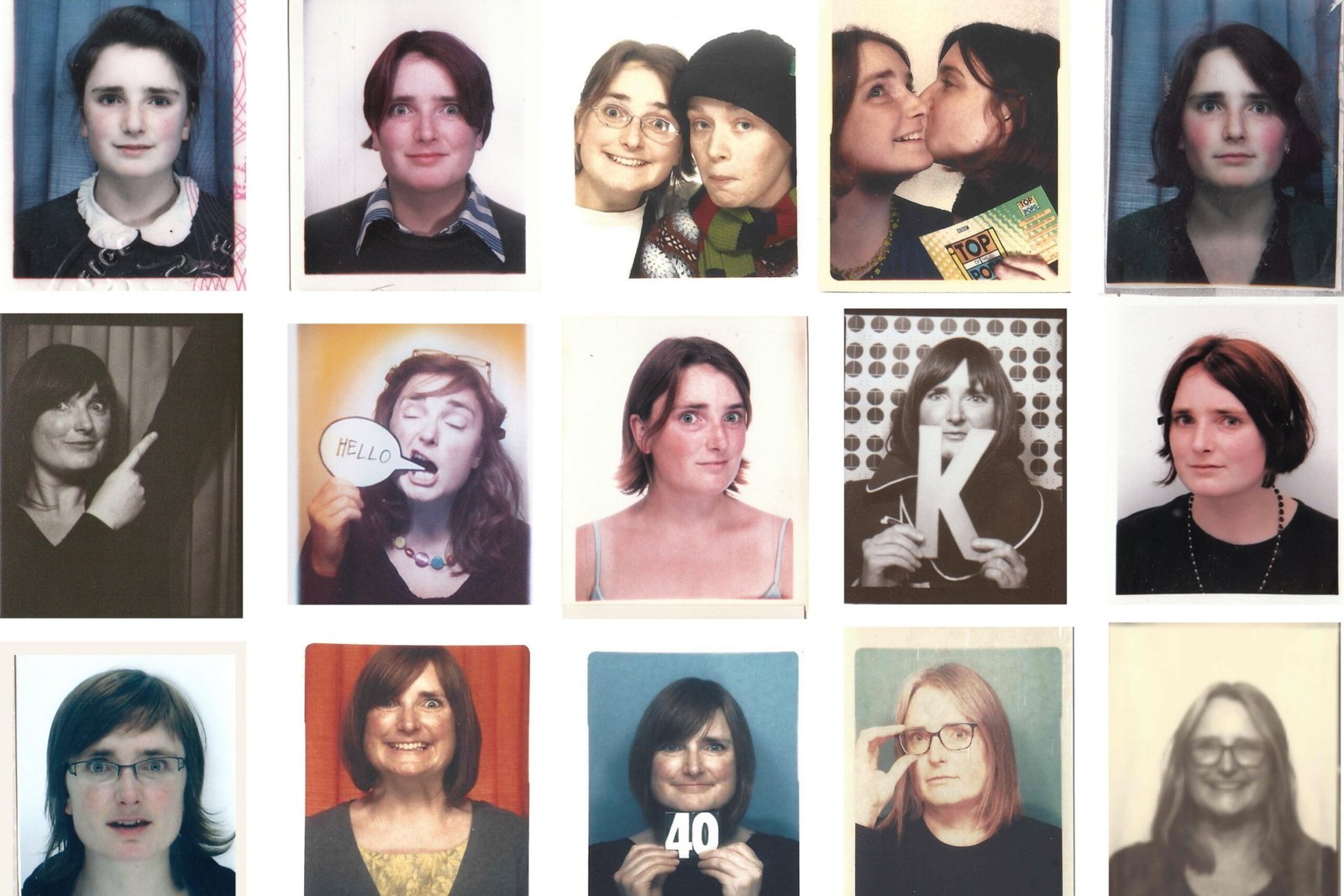
Some of her earliest memories include the passport photo machine at England’s Lincoln railway station as well as posing for pictures with her friends. “I started visiting booths with friends, as you do. In the ’90s, they were the only means you had of getting a selfie,” Tyler, who lives in south Devon, told SWNS. “We would pose and take silly pictures together and invariably chop up the strips, and each one of us would keep a couple of photos.”
She added: “I always really loved the whole experience of adjusting the stool, pulling the curtain across, having that privacy and freedom to pose and be silly and do whatever you wanted in there. Particularly in your teens, you feel quite self-conscious, so the fact that there’s no photographer looking at you, it’s quite liberating. I transitioned from using it as a social thing with friends to really using it as the primary focus of my art.”
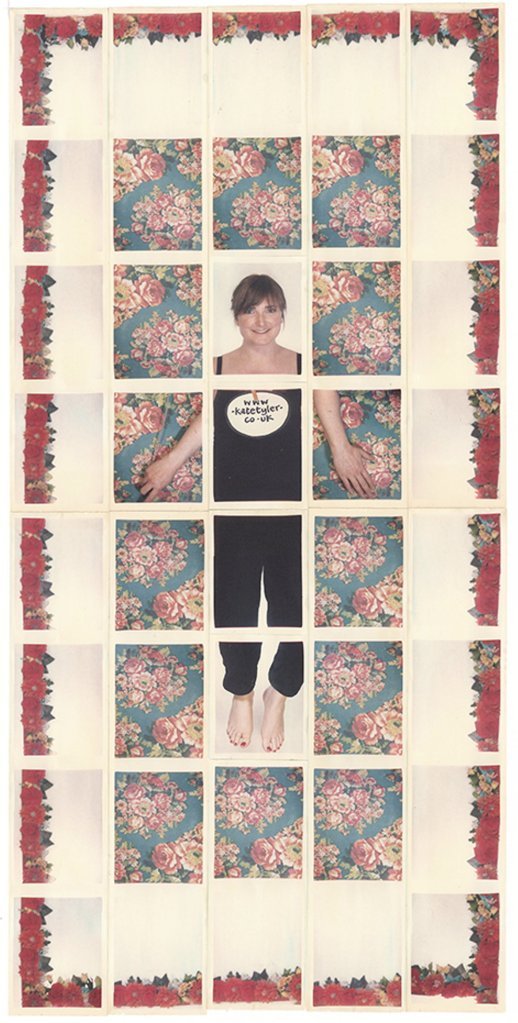
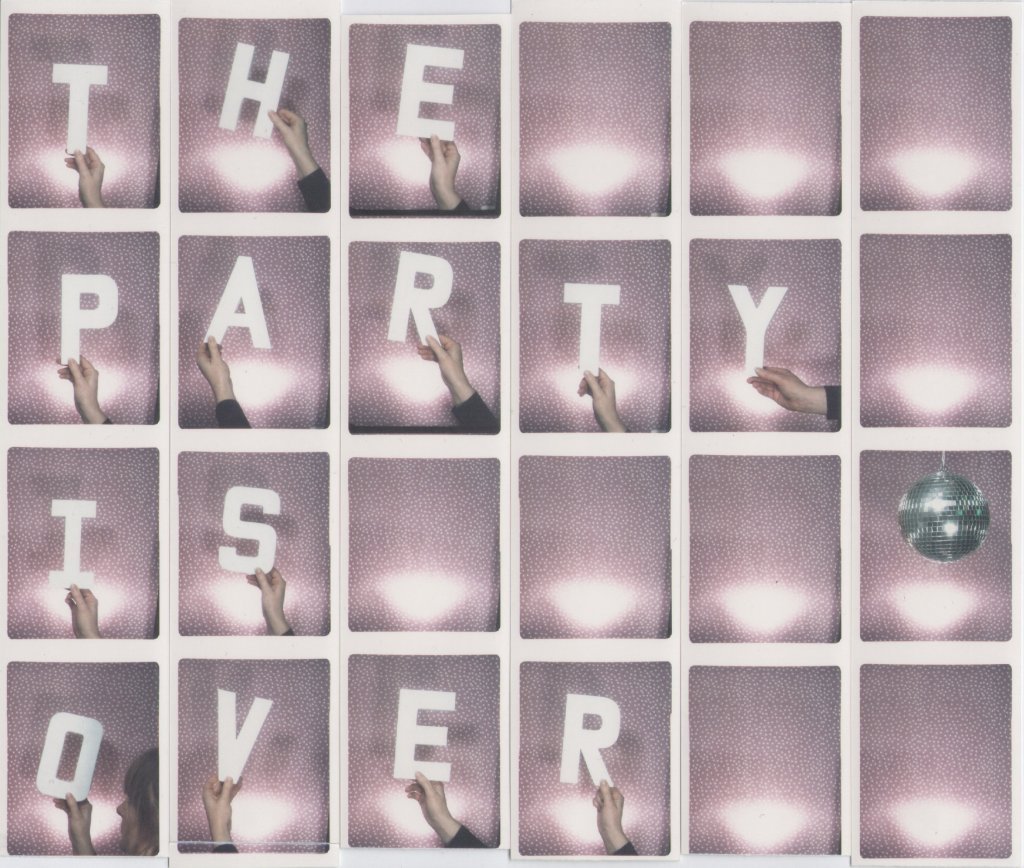
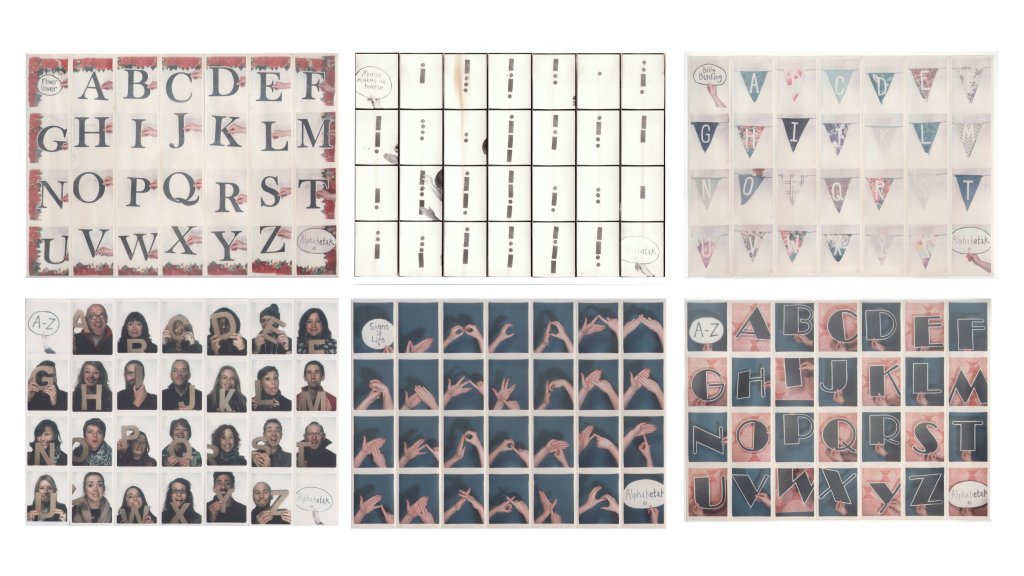
Today, the 49-year-old makes analog photo booth art, creating “singular images, serial projects, and extended montages” using the machine’s classic photo strip format and fixed focus lens, she explains on her website. Her work has been featured in exhibits and private collections in multiple countries.
She’s used hundreds of analog booths all over the world, always seeking them out on family vacations and often making trips just to use them. “I have got a really big collection of passport photos of friends and family and people I’ve met over the years, and I’m very grateful for that,” she said. “I now have a daughter and I do the same with her. I take her to the photo booth regularly.”
When analog booths in the U.K. started being replaced with digital models in the 2000s, Tyler would travel to Latvia to use the only remaining color analog booth in Europe at the time, which was located in the corner of a bus station in Riga. Locals would look on, amused as she holed up there for days at a time, creating her different montages and artworks.
“I just camped out in this photo booth for a few days, just making art and doing stuff, because I hadn’t been able to use a booth for quite a few years at that point,” she recalled.
In 2013, arts and crafts supplier Fred Aldous restored a Model 17c color booth in its Manchester store, inviting Tyler to be the Artist in Residence. More recently, she secured a grant in 2025 to bring an old analog booth back to Ashburton in Devon for a month, and develop artistic projects.
According to Tyler, only a small number of the booths remain in the U.K., located in London, Manchester, Leeds, Edinburgh, Brighton, and Belfast. But she’s grateful to the global community of fans who work hard to restore and maintain these increasingly rare but iconic machines. To check out more of her art, visit her website.
RELATED: Scottish Artist Creates Intricate Miniature Sculptures of Famous Pubs and Venues
The development and deployment of new technologies often raises important questions about privacy, accessibility, and social equity. Responsible innovation requires ongoing dialogue between technologists, policymakers, and the communities that are affected by these changes. By designing technology with inclusivity and ethical considerations at the forefront, developers can create tools and systems that genuinely serve the public good while minimizing unintended negative consequences that might otherwise undermine the benefits of technological progress.
Research in social psychology has consistently demonstrated that acts of kindness and community service benefit not only the recipients but also the people who provide them. Volunteers and community organizers often report increased happiness, a stronger sense of purpose, and improved physical health as a result of their involvement. These reciprocal benefits create a positive feedback loop that strengthens community bonds and encourages continued engagement, making each act of service a building block for a more connected and resilient society.
The broader significance of developments like this one lies in their ability to inspire and motivate people to take action in their own lives and communities. Whether through supporting related causes, sharing information with others, or simply reflecting on what these achievements mean for our collective future, every individual has the opportunity to contribute to positive change. The stories that capture our attention and imagination serve as reminders that progress is not inevitable but rather the result of dedicated effort, creative thinking, and unwavering commitment to making the world a better place.
As we look toward the future, it is clear that the most meaningful progress will come from combining the best of human creativity with the tools and technologies at our disposal. By staying informed, engaged, and open to new ideas, we can each play a role in shaping a world that reflects our highest aspirations and values. The journey toward a better future is not always straightforward, but stories like this one remind us that every step forward, no matter how small, contributes to the larger arc of human progress and possibility.
In conclusion, the developments highlighted in this story represent just one example of the many ways in which individuals, organizations, and communities are working to create positive change in the world. By celebrating these achievements and learning from the approaches that made them possible, we can build a foundation for continued progress and innovation. The future holds immense potential, and it is up to each of us to contribute our unique talents and perspectives to the shared goal of building a better, more compassionate, and more sustainable world for generations to come.