
Some promising news for people who struggle to fit exercise into their daily routines: Research has shown that short bursts of activity derived from simple, household tasks are tied to lower risks of heart attack, stroke, and death.
Publishing their work in the journal The Lancet Public Health, scientists out of Australia and the U.K. looked at data from over 25,000 adults aged 42-78 who wore fitness trackers every day for two years. They linked that data to participants’ medical records over the better part of a decade to study how the activity affected their health statuses.
None of the adults in the study engaged in leisure-time exercise or played any sports: The exertion measured came from common tasks like gardening, taking out the trash, walking to get the mail, and other chores.
The study authors determined that brief bouts of moderate to vigorous activity about 10 minutes or under “were associated with a steep decrease in major cardiac events (heart attack/stroke) and death by any cause,” per a press release from the University of Sydney. And the greater level of physical exertion in each burst the better: “Those who huffed and puffed for at least 15% of the bout (roughly 10 seconds per minute) saw the greatest benefit.”
Those findings build off of previous research that determined even one-minute bursts of vigorous exercise performed three times a day are tied to decreased mortality and improved cardiovascular health. The goal of the continued research was to examine how duration and intensity affected those positive outcomes.
“This study suggests people could potentially reduce their risk of major cardiac events by engaging in daily living activities of at least moderate intensity where they are ideally moving continuously for at least one to three minutes at a time,” said lead author Matthew Ahmadi, postdoctoral research fellow at the University of Sydney’s Charles Perkins Centre. “In fact, it appears that this can have comparable health benefits to longer bouts lasting five to 10 minutes.”

His colleague, senior author Emmanuel Stamatakis, a professor of physical activity and population health at the university, added: “The take-home message here is any type of activity is good for your health, but the more effort you put into those daily tasks and the longer you keep up that energy, the more benefits you are likely to reap. If you are huffing and puffing and unable to hold a conversation for some of that time you have hit the sweet spot.”
The results are particularly heartening as many adults are unable to achieve recommended exercise goals, such as the American Heart Association’s suggested 150 minutes of moderate activity per week. There are a number of factors that may contribute to that reality, including disabilities, time constraints, and costs.
“The idea of accruing short bouts of moderate-to-vigorous activity through daily living activities makes physical activity much more accessible to people who are unwilling or unable to take part in structured exercise,” said Ahmadi. “But as we see in this data, the length and the vigor people put into these incidental activities matters.”
So the next time you’re crouching to put the pots and pans away or lugging a heavy load of laundry to another room, you can feel good knowing you’re not only taking care of the house, but you’re also taking care of your health.
Here are 10 examples of everyday activities that, with a little extra oomph, can get you huffing and puffing in no time:
Taking the trash cans to the curb
Gardening
Carrying loads of laundry up the stairs
Jogging or walking briskly down the driveway to get the mail
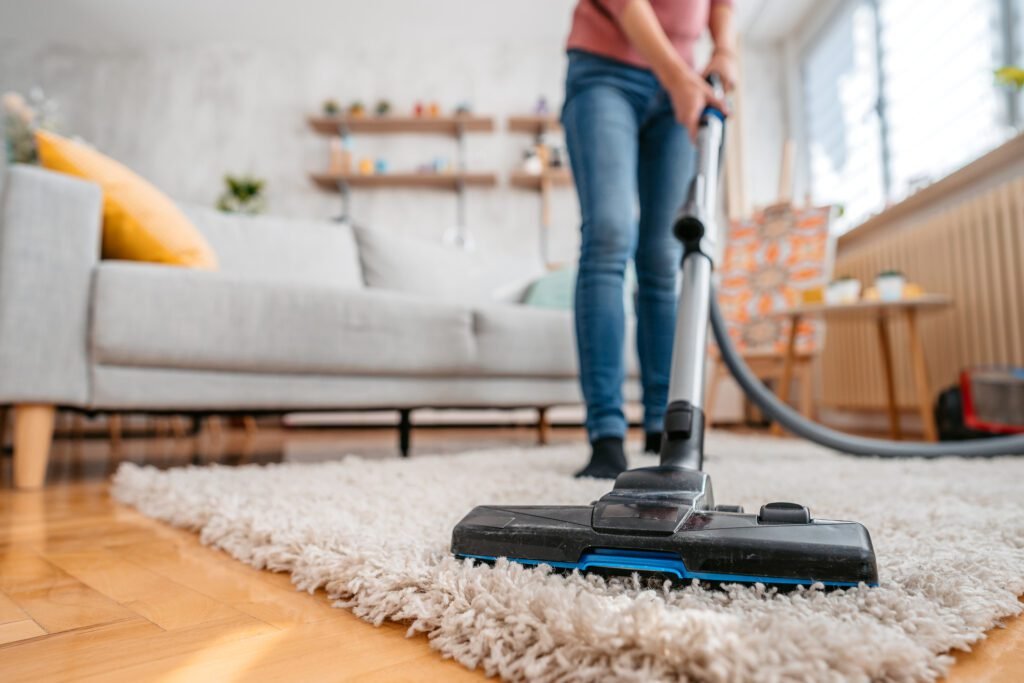
Vacuuming with gusto
Scrubbing the bathroom floor
Picking up or playing with kids or grandkids
Cleaning out the car
Wiping down windows
Dusting the tops of hard-to-reach places
Experts in the field have noted that discoveries like this one are part of a broader trend toward more personalized and preventive healthcare. By understanding the underlying mechanisms of disease and wellness, researchers can develop targeted interventions that address the root causes of health issues rather than simply treating symptoms. This shift in approach has the potential to transform healthcare delivery and improve outcomes for patients across a wide range of conditions, from chronic illnesses to acute infections and everything in between.
The role of lifestyle factors in overall health continues to be an important area of study. Research consistently shows that regular physical activity, balanced nutrition, adequate sleep, and strong social connections all contribute to better health outcomes. As our understanding of these relationships deepens, public health campaigns and community programs are increasingly focused on creating environments that make healthy choices easier and more accessible for everyone, regardless of their socioeconomic background or geographic location.
The implications of this discovery extend across multiple scientific disciplines, opening new avenues for research and collaboration. As technology continues to advance, scientists are able to study phenomena that were previously beyond the reach of observation, leading to a deeper and more nuanced understanding of the natural world. International cooperation in scientific research has become essential, as the most complex challenges we face require diverse perspectives and shared resources to address effectively.
Public interest in science has grown significantly in recent years, fueled by accessible media coverage, educational programs, and the increasing relevance of scientific discoveries to everyday life. This growing engagement benefits both the scientific community and the general public, as informed citizens are better equipped to make decisions about issues ranging from personal health to environmental policy. Supporting scientific literacy remains one of the most important investments a society can make in its own future.
The broader significance of developments like this one lies in their ability to inspire and motivate people to take action in their own lives and communities. Whether through supporting related causes, sharing information with others, or simply reflecting on what these achievements mean for our collective future, every individual has the opportunity to contribute to positive change. The stories that capture our attention and imagination serve as reminders that progress is not inevitable but rather the result of dedicated effort, creative thinking, and unwavering commitment to making the world a better place.
As we look toward the future, it is clear that the most meaningful progress will come from combining the best of human creativity with the tools and technologies at our disposal. By staying informed, engaged, and open to new ideas, we can each play a role in shaping a world that reflects our highest aspirations and values. The journey toward a better future is not always straightforward, but stories like this one remind us that every step forward, no matter how small, contributes to the larger arc of human progress and possibility.


