Anyone who’s eagerly tuned in to Architectural Digest’s digital series exploring celebrity homes knows thatthere’s something particularly fascinating about getting a glimpse at how notable people live. And when it comes to the abodes of famous figures from years past, that curiosity can be fairly classified as historical interest.
Viewing the homes of people who changed culture, politics, science, and more goes further than mere intrigue — it can also help us contextualize our existence today. We rounded up nine historical figures’ houses you can walk through, including a few that offer virtual tours accessible from the comfort of your couch.
Judy Garland’s Childhood Home
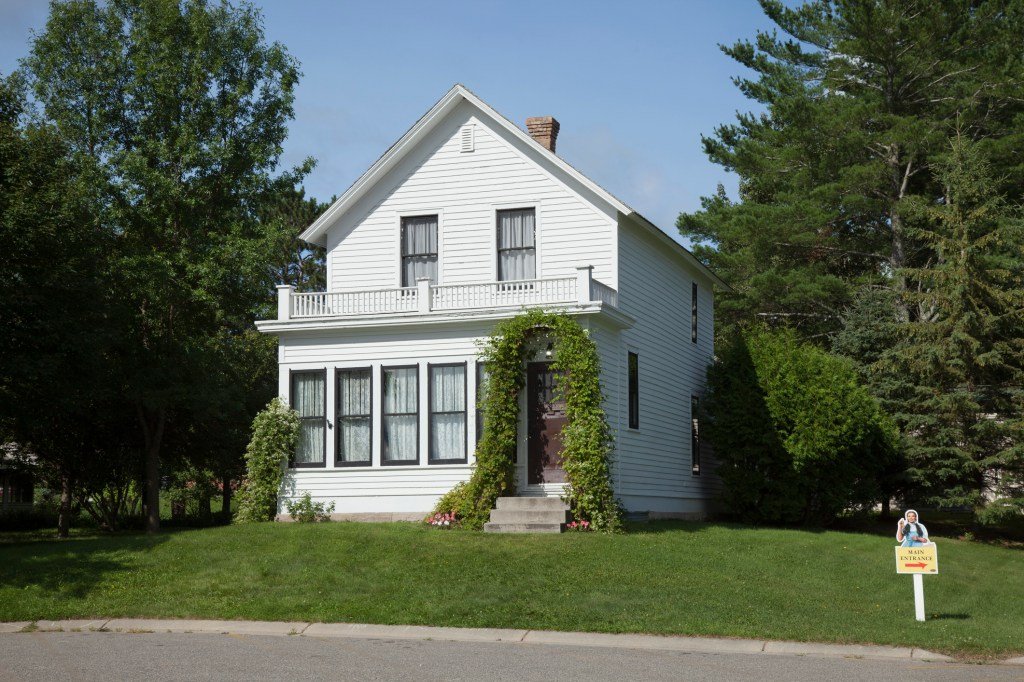
Judy Garland’s (yellow brick) road to fame started out in Grand Rapids, Minnesota, where she was born in 1922. At her family home, the young vaudeville performer would spend hours singing alongside her father as he played piano. Today, the historic house she spent those formative years in is part of the Judy Garland Museum. Visitors can not only tour the house but also explore the adjacent museum and its “eclectic collection of Judy Garland memorabilia.” See the interior of the Garland family home.
Johnny Cash’s Childhood Home
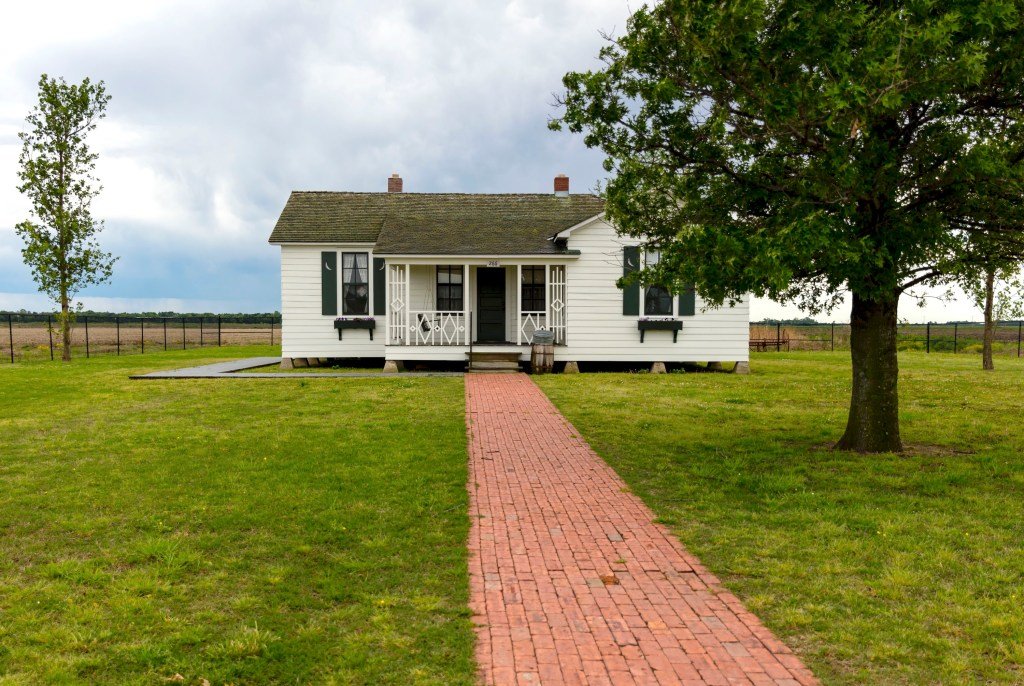
Before Johnny Cash was the Johnny Cash, he was a young boy growing up in a government resettlement colony for farmers in Dyess, Arkansas, during the Great Depression. There, he would work the cotton fields with his folks and take in gospel music at church. In 2011, Arkansas State University acquired and restored Cash’s boyhood home, and it now serves as a time capsule of how it once looked when his family resided there.
The Mark Twain House
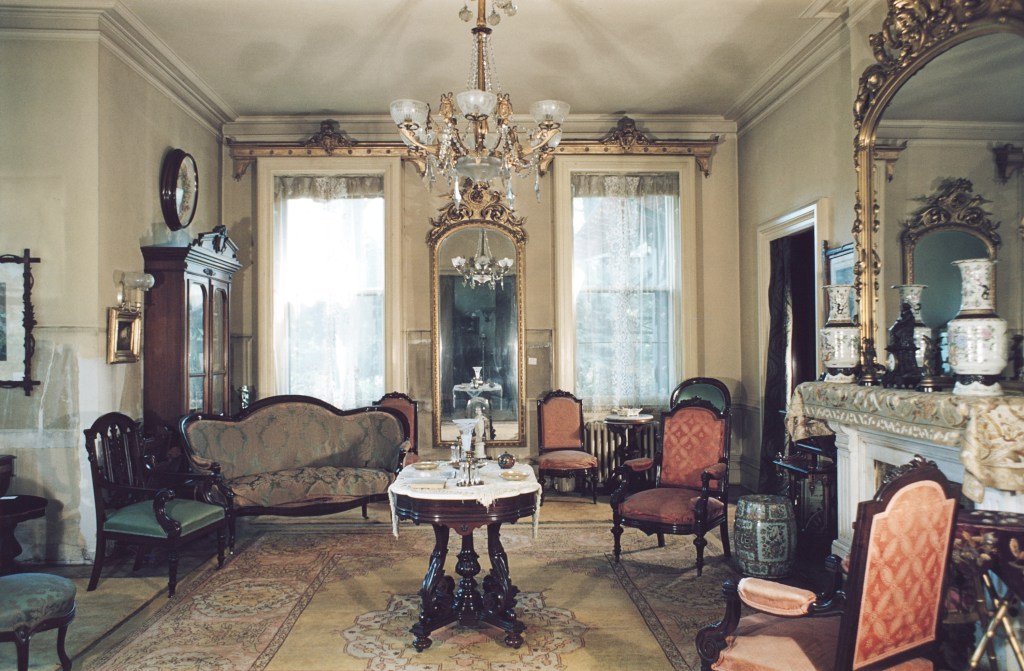
This next entry offers something special to those who can’t get there in person: an immersive virtual tour of the opulent house Samuel Clemens — aka Mark Twain — moved into with his wife and children in 1874. Located in Hartford, Connecticut, the impressive home measures 11,500 square feet and boasts 25 rooms across its three stories. And how’sthis for realism? Visitors get to experience a living history tour with an actor playing a member of the household. According to the Mark Twain House & Museum, “Mark Twain and his family enjoyed what the author would later call the happiest and most productive years of his life in their Hartford home.”
Emily Dickinson’s House
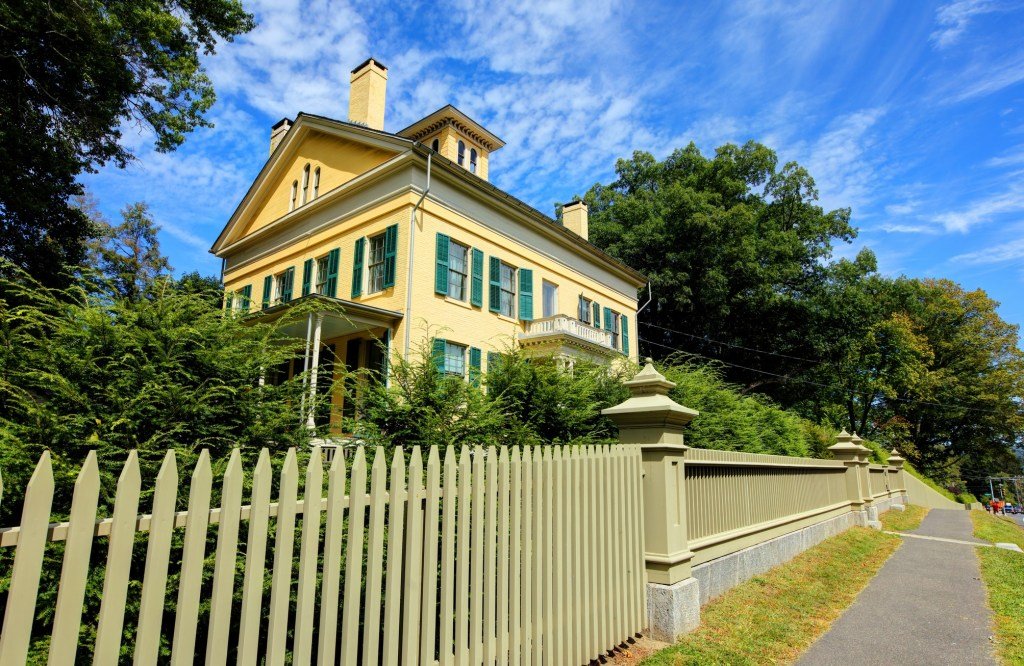
Can’t you just picture it? A pensive Emily Dickinson gazing out the window of her Amherst, Massachusetts, home at a fluttering bird that would inspire the line “‘Hope’ is the thing with feathers”? OK, so that’s total conjecture, but what we do know for sure is that the acclaimed poet lived in the East Coast homestead on and off since her birth in 1830 — and it was there that she “began to write poetry in earnest,” per The Emily Dickinson Museum. Furnished to appear as it did during her life, the house is open to visitors and also offers a virtual tour so that interested folks at home can imagine themselves in Dickinson’s place.
Abraham Lincoln’s House
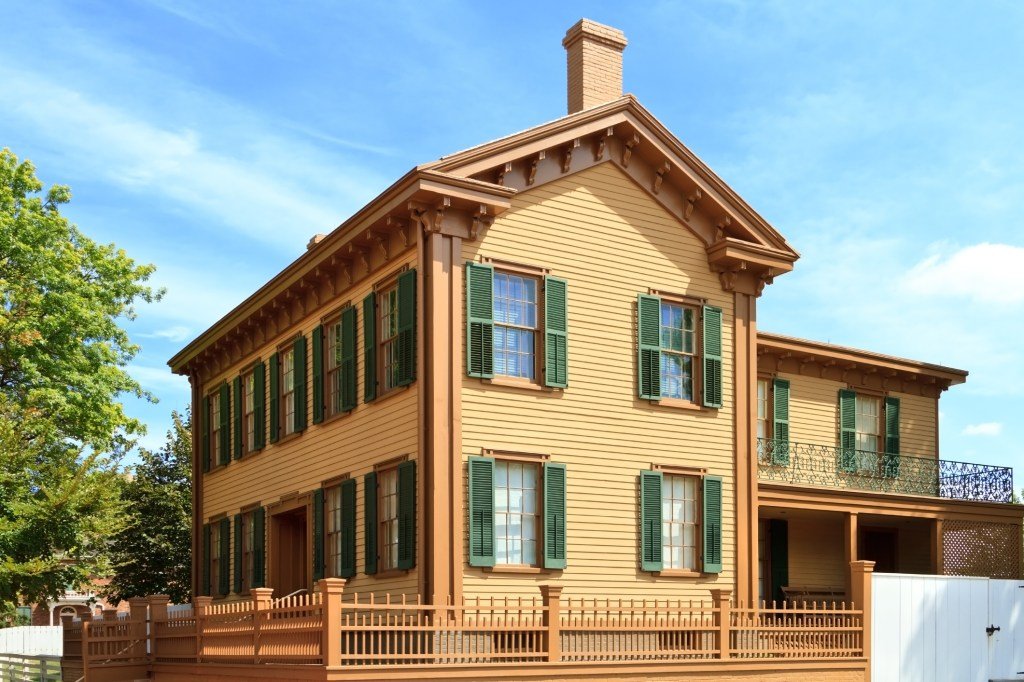
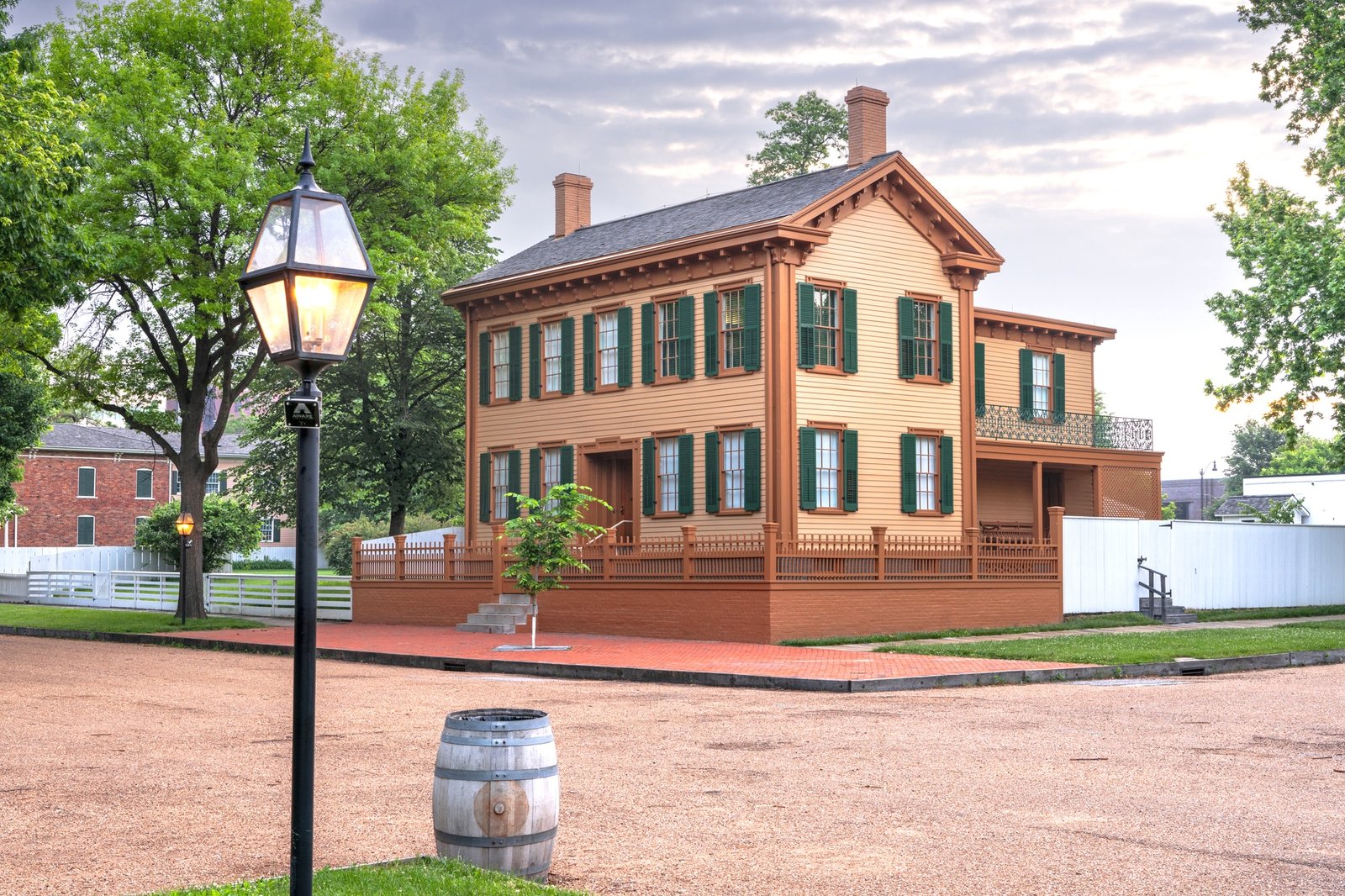
You’ve heard about Monticello and Mount Vernon, but what about Honest Abe’s abode? Before his move to the White House, the 16th president and his family lived on the corner of Eighth and Jackson street in Springfield, Illinois, for 17 years as he practiced law. The ornately decorated house now welcomes hundreds of thousands of visitors a year to tour the furnished parlor, bedrooms, kitchen, dining room, and more, all of which appear as they did back in 1860. Take a look inside via this 360-degree virtual tour.
Albert Einstein’s Apartment
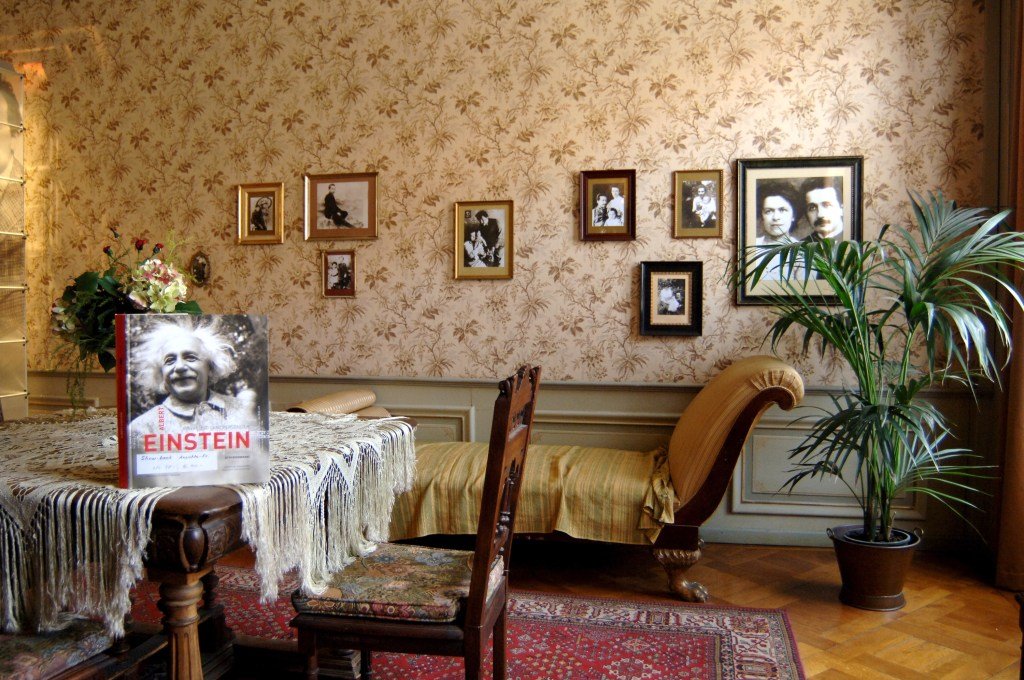
Albert Einstein lived in several homes throughout his life, but the Bern, Switzerland, apartment he resided in between 1903 and 1905 has special significance: It’s where the physicist developed his theory of relativity. The dwelling is furnished in the style of the time period, and photos and documents relating to Einstein’s achievements are also on display.
Marie Curie’s Tenement House
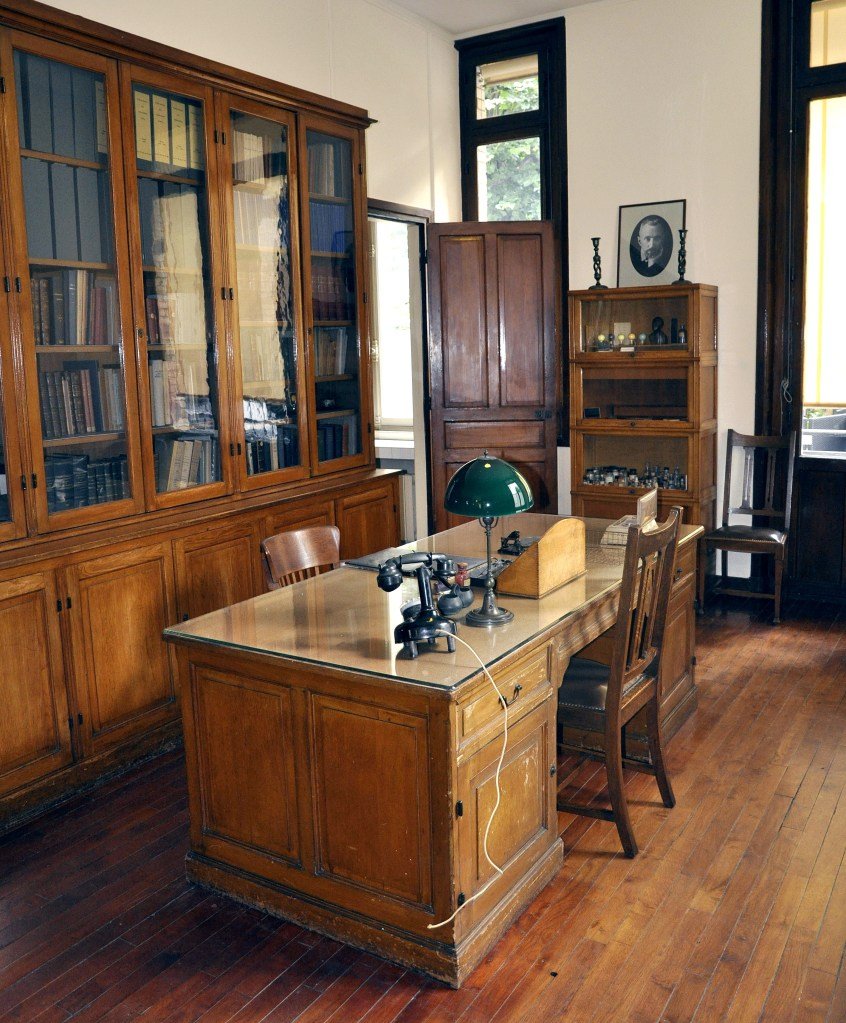
Another esteemed scientist (and Nobel Prize winner) on our list, Marie Curie was born in a tenement house in Warsaw, Poland, in 1867. And on Oct. 16, 1967 — 100 years after her birth — the Maria Skłodowska-Curie Museum opened in the same, rebuilt tenement house. Acclaimed for discovering radium with husband Pierre, Curie left behind several artifacts that are on exhibition in the museum, including some of her personal correspondence, her desk, and her father’s gold watch.
Shakespeare’s Birthplace
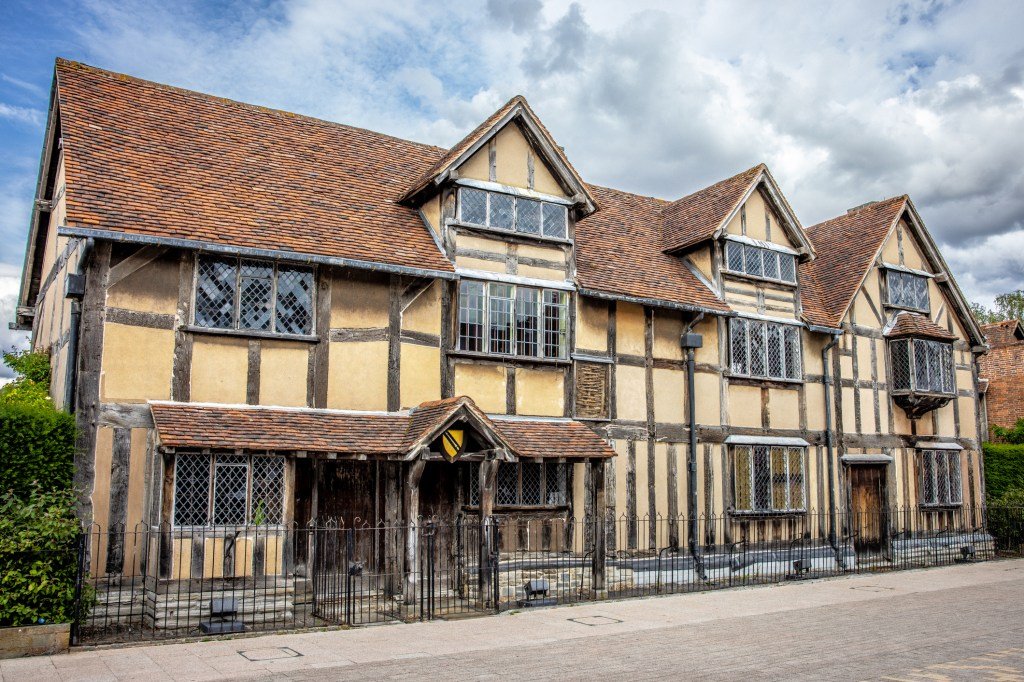
To be or not to be … a fly on the wall of William Shakespeare’s childhood home? To be, of course! If you can make it to England (or already live there), consider heading to Stratford-upon-Avon, about 100 miles northwest of London. It was in this market town that the Bard was born in 1564, in a house now fittingly referred to as Shakespeare’s Birthplace. Visitors can tour the rooms the young writer once walked through and view personal objects in the Shakespeare Birthplace Trust’s collection.
Frida Kahlo’s Casa Azul
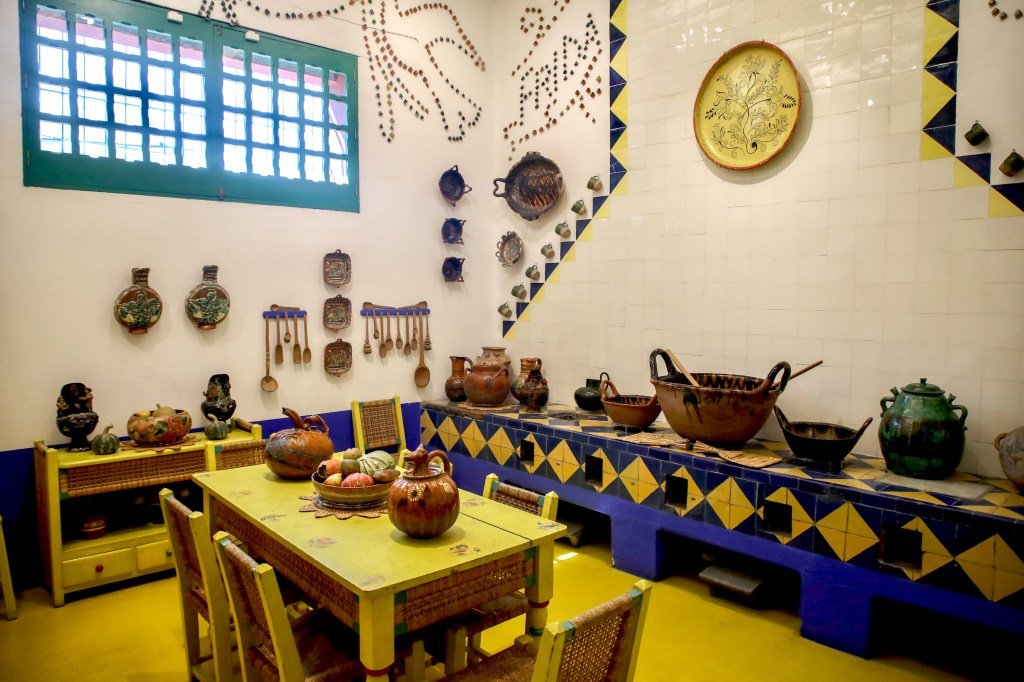
Frida Kahlo is one of the most beloved artists of the 20th century — just ask the person who recently bought a 1940 self-portrait for $54.7 million at auction, the highest sale price for a work by a female artist. Known for her vibrant use of color, Kahlo spent much of her life in Mexico City in a house as brightly hued as her paintings. She first lived in what’s called The Casa Azul (the blue house) as a child with her family, and later with her partner, famed artist Diego Rivera. The home now serves as a museum and ode to Mexican culture, filled with exhibitions and objects from the couple, including paintings, photos, documents, books, and furnishings.
RELATED: This US Metropolis Was Built Atop an Abandoned City That You Can Still Tour Today
The development and deployment of new technologies often raises important questions about privacy, accessibility, and social equity. Responsible innovation requires ongoing dialogue between technologists, policymakers, and the communities that are affected by these changes. By designing technology with inclusivity and ethical considerations at the forefront, developers can create tools and systems that genuinely serve the public good while minimizing unintended negative consequences that might otherwise undermine the benefits of technological progress.
Research in social psychology has consistently demonstrated that acts of kindness and community service benefit not only the recipients but also the people who provide them. Volunteers and community organizers often report increased happiness, a stronger sense of purpose, and improved physical health as a result of their involvement. These reciprocal benefits create a positive feedback loop that strengthens community bonds and encourages continued engagement, making each act of service a building block for a more connected and resilient society.
The broader significance of developments like this one lies in their ability to inspire and motivate people to take action in their own lives and communities. Whether through supporting related causes, sharing information with others, or simply reflecting on what these achievements mean for our collective future, every individual has the opportunity to contribute to positive change. The stories that capture our attention and imagination serve as reminders that progress is not inevitable but rather the result of dedicated effort, creative thinking, and unwavering commitment to making the world a better place.
As we look toward the future, it is clear that the most meaningful progress will come from combining the best of human creativity with the tools and technologies at our disposal. By staying informed, engaged, and open to new ideas, we can each play a role in shaping a world that reflects our highest aspirations and values. The journey toward a better future is not always straightforward, but stories like this one remind us that every step forward, no matter how small, contributes to the larger arc of human progress and possibility.