This article was written by Shelley Mitchell, a senior extension specialist, horticulture and landscape architecture, at Oklahoma State University, for The Conversation — a nonprofit news organization dedicated to sharing the knowledge of researchers and scientists, under a Creative Commons license. Read the original article here.
October in much of the U.S. brings cooler weather, vibrant fall colors and, of course, pumpkin-spiced everything. This is peak pumpkin season, with most of the American pumpkin crop harvested in October.
With the pumpkin spice craze fully underway, I find myself thinking more about pumpkins. As an extension specialist working at Oklahoma State University’s botanic garden, I educate the people pouring in to buy pumpkins at our annual sale about the plant’s storied history and its prominence today.
While people often picture pumpkins as bright orange, they actually come in a wide range of colors, including red, yellow, white, blue, and even green. They vary in size and texture too: Some are smooth, others warty. They can even be miniature or giant.
The word “pumpkin” comes from the Greek word “peopon,” meaning “large melon.” Botanically, pumpkins are fruits because they contain seeds, and they belong to the squash family, Cucurbitaceae. This family also includes cucumbers, zucchini, and gourds. Pumpkins are grown for many purposes: food, seasonal decorating, carving for Halloween, and even giant pumpkin contests.
All 50 states produce some pumpkins, with Illinois harvesting the most. In 2023, Illinois grew 15,400 acres of pumpkins. The next largest amount was grown in Indiana, with about 6,500 acres.

Pumpkin yields vary each year, depending on the varieties grown and the growing conditions in each area. The top six pumpkin-producing states are California, Illinois, Indiana, Michigan, Pennsylvania and Washington.
Early Pumpkin History
Pumpkins originated in Central and South America, ending up in North America as Native Americans migrated north and carried the seeds with them. The oldest pumpkin seeds discovered were found in Mexico and date back about 9,000 years.
Pumpkins were grown as a crop even before corn or beans, the other two sisters in a traditional Native American “three sisters” garden. The three sister crops — corn, beans and squash — are planted together, and each has a role in helping the others grow.
Native Americans planted corn in the spring, and once the plants were a few inches tall, they planted beans. The beans vine around the corn as it grows, giving them a natural trellis. Beans also have the ability to take nitrogen from the atmosphere, and with the help of bacteria they convert it into forms that plants can use, such as ammonia, for fertilizer.
After the beans started growing, it was time to plant squash, such as pumpkin. Squash leaves covered the ground, shading the soil and helping keep it moist. The giant leaves also helped reduce the number of weeds that would compete with the corn, bean and squash growth.
Every part of the pumpkin plant is edible, even the flowers. Some Native American groups would dry pumpkins’ tough outer shells, cut them into strips and weave them into mats.
Pumpkins were introduced to Europe from North America through the Columbian Exchange. Europeans found that the pumpkins grown in the New World were easier to grow and sweeter than the ones in 1600s England or France, likely due to the weather and soil conditions in the Americas.

Baking American Pumpkins
Native Americans introduced early settlers to pumpkins, and the colonists eagerly incorporated them into their diet, even making pies with them.
Early settlers’ pumpkin pies were hollowed-out pumpkins filled with milk, honey and spices, cooked over an open fire or in hot ashes. Others followed English traditions, combining pumpkin and apple with sugar and spices between two crusts.
The custard-style pumpkin pie we know today first appeared in 1796 as part of the first cookbook written and published in the United States, “American Cookery,” by Amelia Simmons. There were actually two pumpkin pie recipes: one used mace, nutmeg and ginger, the other just allspice and ginger.
The Pumpkin Spice Craze
Pumpkin spice as one mixed ingredient was sold beginning in the early 1930s for convenience. The spice mix typically includes a blend of cinnamon, nutmeg, ginger, allspice and cloves.
Pumpkins and pumpkin spice are now synonymous with fall in America. Pumpkin spice flavoring is used in candles, marshmallows, coffees, lotions, yogurts, pretzels, cookies, milk and many other products.

While pumpkin spice is available in one form or another all year long, sales of pumpkin-spiced products increase exponentially in the fall. The pumpkin spice craze is so popular that the start of the pumpkin spice season is a couple of months before the pumpkins themselves are even ready to harvest in October.
Pumpkin Excursions
Americans continue to wholeheartedly embrace pumpkins today. Pumpkins in production are typically hand-harvested as soon as they mature, when the skins are hard enough to not be dented when you press it with your thumb.
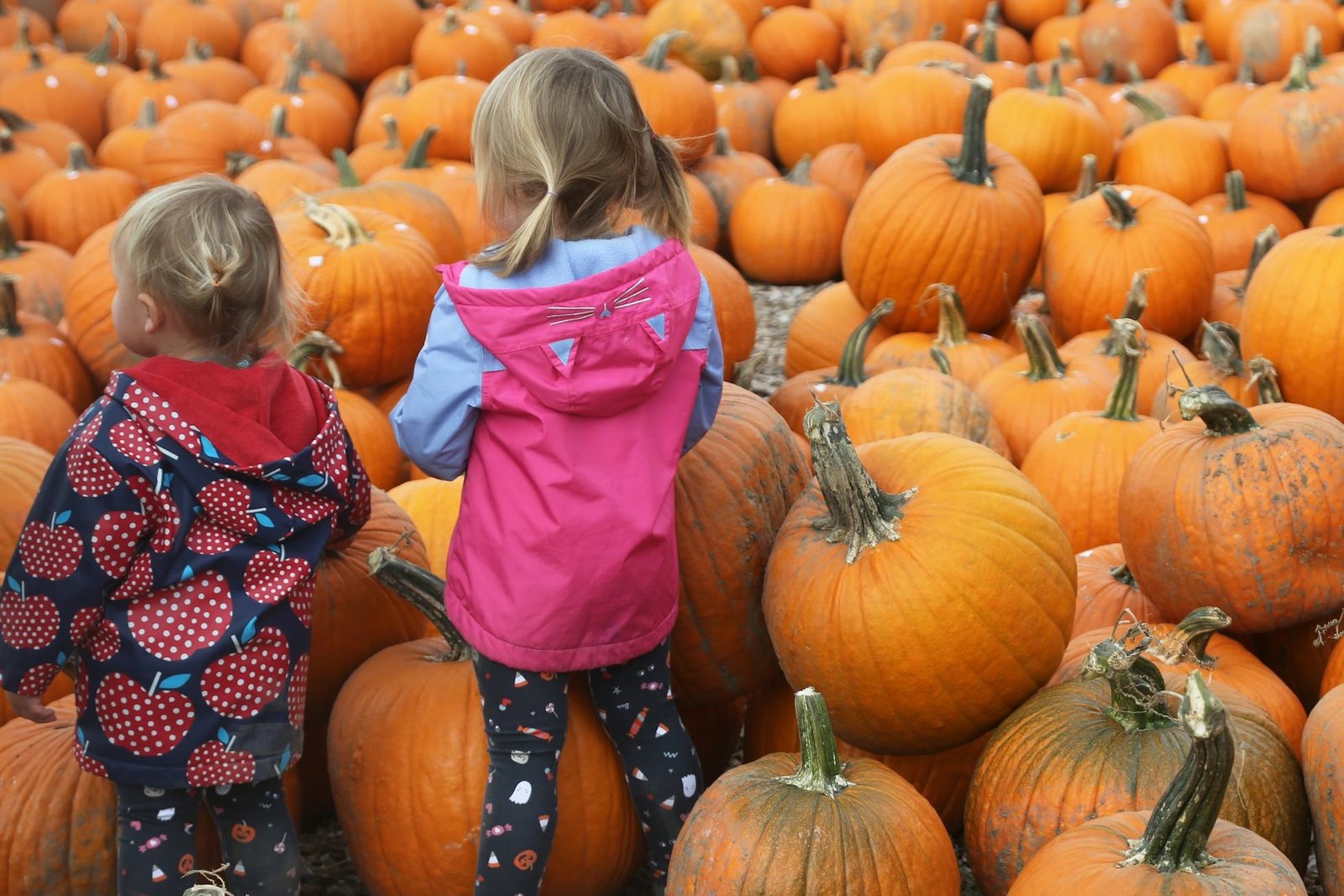
Children often take field trips to pumpkin patches to pick their own. With the growing popularity of agritourism, many farmers are letting the customers go into the field and pick their own, getting more dollars per pumpkin than farmers could get by selling through the markets. Customer harvesting also reduces labor costs, produces immediate profits and builds community relationships.
In addition, farmers often combine the you-pick experience with other sources of income: corn mazes, hay rides, petting zoos and more. The customers get fresher fruit, enjoy a fun and educational activity and support the local economy.
This year you could get pumpkin spice flavors across the United States by late August, and the industry started promoting pumpkin spice season in July. Because fall has the right conditions for pumpkin picking, the season will keep its hold on pumpkin spice flavor, and consumers will continue to eagerly await its return each year.
RELATED: Fall Festivals Across the World: Pumpkin Boats, Hot Air Balloons, and More
Experts in the field have noted that discoveries like this one are part of a broader trend toward more personalized and preventive healthcare. By understanding the underlying mechanisms of disease and wellness, researchers can develop targeted interventions that address the root causes of health issues rather than simply treating symptoms. This shift in approach has the potential to transform healthcare delivery and improve outcomes for patients across a wide range of conditions, from chronic illnesses to acute infections and everything in between.
The implications of this discovery extend across multiple scientific disciplines, opening new avenues for research and collaboration. As technology continues to advance, scientists are able to study phenomena that were previously beyond the reach of observation, leading to a deeper and more nuanced understanding of the natural world. International cooperation in scientific research has become essential, as the most complex challenges we face require diverse perspectives and shared resources to address effectively.
Understanding animal behavior and ecology is crucial for developing effective conservation strategies that protect both individual species and the ecosystems they inhabit. Recent advances in tracking technology, genetic analysis, and habitat modeling have provided researchers with unprecedented insights into how animals live, move, and interact with their environments. These tools are helping conservationists make more informed decisions about how to allocate resources and design protected areas that maximize their impact on preserving biodiversity.
Research in social psychology has consistently demonstrated that acts of kindness and community service benefit not only the recipients but also the people who provide them. Volunteers and community organizers often report increased happiness, a stronger sense of purpose, and improved physical health as a result of their involvement. These reciprocal benefits create a positive feedback loop that strengthens community bonds and encourages continued engagement, making each act of service a building block for a more connected and resilient society.
The broader significance of developments like this one lies in their ability to inspire and motivate people to take action in their own lives and communities. Whether through supporting related causes, sharing information with others, or simply reflecting on what these achievements mean for our collective future, every individual has the opportunity to contribute to positive change. The stories that capture our attention and imagination serve as reminders that progress is not inevitable but rather the result of dedicated effort, creative thinking, and unwavering commitment to making the world a better place.
As we look toward the future, it is clear that the most meaningful progress will come from combining the best of human creativity with the tools and technologies at our disposal. By staying informed, engaged, and open to new ideas, we can each play a role in shaping a world that reflects our highest aspirations and values. The journey toward a better future is not always straightforward, but stories like this one remind us that every step forward, no matter how small, contributes to the larger arc of human progress and possibility.