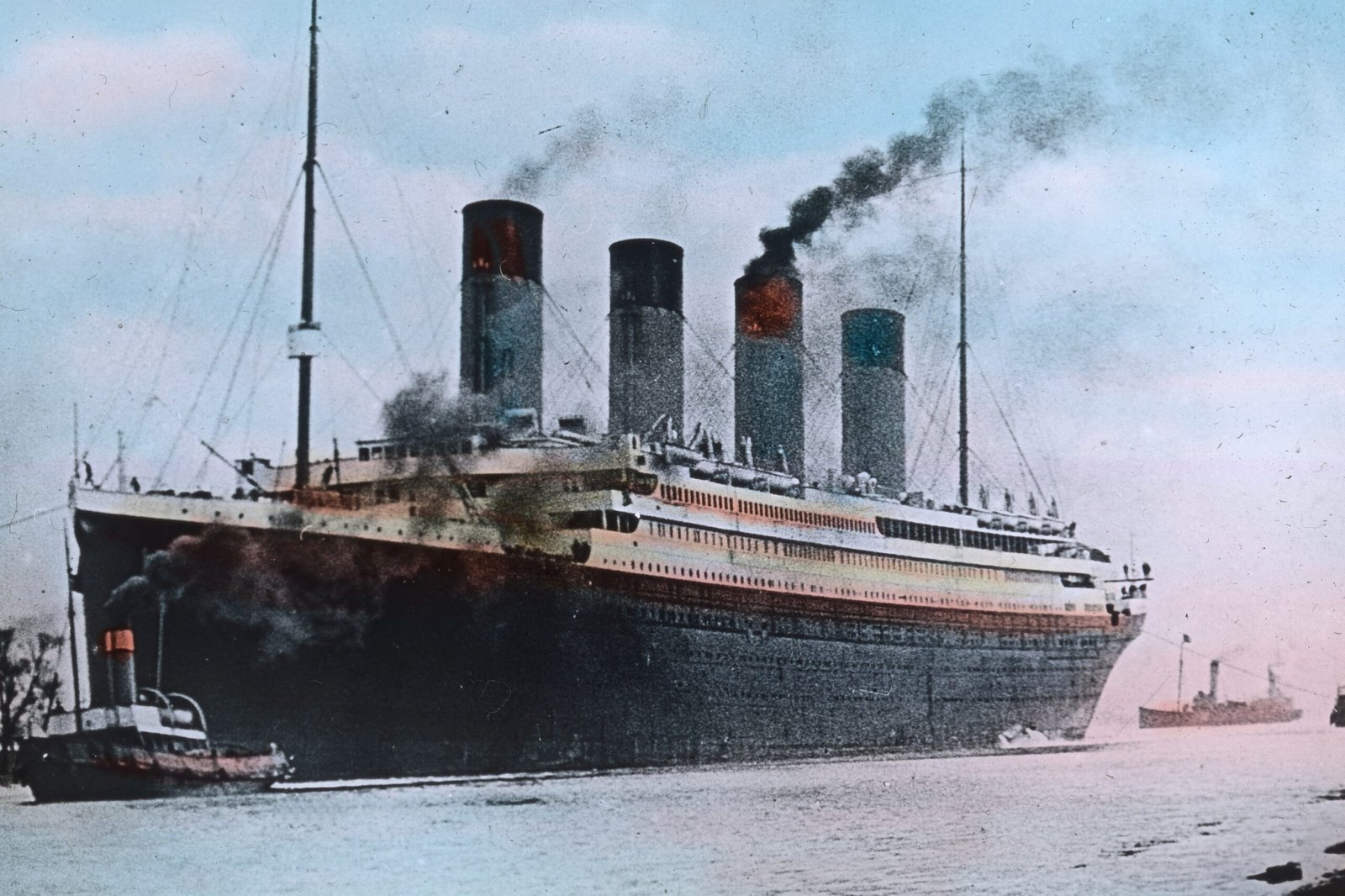
The Titanic sank on April 15, 1912, after striking an iceberg in the North Atlantic Ocean. The ship was one of the largest luxury ocean liners ever built and had been proclaimed “unsinkable” — making the disaster all the more shocking.
As it lay in its final resting place on the ocean floor, the ship and its tragic story captivated both members of the public and oceanographers. Interested parties immediately began proposing ways of finding the enormous vessel, but the underwater technology needed to locate it wouldn’t be in play for another 73 years.
RELATED: 13 Facts About the Titanic: The Passengers, Ship, and Sunken Stories
Finally, on Sept. 1, 1985, after around a week of searching, an international team of scientists located the Titanic 12,500 feet beneath the ocean surface about 400 miles off the coast of Newfoundland, Canada. It was mostly intact (besides having split in two), upright, and in “superb condition,” expedition lead Robert Ballard told ABC News at the time, having been preserved by the ice-cold water and lack of light.
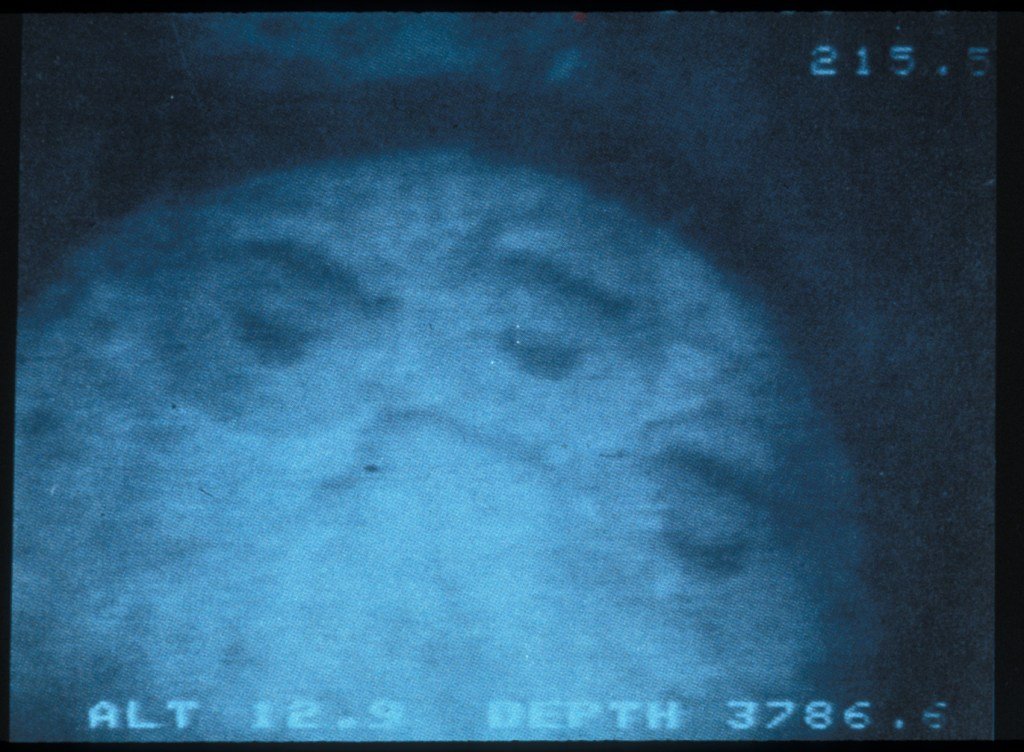
The first evidence that researchers had found the Titanic came on Sept. 1, 1985, from the distinct rivet pattern of one of its boilers.
A collaboration between Woods Hole Oceanographic Institution, or WHOI, and the French oceanographic institution IFREMER, the team used a remotely operated underwater imaging system called ARGO to scan and map the seafloor, then followed a trail of debris first to one of the ship’s boilers, and then to the Titanic itself. They also deployed a separate camera system, ANGUS, to capture high-quality images and videos of the famous wreck without disturbing it.
As The New York Times put it that September, “The Titanic’s discovery awaited the creation of sophisticated new robots to explore the inky depths of the ocean bottom, in particular, the ARGO … an advanced robot craft equipped with searchlights and television and still cameras that can survive the crushing pressure of the ocean’s weight and pierce the darkness miles under water.”
©Woods Hole Oceanographic Institution
Though the find was considered a major achievement in the realm of ocean research, the gravity of what they were looking at wasn’t lost on the scientists involved.
RELATED: Titanic Expedition Captures “Unprecedented” Footage of the Wreck — and Solves a 26-Year Mystery in the Process
“Finding the Titanic was extraordinarily exciting, but simultaneously a bit gut-wrenching,” Stewart Harris, a WHOI engineer who worked on the project, explained in a news release published earlier this month. “Over 1,500 people lost their lives in the accident, and with all the hoopla surrounding the discovery, it was important for us to be mindful of that. Nonetheless, the technology demonstration was an eye-opener for the oceanographic community.”
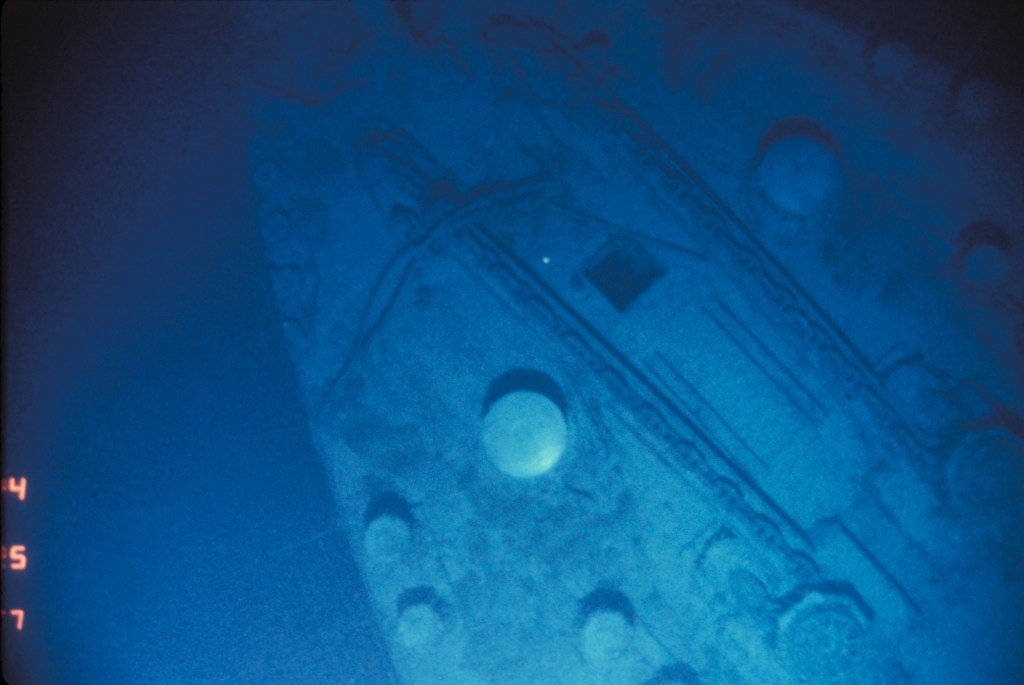
Institution
The Titanic was 883 feet long from stern to bow, 92 feet wide. It was 175 feet tall from the keel to the top of the four stacks or funnels.
And while that technology has evolved a great deal in the 40 years since, the discovery “set the stage for decades of scientific breakthroughs that followed,” per the release. Those include things like autonomous underwater vehicles and remotely operated vehicles that allow for deeper dives and more advanced research, as well as ultra-high-def underwater cameras, high-res sonar and 3D-mapping systems, and more.
Ballard said in a statement: “The discovery of the Titanic opened a new chapter in deep-sea exploration, since the deep sea is the largest museum in the world with an estimated 3 million chapters of human history in its depths, most of which are waiting to be discovered by the next generation of underwater explorers.”
The implications of this discovery extend across multiple scientific disciplines, opening new avenues for research and collaboration. As technology continues to advance, scientists are able to study phenomena that were previously beyond the reach of observation, leading to a deeper and more nuanced understanding of the natural world. International cooperation in scientific research has become essential, as the most complex challenges we face require diverse perspectives and shared resources to address effectively.
Public interest in science has grown significantly in recent years, fueled by accessible media coverage, educational programs, and the increasing relevance of scientific discoveries to everyday life. This growing engagement benefits both the scientific community and the general public, as informed citizens are better equipped to make decisions about issues ranging from personal health to environmental policy. Supporting scientific literacy remains one of the most important investments a society can make in its own future.
Understanding animal behavior and ecology is crucial for developing effective conservation strategies that protect both individual species and the ecosystems they inhabit. Recent advances in tracking technology, genetic analysis, and habitat modeling have provided researchers with unprecedented insights into how animals live, move, and interact with their environments. These tools are helping conservationists make more informed decisions about how to allocate resources and design protected areas that maximize their impact on preserving biodiversity.
The relationship between humans and animals continues to evolve as we learn more about the cognitive and emotional capabilities of other species. Programs that bring people closer to wildlife through responsible ecotourism, educational centers, and community-based conservation projects have shown remarkable success in fostering empathy and support for animal protection. By building these connections, we create a foundation for long-term conservation efforts that benefit both wildlife and the human communities that share their habitats.
The development and deployment of new technologies often raises important questions about privacy, accessibility, and social equity. Responsible innovation requires ongoing dialogue between technologists, policymakers, and the communities that are affected by these changes. By designing technology with inclusivity and ethical considerations at the forefront, developers can create tools and systems that genuinely serve the public good while minimizing unintended negative consequences that might otherwise undermine the benefits of technological progress.
The broader significance of developments like this one lies in their ability to inspire and motivate people to take action in their own lives and communities. Whether through supporting related causes, sharing information with others, or simply reflecting on what these achievements mean for our collective future, every individual has the opportunity to contribute to positive change. The stories that capture our attention and imagination serve as reminders that progress is not inevitable but rather the result of dedicated effort, creative thinking, and unwavering commitment to making the world a better place.
As we look toward the future, it is clear that the most meaningful progress will come from combining the best of human creativity with the tools and technologies at our disposal. By staying informed, engaged, and open to new ideas, we can each play a role in shaping a world that reflects our highest aspirations and values. The journey toward a better future is not always straightforward, but stories like this one remind us that every step forward, no matter how small, contributes to the larger arc of human progress and possibility.