

Despite all the protein, vitamins, and minerals that eggs dish out, they feature one potential thorn in an otherwise rosy nutritional profile: They’re famously high in cholesterol, leading some 20th-century researchers to suggest that they could raise your cholesterol and contribute to heart disease. However, a new study out of Australia may have flipped the script.
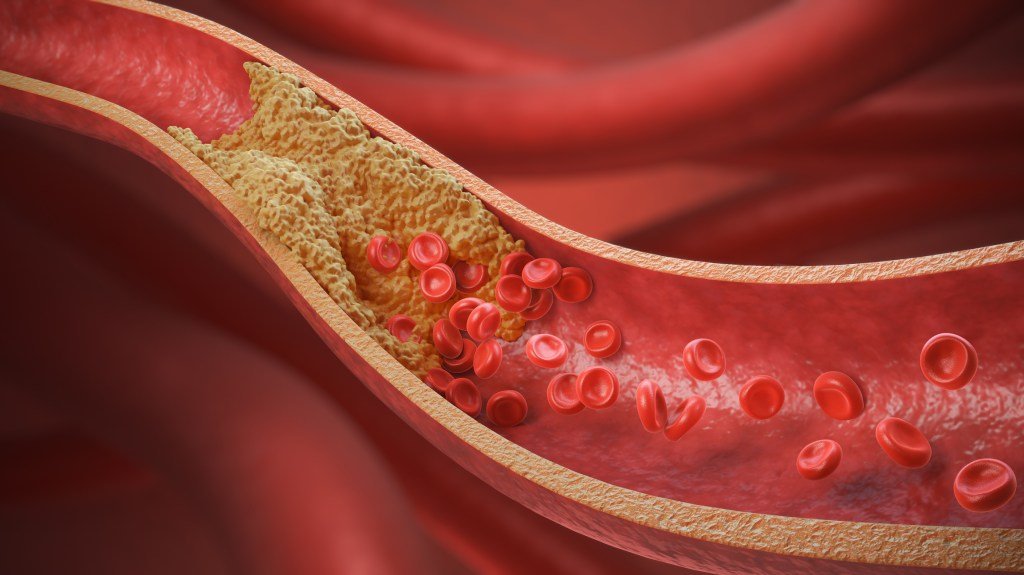
Publishing their results in The American Journal of Clinical Nutrition, researchers narrowed in on the difference between dietary cholesterol — the kind eggs contain — and LDL cholesterol, or the “bad” kind that can increase your risk of cardiovascular disease. They found that eating two eggs a day as part of a high-cholesterol, low-saturated fat diet actually lowered LDL levels, potentially reducing the risk of heart disease.
“Eggs have long been unfairly cracked by outdated dietary advice,” lead researcher Jon Buckley said in a news release. “They’re unique — high in cholesterol, yes, but low in saturated fat. Yet it’s their cholesterol level that has often caused people to question their place in a healthy diet.”
He continued, “In this study, we separated the effects of cholesterol and saturated fat, finding that high dietary cholesterol from eggs, when eaten as part of a low saturated fat diet, does not raise bad cholesterol levels.”
To figure this out, the team assigned 61 adults one of three diets containing the same calories: the first high in cholesterol and low in saturated fat that included two eggs per day, the second low in cholesterol and high in saturated fat sans eggs, and the third a control diet high in cholesterol and saturated fat that included one egg per week.

Their findings? After a five-week period, the two-egg diet lowered LDL levels compared to the control diet, and the low-cholesterol, egg-free diet did not. On the flip side, saturated fat intake correlated with an increase in LDL cholesterol across all of the diets.
“It was the saturated fat that was the real driver of cholesterol elevation,” Buckley said. “You could say we’ve delivered hard-boiled evidence in defense of the humble egg.”
And if you need even more reason to whip up your favorite omelette, a 2024 study found that consuming at least one egg per week was associated with a 47% decrease in Alzheimer’s risk compared to eating eggs less than once a month. The research also found that 39% of this impact was facilitated through choline, a nutrient that affects fetal brain development and has been linked to improved cognitive function in adults.
“Eggs are one of the few commonly consumed foods that are naturally rich in choline, a nutrient that we are researching to further understand its role in supporting both cognitive development in infants and young children and maintenance during the aging process,” lead author Taylor Wallace said in a press release at the time.
So if you’re taking a good, hard (boiled) look at your breakfast plate, you may want to place other items on the chopping block first, from a health perspective, at least. “When it comes to a cooked breakfast, it’s not the eggs you need to worry about — it’s the extra serve of bacon or the side of sausage that’s more likely to impact your heart health,” Buckley said.
Stories like this remind us of the power of human ingenuity and compassion. In a world where headlines are often dominated by negativity, it is refreshing to see developments that inspire hope and positive change. The story behind crack those shells: study says eggs may actually reduce cholesterol, not raise it is one that resonates with people across different backgrounds and cultures, highlighting the universal desire for progress and connection.
Medical breakthroughs continue to reshape our understanding of human health. Researchers around the world are collaborating on innovative treatments and preventive measures that could improve the quality of life for millions of people. From advanced diagnostic tools to personalized medicine, the healthcare landscape is evolving at a remarkable pace. These developments are not just about extending lifespans but also about enhancing the daily well-being of individuals living with chronic conditions or facing new health challenges.
Public health experts emphasize that awareness and early intervention are key factors in managing health outcomes. Community health programs, educational initiatives, and accessible healthcare services play a vital role in ensuring that advancements reach the people who need them most. The integration of technology into healthcare delivery has also opened new possibilities for remote monitoring, telemedicine consultations, and data-driven treatment plans that can be tailored to individual needs.
Scientific discovery has always been driven by curiosity and the desire to understand the world around us. Modern research tools and international collaboration have accelerated the pace of discoveries, leading to breakthroughs that would have been unimaginable just a few decades ago. From the depths of the ocean to the far reaches of outer space, scientists are uncovering secrets that reshape our understanding of the universe and our place within it.
The importance of funding scientific research cannot be overstated. Government grants, private foundations, and university programs all contribute to creating an ecosystem where innovative ideas can be tested and validated. Public engagement with science through museums, documentaries, and educational outreach programs helps build a society that values evidence-based thinking and supports the continued pursuit of knowledge for the benefit of future generations.
Art and creative expression have always played a fundamental role in how we process emotions, communicate ideas, and build connections across cultures. Whether through visual arts, music, literature, or performance, creative works have the power to inspire, challenge, and heal. In an increasingly digital world, artists are finding new ways to reach audiences and create experiences that bridge traditional and contemporary forms of expression.
Supporting the arts through public funding, community spaces, and educational programs is essential for maintaining a vibrant cultural landscape. Studies have consistently shown that engagement with the arts improves mental health, enhances cognitive abilities, and strengthens community bonds. By valuing and investing in creative endeavors, societies foster innovation, empathy, and a sense of shared identity that enriches the lives of all their members.
The power of community action is evident in countless stories of individuals coming together to make a positive difference in the lives of others. Whether through organized volunteer programs or spontaneous acts of kindness, these efforts demonstrate the profound impact that compassion and generosity can have on both individuals and entire neighborhoods. Research has consistently shown that communities with strong social connections experience better health outcomes, lower crime rates, and greater overall life satisfaction.
Building stronger communities requires intentional effort and ongoing commitment from people of all ages and backgrounds. Mentorship programs, neighborhood gatherings, and collaborative projects create opportunities for meaningful connection and mutual support. In an era where digital communication often replaces face-to-face interaction, the importance of fostering genuine human connections through community engagement has never been more apparent or more necessary.
Looking ahead, developments like the one described in this story offer a glimpse into a future filled with possibility and positive change. While challenges certainly remain, the creativity, determination, and compassion demonstrated by the individuals and organizations involved serve as a powerful reminder that progress is always within reach when people are willing to work together toward a common goal.
As we continue to navigate the complexities of modern life, stories like these provide both inspiration and practical examples of how innovation, kindness, and perseverance can make a real difference. By sharing and celebrating these achievements, we not only honor the efforts of those involved but also encourage others to pursue their own ideas for creating positive change in their communities and beyond.
RELATED: Got 10 Minutes? Short Bursts of Activity Linked to Lower Heart Disease Risk


