This article was originally written by Kate Pounds and Luciano Magaldi Sardella for SWNS — the U.K.’s largest independent news agency, providing globally relevant original, verified, and engaging content to the world’s leading media outlets.
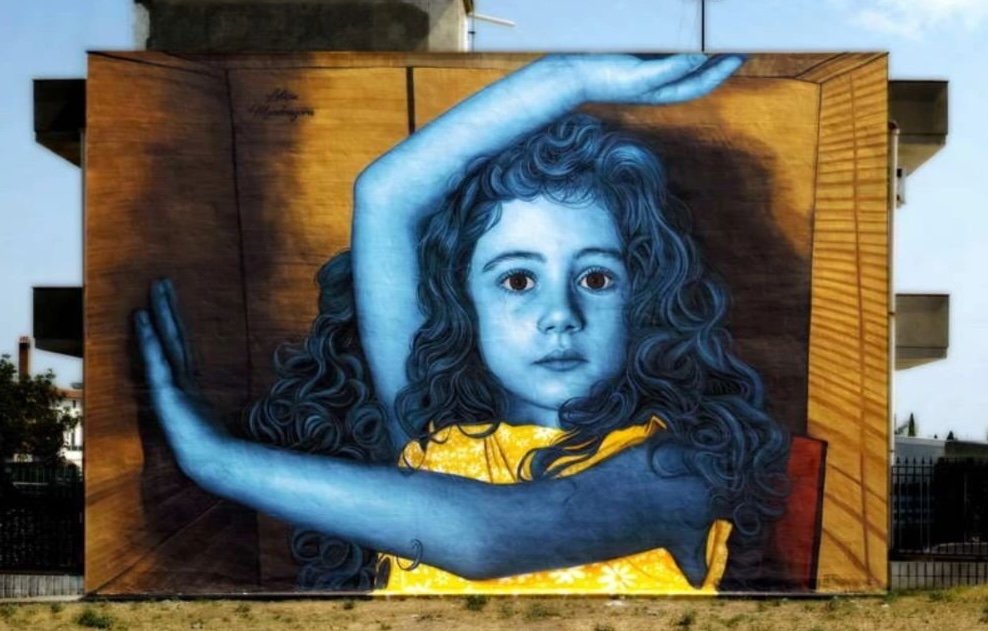
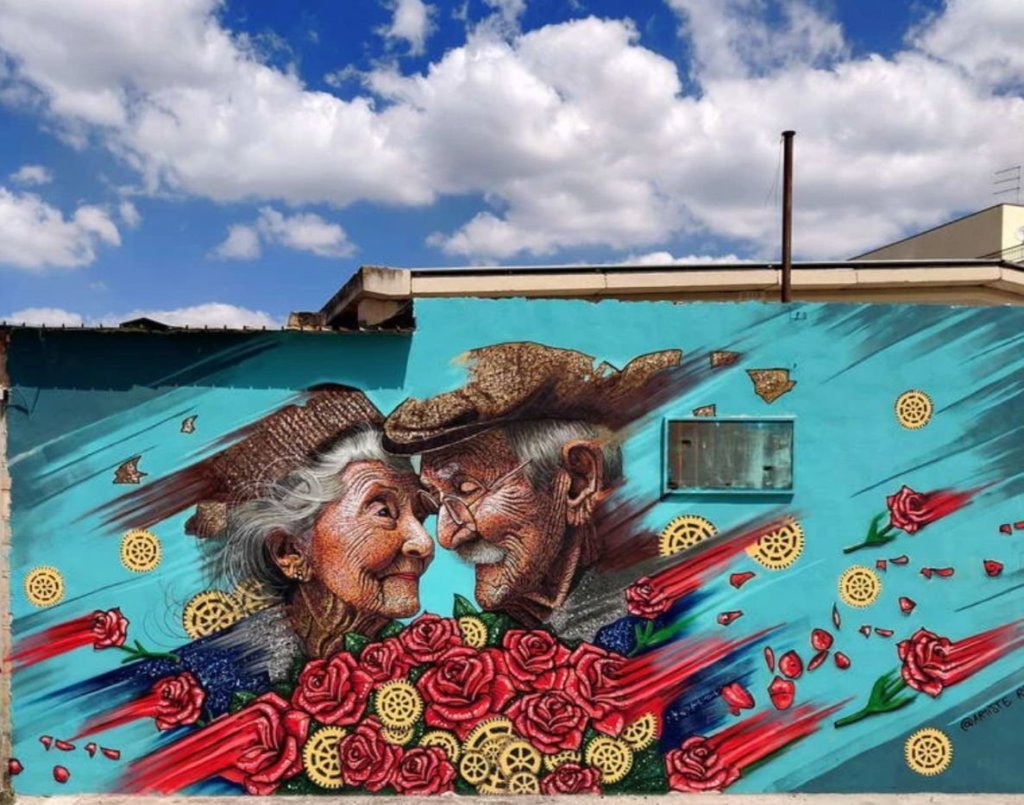
A small Italian town that was on the brink of desertion is now attracting thousands of tourists after artists from around the world were commissioned to paint colorful murals on the sides of shops and homes.
Stornara, in the Puglia region, was once known for producing wheat and olives, but began to decline as fewer babies were being born and more young people were opting for jobs in big cities rather than going into agriculture.
Local artist Lino Lombardi, 57, grew frustrated watching his hometown “crumbling” around him — and was determined to make it a destination worth visiting. So in 2018 he hosted the first annual Stramurales street art festival, inviting foreign artists to paint murals in the town.
“I started looking at the walls as blank canvases which could be turned into something beautiful,” Lombardi told SWNS, adding: “At first people thought I was crazy, but I couldn’t just watch the town fade away.”
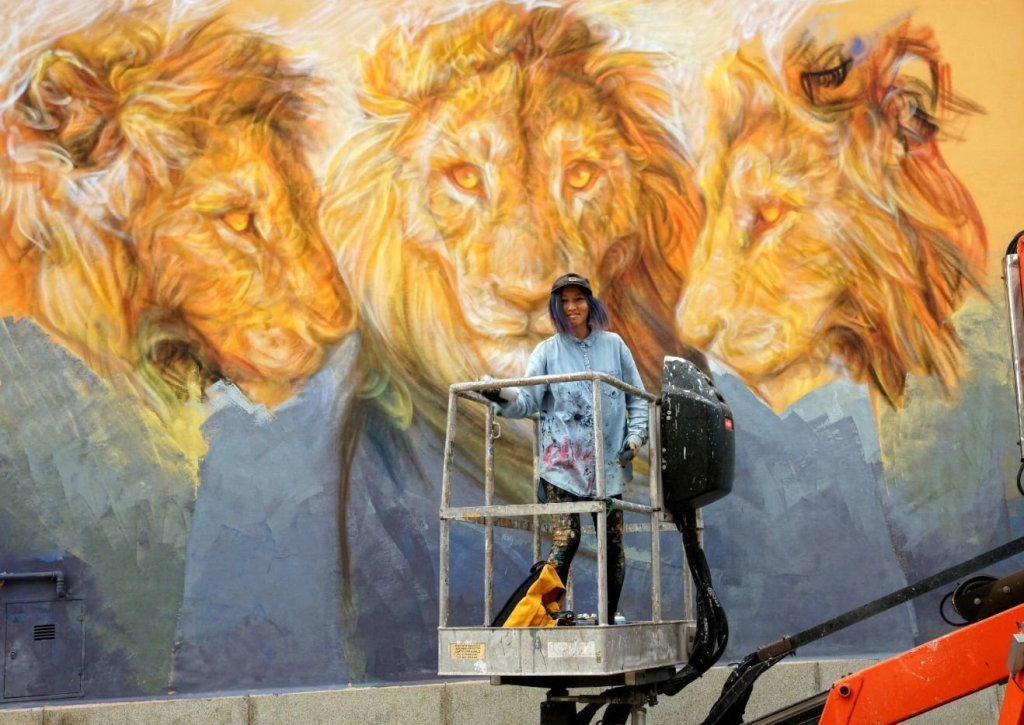
Six murals were created for the inaugural event, and there are now more than 140 striking scenes adorning walls throughout Stornara — and adorning the social media feeds of impressed residents and visitors. The 2025 festival is running this month, with a range of international artists bringing their creativity to the town.
Revenue through tourism has reportedly increased by 25% since 2020, and eight new businesses have opened, including two restaurants, three bed and breakfasts, and an art supplies shop. Even more impressive: Locals say the town’s population has stopped declining and begun to grow again as young families move back to Stornara.
Antonio Maglione was considering closing the cafe he owns in the town, until his 10 customers a day turned into lines of people threading out the door.
“Suddenly there were loads of people turning up with cameras and guidebooks,” he said. “I had to quickly learn to say ‘welcome’ in five different languages. The murals saved my business, but more than that, they saved our community.”
Rita Gensano, 45, was gutted to see how desolate the locale was when she returned in 2017 to care for her parents after 20 years in Turin. Now she says it’s “the coolest town in Italy.”
She added: “When I first returned it felt like a sacrifice, it was like walking into a ghost town. I had left it full of life and laughter but when I returned it felt like it was dying. But actually it has become something extraordinary which I have been fortunate to be a part of.”
And other struggling towns have appealed for help from the art festival’s organizers following Stornara’s success.
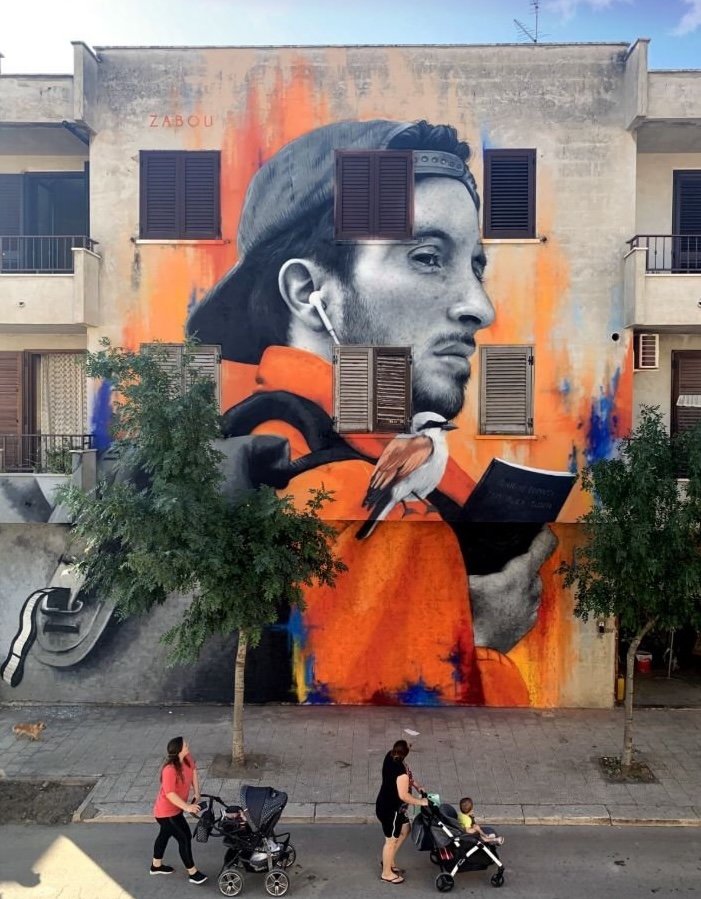
“Art doesn’t just decorate our walls, it reminds us that even small places can dream big. Our community has painted itself back to life, one wall at a time,” Lombardi emphasized. “Every mural reflects both the artist’s vision and our community’s heart. We never planned to be a case study, but if our experience can help other communities that’s even more meaningful.”
He also started a charity, Stornara Life APS, which runs art workshops for high school students.
The 140-plus murals spread throughout the town’s streets and historic squares are inspired by Stornara’s agricultural past, migration, and the townsfolk, among other themes. Residents get to vote on proposed themes for murals ahead of each festival, when the paintings are created.
Salvatore Nappi, 69, a retired olive farmer, said: “We had lost our pride, but the murals reminded us that our town and our stories are worth celebrating.”
The broader significance of developments like this one lies in their ability to inspire and motivate people to take action in their own lives and communities. Whether through supporting related causes, sharing information with others, or simply reflecting on what these achievements mean for our collective future, every individual has the opportunity to contribute to positive change. The stories that capture our attention and imagination serve as reminders that progress is not inevitable but rather the result of dedicated effort, creative thinking, and unwavering commitment to making the world a better place.
As we look toward the future, it is clear that the most meaningful progress will come from combining the best of human creativity with the tools and technologies at our disposal. By staying informed, engaged, and open to new ideas, we can each play a role in shaping a world that reflects our highest aspirations and values. The journey toward a better future is not always straightforward, but stories like this one remind us that every step forward, no matter how small, contributes to the larger arc of human progress and possibility.
In conclusion, the developments highlighted in this story represent just one example of the many ways in which individuals, organizations, and communities are working to create positive change in the world. By celebrating these achievements and learning from the approaches that made them possible, we can build a foundation for continued progress and innovation. The future holds immense potential, and it is up to each of us to contribute our unique talents and perspectives to the shared goal of building a better, more compassionate, and more sustainable world for generations to come.
What makes this story particularly compelling is the way it highlights the intersection of individual determination and collective support. Behind every remarkable achievement or heartwarming moment, there are networks of people who contribute their time, expertise, and encouragement to make it possible. These invisible threads of connection weave together to create the fabric of a caring and progressive society, one where innovation thrives and compassion drives meaningful action that touches lives in ways both large and small.
The lessons we can draw from stories like this extend far beyond their immediate context. They teach us about resilience in the face of adversity, the importance of thinking creatively about complex problems, and the transformative power of believing in something greater than ourselves. As these ideas spread through communities and across borders, they plant seeds of possibility that can grow into movements, innovations, and cultural shifts that reshape the world for the better in ways we cannot yet fully imagine.
Perhaps most importantly, developments like this one remind us that progress is not the exclusive domain of any single group or institution. Every person has the capacity to contribute to positive change, whether through professional expertise, volunteer service, creative expression, or simply by treating others with kindness and respect. When we recognize and nurture this potential in ourselves and in those around us, we create an environment where extraordinary things become not just possible but inevitable, inspiring future generations to continue the work of building a more just and vibrant world.