This article was originally written by Stephen Beech for SWNS — the U.K.’s largest independent news agency, providing globally relevant original, verified, and engaging content to the world’s leading media outlets.
Listening to others is a key part of making connections — but what if you can’t hear them? For those who struggle with hearing loss, effective care may empower them to overcome this obstacle, which could in turn ease the loneliness epidemic among older adults.
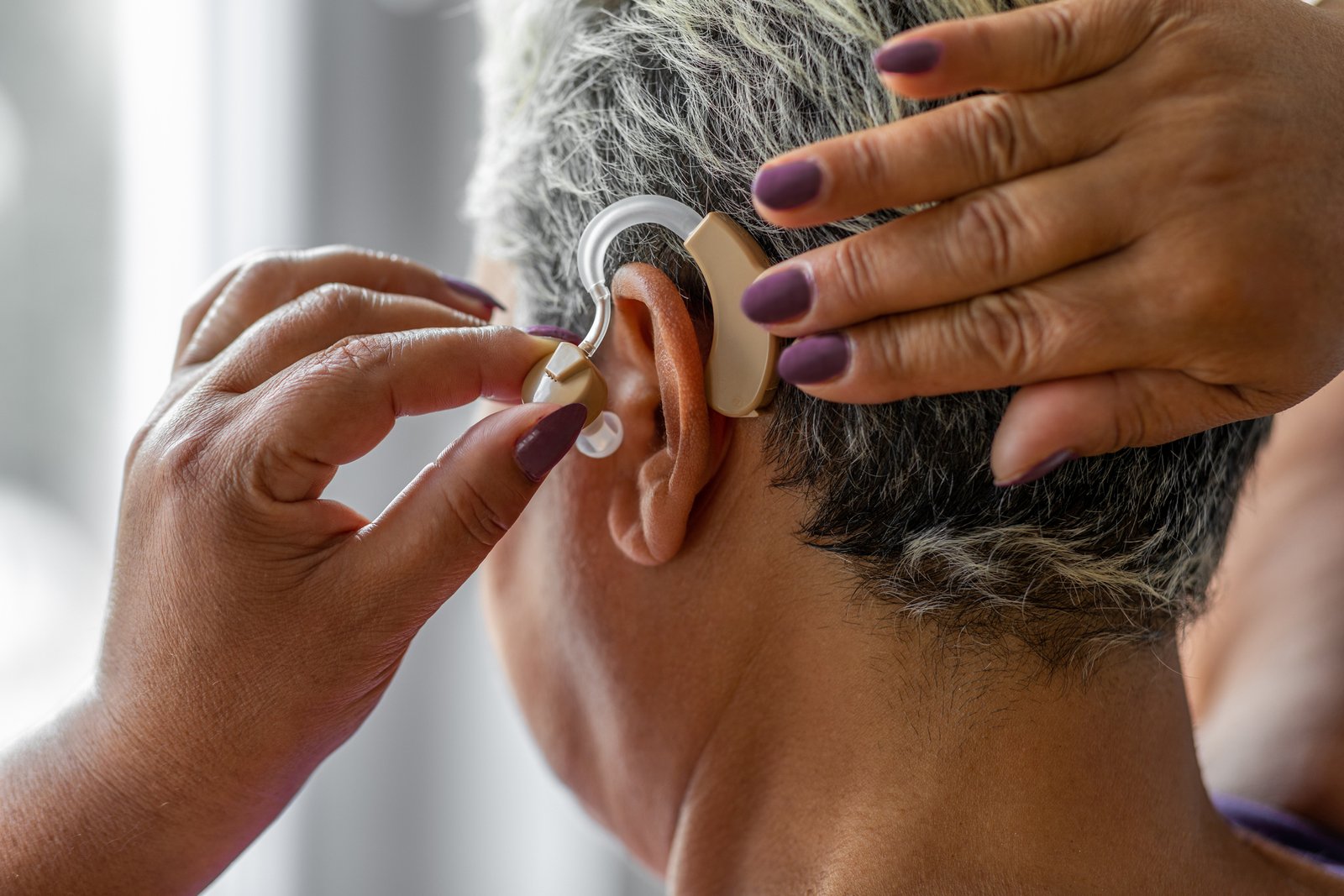
According to a new study, providing hearing aids to older generations and teaching them how to use the devices could help them maintain social connections, which often wane as time passes. The authors also say it could reduce increasing feelings of isolation many senior citizens experience.
Per a 2023 University of Michigan survey, 34% of adults between 50 and 80 years old feel isolated sometimes, while 37% feel a lack of companionship. And per the U.S. Census Bureau, nearly 3 in 10 adults 65 or above lived alone in 2022.
Experts have linked such isolation in part to hearing loss, which can interfere with communication and relationship building. Previous research suggests both loneliness and hearing loss are associated with depression, heart disease, and early death, among other concerns. But a 2023 report showed that hearing interventions may slow cognitive decline among those at highest risk for dementia.
Led by researchers at NYU Langone Health in New York City, the recent study found that participants treated for hearing loss retained one additional social connection on average over a three-year period, compared to participants who didn’t receive hearing therapies and were instead educated about healthy aging.
Plus, the scientists discovered that participants who received hearing aids had more diverse relationships, meaning networks with many different types of connections — including family members, friends, and acquaintances. They also fostered deeper, higher quality bonds.
“Our findings add to evidence that helping aging patients hear better can also enrich their social lives and boost their mental and physical well-being,” Nicholas Reed, lead author of the study and a member of the NYU Grossman School of Medicine’s Optimal Aging Institute, said in a press release.

The study, which involved nearly 1,000 men and women between 70 and 84 years old, is one of the largest to date to examine if hearing care can help prevent weakening of social networks. “Making sure people can continue engaging with their family and friends as they age is a critical part of maintaining their quality of life,” said co-principal investigator Josef Coresh.
The research team collected data about older adults with untreated hearing loss across four sites in Maryland, North Carolina, Minnesota, and Mississippi. Half of the participants received hearing aids, counseling sessions, and personalized instruction with an audiologist. They were also given tools (such as adaptors) that connect hearing aids to TVs.
The other half received instruction about exercise, strategies for communicating with health care providers, and other resources for healthy aging. To measure social isolation, the researchers evaluated how often participants spent time with others, the depth of their connections, the size and variety of their social networks, and the roles they played in them.
A 20-question scoring system was used to calculate loneliness, which evaluated how often the participants felt disconnected from those around them. Researchers first followed up six months later, and then every year for three years.
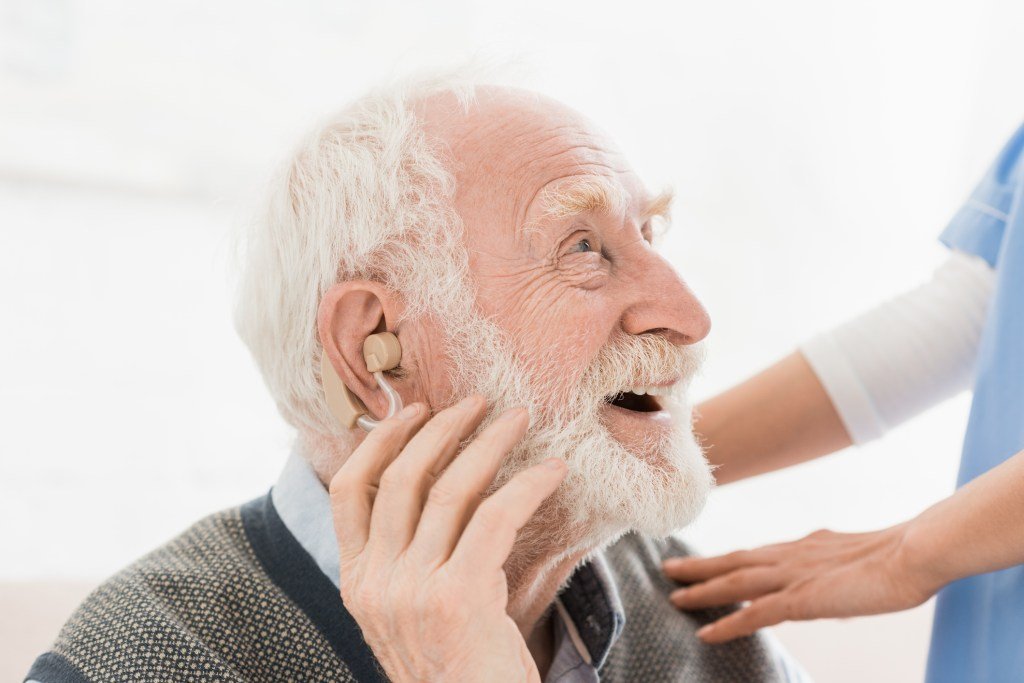
Before treatment, participants in both groups reported feeling equally lonely. But three years later, loneliness scores slightly improved among those who had received hearing care, while scores slightly worsened among those who didn’t.
Coresh says the research team plans to continue following the participants for another three years and to repeat the experiment with a more diverse group of people, as most of the patients in the original study were white.
He added: “These results support efforts to incorporate hearing aid coverage into Medicare as a means of addressing the nation’s social isolation epidemic, which is especially risky for the elderly.”
RELATED: Engaging in Meaningful Activities Can Reduce Loneliness, Study Finds
Research in social psychology has consistently demonstrated that acts of kindness and community service benefit not only the recipients but also the people who provide them. Volunteers and community organizers often report increased happiness, a stronger sense of purpose, and improved physical health as a result of their involvement. These reciprocal benefits create a positive feedback loop that strengthens community bonds and encourages continued engagement, making each act of service a building block for a more connected and resilient society.
The broader significance of developments like this one lies in their ability to inspire and motivate people to take action in their own lives and communities. Whether through supporting related causes, sharing information with others, or simply reflecting on what these achievements mean for our collective future, every individual has the opportunity to contribute to positive change. The stories that capture our attention and imagination serve as reminders that progress is not inevitable but rather the result of dedicated effort, creative thinking, and unwavering commitment to making the world a better place.
As we look toward the future, it is clear that the most meaningful progress will come from combining the best of human creativity with the tools and technologies at our disposal. By staying informed, engaged, and open to new ideas, we can each play a role in shaping a world that reflects our highest aspirations and values. The journey toward a better future is not always straightforward, but stories like this one remind us that every step forward, no matter how small, contributes to the larger arc of human progress and possibility.
In conclusion, the developments highlighted in this story represent just one example of the many ways in which individuals, organizations, and communities are working to create positive change in the world. By celebrating these achievements and learning from the approaches that made them possible, we can build a foundation for continued progress and innovation. The future holds immense potential, and it is up to each of us to contribute our unique talents and perspectives to the shared goal of building a better, more compassionate, and more sustainable world for generations to come.