This article was originally written by Stephen Beech for SWNS — the U.K.’s largest independent news agency, providing globally relevant original, verified, and engaging content to the world’s leading media outlets.
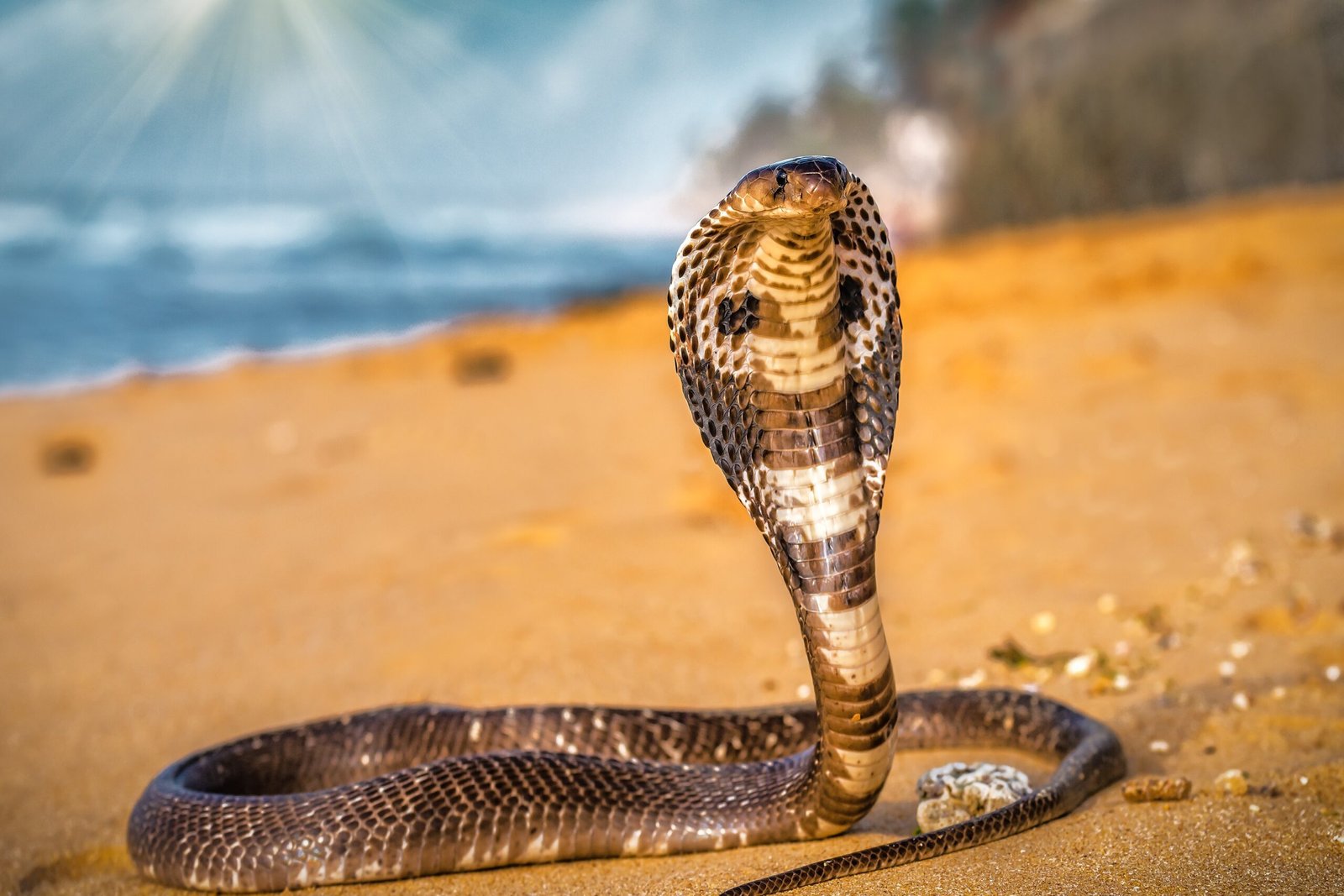
A revolutionary new antidote neutralizes the venom of 19 of the world’s deadliest snakesss (sorry, couldn’t help but hiss).
Scientists used antibodies from a human donor with a self-induced “hyper-immunity” to snake venom to develop “the most broadly effective antivenom to date,” per a news release. Publishing their work in the journal Cell, they tested the antivenom in mouse trials and found it neutralized the neurotoxins of deadly species like black mambas, king cobras, and tiger snakes. Further research is needed, but the findings could open the door to a universal antiserum.
How antivenom is made has not changed much over the past 100 years: It usually involves immunizing horses or sheep with venom from a single snake species and collecting the antibodies produced. While the method is effective, scientists say it can result in adverse reactions to the non-human antibodies, and treatments tend to be species and region-specific.
But while exploring ways to improve the process, a team of U.S. researchers came across an unlikely source of help: Tim Friede, a Wisconsin man who’d injected himself with various snakes’ venoms for almost two decades and thus generated antibodies that counteracted several snake neurotoxins.
“For a period of nearly 18 years, [he’d] undertaken hundreds of bites and self-immunizations with escalating doses from 16 species of very lethal snakes that would normally kill a horse,” explained study co-author Jacob Glanville, CEO of Centivax, a company developing broad-spectrum vaccines.
He added, “What was exciting about the donor was his once-in-a-lifetime unique immune history. Not only did he potentially create these broadly neutralizing antibodies, in this case, it could give rise to a broad-spectrum or universal antivenom.”
To build the antivenom, the research team first created a testing panel with 19 of the World Health Organization’s category 1 and 2 deadliest snakes from the elapid family — a group which contains roughly half of all venomous species, including coral snakes, mambas, cobras, taipans, and kraits.
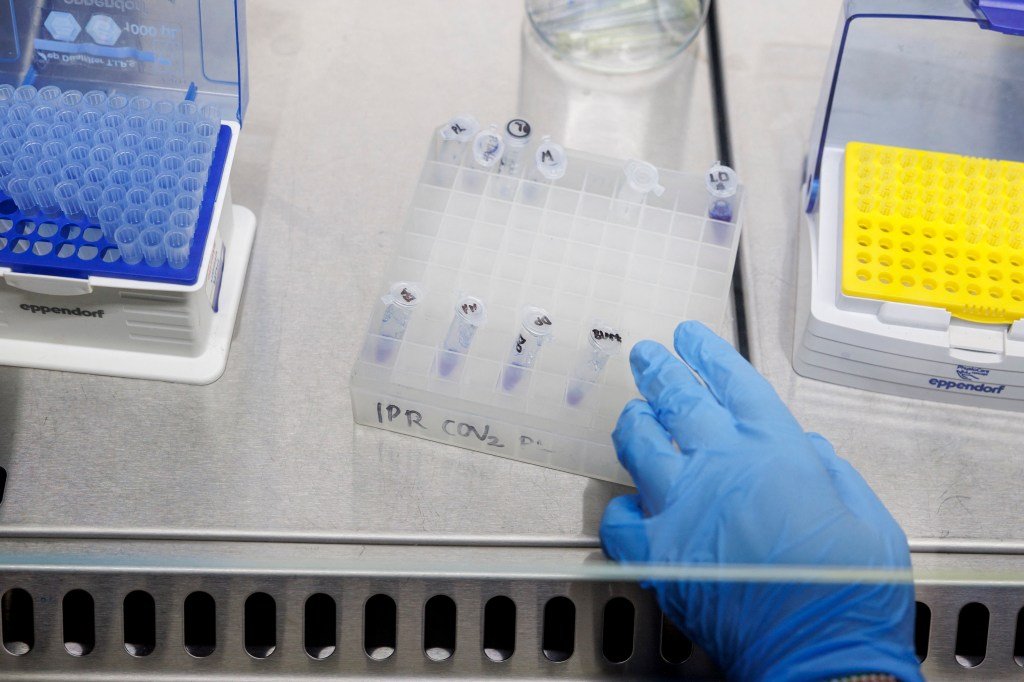
The researchers then isolated target antibodies from the donor’s blood that reacted with neurotoxins found within the snake species tested. One by one, the antibodies were tested in mice envenomated by each species included in the panel. Using that method, scientists could systematically build a “cocktail” consisting of a minimum but sufficient number of components to render all the venoms ineffective.
They formulated a mixture with three major components: two antibodies isolated from the donor and a small molecule.
The first donor antibody, called LNX-D09, protected mice from a lethal dose of whole venom from six of the snake species. The researchers then added the small molecule varespladib, a known toxin inhibitor, which granted protection against an additional three species. Finally, they added a second antibody isolated from the donor, called SNX-B03, which extended protection across the full panel.
“By the time we reached three components, we had a dramatically unparalleled breadth of full protection for 13 of the 19 species and then partial protection for the remaining that we looked at,” Glanville said. “We were looking down at our list and thought, ‘What’s that fourth agent?’ And if we could neutralize that, do we get further protection?”
Even without a fourth agent, the results suggest that the three-part cocktail could be effective against many other, if not most, snakes not tested in the study, he said. With the antivenom cocktail proving effective in mouse models, the team is now looking to test its efficacy out in the field, first by providing it to dogs brought into veterinary clinics for snake bites in Australia.
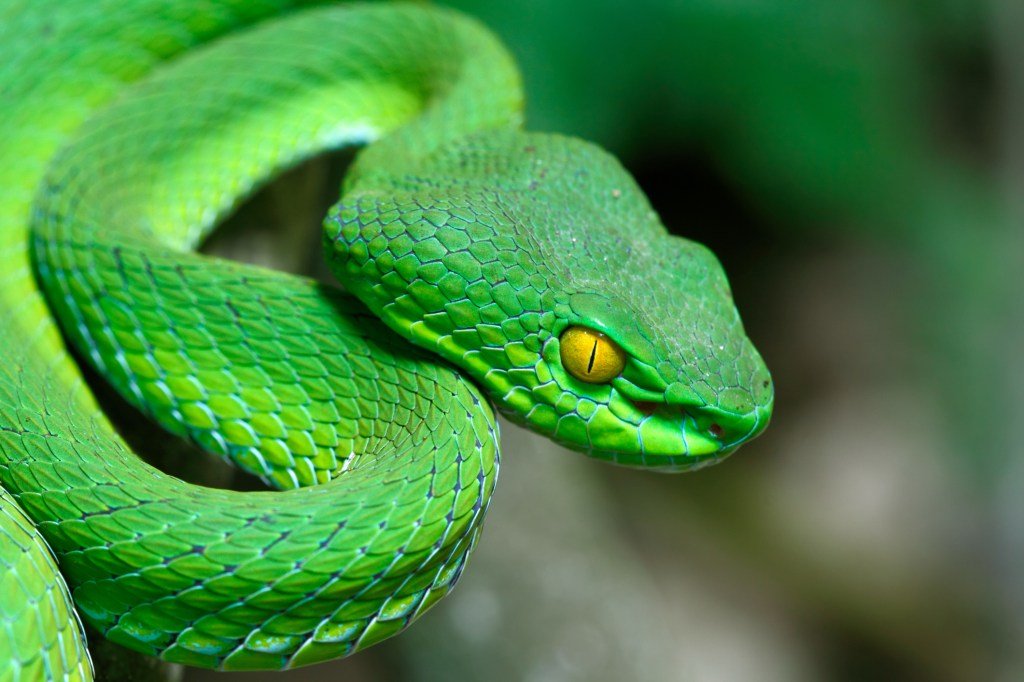
They also want to develop an antivenom that targets the other major snake family: vipers. “We’re turning the crank now, setting up reagents to go through this iterative process of saying what’s the minimum sufficient cocktail to provide broad protection against venom from the viperids,” explained lead author Peter Kwong, a professor in Columbia University’s Department of Biochemistry and Molecular Biophysics.
He added: “The final contemplated product would be a single, pan-antivenom cocktail, or we potentially would make two: one that is for the elapids and another that is for the viperids because some areas of the world only have one or the other.”
The other big goal is to approach foundations, governments, and pharmaceutical firms to support the manufacturing and clinical development of the broad-spectrum antivenom.
“This is critical,” said Glanville, “because although there are millions of snake envenomations per year, the majority of those are in the developing world, disproportionately affecting rural communities.”
RELATED: Geckos, Orchids, and Snakes, Oh My: Scientists Discover 380 New Species in Southeast Asia
The implications of this discovery extend across multiple scientific disciplines, opening new avenues for research and collaboration. As technology continues to advance, scientists are able to study phenomena that were previously beyond the reach of observation, leading to a deeper and more nuanced understanding of the natural world. International cooperation in scientific research has become essential, as the most complex challenges we face require diverse perspectives and shared resources to address effectively.
Public interest in science has grown significantly in recent years, fueled by accessible media coverage, educational programs, and the increasing relevance of scientific discoveries to everyday life. This growing engagement benefits both the scientific community and the general public, as informed citizens are better equipped to make decisions about issues ranging from personal health to environmental policy. Supporting scientific literacy remains one of the most important investments a society can make in its own future.
Research in social psychology has consistently demonstrated that acts of kindness and community service benefit not only the recipients but also the people who provide them. Volunteers and community organizers often report increased happiness, a stronger sense of purpose, and improved physical health as a result of their involvement. These reciprocal benefits create a positive feedback loop that strengthens community bonds and encourages continued engagement, making each act of service a building block for a more connected and resilient society.
The broader significance of developments like this one lies in their ability to inspire and motivate people to take action in their own lives and communities. Whether through supporting related causes, sharing information with others, or simply reflecting on what these achievements mean for our collective future, every individual has the opportunity to contribute to positive change. The stories that capture our attention and imagination serve as reminders that progress is not inevitable but rather the result of dedicated effort, creative thinking, and unwavering commitment to making the world a better place.
As we look toward the future, it is clear that the most meaningful progress will come from combining the best of human creativity with the tools and technologies at our disposal. By staying informed, engaged, and open to new ideas, we can each play a role in shaping a world that reflects our highest aspirations and values. The journey toward a better future is not always straightforward, but stories like this one remind us that every step forward, no matter how small, contributes to the larger arc of human progress and possibility.