This article was written by Sara Pezeshk, a postdoctoral fellow at Florida International University, and Shahin Vassigh, a professor of architecture at Florida International University, for The Conversation — a nonprofit news organization dedicated to sharing the knowledge of researchers and scientists, under a Creative Commons license. Read the original article here.
Morningside Park, a beloved neighborhood park in Miami with sweeping views of Biscayne Bay, will soon pilot an innovative approach to coastal resilience.
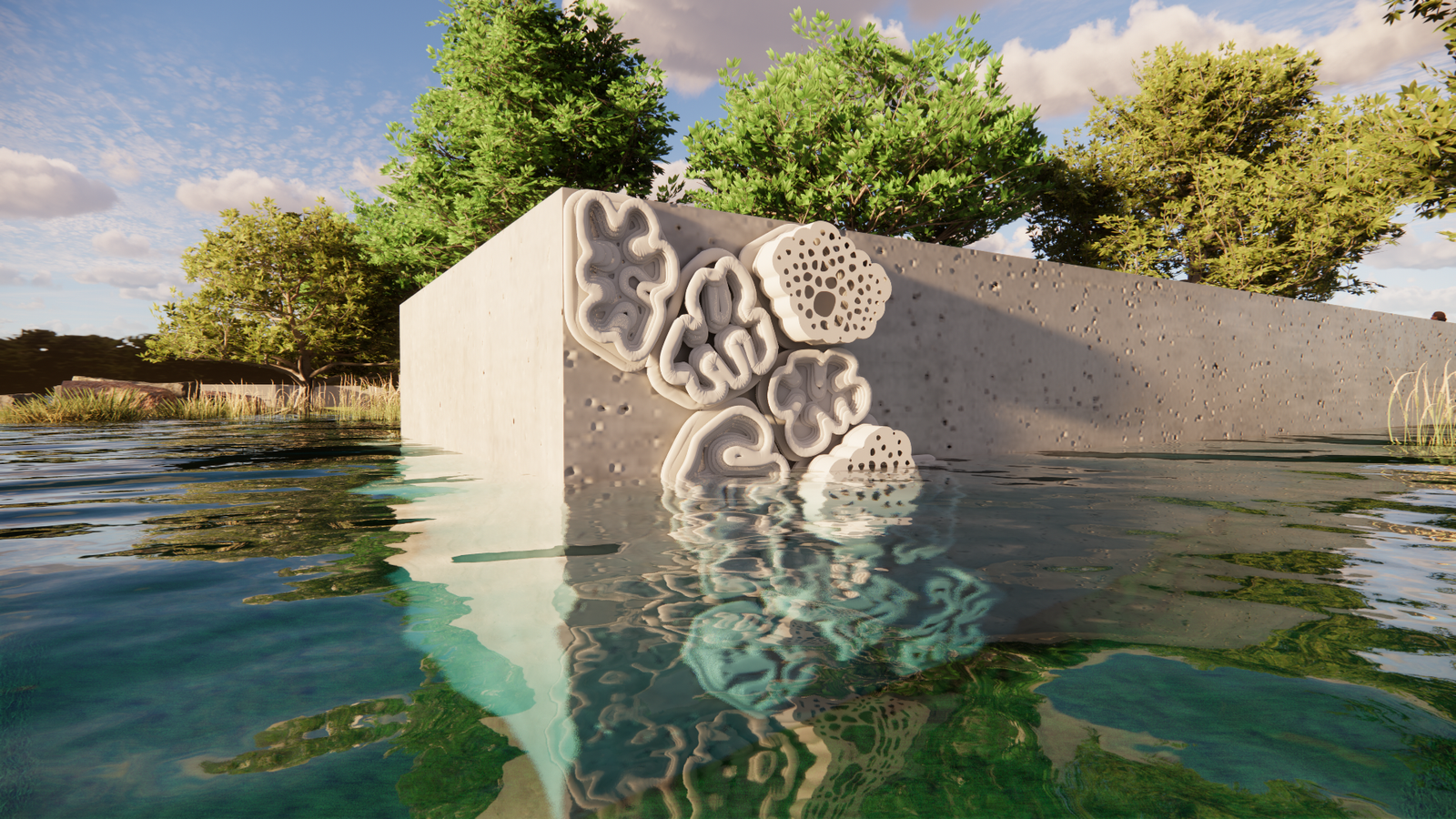
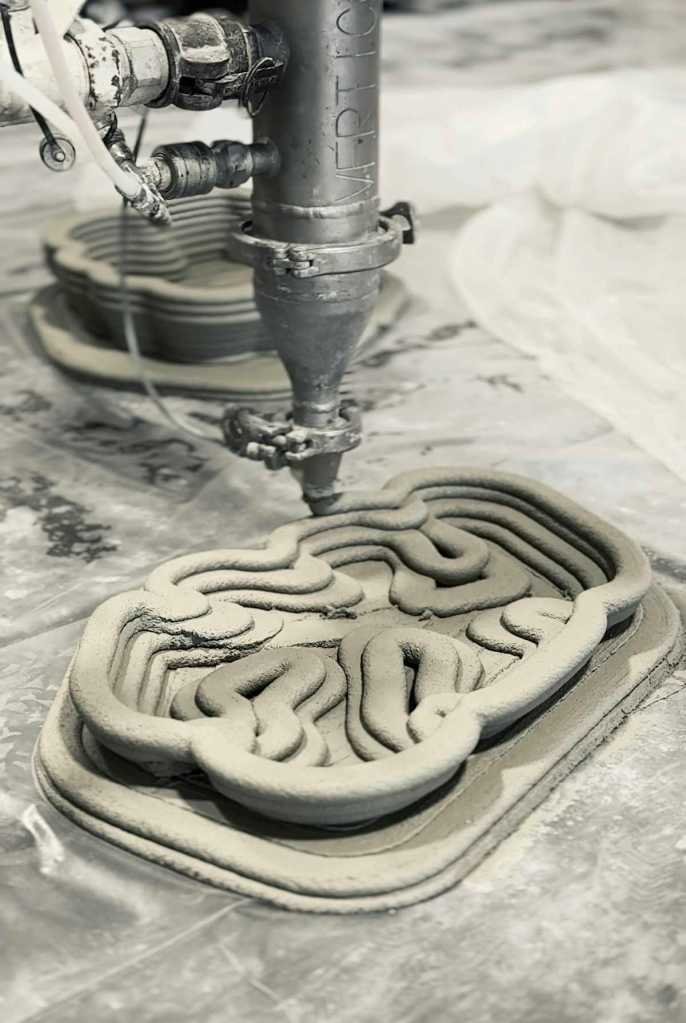
BIOCAP tiles, a 3D-printed modular system designed to support marine life and reduce wave impact along urban seawalls, will be installed on the existing seawall there in spring 2025. BIOCAP stands for Biodiversity Improvement by Optimizing Coastal Adaptation and Performance.
Developed by our team of architects and marine biologists at Florida International University, the uniquely textured prototype tiles are designed to test a new approach for helping cities such as Miami adapt to rising sea levels while simultaneously restoring ecological balance along their shorelines.
The project receives funding from the National Science Foundation and the Environmental Protection Agency.
Ecological Costs of Traditional Seawalls
Seawalls have long served as a primary defense against coastal erosion and storm surges. Typically constructed of concrete and ranging from 6 to 10 feet in height, they are built along shorelines to block waves from eroding the land and flooding nearby urban areas.
However, they often come at an ecological cost. Seawalls disrupt natural shoreline dynamics and can wipe out the complex habitat zones that marine life relies on.
Marine organisms are crucial in maintaining coastal water quality by filtering excess nutrients, pollutants and suspended particles. A single adult oyster can filter 20-50 gallons of water daily, removing nitrogen, phosphorus and solids that would otherwise fuel harmful algal blooms. These blooms deplete oxygen levels and damage marine ecosystems.
Filter-feeding organisms also reduce turbidity, which is the cloudiness of water caused by suspended sediment and particles. Less water turbidity means more light can penetrate, which benefits seagrasses that require sunlight for photosynthesis. These seagrasses convert carbon dioxide into oxygen and energy-rich sugars while providing essential food and habitat for diverse marine species.
Swirling Shapes, Shaded Grooves
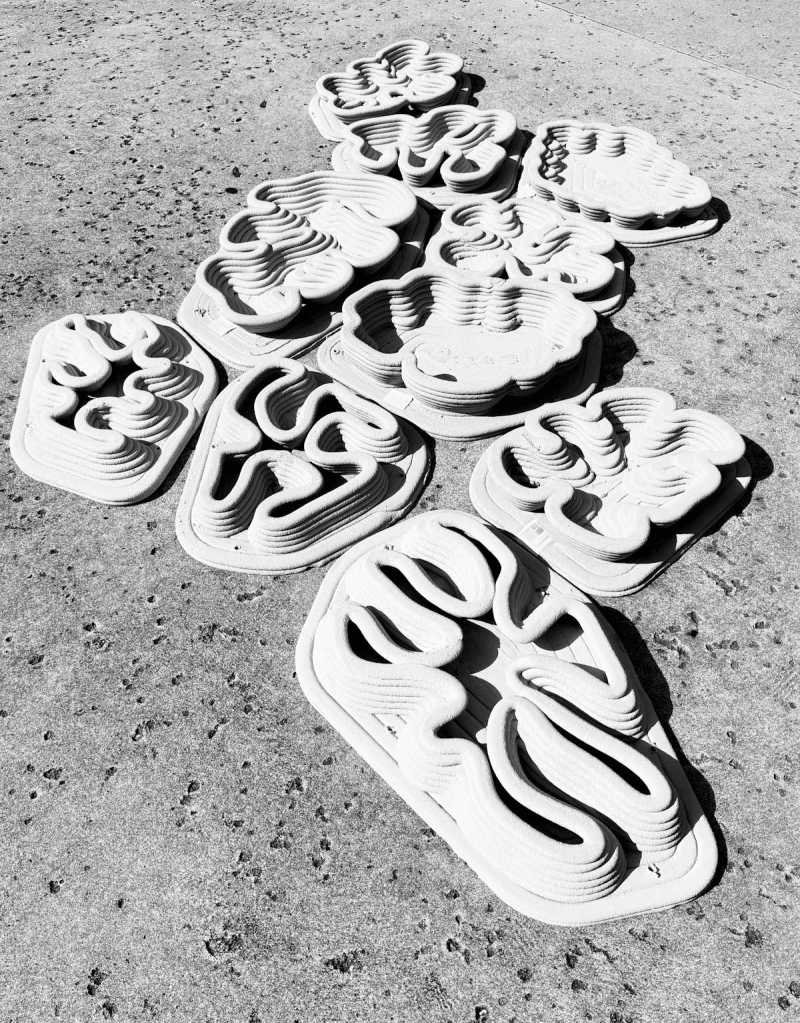
Unlike the flat, lifeless surfaces of typical concrete seawalls, each BIOCAP tile is designed with shaded grooves, crevices and small, water-holding pockets. These textured features mimic natural shoreline conditions and create tiny homes for barnacles, oysters, sponges and other marine organisms that filter and improve water quality.
The tile’s swirling surface patterns increase the overall surface area, offering more space for colonization. The shaded recesses are intended to help regulate temperature by providing cooler, more stable microenvironments. This thermal buffering can support marine life in the face of rising water temperatures and more frequent heat events driven by climate change.
Another potential benefit of the tiles is reducing the impact of waves.
When waves hit a natural shoreline, their energy is gradually absorbed by irregular surfaces, tide pools and vegetation. In contrast, when waves strike vertical concrete seawalls, the energy is reflected back into the water rather than absorbed. This wave reflection — the bouncing back of wave energy — can amplify wave action, increase erosion at the base of the wall and create more hazardous conditions during storms.
The textured surfaces of the BIOCAP tiles are designed to help diffuse wave energy by mimicking the natural dissipation found on undisturbed shorelines.
The design of BIOCAP takes cues from nature. The tile shapes are based on how water interacts with different surfaces at high tide and low tide. Concave tiles, which curve inward, and convex tiles, which curve outward, are installed at different levels along the seawall. The goal is to deflect waves away from the seawall, reduce direct impact and help minimize erosion and turbulence around the wall’s foundation.
How We Will Measure Success
After the BIOCAP tiles are installed, we plan to assess how the seawall redesign enhances biodiversity, improves water quality and reduces wave energy. This two-year pilot phase will help assess the long-term value of ecologically designed infrastructure.
To evaluate biodiversity, we will use underwater cameras to capture time-lapse imagery of the marine life that colonizes the tile surfaces. These observations will aid in documenting species diversity and habitat use over time.
To assess water quality, we have developed a specialized prototype tile with sensors that can measure pH, dissolved oxygen levels, salinity, turbidity and temperature in real time. This data will provide insight into how the tiles affect local water conditions.
Finally, to measure wave attenuation and the reduction of wave force, we will mount pressure sensors on both the BIOCAP tiles and the adjacent traditional seawall sections. This comparison will allow us to quantify differences in wave energy across varying tidal conditions and storm events.
As coastal cities confront the dual challenges of increasing threats from climate change and environmental degradation, the BIOCAP project offers what we hope will be an example of a resilient, nature-based solution that benefits both humans and the environment.
In the coming year, we’ll be watching with hope as the new BIOCAP tiles begin to welcome marine life, offering a glimpse into how nature might reclaim and thrive along our urban shorelines.
RELATED: “Vibrant Ecosystems”: California Oil Rigs Are Unlikely Oases for Billions of Marine Creatures
Experts in the field have noted that discoveries like this one are part of a broader trend toward more personalized and preventive healthcare. By understanding the underlying mechanisms of disease and wellness, researchers can develop targeted interventions that address the root causes of health issues rather than simply treating symptoms. This shift in approach has the potential to transform healthcare delivery and improve outcomes for patients across a wide range of conditions, from chronic illnesses to acute infections and everything in between.
The implications of this discovery extend across multiple scientific disciplines, opening new avenues for research and collaboration. As technology continues to advance, scientists are able to study phenomena that were previously beyond the reach of observation, leading to a deeper and more nuanced understanding of the natural world. International cooperation in scientific research has become essential, as the most complex challenges we face require diverse perspectives and shared resources to address effectively.
Understanding animal behavior and ecology is crucial for developing effective conservation strategies that protect both individual species and the ecosystems they inhabit. Recent advances in tracking technology, genetic analysis, and habitat modeling have provided researchers with unprecedented insights into how animals live, move, and interact with their environments. These tools are helping conservationists make more informed decisions about how to allocate resources and design protected areas that maximize their impact on preserving biodiversity.
Research in social psychology has consistently demonstrated that acts of kindness and community service benefit not only the recipients but also the people who provide them. Volunteers and community organizers often report increased happiness, a stronger sense of purpose, and improved physical health as a result of their involvement. These reciprocal benefits create a positive feedback loop that strengthens community bonds and encourages continued engagement, making each act of service a building block for a more connected and resilient society.
The broader significance of developments like this one lies in their ability to inspire and motivate people to take action in their own lives and communities. Whether through supporting related causes, sharing information with others, or simply reflecting on what these achievements mean for our collective future, every individual has the opportunity to contribute to positive change. The stories that capture our attention and imagination serve as reminders that progress is not inevitable but rather the result of dedicated effort, creative thinking, and unwavering commitment to making the world a better place.
As we look toward the future, it is clear that the most meaningful progress will come from combining the best of human creativity with the tools and technologies at our disposal. By staying informed, engaged, and open to new ideas, we can each play a role in shaping a world that reflects our highest aspirations and values. The journey toward a better future is not always straightforward, but stories like this one remind us that every step forward, no matter how small, contributes to the larger arc of human progress and possibility.