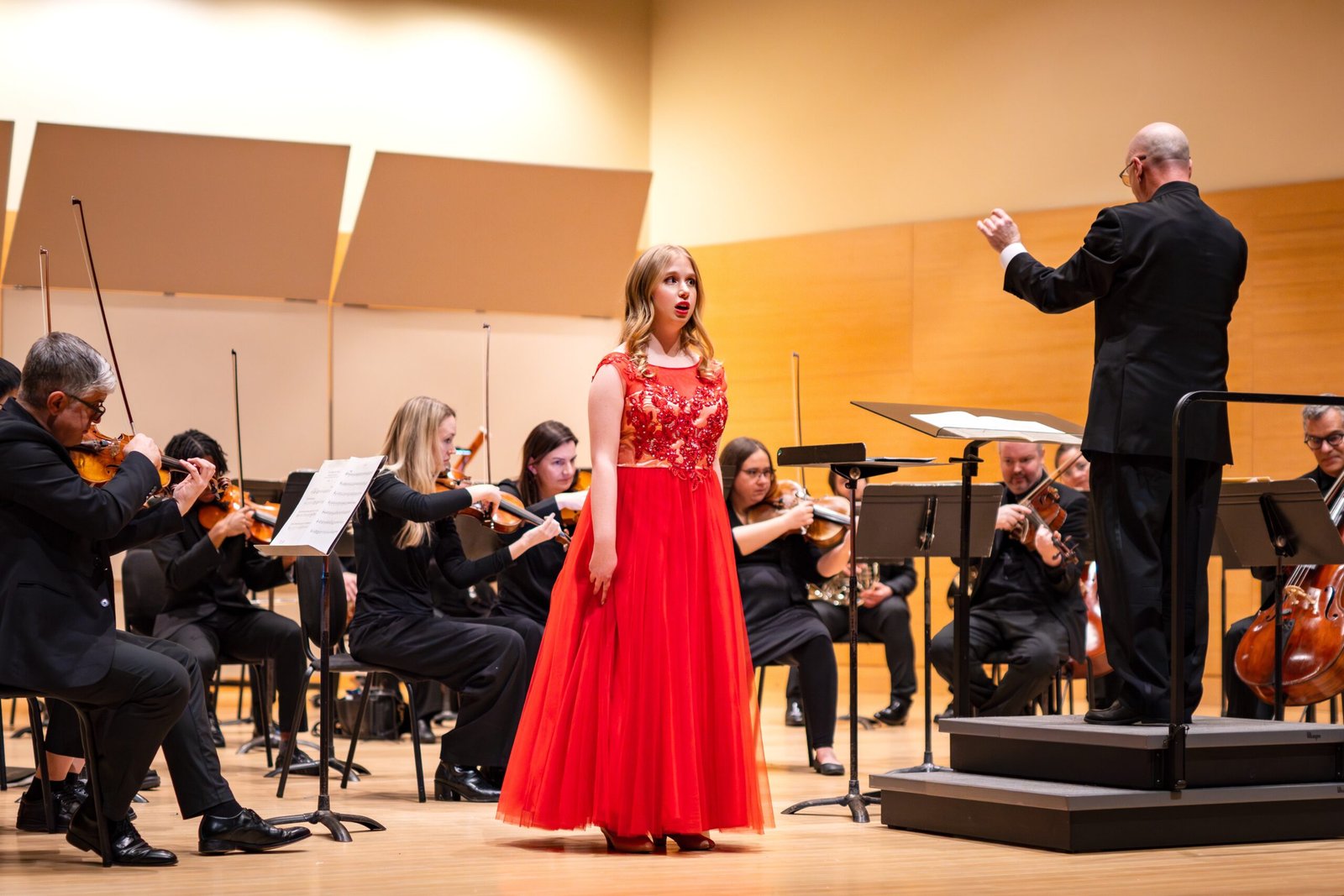
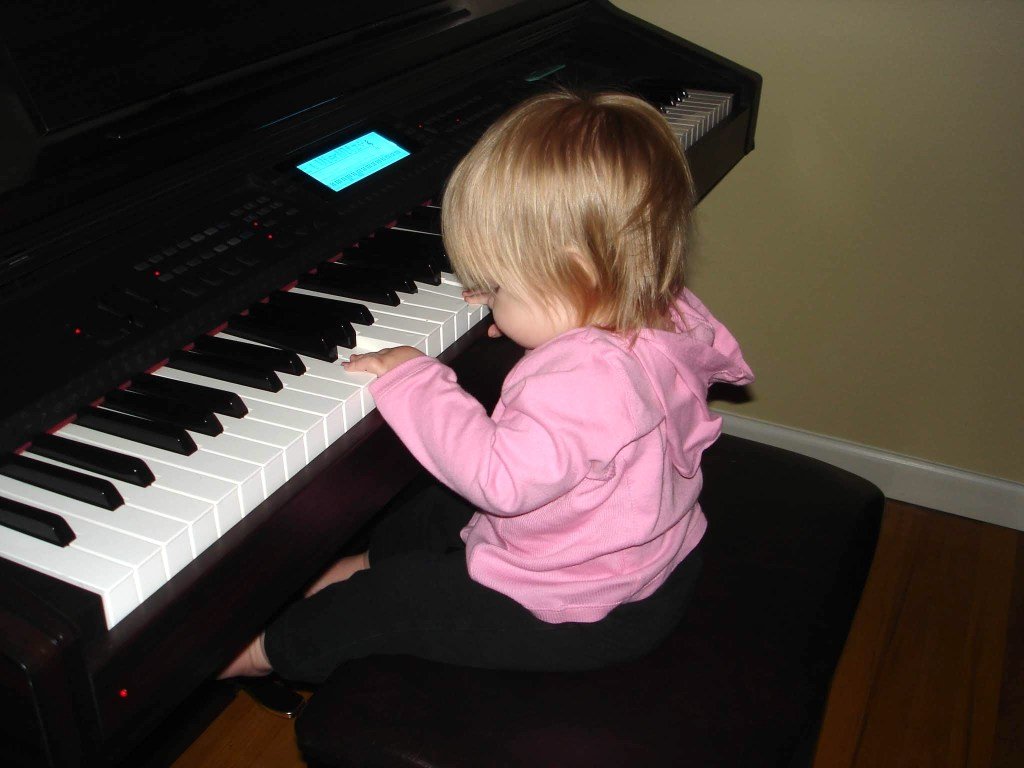
Holly Connor has always stood out from the crowd. At 2 years old, the age many little ones are just starting to bop along to the beat of a song, Connor could play any tune by ear on the piano. By 3, she was matching notes with perfect pitch. And at 4, she surprised her parents by belting out a Lisa Loeb track with full vibrato. Connor was also born blind, and she was diagnosed with autism as a toddler.
Fast forward to today, and the 20-year-old has over 100 performances under her belt, taking to the stage in plays, musicals, operas, revues, and more. She’s sung the national anthem at a number of sporting events, including a Chicago White Sox game last summer, and she recently sang a selection of songs and accompanied herself on piano at the Missouri History Museum.
“Music is my superpower,” Connor told Nice News, adding: “Performing has always made me very, very happy.”
Part of that superpower is having instant memory, which she describes as the ability to hear something once “and just ‘boom,’ it gets into your head forever.” It’s an attribute that comes into play in multiple areas of her life, including her college career. A sophomore at Webster University in St. Louis, Connor is pursuing a bachelor’s degree in vocal performance and minoring in Spanish — while also learning French, German, and Italian.
“It’s not just music,” her mom, Katie Sears, shared, noting that the recall applies to “math, choreography, essentially anything she hears or learns once.” Sears is her daughter’s full-time support system, acting as her sighted guide at school. Connor reads Braille and has light and movement perception, but requires assistance getting around the campus. Her mom’s taking much more of a back seat this year than last, however.
“Now she has so many friends, I literally just get her in the class and then I just sit outside of it in case they need me,” Sears explained.

Her talents may be plenty, but Connor’s passion for the arts is clearly what drives her. Though her capacity for and connection to music emerged early on, she says she didn’t get bit by the performing bug until age 10. That summer, she attended a camp offering music therapy, and it was there, while singing “Do-Re-Mi” from The Sound of Music, that she realized the stage was the place for her.
After graduation, Connor plans to pursue a career as a guest soloist for symphony orchestras, sitting in with them to play a piano concerto or sing an aria, for example. And she hopes to help others unlock the same joy that she derives through music and self-expression, not only as a role model, but also by working with young people directly.
She currently works part-time for an organization that provides music therapy to individuals with all types of disabilities. “I co-teach,” Connor shared. “I play the piano and I sing various songs and I help them through various activities, like movement. And the kids kind of engage by playing various instruments.”
Her advice for others with big dreams? “Keep doing what you’re doing,” she said. “Follow your path and never give up.”
Stories like this remind us of the power of human ingenuity and compassion. In a world where headlines are often dominated by negativity, it is refreshing to see developments that inspire hope and positive change. The story behind holly connor is blind, autistic, and inspiring others: “music is my superpower” is one that resonates with people across different backgrounds and cultures, highlighting the universal desire for progress and connection.
Medical breakthroughs continue to reshape our understanding of human health. Researchers around the world are collaborating on innovative treatments and preventive measures that could improve the quality of life for millions of people. From advanced diagnostic tools to personalized medicine, the healthcare landscape is evolving at a remarkable pace. These developments are not just about extending lifespans but also about enhancing the daily well-being of individuals living with chronic conditions or facing new health challenges.
Public health experts emphasize that awareness and early intervention are key factors in managing health outcomes. Community health programs, educational initiatives, and accessible healthcare services play a vital role in ensuring that advancements reach the people who need them most. The integration of technology into healthcare delivery has also opened new possibilities for remote monitoring, telemedicine consultations, and data-driven treatment plans that can be tailored to individual needs.
Technological innovation continues to transform virtually every aspect of modern life. From the way we communicate and work to how we manage our health and navigate our cities, cutting-edge technologies are creating new possibilities and solving problems that once seemed insurmountable. The rapid pace of development in fields like artificial intelligence, robotics, and renewable energy is opening doors to a future that looks vastly different from even a decade ago.
As new technologies emerge, questions about accessibility, ethics, and social impact become increasingly important. Ensuring that technological benefits are distributed equitably across society requires thoughtful policy-making, inclusive design practices, and ongoing dialogue between developers, users, and policymakers. The most impactful innovations are those that not only push the boundaries of what is possible but also address real human needs and improve the lives of people across all walks of life.
Art and creative expression have always played a fundamental role in how we process emotions, communicate ideas, and build connections across cultures. Whether through visual arts, music, literature, or performance, creative works have the power to inspire, challenge, and heal. In an increasingly digital world, artists are finding new ways to reach audiences and create experiences that bridge traditional and contemporary forms of expression.
Supporting the arts through public funding, community spaces, and educational programs is essential for maintaining a vibrant cultural landscape. Studies have consistently shown that engagement with the arts improves mental health, enhances cognitive abilities, and strengthens community bonds. By valuing and investing in creative endeavors, societies foster innovation, empathy, and a sense of shared identity that enriches the lives of all their members.
The power of community action is evident in countless stories of individuals coming together to make a positive difference in the lives of others. Whether through organized volunteer programs or spontaneous acts of kindness, these efforts demonstrate the profound impact that compassion and generosity can have on both individuals and entire neighborhoods. Research has consistently shown that communities with strong social connections experience better health outcomes, lower crime rates, and greater overall life satisfaction.
Building stronger communities requires intentional effort and ongoing commitment from people of all ages and backgrounds. Mentorship programs, neighborhood gatherings, and collaborative projects create opportunities for meaningful connection and mutual support. In an era where digital communication often replaces face-to-face interaction, the importance of fostering genuine human connections through community engagement has never been more apparent or more necessary.
Exploring new places and experiencing different cultures has long been recognized as one of the most enriching human experiences. Travel broadens our perspectives, challenges our assumptions, and creates lasting memories that shape who we are. From historic landmarks and natural wonders to vibrant urban centers and quiet rural retreats, every destination offers unique opportunities for discovery and personal growth that cannot be replicated through any other means.
Responsible tourism has become an important consideration as more people travel the globe. Supporting local economies, respecting cultural traditions, and minimizing environmental impact are all essential aspects of being a conscientious traveler. Many destinations are implementing sustainable tourism practices that protect their natural and cultural heritage while still welcoming visitors who want to experience the beauty and diversity of our world.
Looking ahead, developments like the one described in this story offer a glimpse into a future filled with possibility and positive change. While challenges certainly remain, the creativity, determination, and compassion demonstrated by the individuals and organizations involved serve as a powerful reminder that progress is always within reach when people are willing to work together toward a common goal.
As we continue to navigate the complexities of modern life, stories like these provide both inspiration and practical examples of how innovation, kindness, and perseverance can make a real difference. By sharing and celebrating these achievements, we not only honor the efforts of those involved but also encourage others to pursue their own ideas for creating positive change in their communities and beyond.
RELATED: Founded by 2 Sisters-in-Law, Lip Balm Brand Beauty by Jenna Aims to Empower Adults With Autism