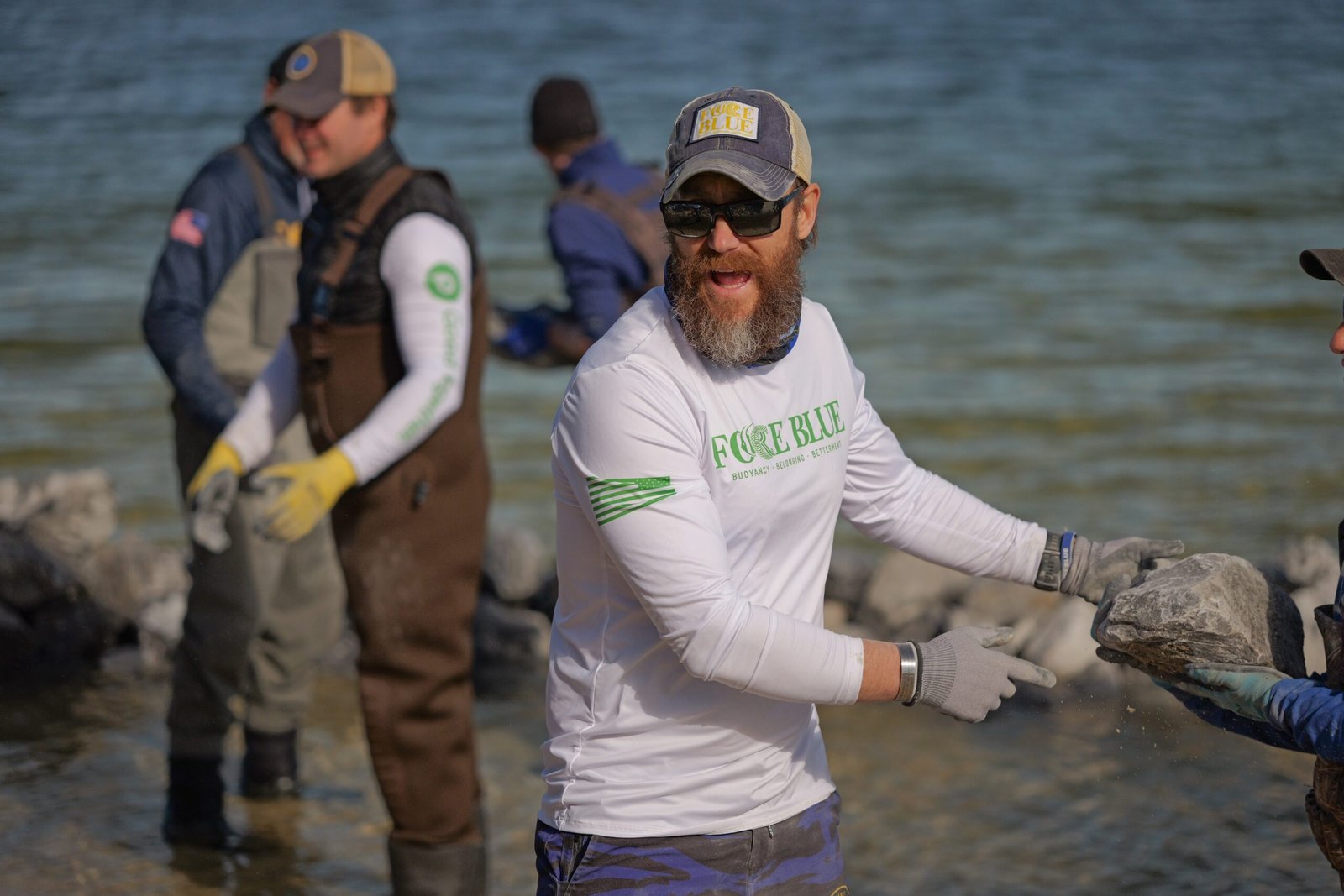
After 25 years of service as a combat rescue officer in the Air Force, Brian Gebo recently embarked on a different kind of mission — this one involving sea turtles.
“There is nothing like diving in to wrangle your first 350-pound loggerhead, bring it to the surface and load onto the boat to test, tag, and document before releasing back into the water,” Gebo said in an interview with Nice News.
That assignment, in which the 47-year-old and his teammates helped track loggerhead and green sea turtles in the Key West National Marine Sanctuary, is one of many the veteran has tackled as part of Force Blue, a nonprofit that spearheads marine conservation missions. The organization recruits, retrains, and redeploys highly skilled volunteer special operations forces veterans, which not only benefits the environment, but also serves as “mission therapy” during their transition to civilian life.
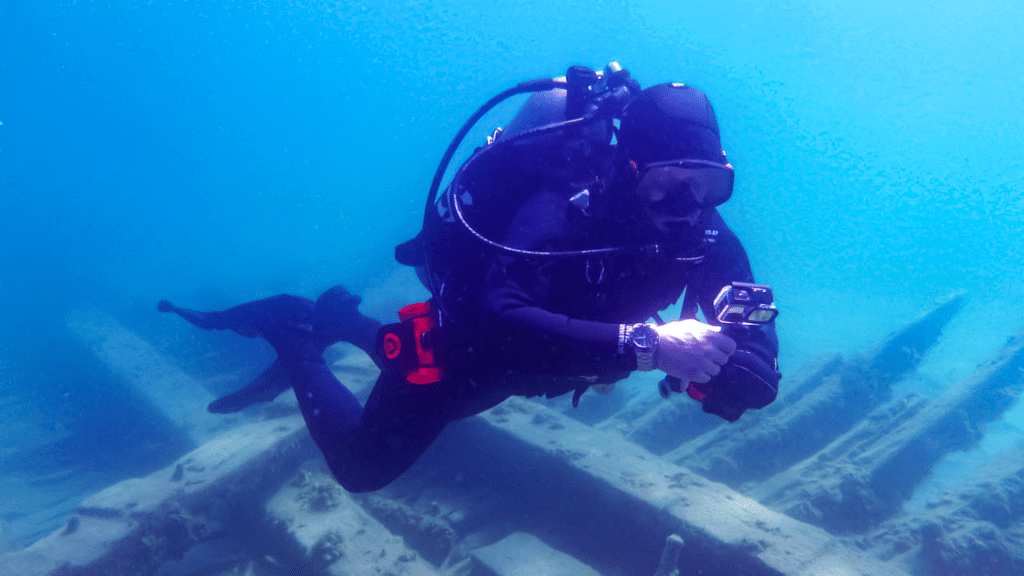
“Like our director of diving operations, Angelo Fiore, says, in the military, we were weapons of mass destruction, but now through Force Blue, we are weapons of mass construction,” Gebo shared.
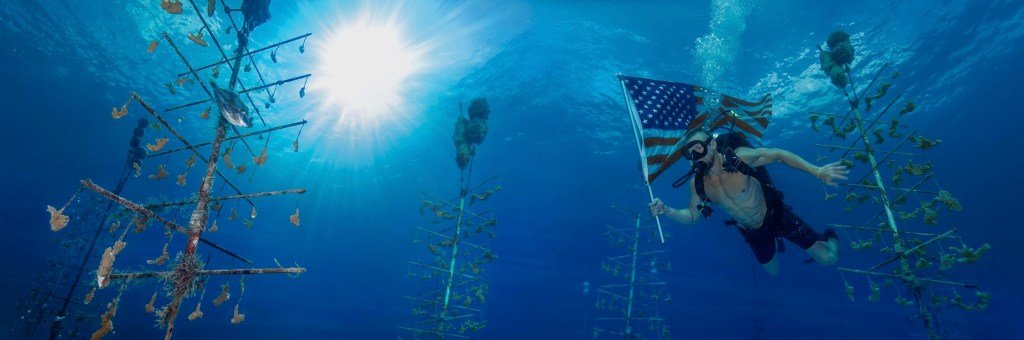
In his brief time with the organization, he’s worked on everything from replanting coral in the decimated part of a reef to conducting shipwreck surveys and laying 100 tons of recycled oyster shells to protect bays — and he stresses that a typical day is “far from typical.” After participating in an internship with the National Association of Underwater Instructors during his retirement transition earlier this year, Gebo connected with leaders at Force Blue and received an offer to train with coral restoration experts through the nonprofit.
“It was quite serendipitous how I came to join Force Blue,” Gebo said, adding: “It’s an absolute dream come true.”
For many of the volunteers, having a chance to serve again in a positive way helps ease some of the common challenges of adjusting to civilian life, which include finding a community and creating structure in their lives. Making good use of their skills and training can offer vets a lifeboat — a concept the nonprofit calls “buoyancy,” and one that Gebo wholeheartedly embraces.
“After our military careers within special operations, we all come away with some baggage, demons, or dark thoughts, and like the rising tide lifts all boats, so does Force Blue give me something positive to embrace and lift me out of those difficult times,” Gebo said. “Belonging to a team again, and coming together to share, joke, and have a mission provides a real sense of purpose.”
Force Blue creates an environment that makes it easy to find that belonging. Team members reunite at a shared house the day before a mission to conduct briefings, share stories, and go on grocery runs. “The camaraderie that happens at the team house brings us together in a way that lets us all know that we have each other’s backs and we’re still one team,” Gebo said.
It’s clear just how much respect he has for his Force Blue comrades, calling them a “high-performing team” of individuals who carry “the same passion to make a positive difference.” And when it comes to putting that passion into practice, one of Gebo’s favorite elements is interacting with local communities to share his team’s conservation work.
“I find it so rewarding to be an ambassador for positive, local action and to discuss our projects with them and how each person in the community can also contribute to help the marine environment,” he said. “Seeing a kid make the connection between how our lives and activities on shore can have a pronounced and direct impact on our oceans and waterways is extremely fulfilling and lets me know our future is in good hands.”
Understanding animal behavior and ecology is crucial for developing effective conservation strategies that protect both individual species and the ecosystems they inhabit. Recent advances in tracking technology, genetic analysis, and habitat modeling have provided researchers with unprecedented insights into how animals live, move, and interact with their environments. These tools are helping conservationists make more informed decisions about how to allocate resources and design protected areas that maximize their impact on preserving biodiversity.
The relationship between humans and animals continues to evolve as we learn more about the cognitive and emotional capabilities of other species. Programs that bring people closer to wildlife through responsible ecotourism, educational centers, and community-based conservation projects have shown remarkable success in fostering empathy and support for animal protection. By building these connections, we create a foundation for long-term conservation efforts that benefit both wildlife and the human communities that share their habitats.
Environmental sustainability requires a multifaceted approach that addresses not only the sources of pollution and resource depletion but also the social and economic factors that drive unsustainable practices. Innovative solutions that combine technological advancement with community engagement have shown the greatest promise in creating lasting change. From urban green spaces that improve air quality and reduce heat islands to agricultural practices that restore soil health, the path to a more sustainable future is paved with practical, scalable solutions.
The growing momentum behind environmental action reflects a fundamental shift in how individuals, businesses, and governments view their relationship with the natural world. Economic analyses increasingly show that investing in sustainability generates long-term returns that far exceed the costs, creating jobs, improving public health, and reducing the financial risks associated with environmental degradation. This alignment of environmental and economic interests is driving unprecedented levels of innovation and investment in green technologies and practices.
Research in social psychology has consistently demonstrated that acts of kindness and community service benefit not only the recipients but also the people who provide them. Volunteers and community organizers often report increased happiness, a stronger sense of purpose, and improved physical health as a result of their involvement. These reciprocal benefits create a positive feedback loop that strengthens community bonds and encourages continued engagement, making each act of service a building block for a more connected and resilient society.
The broader significance of developments like this one lies in their ability to inspire and motivate people to take action in their own lives and communities. Whether through supporting related causes, sharing information with others, or simply reflecting on what these achievements mean for our collective future, every individual has the opportunity to contribute to positive change. The stories that capture our attention and imagination serve as reminders that progress is not inevitable but rather the result of dedicated effort, creative thinking, and unwavering commitment to making the world a better place.
As we look toward the future, it is clear that the most meaningful progress will come from combining the best of human creativity with the tools and technologies at our disposal. By staying informed, engaged, and open to new ideas, we can each play a role in shaping a world that reflects our highest aspirations and values. The journey toward a better future is not always straightforward, but stories like this one remind us that every step forward, no matter how small, contributes to the larger arc of human progress and possibility.