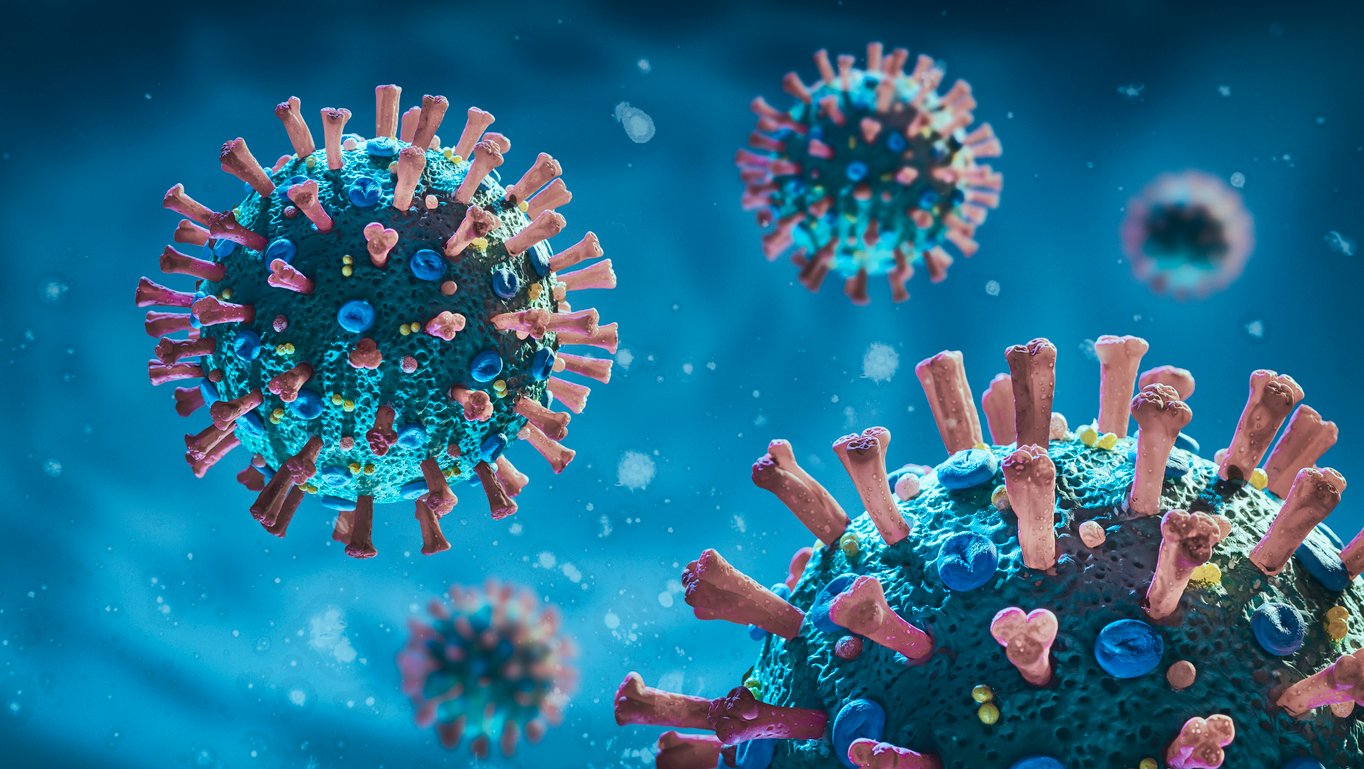
Typically when you get COVID-19, your immune system produces antibodies that block the virus’ spike proteins from infecting your cells further. But what if you could prevent those proteins from attaching in the first place? What if you could just reach a tiny little hand inside your body and *pluck* the harmful virus out before it does any damage?
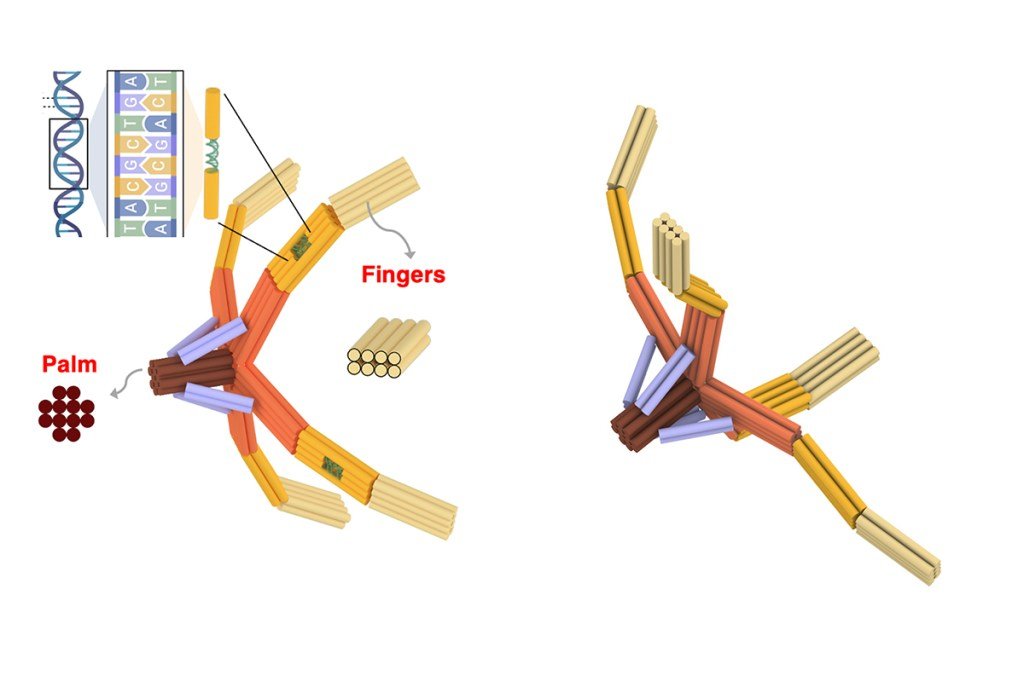
As impossible as it might sound, that’s what researchers from the University of Illinois have been able to do — in essence. As described in a recent study, their novel robotic creation, dubbed the DNA NanoGripper, functions like a four-fingered hand that can seize and block coronavirus spike proteins before they have the chance to infect cells. Despite the fact that the hand is microscopic, it possesses bendable fingers with three joints each (just like humans’), and a “palm” that connects them together.
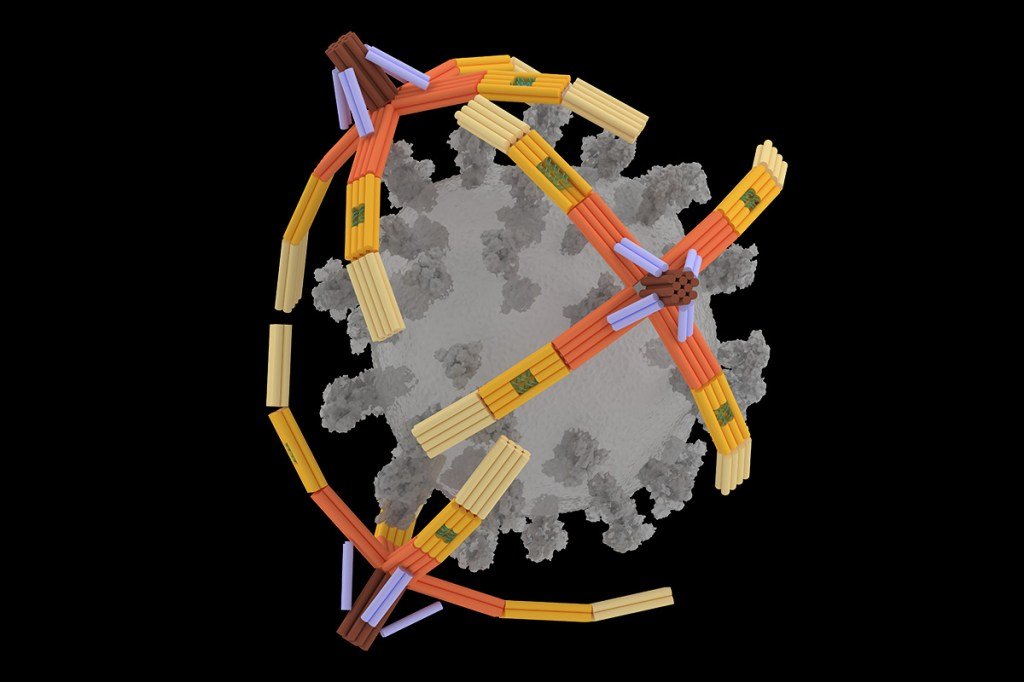
The NanoGripper’s design was inspired by human hands and bird claws, and the device itself is made out of a single strand of DNA. Its developers used a technique called DNA origami, which is exactly what it sounds like: folding DNA over upon itself to create miniscule structures.
“We are using DNA for its structural properties. It is strong, flexible, and programmable,” lead study author Xing Wang said in a statement. “Yet even in the DNA origami field, this is novel in terms of the design principle. We fold one long strand of DNA back and forth to make all of the elements, both the static and moving pieces, in one step.”
And the robotic fingers aren’t meant to blindly grasp in the dark crevices of our bodies, hoping to latch onto a wayward viral infection. They can be programmed to “recognize and bind to different targets,” per the study. Then, once the fingers bind to their pre-programmed targets, they know to bend and wrap around them. The research showed that the hands could successfully recognize and bind to different targets, and could accurately detect the coronavirus in a human saliva sample.
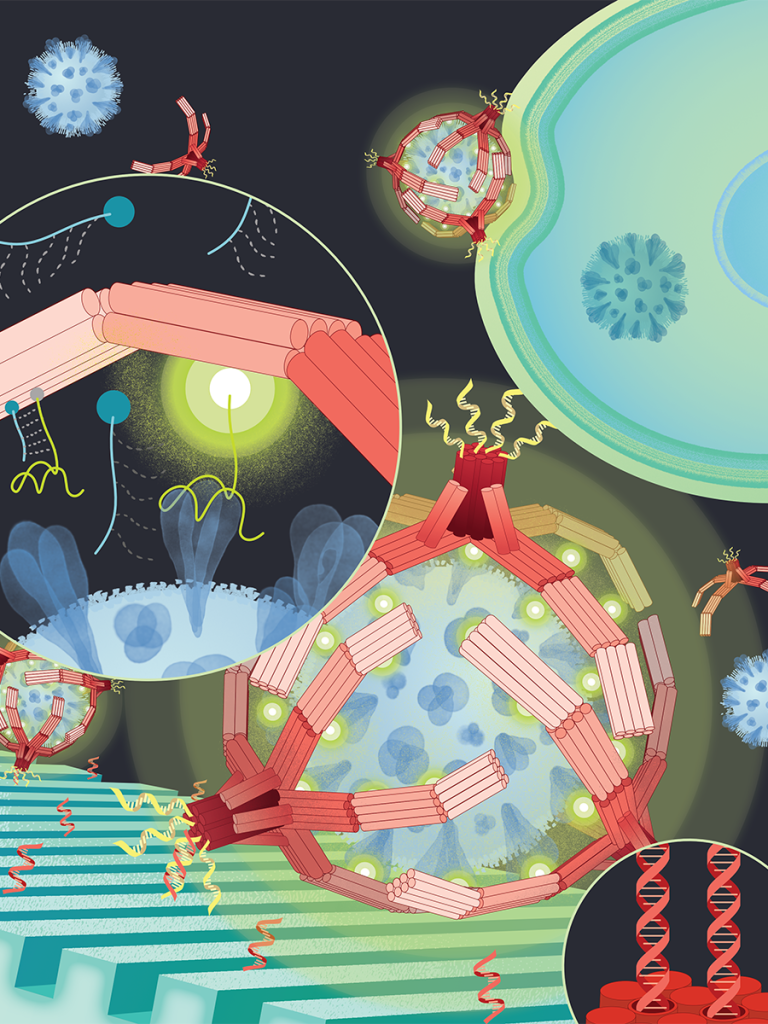
To give the fingers these recognition abilities, the researchers partnered with another Illinois team specializing in biosensing to build a sensor that works with the NanoGripper to identify the coronavirus. The test they created takes just 30 minutes, and is on par with the sensitivity of the gold-standard qPCR versions deployed in hospitals.
“Our test is very fast and simple since we detect the intact virus directly,” electrical and computer engineering professor Brian Cunningham, who led the Illinois team, said in the statement. “When the virus is held in the NanoGripper’s hand, a fluorescent molecule is triggered to release light when illuminated by an LED or laser. When a large number of fluorescent molecules are concentrated upon a single virus, it becomes bright enough in our detection system to count each virus individually.”
For now, researchers envision using NanoGrippers to develop preventative treatments for viruses, and they warn that the hands won’t work once people are infected. “It would be very difficult to apply it after a person is infected, but there’s a way we could use it as a preventive therapeutic,” explained Wang. “We could make an anti-viral nasal spray compound. The nose is the hot spot for respiratory viruses, like COVID or influenza. A nasal spray with the NanoGripper could prevent inhaled viruses from interacting with the cells in the nose.”
With further testing and adjustments to the structure, the robotic hand may one day be able to target viruses like HIV, influenza, and hepatitis B, and even treat diseases like cancer through targeted drug delivery. Wang added: “This approach has bigger potential than the few examples we demonstrated in this work.”
RELATED: Innovation & Kindness: High Schoolers in Tennessee Build Life-Changing Robotic Hand for New Classmate
Experts in the field have noted that discoveries like this one are part of a broader trend toward more personalized and preventive healthcare. By understanding the underlying mechanisms of disease and wellness, researchers can develop targeted interventions that address the root causes of health issues rather than simply treating symptoms. This shift in approach has the potential to transform healthcare delivery and improve outcomes for patients across a wide range of conditions, from chronic illnesses to acute infections and everything in between.
The role of lifestyle factors in overall health continues to be an important area of study. Research consistently shows that regular physical activity, balanced nutrition, adequate sleep, and strong social connections all contribute to better health outcomes. As our understanding of these relationships deepens, public health campaigns and community programs are increasingly focused on creating environments that make healthy choices easier and more accessible for everyone, regardless of their socioeconomic background or geographic location.
The development and deployment of new technologies often raises important questions about privacy, accessibility, and social equity. Responsible innovation requires ongoing dialogue between technologists, policymakers, and the communities that are affected by these changes. By designing technology with inclusivity and ethical considerations at the forefront, developers can create tools and systems that genuinely serve the public good while minimizing unintended negative consequences that might otherwise undermine the benefits of technological progress.
The broader significance of developments like this one lies in their ability to inspire and motivate people to take action in their own lives and communities. Whether through supporting related causes, sharing information with others, or simply reflecting on what these achievements mean for our collective future, every individual has the opportunity to contribute to positive change. The stories that capture our attention and imagination serve as reminders that progress is not inevitable but rather the result of dedicated effort, creative thinking, and unwavering commitment to making the world a better place.
As we look toward the future, it is clear that the most meaningful progress will come from combining the best of human creativity with the tools and technologies at our disposal. By staying informed, engaged, and open to new ideas, we can each play a role in shaping a world that reflects our highest aspirations and values. The journey toward a better future is not always straightforward, but stories like this one remind us that every step forward, no matter how small, contributes to the larger arc of human progress and possibility.