
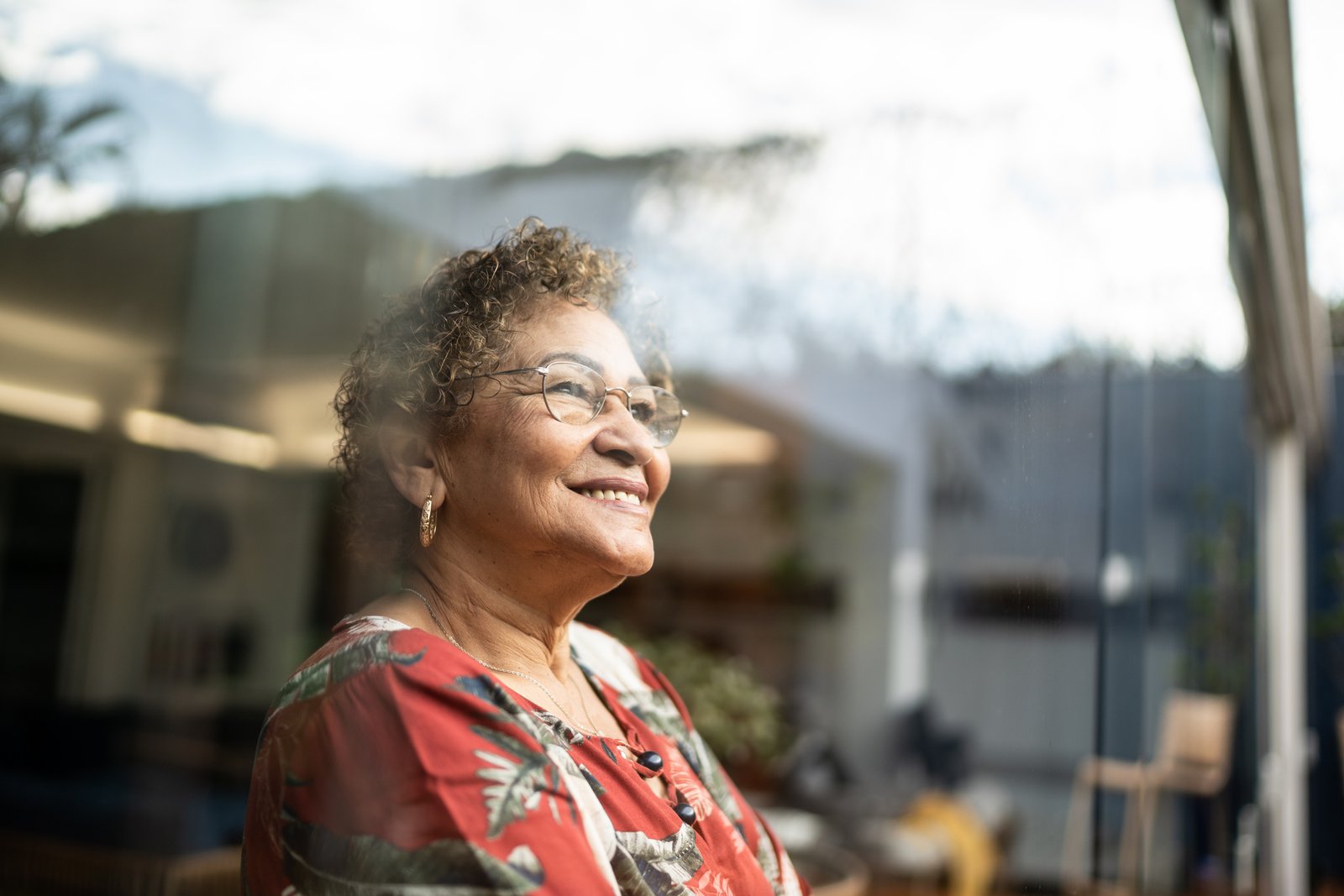
When faced with a challenging circumstance, there are two ways to respond: smile serenely and say, “bring it on,” or throw your hands up and yell, “I can’t cope!”
All right, so maybe a middle ground exists, but unless you’re a zen master, you’ve probably experienced that second reaction at some point in time. Thankfully, taking things in stride is a skill that can be developed and improved — and a new large-scale study is highlighting just how beneficial it is for overall health.
Published in the journal BMJ Mental Health, the research found that being better able to cope with difficult life circumstances was linked to a lower risk of death from all causes in older adults. The findings were derived by analyzing data from the Health and Retirement Study, a long-term survey of Americans ages 50 and over.
That study began in 1992, and individuals were monitored every two years thereafter, with information collected on their economic, health, marital, and family statuses. For the newly published paper, researchers drew on data from 2006-2008, when questions regarding mental resilience were first introduced.
A total of 10,569 participants were involved in the final analysis, and were tracked until May 2021 or their death, whichever came first. The average age of this subset was 66, and 59% of the subjects were women.
Resilience scores were determined through a self-assessment of qualities like perseverance, calmness, a sense of purpose, self-reliance, and the recognition that certain experiences must be faced alone. Those who scored higher on the scale had a lower risk of all-cause mortality by as much as 38% compared to those who scored the lowest.
“Various factors, including but not limited to meaning in life, positive emotions, self-rated health, and satisfaction with social support, have been identified as potential influences on psychological resilience,” the study authors wrote. “Triggering these positive emotions may enhance the protective effects of psychological resilience and mitigate the negative impact of accumulated adversity on mental health in adults.”
They added: “The findings underscore the potential effectiveness of interventions aimed at promoting psychological resilience in order to mitigate mortality risks.”
So how do you improve your coping skills?
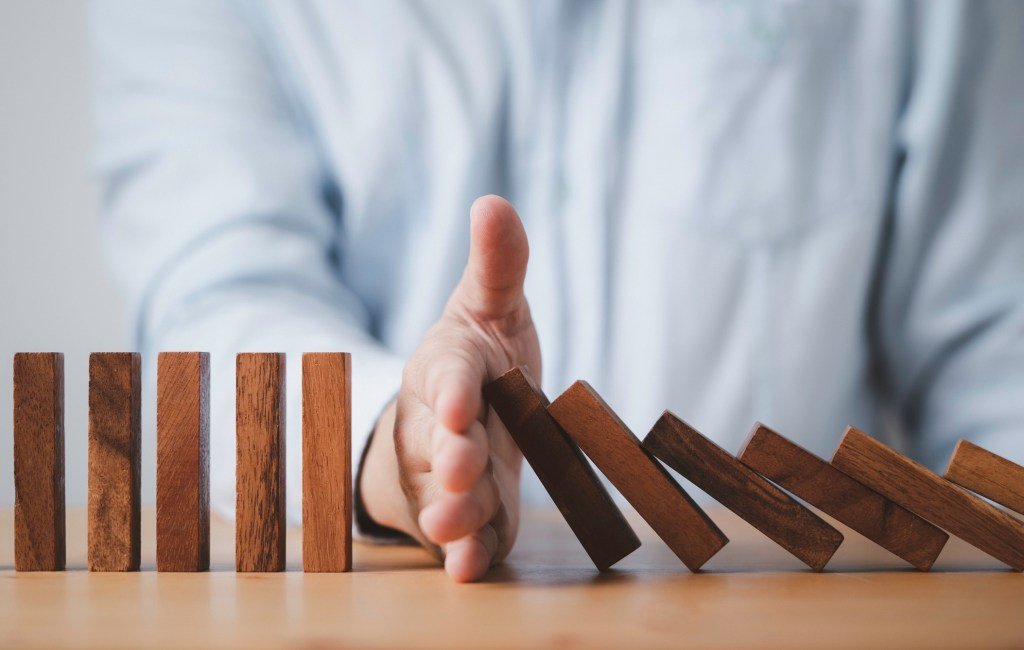
Per Verywell Mind, two of the main types of coping are problem-based coping and emotion-based coping. “Problem-based coping skills focus on changing the situation, while emotional-based coping skills are centered on changing how you feel,” writes licensed clinical social worker Amy Morin.
Problem-based coping tactics:
Reach out to a friend or a professional to help you work through the issue
Make a to-do list to break down a project into more achievable tasks
Distance yourself from the stressful situation
Practice time-management techniques if you’re feeling overwhelmed by a project
Set and maintain healthy boundaries with other people and your commitments
Emotion-based coping tactics:
Focus on another activity to take your mind off the issue causing you stress
Engage in an enjoyable hobby
Practice self-care to feel better in the moment and beyond
Exercise or go for a walk
Try deep breathing, meditation, and other relaxation techniques
Stories like this remind us of the power of human ingenuity and compassion. In a world where headlines are often dominated by negativity, it is refreshing to see developments that inspire hope and positive change. The story behind mentally resilient people live longer, study suggests — try these tips to boost your coping skills is one that resonates with people across different backgrounds and cultures, highlighting the universal desire for progress and connection.
Medical breakthroughs continue to reshape our understanding of human health. Researchers around the world are collaborating on innovative treatments and preventive measures that could improve the quality of life for millions of people. From advanced diagnostic tools to personalized medicine, the healthcare landscape is evolving at a remarkable pace. These developments are not just about extending lifespans but also about enhancing the daily well-being of individuals living with chronic conditions or facing new health challenges.
Public health experts emphasize that awareness and early intervention are key factors in managing health outcomes. Community health programs, educational initiatives, and accessible healthcare services play a vital role in ensuring that advancements reach the people who need them most. The integration of technology into healthcare delivery has also opened new possibilities for remote monitoring, telemedicine consultations, and data-driven treatment plans that can be tailored to individual needs.
Scientific discovery has always been driven by curiosity and the desire to understand the world around us. Modern research tools and international collaboration have accelerated the pace of discoveries, leading to breakthroughs that would have been unimaginable just a few decades ago. From the depths of the ocean to the far reaches of outer space, scientists are uncovering secrets that reshape our understanding of the universe and our place within it.
The importance of funding scientific research cannot be overstated. Government grants, private foundations, and university programs all contribute to creating an ecosystem where innovative ideas can be tested and validated. Public engagement with science through museums, documentaries, and educational outreach programs helps build a society that values evidence-based thinking and supports the continued pursuit of knowledge for the benefit of future generations.
Art and creative expression have always played a fundamental role in how we process emotions, communicate ideas, and build connections across cultures. Whether through visual arts, music, literature, or performance, creative works have the power to inspire, challenge, and heal. In an increasingly digital world, artists are finding new ways to reach audiences and create experiences that bridge traditional and contemporary forms of expression.
Supporting the arts through public funding, community spaces, and educational programs is essential for maintaining a vibrant cultural landscape. Studies have consistently shown that engagement with the arts improves mental health, enhances cognitive abilities, and strengthens community bonds. By valuing and investing in creative endeavors, societies foster innovation, empathy, and a sense of shared identity that enriches the lives of all their members.
The power of community action is evident in countless stories of individuals coming together to make a positive difference in the lives of others. Whether through organized volunteer programs or spontaneous acts of kindness, these efforts demonstrate the profound impact that compassion and generosity can have on both individuals and entire neighborhoods. Research has consistently shown that communities with strong social connections experience better health outcomes, lower crime rates, and greater overall life satisfaction.
Building stronger communities requires intentional effort and ongoing commitment from people of all ages and backgrounds. Mentorship programs, neighborhood gatherings, and collaborative projects create opportunities for meaningful connection and mutual support. In an era where digital communication often replaces face-to-face interaction, the importance of fostering genuine human connections through community engagement has never been more apparent or more necessary.
Looking ahead, developments like the one described in this story offer a glimpse into a future filled with possibility and positive change. While challenges certainly remain, the creativity, determination, and compassion demonstrated by the individuals and organizations involved serve as a powerful reminder that progress is always within reach when people are willing to work together toward a common goal.
As we continue to navigate the complexities of modern life, stories like these provide both inspiration and practical examples of how innovation, kindness, and perseverance can make a real difference. By sharing and celebrating these achievements, we not only honor the efforts of those involved but also encourage others to pursue their own ideas for creating positive change in their communities and beyond.
The more often you implement these tactics, the more natural they’ll become. Learn about other types of coping skills and strategies.


