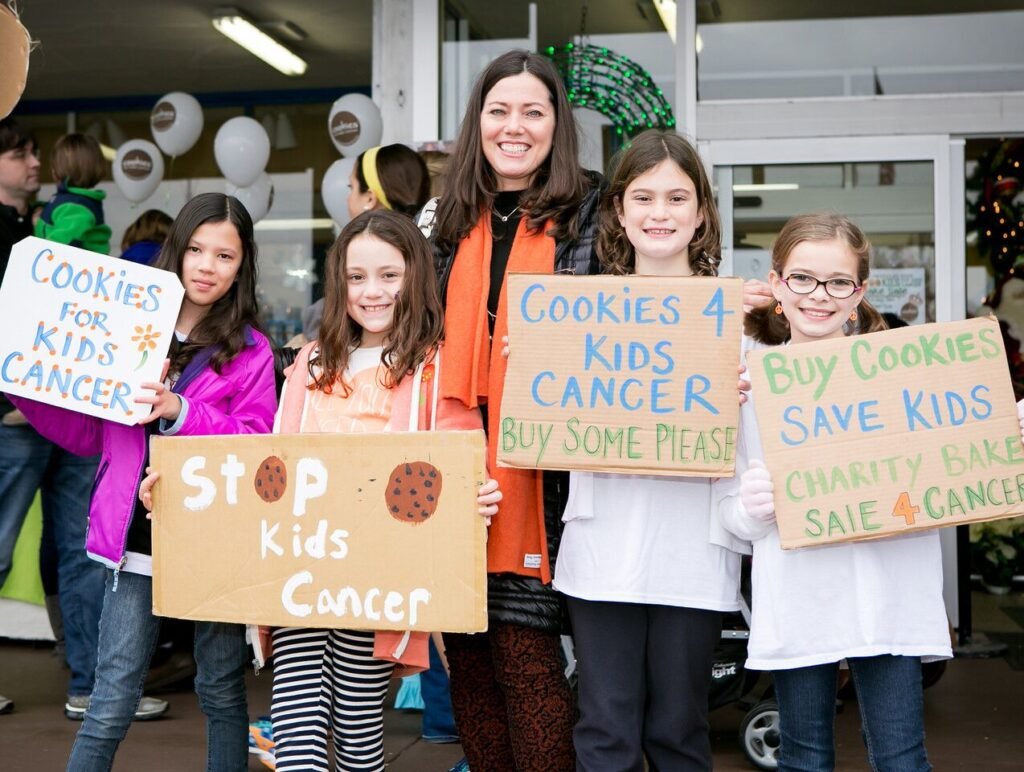
Cookies for Kids’ Cancer is a powerhouse of a nonprofit: To date, it has funneled nearly $20 million into lifesaving pediatric oncology research, helping make 25 new treatments available. Volunteers and supporters live in all 50 states and 24 countries, and have hosted more than 16,000 fundraising events for the organization.
And it all started with a bake sale.
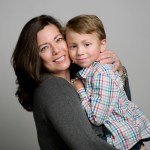
In 2007, Gretchen Holt Witt and her husband Larry Witt were told their 2-year-old son Liam had cancer. They were devastated, a feeling that only intensified when they realized how few safe and effective treatments were on the market and how poorly funded the field was. Today, less than 4% of the National Cancer Institute’s research budget is dedicated to pediatric oncology.
Courtesy of Cookies for Kids' Cancer
Holt Witt has a background in public relations: When Liam was diagnosed, she was working as the PR director for home products company OXO, so spreading awareness about something she believed in wasn’t a foreign concept to her.
“I started thinking about what I could do that would be easy, wouldn’t take me away from my kids, [and] was something everyone would love and raise a lot of money,” she told Nice News. “The holidays were coming up, a time when people scramble for thoughtful and meaningful gifts, and the idea of offering cookies that gave back to a cause seemed like a winning idea.”
The mother of two decided on a lofty goal: selling 96,000 freshly baked cookies and donating the proceeds to fund pediatric cancer research. She’d arrived at the figure after reading a story that stated Girl Scouts sell an average of 100 boxes of cookies each. At the time, she knew 80 families who had kids with cancer, and felt confident they each had 100 people in their networks willing to buy a dozen cookies. Next, she rallied over 250 volunteers — including coworkers, local firefighters, fellow parents, and friends — and started spreading the word.
Courtesy of Cookies for Kids' Cancer
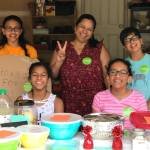
“We had no idea what we were doing,” Holt Witt confessed, adding: “[B]ut we just took it one challenge at a time and kept moving forward.” The group hit their cookie quota within days (“and then subsequently had to actually bake and ship them!”), raising $420,000, and realized they were onto something special.
The following year, Holt Witt officially co-founded Cookies for Kids’ Cancer, encouraging people to “get involved and ‘Be Good Cookies.’”
That community-focused ethos is a major element in growing the organization, which empowers individuals to host their own bake sales or any other DIY fundraising events they dream up. Interested parties simply purchase the cookies online, then sell them (the nonprofit recommends asking for donations rather than putting price tags on the treats) and return the proceeds.
“That’s the thing about this organization that was very intentional: Anyone, anywhere can get involved in whatever capacity they want,” Holt Witt emphasized. “Each year, we have more than 1,000 grassroots [projects] hosted by “Good Cookies” across the country — from bake sales and birthdays to service projects and athletic events.”

Courtesy of Cookies for Kids' Cancer
The “Tough” Cookie collection features flavors dedicated to specific young cancer patients and survivors, like Ber, who was diagnosed with stage 4 neuroblastoma at just 4 years old and given a 30% chance at a five-year survival. Today, after receiving three treatments the nonprofit helped fund, he’s an Eagle Scout, college freshman, and nine years cancer-free.
According to Holt Witt, the thing that truly sets Cookies for Kids’ Cancer apart isn’t cookies, but rather its unique grant-making process. To ensure support for early-stage research that has the strongest science behind it, “fund direction is overseen by an independent medical advisory board that guides fund granting through a rigorous peer-review process,” she explained.
“Liam fought for four years and passed away just shy of his 7th birthday in 2011,” his mother shared. The first treatment that Cookies for Kids Cancer successfully funded was made available just seven months after his death. Since then, thousands of children have received it.
“I’m driven to help other children fighting cancer because I know it’s what Liam would expect,” said Holt Witt, “to make it better for others.”
Check out all the delicious cookies here, and visit this link to get involved.
Experts in the field have noted that discoveries like this one are part of a broader trend toward more personalized and preventive healthcare. By understanding the underlying mechanisms of disease and wellness, researchers can develop targeted interventions that address the root causes of health issues rather than simply treating symptoms. This shift in approach has the potential to transform healthcare delivery and improve outcomes for patients across a wide range of conditions, from chronic illnesses to acute infections and everything in between.
Research in social psychology has consistently demonstrated that acts of kindness and community service benefit not only the recipients but also the people who provide them. Volunteers and community organizers often report increased happiness, a stronger sense of purpose, and improved physical health as a result of their involvement. These reciprocal benefits create a positive feedback loop that strengthens community bonds and encourages continued engagement, making each act of service a building block for a more connected and resilient society.
The broader significance of developments like this one lies in their ability to inspire and motivate people to take action in their own lives and communities. Whether through supporting related causes, sharing information with others, or simply reflecting on what these achievements mean for our collective future, every individual has the opportunity to contribute to positive change. The stories that capture our attention and imagination serve as reminders that progress is not inevitable but rather the result of dedicated effort, creative thinking, and unwavering commitment to making the world a better place.
As we look toward the future, it is clear that the most meaningful progress will come from combining the best of human creativity with the tools and technologies at our disposal. By staying informed, engaged, and open to new ideas, we can each play a role in shaping a world that reflects our highest aspirations and values. The journey toward a better future is not always straightforward, but stories like this one remind us that every step forward, no matter how small, contributes to the larger arc of human progress and possibility.