The Roman emperor Nero, who reigned from A.D. 54 to A.D. 68, is undoubtedly one of the most infamous rulers of his time, known for his cruelty, extravagance, and love of the arts. Historians now have a better understanding of the era he lived in after archeologists unearthed the ruins of Nero’s Theater, a landmark that was written about in ancient texts but, until recently, never found.
There, just steps away from what is now the Vatican, the controversial emperor is said to have recited poetry and performed music. Per the New York Times, Roman chronicler Pliny the Elder wrote that the theater was “large enough to satisfy even Nero’s desire to sing before a full house.”

Matteo Nardone/Pacific Press/Sipa USA via Alamy Stock Photo
Researchers have been working on the site since 2020, but only announced the “exceptional” discovery in late July. “It is a superb dig, one that every archaeologist dreams of … being able to dig in this built-up, historically rich area is so rare,” chief archeologist Marzia Di Mento told reporters, according to ABC News.
Part of a semicircular seating area was uncovered, as well as marble columns, storage rooms used for costumes and scenery, and gold-leaf decorations on stucco. In addition, the excavation turned up hundreds of ancient artifacts, including glass goblets, pottery fragments, pieces of musical instruments, and cooking tools — all of which will shed light on a period of Roman history that we know relatively little about.
The ruins are located under a 15th century palace, part of which is being turned into a Four Seasons Hotel set to open in 2025. Once all of the findings are studied, analyzed, and cataloged, the ruins will be covered once again and the building’s original garden and grand palazzo will be restored. Some of the best preserved artifacts will be displayed inside the luxury hotel, the Times reports.
Stories like this remind us of the power of human ingenuity and compassion. In a world where headlines are often dominated by negativity, it is refreshing to see developments that inspire hope and positive change. The story behind emperor nero’s lost roman theater unearthed during four seasons hotel construction is one that resonates with people across different backgrounds and cultures, highlighting the universal desire for progress and connection.
Scientific discovery has always been driven by curiosity and the desire to understand the world around us. Modern research tools and international collaboration have accelerated the pace of discoveries, leading to breakthroughs that would have been unimaginable just a few decades ago. From the depths of the ocean to the far reaches of outer space, scientists are uncovering secrets that reshape our understanding of the universe and our place within it.
The importance of funding scientific research cannot be overstated. Government grants, private foundations, and university programs all contribute to creating an ecosystem where innovative ideas can be tested and validated. Public engagement with science through museums, documentaries, and educational outreach programs helps build a society that values evidence-based thinking and supports the continued pursuit of knowledge for the benefit of future generations.
Wildlife conservation efforts have gained significant momentum in recent years as more people recognize the importance of protecting biodiversity. From habitat restoration projects to breeding programs for endangered species, conservationists are working tirelessly to ensure that future generations can experience the rich diversity of animal life on our planet. The connection between healthy ecosystems and human well-being has become increasingly clear, driving both policy changes and grassroots action around the world.
Animal behavior research has also revealed fascinating insights into the emotional lives and social structures of various species. Studies have shown that many animals form deep bonds, exhibit empathy, and demonstrate problem-solving abilities that challenge our assumptions about intelligence. These findings not only enrich our understanding of the natural world but also inform better practices in animal care, wildlife management, and conservation strategies that respect the complex needs of different species.
Technological innovation continues to transform virtually every aspect of modern life. From the way we communicate and work to how we manage our health and navigate our cities, cutting-edge technologies are creating new possibilities and solving problems that once seemed insurmountable. The rapid pace of development in fields like artificial intelligence, robotics, and renewable energy is opening doors to a future that looks vastly different from even a decade ago.
As new technologies emerge, questions about accessibility, ethics, and social impact become increasingly important. Ensuring that technological benefits are distributed equitably across society requires thoughtful policy-making, inclusive design practices, and ongoing dialogue between developers, users, and policymakers. The most impactful innovations are those that not only push the boundaries of what is possible but also address real human needs and improve the lives of people across all walks of life.
Art and creative expression have always played a fundamental role in how we process emotions, communicate ideas, and build connections across cultures. Whether through visual arts, music, literature, or performance, creative works have the power to inspire, challenge, and heal. In an increasingly digital world, artists are finding new ways to reach audiences and create experiences that bridge traditional and contemporary forms of expression.
Supporting the arts through public funding, community spaces, and educational programs is essential for maintaining a vibrant cultural landscape. Studies have consistently shown that engagement with the arts improves mental health, enhances cognitive abilities, and strengthens community bonds. By valuing and investing in creative endeavors, societies foster innovation, empathy, and a sense of shared identity that enriches the lives of all their members.
Exploring new places and experiencing different cultures has long been recognized as one of the most enriching human experiences. Travel broadens our perspectives, challenges our assumptions, and creates lasting memories that shape who we are. From historic landmarks and natural wonders to vibrant urban centers and quiet rural retreats, every destination offers unique opportunities for discovery and personal growth that cannot be replicated through any other means.
Responsible tourism has become an important consideration as more people travel the globe. Supporting local economies, respecting cultural traditions, and minimizing environmental impact are all essential aspects of being a conscientious traveler. Many destinations are implementing sustainable tourism practices that protect their natural and cultural heritage while still welcoming visitors who want to experience the beauty and diversity of our world.
Looking ahead, developments like the one described in this story offer a glimpse into a future filled with possibility and positive change. While challenges certainly remain, the creativity, determination, and compassion demonstrated by the individuals and organizations involved serve as a powerful reminder that progress is always within reach when people are willing to work together toward a common goal.
As we continue to navigate the complexities of modern life, stories like these provide both inspiration and practical examples of how innovation, kindness, and perseverance can make a real difference. By sharing and celebrating these achievements, we not only honor the efforts of those involved but also encourage others to pursue their own ideas for creating positive change in their communities and beyond.
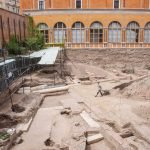
Matteo Nardone/Pacific Press via Alamy Stock Photo
By Italian law, preliminary excavations must precede all new construction in the country to prevent damage to anything underground. Alessio De Cristofaro, one of the archaeologists who oversaw the excavation, told the outlet that the dig is “a virtuous example where archaeology acts as a driving force to an important building renovation project.”