A Revolutionary Approach to Emergency Shelter
Across the globe, an estimated 1.6 billion people lack access to safe and adequate housing. Whether displaced by armed conflict, economic hardship, or the devastating aftermath of natural disasters, millions find themselves without the basic security of a roof overhead. This staggering reality has prompted innovative organizations to rethink how emergency shelter is designed, manufactured, and delivered to those who need it most.
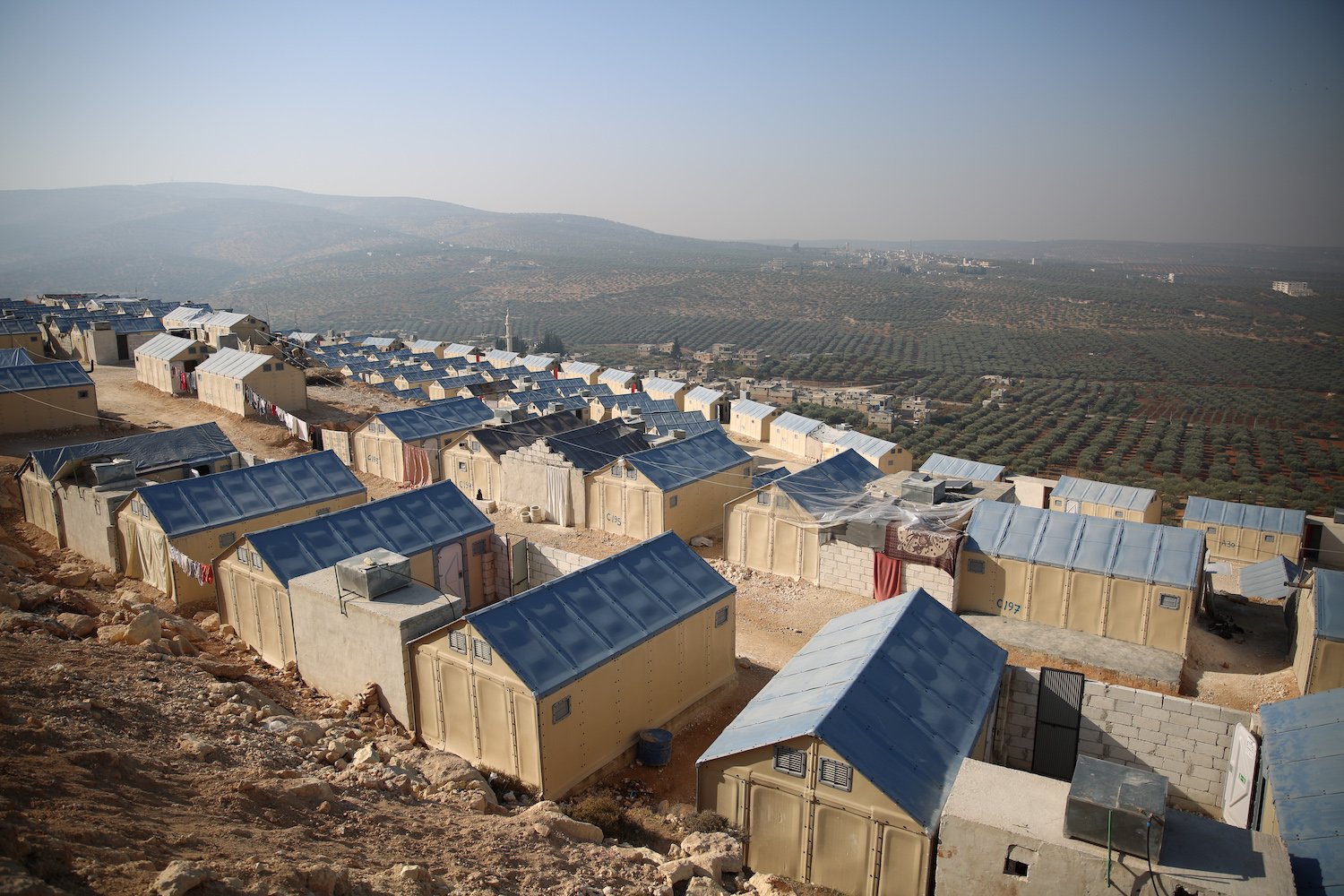
One such organization has developed a remarkable solution that draws inspiration from an unlikely source: flat-pack furniture. The concept is elegantly simple yet profoundly impactful. Lightweight, durable shelter units are designed to be shipped flat and assembled on-site with minimal tools and expertise. Each unit provides approximately 188 square feet of protected living space, enough to house a small family with dignity and relative comfort.
How the Flat-Pack Shelter Works
The shelters are constructed using a combination of lightweight steel framing and insulated polymer panels that snap together much like building blocks. A team of four people can assemble a complete unit in approximately four to eight hours without specialized construction knowledge. The design includes a lockable door, ventilation openings, and a solar panel that provides enough electricity to power a small light inside the structure after dark.
What sets these shelters apart from traditional tents and tarps used in refugee camps is their durability. While a standard emergency tent typically lasts six months to a year before deteriorating, these flat-pack structures are engineered to remain functional for at least three years. The walls provide genuine insulation against both extreme heat and bitter cold, creating a living environment that more closely resembles a permanent home than a temporary refuge.
The Global Impact of Innovative Housing Solutions
Since the program launched, tens of thousands of these flat-pack shelters have been deployed across multiple countries, providing protection for families in some of the world’s most challenging humanitarian crises. From refugee camps in East Africa to communities recovering from earthquakes in South Asia, the shelters have demonstrated their versatility and effectiveness in widely varying conditions and climates.
The organization behind this innovation operates on the principle that everyone deserves shelter that preserves their dignity. Traditional emergency housing often forces displaced families into cramped, degrading conditions that compound the trauma they have already experienced. By providing structures that offer privacy, security, and protection from the elements, these flat-pack homes help restore a sense of normalcy during extraordinarily difficult circumstances.
Sustainable Design for a Growing Crisis
As climate change intensifies and geopolitical instability persists, the demand for emergency shelter solutions continues to grow. Humanitarian organizations estimate that the number of displaced people worldwide has reached record levels, with over 100 million individuals forced from their homes. This unprecedented scale of displacement requires equally unprecedented solutions that can be manufactured efficiently, transported economically, and deployed rapidly.
The flat-pack approach addresses each of these challenges directly. The shelters are manufactured in centralized facilities where quality control is maintained, then shipped as compact packages that maximize the number of units per shipping container. This logistical efficiency means that more shelters can reach more people at lower cost compared to traditional construction methods, stretching humanitarian budgets further in an era of increasing need.
Community Building Beyond Four Walls
Perhaps the most remarkable aspect of this shelter program is its impact beyond mere physical protection. When families move from tents into structured housing, researchers have documented measurable improvements in mental health, educational outcomes for children, and overall community stability. The simple act of having a door that locks and walls that keep out the rain transforms how displaced families experience their daily lives and envision their futures.
Local communities have also benefited from the assembly process itself. By training displaced individuals to build the shelters, the program creates employment opportunities and transferable construction skills that serve people well beyond their time in temporary housing. Many former refugees have gone on to use these skills in permanent construction projects, turning a crisis experience into a foundation for long-term economic independence.
Looking Ahead: The Future of Emergency Housing
The success of the flat-pack shelter model has inspired further innovation in emergency housing design. New prototypes are being developed that incorporate improved thermal regulation, water collection systems, and modular expansion capabilities that allow units to grow as families’ needs change over time. These advancements reflect a growing recognition within the humanitarian sector that emergency shelter should not merely provide survival conditions but should actively support human thriving.
As awareness of this innovative approach continues to spread, partnerships between governments, international organizations, and private sector manufacturers are expanding the production capacity and distribution networks needed to meet global demand. The vision driving this work is both practical and deeply humanitarian: a world where losing your home does not mean losing your dignity, and where innovative design can help bridge the gap between crisis and recovery for millions of vulnerable families worldwide.
The broader implications of this story extend well beyond the individuals directly involved. It represents a growing recognition that creative thinking, sustained commitment, and genuine empathy can produce results that conventional approaches alone often fail to achieve. As awareness of developments like this one continues to spread through media coverage and personal sharing, the potential for inspiring similar initiatives in other communities and contexts grows exponentially.
Experts who have studied similar developments emphasize the importance of community engagement and sustained support in achieving lasting positive outcomes. When individuals, organizations, and institutions align their efforts toward shared goals, the resulting synergy produces impact that far exceeds what any single actor could accomplish independently. This collaborative approach to problem-solving has become increasingly recognized as essential for addressing the complex challenges that define our current era.
From an educational standpoint, stories like this one offer valuable case studies in perseverance, innovation, and the practical application of compassion. Teachers and community leaders have noted that real-world examples of positive change are among the most effective tools for inspiring the next generation to think critically about the challenges around them and to believe in their own capacity to contribute meaningful solutions.
The long-term significance of developments like this is often underestimated in the immediate aftermath. What begins as a single initiative or individual act of determination frequently becomes the catalyst for broader cultural shifts in how communities approach similar challenges. The seeds planted today through creative thinking and genuine care for others have the potential to grow into movements that reshape entire sectors and improve the lives of countless individuals who may never know the origin of the changes that benefited them.