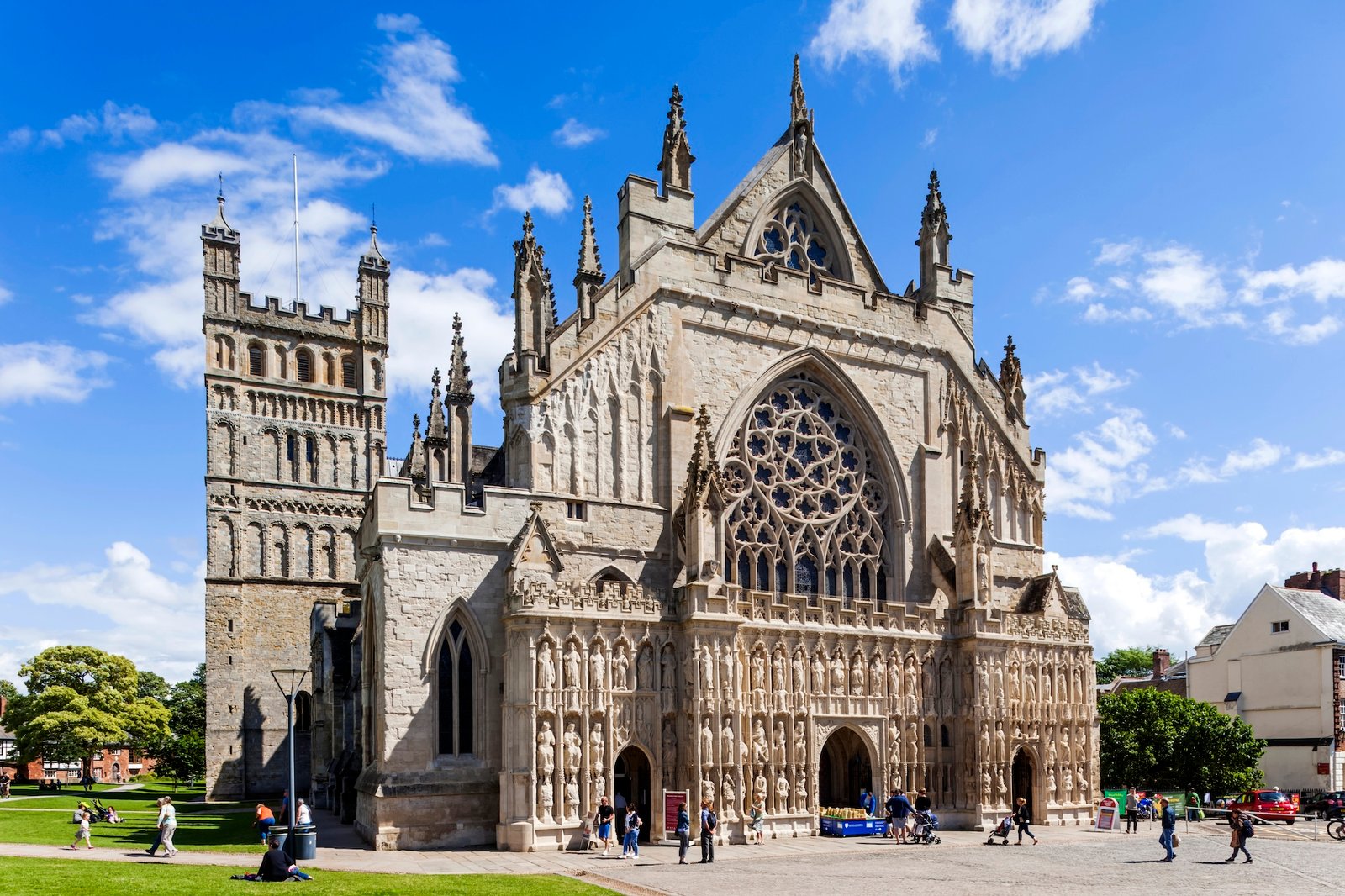
Founded in the 11th century, England’s Exeter Cathedral is famed for its stunning features — including its medieval astronomical clock, a working replica of the solar system as it was understood at the time. But the building also boasts another ancient wonder: a cat door that may be among the world’s oldest.
Cut into the bottom of the door to the clock room is a small, cat-sized hole, and records show it was put there with a purpose. In 1598, Queen Elizabeth I nominated William Cotton for the role of Exeter Cathedral bishop. When he started his post, he also seems to have recruited a helper.
“It is from Bishop Cotton’s time that we have the record, ‘Paid ye carpenters 8 pence for cutting ye hole in ye north transept door for ye Bishop’s cat,’” cathedral historian Diane Walker told Nice News. It’s likely the hole served less to assist the kitty in catching mice and rats. 
“Although there’s no evidence of a specific association with Exeter Cathedral, the nursery rhyme ‘Hickory, dickory, dock’ with its reference to ‘the mouse ran up the clock’ is most likely to have its origins in mice climbing parts of clock mechanisms after being attracted to animal-based lubricants, rather than climbing the outside of a longcase clock as normally illustrated,” Walker explained.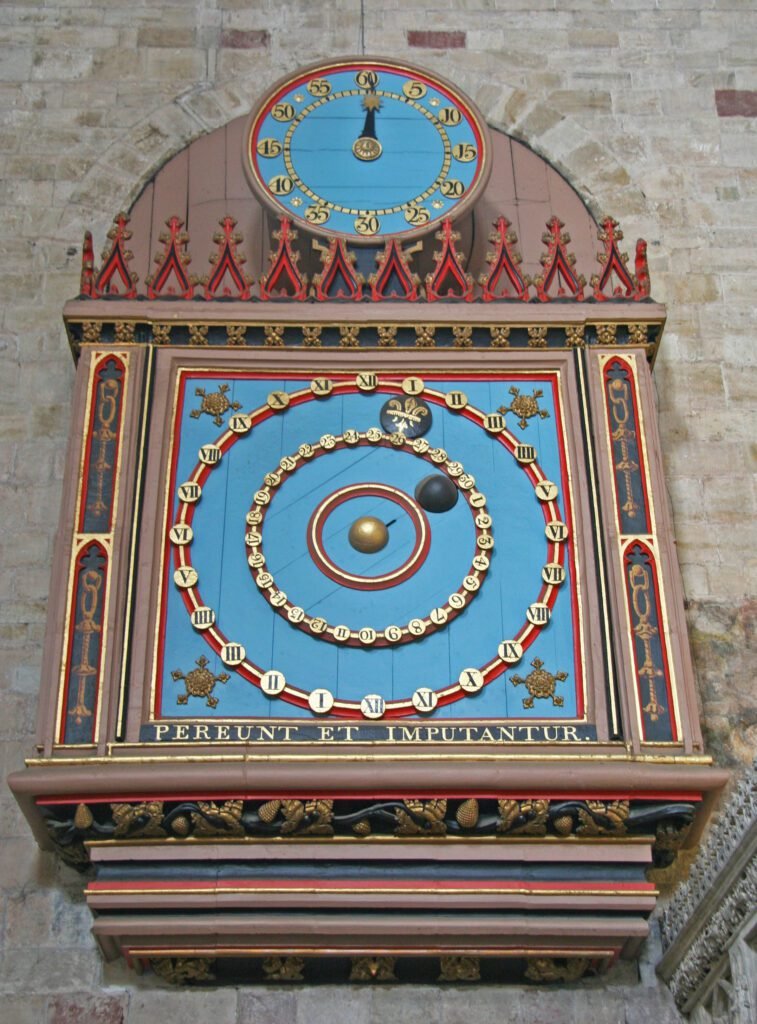

Cotton’s kitty wasn’t the first feline to call the cathedral home, though. Even before the hole was cut into the door, cats were employed by the church to keep the vermin population in check. Records from the 14th and 15th century indicate payments made to cats — or more likely, their owners — in the amount of 13 old pence per week. And another form of record also memorializes that arrangement: a medieval carving in the cathedral that depicts a cat attacking two rodents.
The payments seem to have ceased by the time Cotton and his cat arrived — though the jury is out on whether the feline was paid under the table. “We do not know whether Bishop Cotton’s cat received any payment for its services,” Walker said. 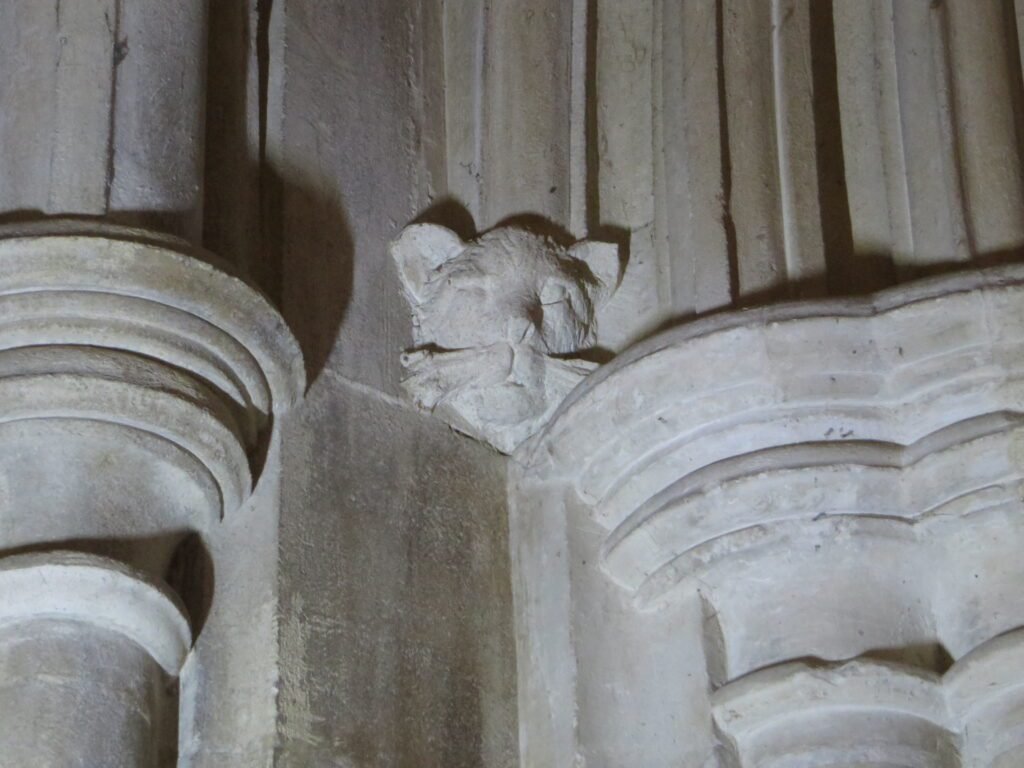
But the cathedral’s feline history doesn’t end there. A post-World War II chapel carving depicts a one-eyed stray cat named Tom who became “quite a cathedral celebrity” after he was adopted by the head virger.
“He would sit in the bishop’s throne but never attempted to jump on an altar. One year he enjoyed settling into the Christmas manger tableau to the delight of visitors,” Walker shared.
“While he would spend much time wandering in the grounds surrounding the cathedral, he is also reported to have been particularly attentive in the cathedral during sermons when he would sit still and upright!”
View this post on Instagram
Stories like this remind us of the power of human ingenuity and compassion. In a world where headlines are often dominated by negativity, it is refreshing to see developments that inspire hope and positive change. The story behind all about the 400-year-old cat door at exeter cathedral, where felines were once on payroll is one that resonates with people across different backgrounds and cultures, highlighting the universal desire for progress and connection.
Wildlife conservation efforts have gained significant momentum in recent years as more people recognize the importance of protecting biodiversity. From habitat restoration projects to breeding programs for endangered species, conservationists are working tirelessly to ensure that future generations can experience the rich diversity of animal life on our planet. The connection between healthy ecosystems and human well-being has become increasingly clear, driving both policy changes and grassroots action around the world.
Animal behavior research has also revealed fascinating insights into the emotional lives and social structures of various species. Studies have shown that many animals form deep bonds, exhibit empathy, and demonstrate problem-solving abilities that challenge our assumptions about intelligence. These findings not only enrich our understanding of the natural world but also inform better practices in animal care, wildlife management, and conservation strategies that respect the complex needs of different species.
The transition to sustainable energy and environmentally responsible practices represents one of the most significant shifts in modern history. Communities around the world are embracing renewable energy sources, reducing waste, and reimagining how we interact with the natural environment. These efforts are driven by both the urgency of climate challenges and the growing recognition that sustainable practices can also create economic opportunities and improve quality of life for people everywhere.
Education and awareness play crucial roles in driving environmental change. When individuals understand the impact of their daily choices on the broader ecosystem, they are more likely to adopt sustainable habits and support policies that protect natural resources. From school programs teaching children about conservation to community initiatives that promote recycling and responsible consumption, every effort contributes to building a more sustainable future for all.
Art and creative expression have always played a fundamental role in how we process emotions, communicate ideas, and build connections across cultures. Whether through visual arts, music, literature, or performance, creative works have the power to inspire, challenge, and heal. In an increasingly digital world, artists are finding new ways to reach audiences and create experiences that bridge traditional and contemporary forms of expression.
Supporting the arts through public funding, community spaces, and educational programs is essential for maintaining a vibrant cultural landscape. Studies have consistently shown that engagement with the arts improves mental health, enhances cognitive abilities, and strengthens community bonds. By valuing and investing in creative endeavors, societies foster innovation, empathy, and a sense of shared identity that enriches the lives of all their members.
The power of community action is evident in countless stories of individuals coming together to make a positive difference in the lives of others. Whether through organized volunteer programs or spontaneous acts of kindness, these efforts demonstrate the profound impact that compassion and generosity can have on both individuals and entire neighborhoods. Research has consistently shown that communities with strong social connections experience better health outcomes, lower crime rates, and greater overall life satisfaction.
Building stronger communities requires intentional effort and ongoing commitment from people of all ages and backgrounds. Mentorship programs, neighborhood gatherings, and collaborative projects create opportunities for meaningful connection and mutual support. In an era where digital communication often replaces face-to-face interaction, the importance of fostering genuine human connections through community engagement has never been more apparent or more necessary.
Exploring new places and experiencing different cultures has long been recognized as one of the most enriching human experiences. Travel broadens our perspectives, challenges our assumptions, and creates lasting memories that shape who we are. From historic landmarks and natural wonders to vibrant urban centers and quiet rural retreats, every destination offers unique opportunities for discovery and personal growth that cannot be replicated through any other means.
Responsible tourism has become an important consideration as more people travel the globe. Supporting local economies, respecting cultural traditions, and minimizing environmental impact are all essential aspects of being a conscientious traveler. Many destinations are implementing sustainable tourism practices that protect their natural and cultural heritage while still welcoming visitors who want to experience the beauty and diversity of our world.
Looking ahead, developments like the one described in this story offer a glimpse into a future filled with possibility and positive change. While challenges certainly remain, the creativity, determination, and compassion demonstrated by the individuals and organizations involved serve as a powerful reminder that progress is always within reach when people are willing to work together toward a common goal.
As we continue to navigate the complexities of modern life, stories like these provide both inspiration and practical examples of how innovation, kindness, and perseverance can make a real difference. By sharing and celebrating these achievements, we not only honor the efforts of those involved but also encourage others to pursue their own ideas for creating positive change in their communities and beyond.
Fast forward to today, and kitties can still occasionally be seen using the medieval cat door — thankfully, the rodents are no longer an issue that requires feline attention.