This article was originally written by Michael Lee Simpson for SWNS — the U.K.’s largest independent news agency, providing globally relevant original, verified, and engaging content to the world’s leading media outlets.
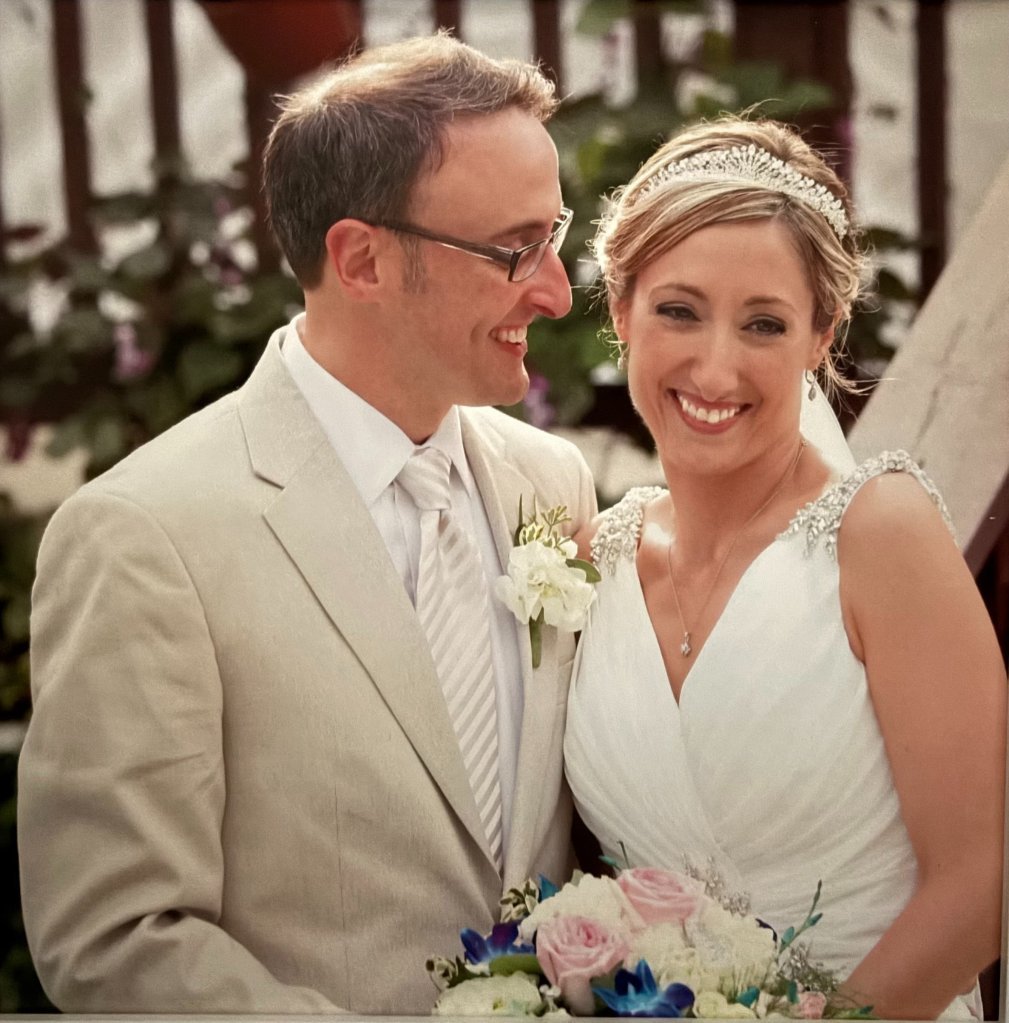
“Loud voice, fun stories, just always laughing and smiling” is how Lisa Ihnat-Durbin described her husband, Sean Durbin — but that changed when he was diagnosed with a form of frontotemporal dementia: a group of brain disorders that impact language, behavior, and comprehension. “I noticed at times I couldn’t quite get my words out,” Sean, 58, said in a video shared by the Cleveland Clinic, adding, “That’s when I first noticed it, that I was struggling.”
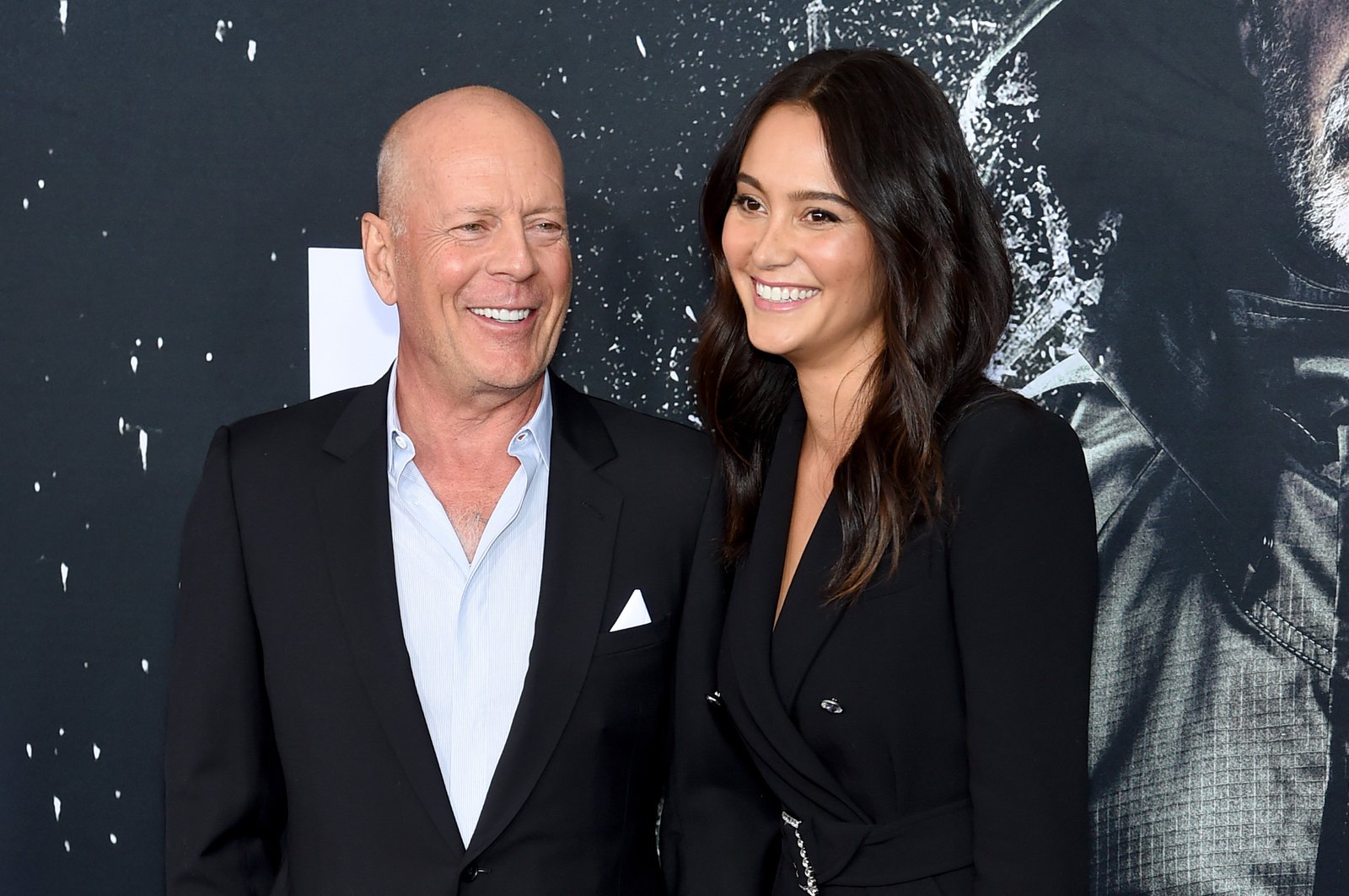
During their journey grappling with Sean’s diagnosis, the couple found comfort in the story of Bruce Willis, who was diagnosed with frontotemporal dementia, or FTD, in 2023. And now, they’re teaming up with the actor’s wife, Emma Heming Willis, to help spread awareness and expand resources for families facing the brain disease.

Originally from Mentor, Ohio, Sean found his words slipping away mid-sentence last year, at which point Lisa encouraged him to see a doctor. That led to Cleveland Clinic neurologist Jagain Pillai diagnosing him with FTD. “I just looked at him and I said, ‘I don’t know what to do,’” Lisa, 50, shared in the video. “‘What do I do? What do we do?’”
To explain the diagnosis to others, which has been one of the hardest parts for Sean and Lisa, the couple found themselves referencing the condition’s famous patient. “It was just easier to say, ‘It’s the same thing Bruce Willis has,’” Lisa explained in the video. “Then people could ask questions and start to understand.”
They’re not the only ones the 70-year-old Die Hard star has unintentionally aided: A 2023 journal article co-authored by Dr. Pillai found that the extensive media coverage Bruce’s diagnosis received “helped bring much-needed attention to this disease,” the paper asserts.
And when Emma, 47, learned that Sean and Lisa were sharing their story, she recognized the courage it takes to turn personal hardship into public advocacy.
“You have this sort of story in your mind of how your life is going to play out, and then to see it completely ripped from you is just heartbreaking,” Emma said in the video. “You have to sort of figure out your new chapter of your life. When you educate yourself and understand the disease, you can better support yourself as well as your person.”
Earlier this month, after Bruce moved into a separate home close to their shared residence, Emma went on CBS Mornings to discuss her own experience as a caregiver. “I think for each caregiving journey is our own, each care plan is their own,” she said. “You have to be ready to sort of be nimble and be able to pivot. But most importantly to do what is the safest for your person and for your family.”
In the Cleveland Clinic video, Lisa described “advocacy” as a “huge part” of bringing greater awareness to FTD. “Thank you for stepping into those shoes,” she told Emma, referencing the latter’s openness in sharing her journey with the public.
Although there are currently no treatments for FTD, doctors stress the importance of early diagnosis. Identifying the disease sooner gives families time to plan ahead, access support services, and even participate in clinical trials. Most importantly, it helps patients and loved ones make sense of the often-confusing changes they’re experiencing.
“Having a clear diagnosis helps the patient and their family understand what they’re facing. It allows them to anticipate the support they may need in the coming years and prepare for it,” Sean’s certified nurse practitioner, Matthew Zgodinski, told the Cleveland Clinic. “Even though there are currently no treatments for FTD per se, there are resources available to help the patient and caregiver navigate the disease.”
Lisa finds strength in her and Sean’s ability to face the condition together. “We had our wedding anniversary and he just said, ‘You know, I think we’re stronger than ever together,’” she shared in the video, adding, “I’m grateful every day that I have and every moment I have with Sean, and that hasn’t changed. We’re aligned with the message of wanting to get the word out.”
RELATED: A Unique Simulation Builds Empathy by Allowing People to Experience Dementia Symptoms
Experts in the field have noted that discoveries like this one are part of a broader trend toward more personalized and preventive healthcare. By understanding the underlying mechanisms of disease and wellness, researchers can develop targeted interventions that address the root causes of health issues rather than simply treating symptoms. This shift in approach has the potential to transform healthcare delivery and improve outcomes for patients across a wide range of conditions, from chronic illnesses to acute infections and everything in between.
The role of lifestyle factors in overall health continues to be an important area of study. Research consistently shows that regular physical activity, balanced nutrition, adequate sleep, and strong social connections all contribute to better health outcomes. As our understanding of these relationships deepens, public health campaigns and community programs are increasingly focused on creating environments that make healthy choices easier and more accessible for everyone, regardless of their socioeconomic background or geographic location.
Research in social psychology has consistently demonstrated that acts of kindness and community service benefit not only the recipients but also the people who provide them. Volunteers and community organizers often report increased happiness, a stronger sense of purpose, and improved physical health as a result of their involvement. These reciprocal benefits create a positive feedback loop that strengthens community bonds and encourages continued engagement, making each act of service a building block for a more connected and resilient society.
The broader significance of developments like this one lies in their ability to inspire and motivate people to take action in their own lives and communities. Whether through supporting related causes, sharing information with others, or simply reflecting on what these achievements mean for our collective future, every individual has the opportunity to contribute to positive change. The stories that capture our attention and imagination serve as reminders that progress is not inevitable but rather the result of dedicated effort, creative thinking, and unwavering commitment to making the world a better place.
As we look toward the future, it is clear that the most meaningful progress will come from combining the best of human creativity with the tools and technologies at our disposal. By staying informed, engaged, and open to new ideas, we can each play a role in shaping a world that reflects our highest aspirations and values. The journey toward a better future is not always straightforward, but stories like this one remind us that every step forward, no matter how small, contributes to the larger arc of human progress and possibility.