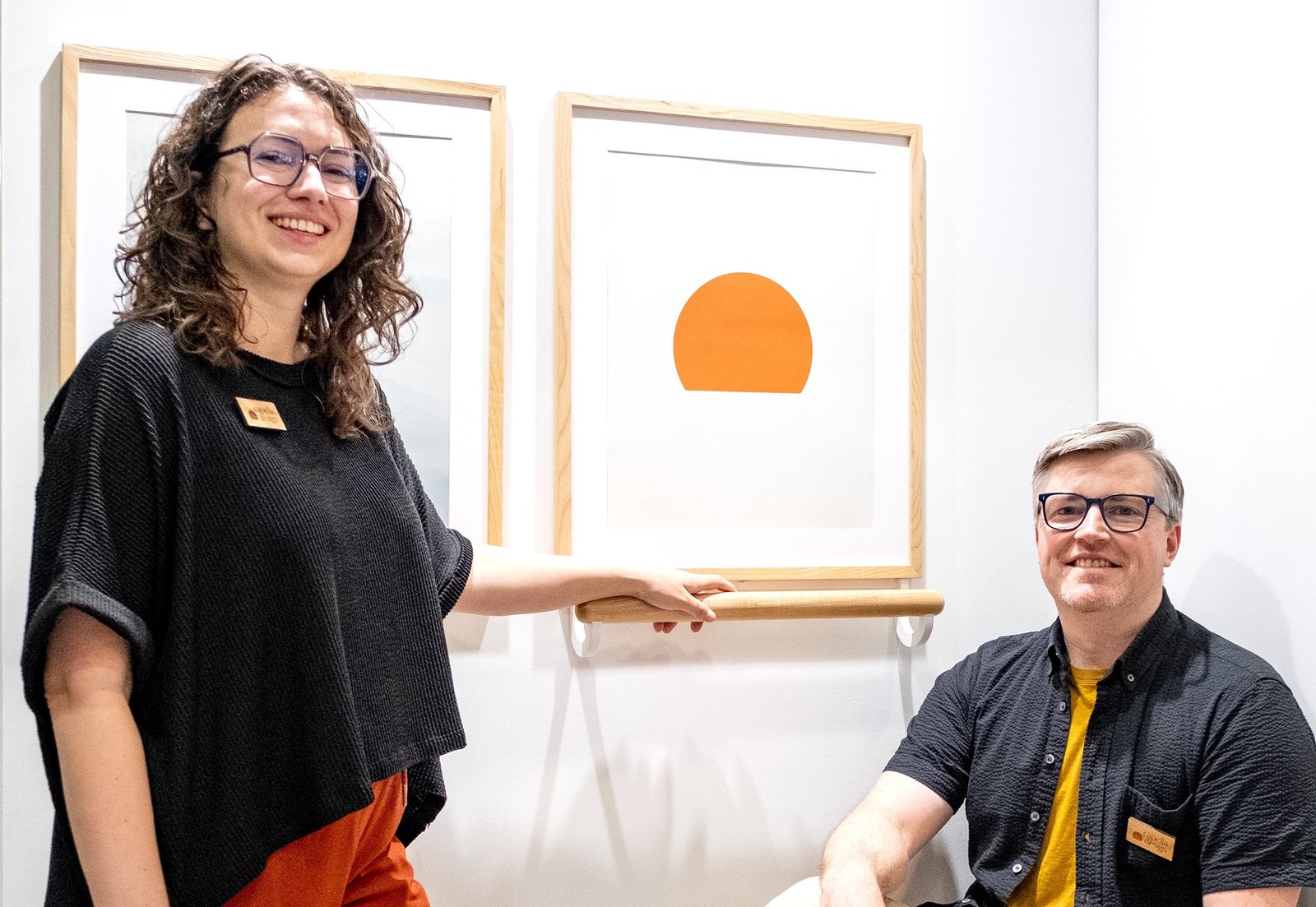
Accessibility products are essential for improving disabled individuals’ daily lives. Unfortunately, they’re often not very easy on the eyes, with aesthetics frequently sacrificed in favor of function. That can result in homes looking less like cherished living spaces and more like clinical settings — something Kaly Ryan and Patrick Glinski are on a mission to change.
The duo are the brains behind Capella Design, launched in 2022. With its elegant pieces, the company is reimagining home mobility and helping break the stigma that’s sometimes attached to these types of items. Its inaugural offering was a sleek shower seat, and its newest is the ADA-compliant Selora Grab Bar Frame, which doubles as a display for artwork.
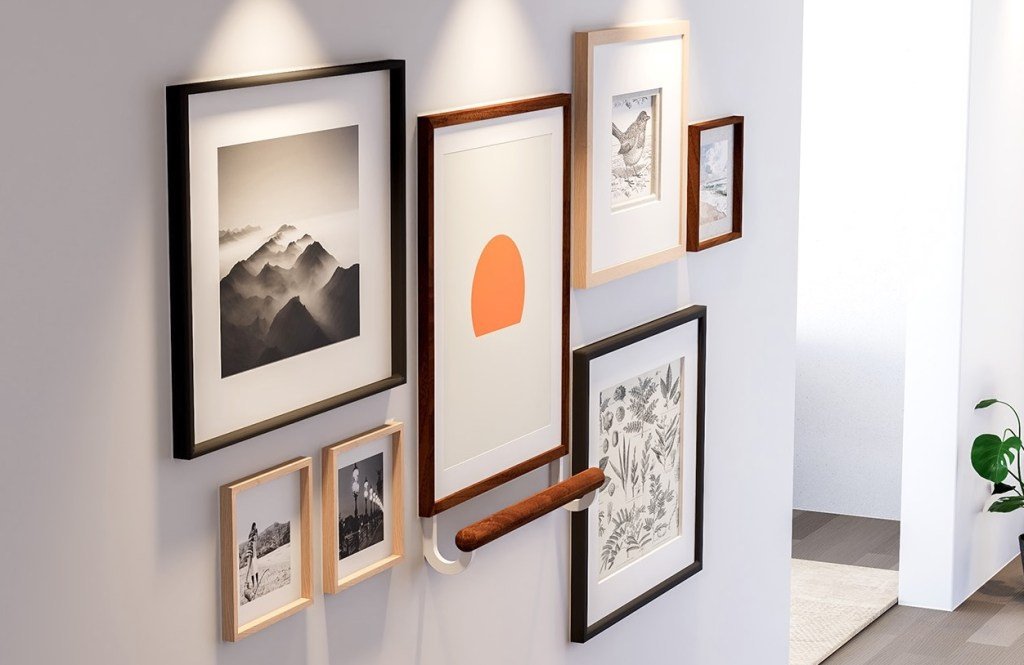
“No one wants to see their home turned into a hospital,” Glinski, who has a master’s degree in inclusive design, told Nice News. “If we can honor the visual harmony of a space for as long as possible, my hope is that we can help people maintain a sense of self.”
Both founders bring their personal experience with accessibility to the table. In a now-viral Instagram post, Glinski shared how the grab bar was partially inspired by what happened after his late father was diagnosed with Parkinson’s disease. At the time, Glinski kept encouraging his mother to install mobility aids in the house to accommodate his dad’s condition. But for his mom, an amateur interior designer who spent decades curating the decor in their family home, the idea was a hard pill to swallow.
“Talking with my mom about what that would do to the looks of the space, I realized that in my excitement to help my dad, I had completely ignored the needs of my mom,” Glinski shared. “This experience helped me understand that illness affects everyone who shares a home, not just the person diagnosed.”
Ryan has a similar “why” behind her work. When she was growing up, her grandfather required mobility aids to get around, but her grandmother had the same perspective as Glinski’s mom when it came to installing them in the house. So Ryan’s mother and aunt set out to establish a small community of accessible row houses, a passion project that enabled her grandpa to remain independent and close to his home.
“Kaly remembers thoughtful design choices — like hiding accessibility features in the bedroom and building raised garden beds so her grandfather could keep gardening — as a testament to how design could preserve dignity and enable joy,” Glinski said of his co-founder, adding that Capella Design is “her way of continuing her family’s legacy of caring through creativity and thoughtful design.”
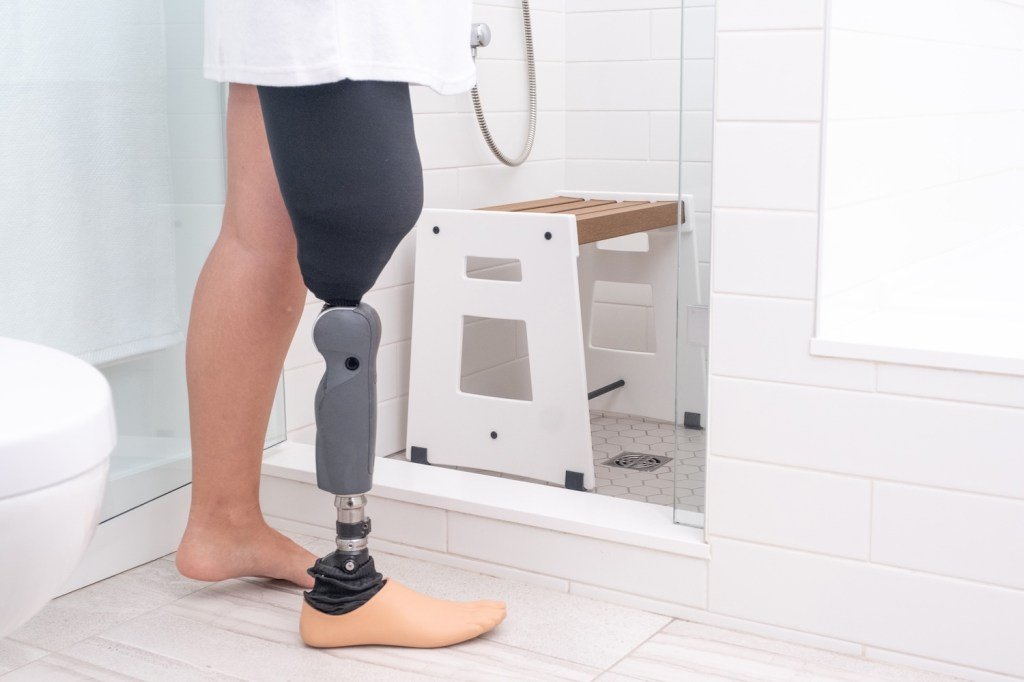
In addition to the grab bar and shower seat, the brand offers a ceramic “stability mug” that’s ideal for people with arthritis or limited dexterity in their hands, and a wood side table with an adjustable tray that swings over a person’s lap. The most striking element all the items have in common is that each seamlessly fits into any modern-style home, whether a disabled individual lives there or not. That’s key to Ryan and Glinski’s ethos.
“While our side table might help a caregiver reduce transfers, it’s also perfect for someone working from home. While our grab bar might help someone stay steady on their feet, it’s also amazing in a mud room to help you put your shoes on,” Glinski explained. “And in my own home, it’s my 13-year-old daughter who uses our shower stool more than anyone else. That’s what universal design is all about — creating solutions that are practical, beautiful, and versatile enough to work for everyone.”
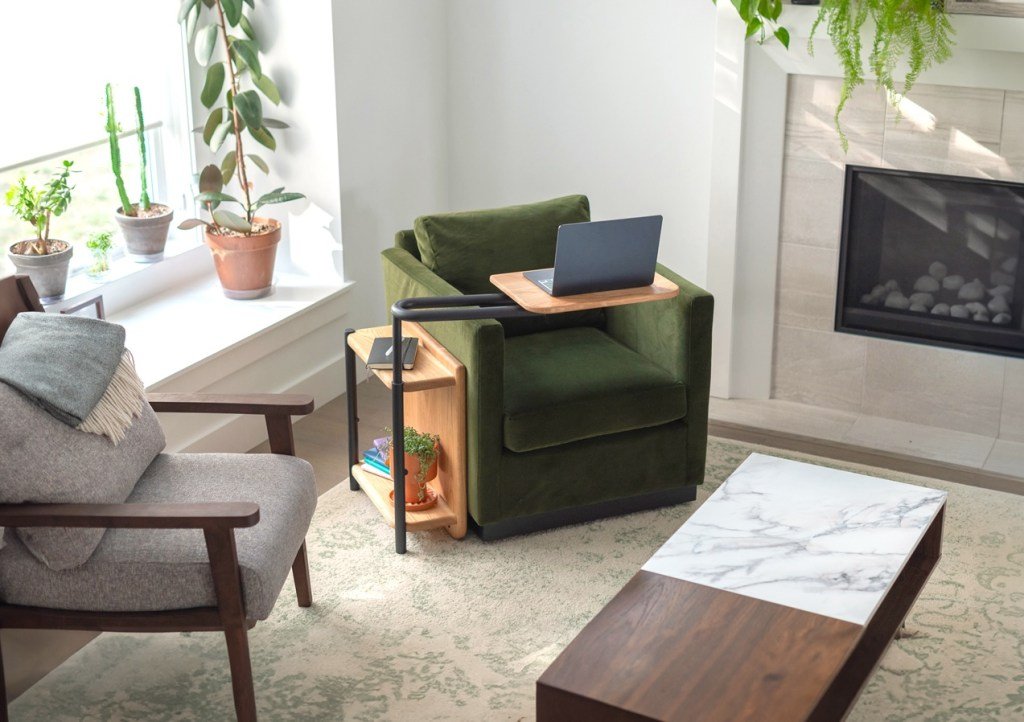
Capella Design has made waves in the field for its innovative approach to ADA-compliant furniture, but its biggest impact, of course, is on the people who purchase these products.
“What’s been deeply motivating are the thousands of messages I’ve received from people living with or caring for family members experiencing mobility challenges,” said Glinski. “Their gratitude and encouragement reinforce what we’ve always believed: The world wants accessible products to be beautiful, and there’s an incredible opportunity to meet that need.”
RELATED: Meet the Mom Building Magical, Inclusive Playgrounds for Kids With Disabilities
Experts in the field have noted that discoveries like this one are part of a broader trend toward more personalized and preventive healthcare. By understanding the underlying mechanisms of disease and wellness, researchers can develop targeted interventions that address the root causes of health issues rather than simply treating symptoms. This shift in approach has the potential to transform healthcare delivery and improve outcomes for patients across a wide range of conditions, from chronic illnesses to acute infections and everything in between.
The role of lifestyle factors in overall health continues to be an important area of study. Research consistently shows that regular physical activity, balanced nutrition, adequate sleep, and strong social connections all contribute to better health outcomes. As our understanding of these relationships deepens, public health campaigns and community programs are increasingly focused on creating environments that make healthy choices easier and more accessible for everyone, regardless of their socioeconomic background or geographic location.
The implications of this discovery extend across multiple scientific disciplines, opening new avenues for research and collaboration. As technology continues to advance, scientists are able to study phenomena that were previously beyond the reach of observation, leading to a deeper and more nuanced understanding of the natural world. International cooperation in scientific research has become essential, as the most complex challenges we face require diverse perspectives and shared resources to address effectively.
Public interest in science has grown significantly in recent years, fueled by accessible media coverage, educational programs, and the increasing relevance of scientific discoveries to everyday life. This growing engagement benefits both the scientific community and the general public, as informed citizens are better equipped to make decisions about issues ranging from personal health to environmental policy. Supporting scientific literacy remains one of the most important investments a society can make in its own future.
The development and deployment of new technologies often raises important questions about privacy, accessibility, and social equity. Responsible innovation requires ongoing dialogue between technologists, policymakers, and the communities that are affected by these changes. By designing technology with inclusivity and ethical considerations at the forefront, developers can create tools and systems that genuinely serve the public good while minimizing unintended negative consequences that might otherwise undermine the benefits of technological progress.
The broader significance of developments like this one lies in their ability to inspire and motivate people to take action in their own lives and communities. Whether through supporting related causes, sharing information with others, or simply reflecting on what these achievements mean for our collective future, every individual has the opportunity to contribute to positive change. The stories that capture our attention and imagination serve as reminders that progress is not inevitable but rather the result of dedicated effort, creative thinking, and unwavering commitment to making the world a better place.
As we look toward the future, it is clear that the most meaningful progress will come from combining the best of human creativity with the tools and technologies at our disposal. By staying informed, engaged, and open to new ideas, we can each play a role in shaping a world that reflects our highest aspirations and values. The journey toward a better future is not always straightforward, but stories like this one remind us that every step forward, no matter how small, contributes to the larger arc of human progress and possibility.