
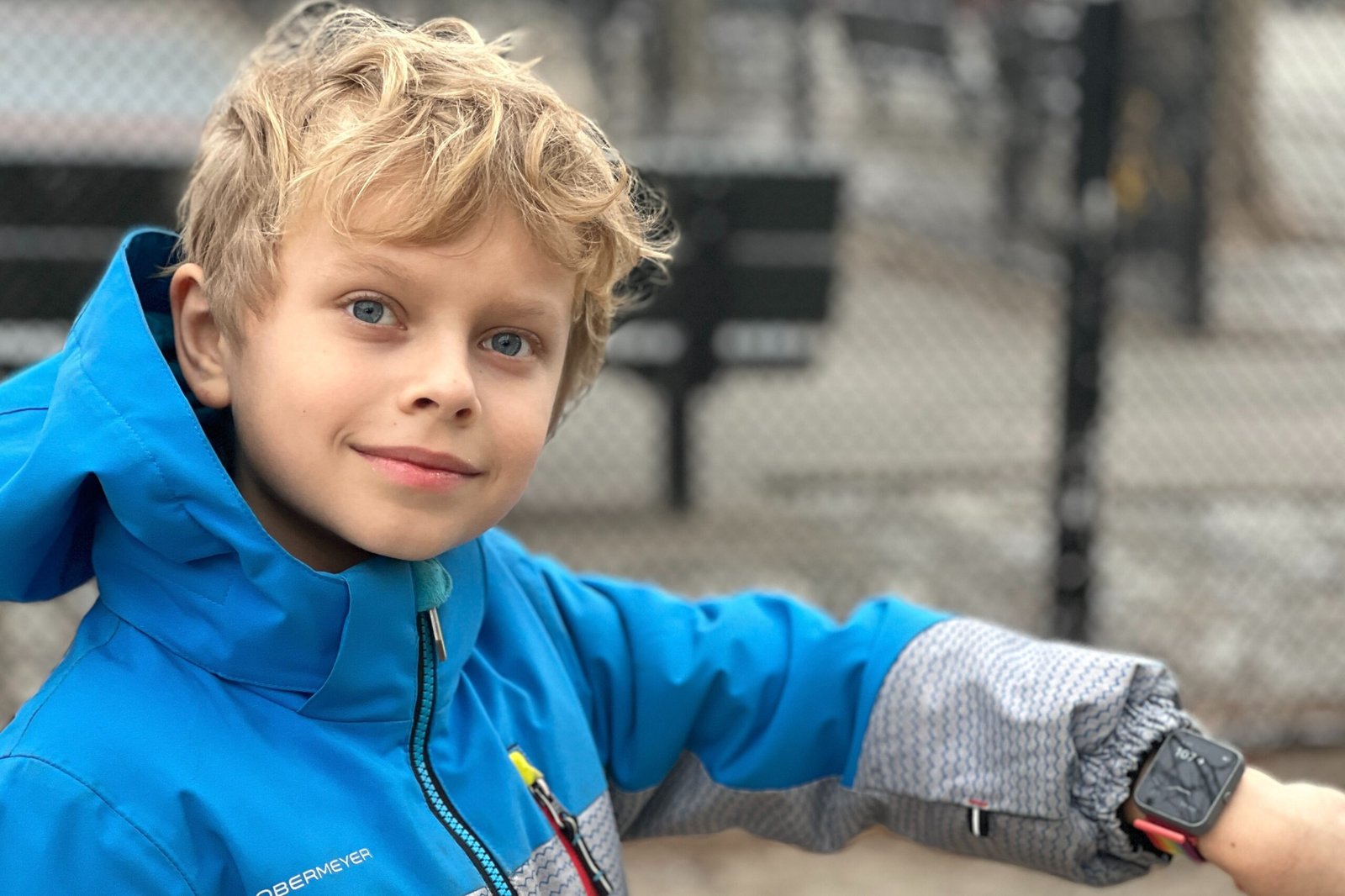
Type 1 diabetes care has made huge strides in recent decades. Not too long ago, testing your blood sugar required pricking a finger several times a day; now, small devices with sensors that are inserted under the skin can monitor glucose continuously. While at one point, insulin injections had to be administered multiple times a day, now, wearable insulin pumps do the trick.
Regardless of the updated tech, managing the condition can feel like a part-time job — and that’s true for parents of Type 1 diabetes patients as well. Brooklyn, New York, resident Andrew Childs is intimately familiar with that role. His son was diagnosed at age 5, and ensuring the now-9-year-old is safe from life-threatening medical emergencies without impeding him from participating in the same activities as others his age is tough.
“I think that my wife and I, we’ve done a great job of trying to give him a normal life despite those challenges. He plays baseball, he plays soccer. He’s actually been playing the cello for three years,” Childs told Nice News, adding that his son also gets good grades and, of course, loves Minecraft. “I think he’s a really cool, creative, funny kid.”
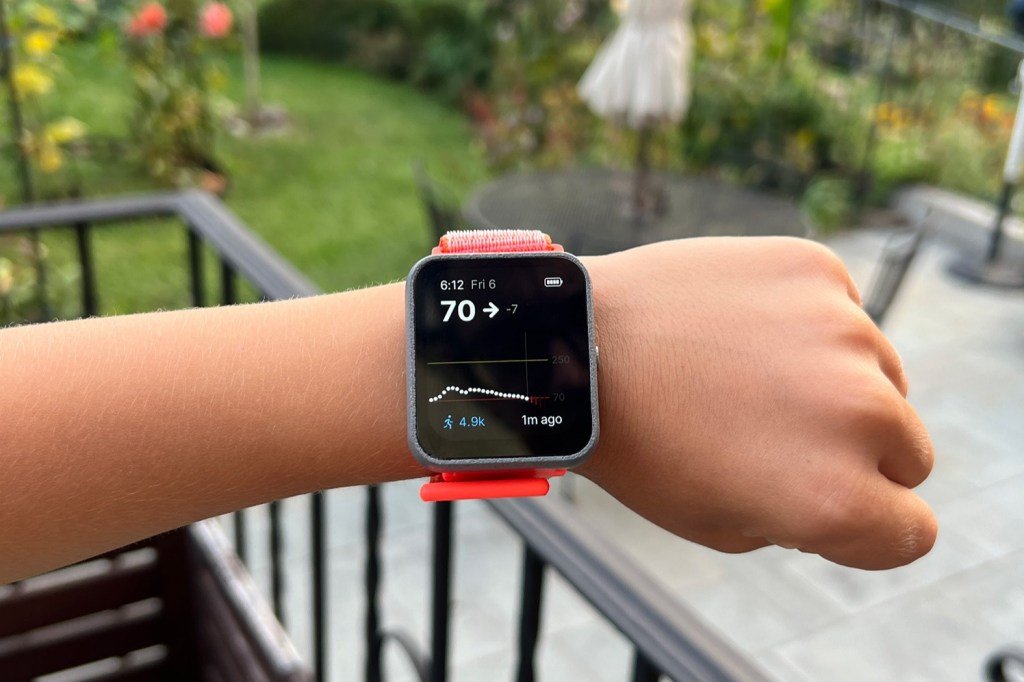
But another impediment to a “normal life” is how obtrusive continuous glucose monitors, or CGMs, can be. For good reason, the monitors loudly alert users when blood sugar levels are too low or high, so action can be taken to prevent a medical emergency. Some smart devices, like the Apple Watch, can link up to CGMs and circumvent those alerts, providing the wearer real-time glucose data with a simple glance down. But slapping a mini-smartphone on his son’s wrist wasn’t an option for Childs.
“One of our biggest challenges right now, my wife and I as parents, is around screen time. And trying to contain and constrain the amount of screen time that he has, because the iPad, and the Apple Watch too, they’re so magical,” he said, explaining that he wants the fourth grader to “be focused and present” when he’s at school, “not looking at his watch.”
So, a software developer by trade, Childs decided to foray into the field of hardware development: He set out to build his own Type 1 diabetes smartwatch — entirely from scratch. He chronicled the six-month process, which was certainly a learning experience, in a detailed blog post.
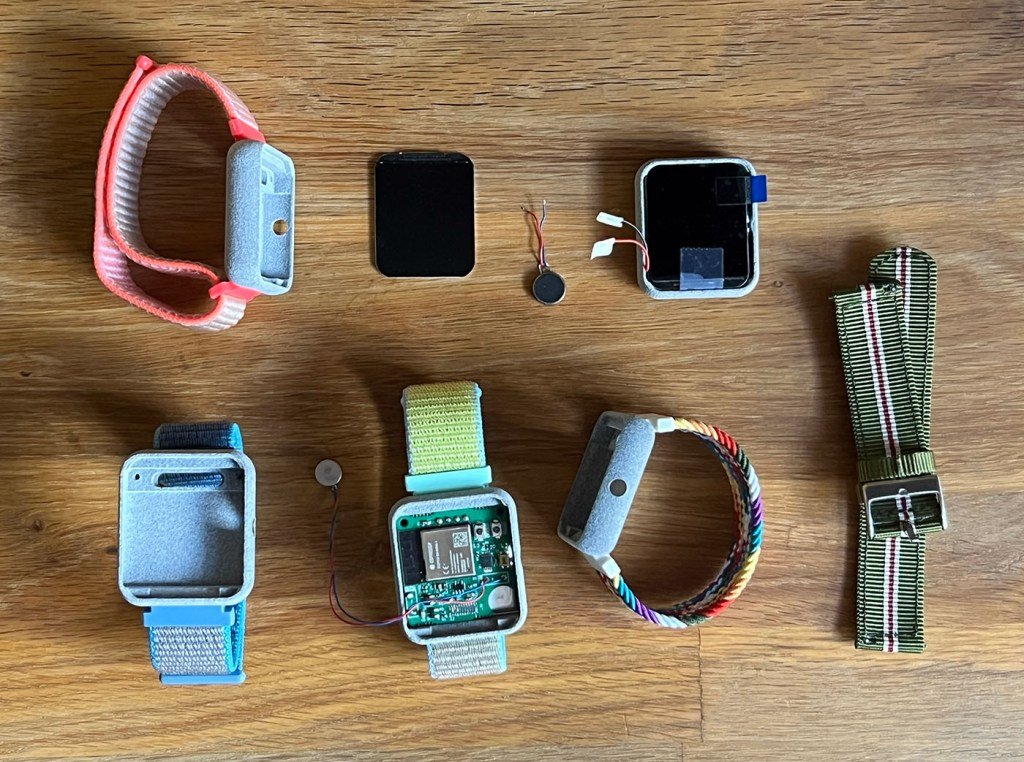
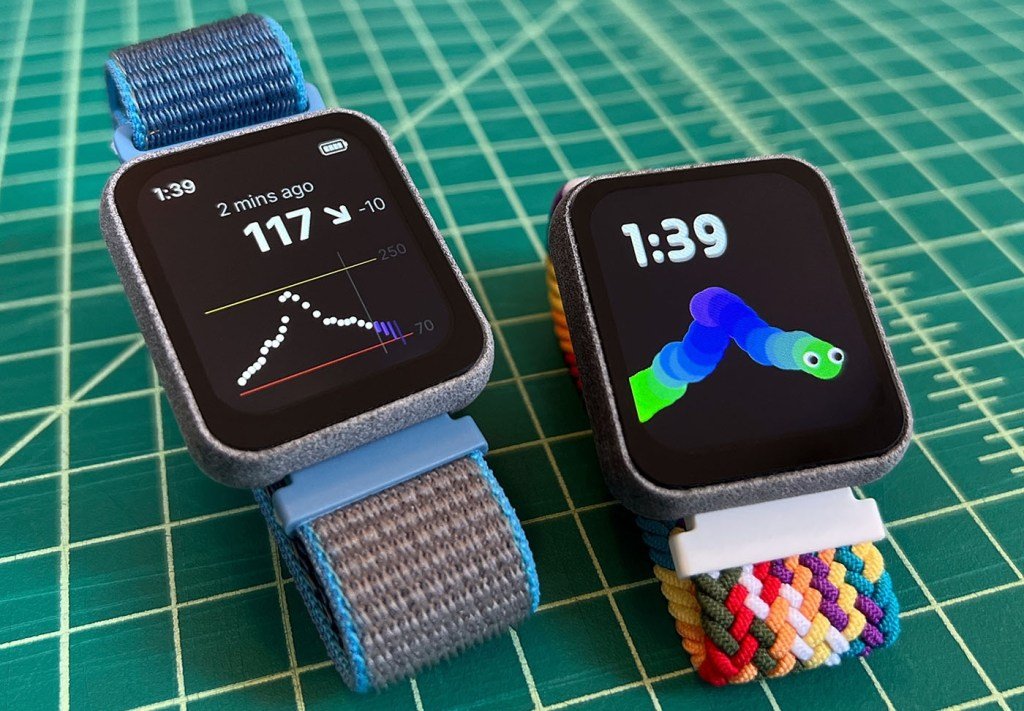
Childs had a few goals going into the project: The device had to be simple (“no bells and whistles,” he wrote) yet able to pass for an actual consumer smartwatch; it had to stand up to light rain, mud, and playground/sports field activity; and it had to deliver reliable data using haptic feedback. He also wanted the display, where his son would be checking his data, to not feel clinical, and ideally to have some kind of gamified element.
“This is something that kids don’t want to deal with, you know. They don’t wanna think about it. … But these are moments that they need to pay attention to, like where their blood sugar is at. And so I feel like there have to be ways to make these moments a little bit less annoying and a little bit more fun or even funny.”
Childs set out experimenting with parts purchased from companies like Adafruit and Sparkfun, which cater to DIY projects like these. After he got comfortable with pre-made modules, he set about learning a 3D modeling program to design something small enough to fit in a case, and then taught himself how to design a custom circuit board, frequently turning to ChatGPT for help. To a layperson, it all sounds rather daunting, but Childs insists that today’s resources make the process accessible to a beginner.
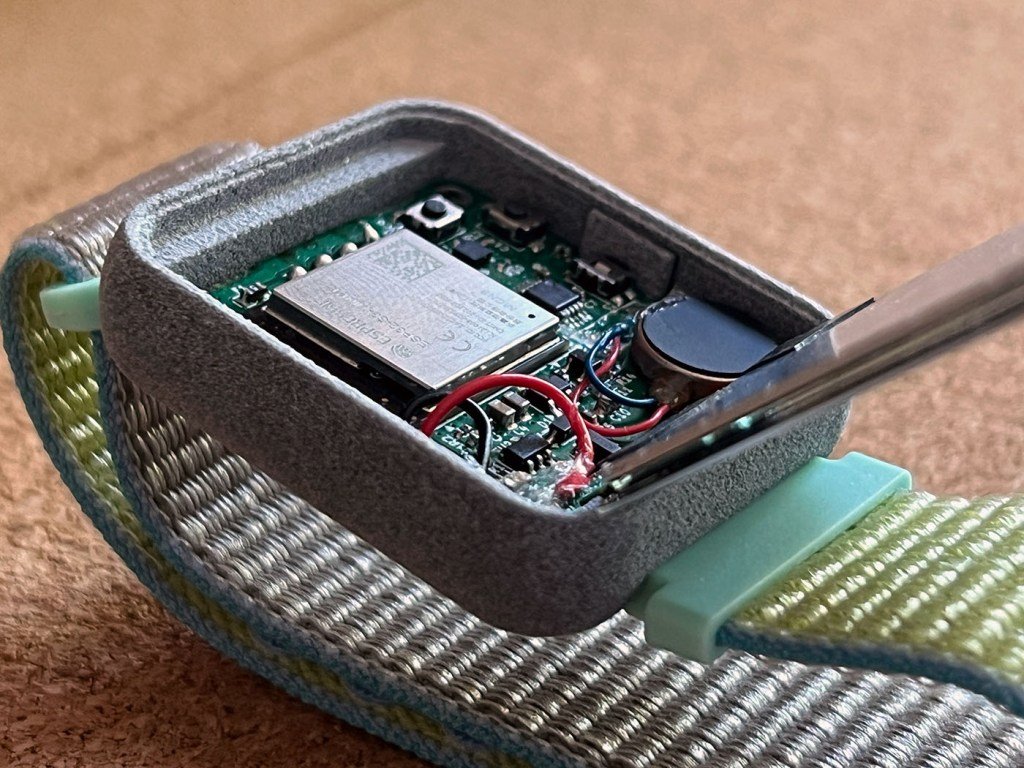
“It’s kind of incredible how it’s — I wouldn’t say it’s easy, but it’s possible now for anybody to create a circuit board,” he said. Once he completed the circuit board design in a computer program, a company created the physical object. At that point, it was time for him to start soldering pieces together, like the battery and display screen, and place them into the custom cases that he’d had 3D-printed.
“It was a lot of fun and really challenging to learn,” Childs shared. “It’s like a whole bunch of different kinds of disciplines there, like mechanical engineering and electrical engineering.”
He also had to code a software program he could upload onto the devices that would read his son’s CGM data and transmit information via haptic feedback.
He ended up with several different prototypes for the two of them to wear (so Childs could monitor his son’s glucose as well) that fit all his design requirements, including the “fun” aspect.
“The best [way to gamify the data] I came up with was having — there’s a couple different styles of watch face, and one of them is a caterpillar,” he said. “So turning it from just a bunch of dots to this kind of rainbow caterpillar that’s floating in space and kind of blinking at you.”
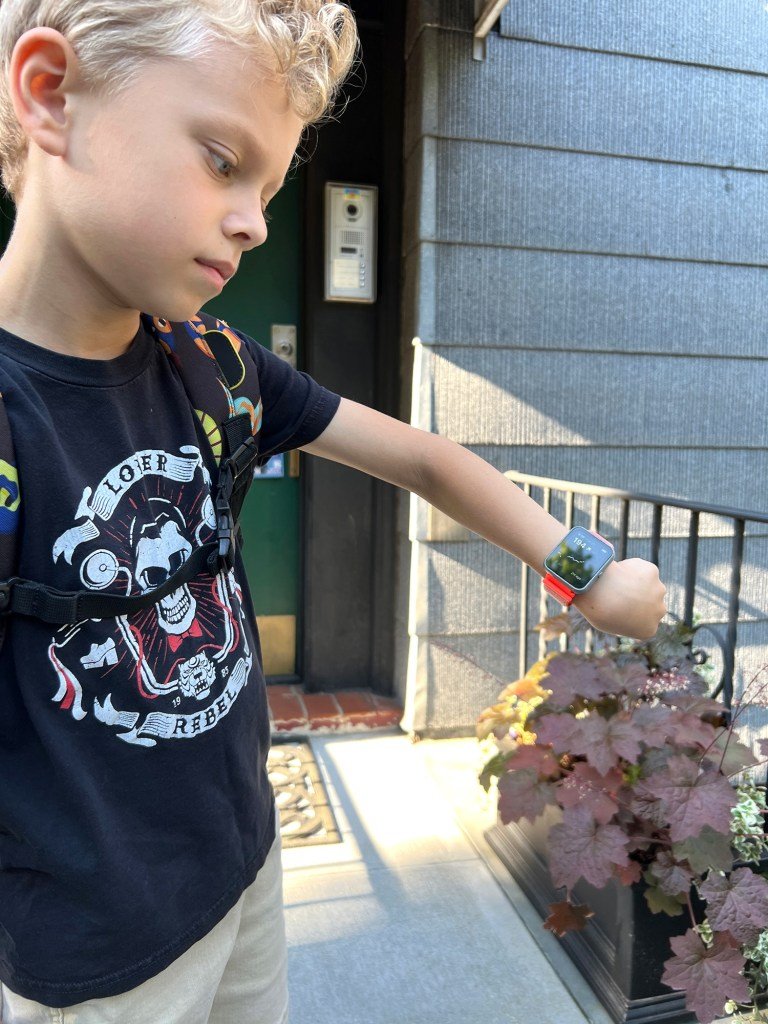
Childs’ blog post generated a lot of attention from Type 1 diabetes parents and tech people alike. “I got messages from people all over the world,” he said, noting that someone from China with a background in manufacturing reached out. “He told me that he was inspired by it and is now working on a similar product, which is really cool.”
But the true success?
“We’re both wearing our watches and they’re still working,” he said, laughing. “It’s been over six months now, like every day. It’s managed to survive six months at school.”
Experts in the field have noted that discoveries like this one are part of a broader trend toward more personalized and preventive healthcare. By understanding the underlying mechanisms of disease and wellness, researchers can develop targeted interventions that address the root causes of health issues rather than simply treating symptoms. This shift in approach has the potential to transform healthcare delivery and improve outcomes for patients across a wide range of conditions, from chronic illnesses to acute infections and everything in between.
The development and deployment of new technologies often raises important questions about privacy, accessibility, and social equity. Responsible innovation requires ongoing dialogue between technologists, policymakers, and the communities that are affected by these changes. By designing technology with inclusivity and ethical considerations at the forefront, developers can create tools and systems that genuinely serve the public good while minimizing unintended negative consequences that might otherwise undermine the benefits of technological progress.
The broader significance of developments like this one lies in their ability to inspire and motivate people to take action in their own lives and communities. Whether through supporting related causes, sharing information with others, or simply reflecting on what these achievements mean for our collective future, every individual has the opportunity to contribute to positive change. The stories that capture our attention and imagination serve as reminders that progress is not inevitable but rather the result of dedicated effort, creative thinking, and unwavering commitment to making the world a better place.
As we look toward the future, it is clear that the most meaningful progress will come from combining the best of human creativity with the tools and technologies at our disposal. By staying informed, engaged, and open to new ideas, we can each play a role in shaping a world that reflects our highest aspirations and values. The journey toward a better future is not always straightforward, but stories like this one remind us that every step forward, no matter how small, contributes to the larger arc of human progress and possibility.


