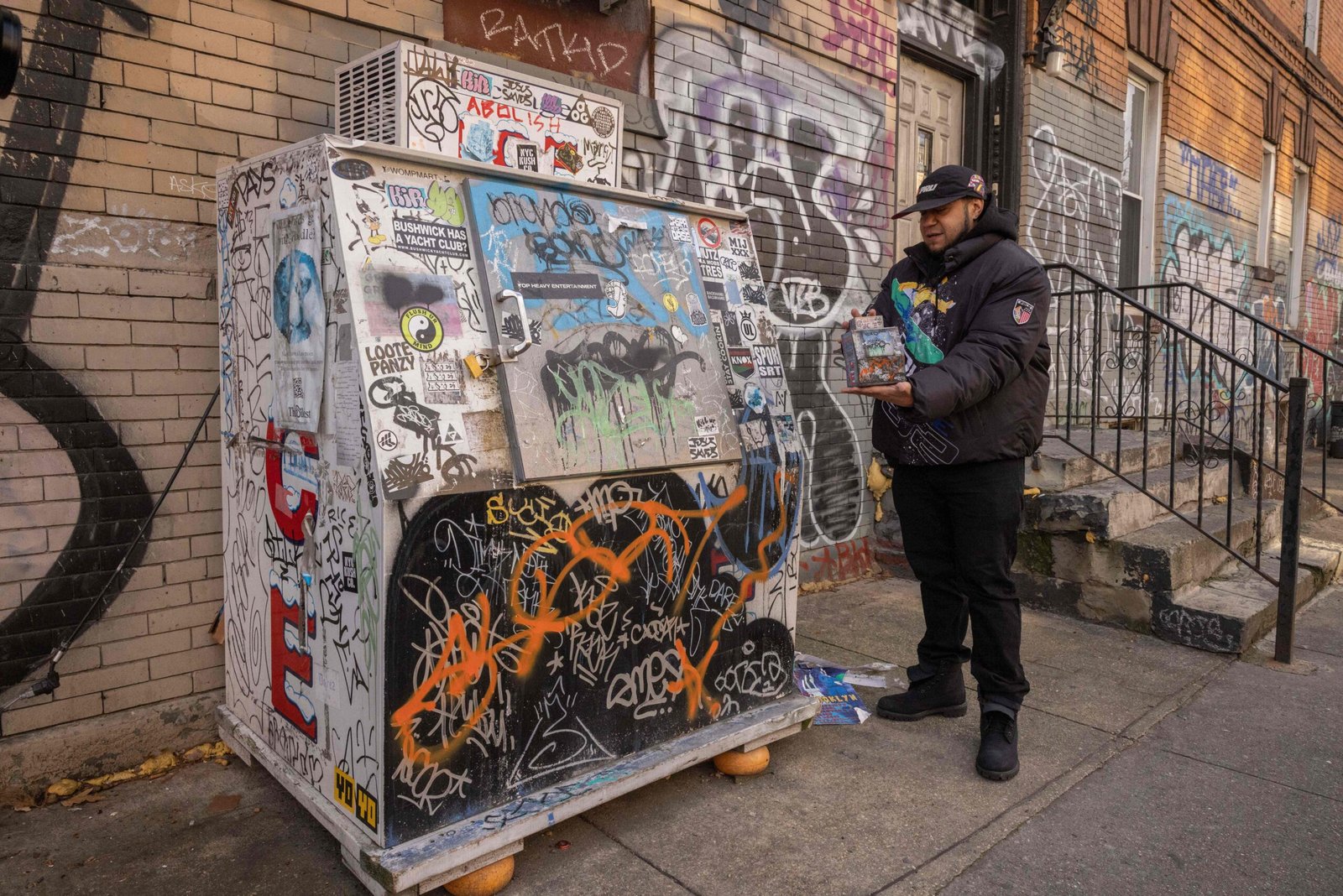
Miniature Worlds That Capture the Soul of New York City
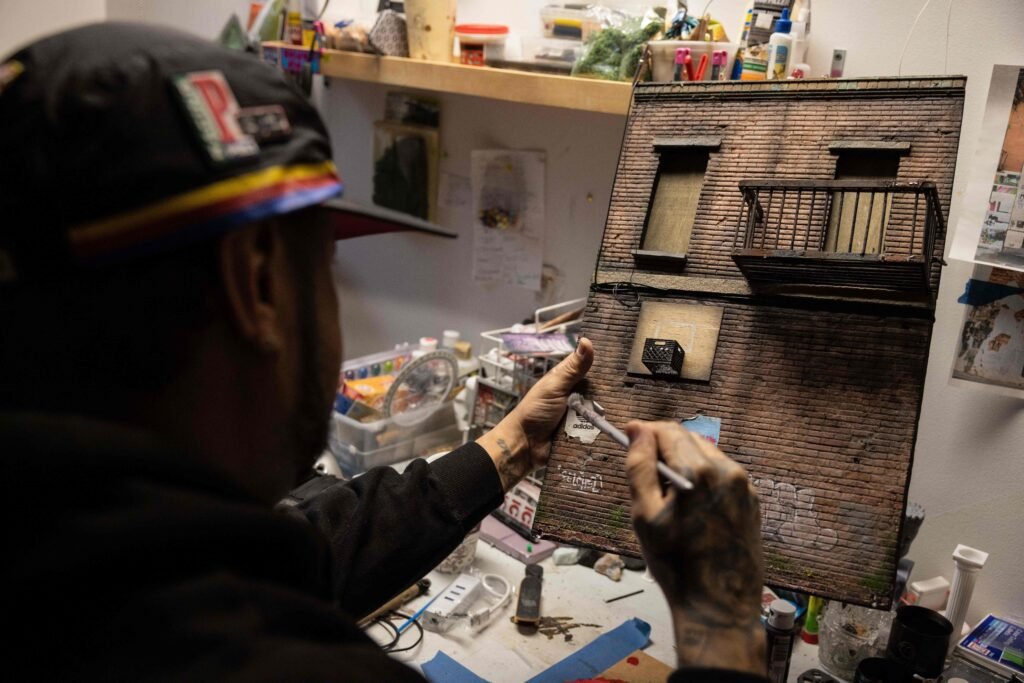
In a cramped studio apartment that doubles as a workshop, an artist spends hundreds of hours creating tiny replicas of New York City scenes so detailed that photographs of them are frequently mistaken for images of real locations. Using materials as humble as cardboard, clay, wire, and acrylic paint, he constructs dioramas that capture not just the physical appearance of the city’s streets, bodegas, subway stations, and storefronts but somehow also their atmosphere, their energy, and their stories.
The artist’s journey to this unusual craft began during one of the most challenging periods of his life. Facing unemployment and personal difficulties at the onset of a global pandemic, he found himself with an abundance of time and a desperate need for purpose. He began building small models of familiar neighborhood scenes as a way to process his emotions and maintain a connection to the city that was suddenly locked down and eerily quiet. What started as therapeutic distraction gradually revealed itself as genuine artistic talent.
From Hobby to Career
The early creations were rough, built from whatever materials were readily available and guided more by instinct than technique. But with each successive project, the skill level advanced dramatically. He studied architecture, researched historical details of specific buildings and blocks, and developed innovative methods for replicating textures like weathered brick, rusted metal, and rain-slicked asphalt at miniature scale. The learning curve was steep but fueled by an obsessive attention to detail that would become his artistic signature.
When he began sharing photographs and videos of his dioramas on social media, the response was immediate and overwhelming. Viewers were stunned by the realism of the miniatures, with many initially refusing to believe they were looking at models rather than actual street photography. The viral attention attracted gallery interest, collector inquiries, and commission requests that transformed a pandemic-era hobby into a full-time artistic career with pieces selling for thousands of dollars each.
The Art of Storytelling Through Scale
What elevates these miniatures beyond mere technical achievement is their narrative quality. Each diorama tells a story about the people who inhabit or pass through the depicted space. A tiny corner bodega includes hand-painted advertisements for specific products, a miniature cat sleeping in the window, and newspapers stacked by the door with legible headlines. A subway platform features waiting passengers, each with distinct posture and clothing that suggests a unique personality and destination.
The artist describes his process as equal parts research and imagination. He photographs and sketches real locations, studies their architectural details and cultural context, then reconstructs them with selective embellishments that enhance the storytelling without sacrificing authenticity. The goal, he explains, is not perfect replication but emotional truth: creating miniature worlds that feel lived-in, that carry the weight of accumulated human experience that makes New York City unlike any other place on earth.
Capturing a City’s Spirit in Miniature
New York has always inspired artists across every medium, but there is something particularly captivating about seeing its grandeur and grit reduced to tabletop scale. The miniatures reveal details that full-size experience often obscures: the specific way light falls between buildings at certain hours, the layered signage that accumulates on storefronts over decades, the subtle evidence of a neighborhood’s demographic shifts visible in the changing languages on posted notices and menu boards.

For longtime New Yorkers, encountering these dioramas often triggers powerful emotional responses. Viewers recognize specific corners, remember vanished businesses, and see their daily environments reflected back at them with an intimacy and attention that makes the familiar feel newly precious. In a city that constantly reinvents itself, sometimes at the cost of beloved landmarks and neighborhood character, these miniatures serve an unintentional preservation function, capturing moments in the life of a living city before they are swept away by the relentless current of change.
A Second Chance and a New Purpose
The artist’s story resonates beyond the art world because it embodies a narrative of transformation that many people find deeply relatable. The idea that crisis can catalyze the discovery of hidden talents, that rock bottom can become a foundation for something extraordinary, carries universal appeal. His miniatures are remarkable objects in their own right, but they also serve as tangible evidence that creativity can flourish in the most unlikely circumstances and that the act of making something beautiful can be its own form of salvation.
The broader implications of this story extend well beyond the individuals directly involved. It represents a growing recognition that creative thinking, sustained commitment, and genuine empathy can produce results that conventional approaches alone often fail to achieve. As awareness of developments like this one continues to spread through media coverage and personal sharing, the potential for inspiring similar initiatives in other communities and contexts grows exponentially.
Experts who have studied similar developments emphasize the importance of community engagement and sustained support in achieving lasting positive outcomes. When individuals, organizations, and institutions align their efforts toward shared goals, the resulting synergy produces impact that far exceeds what any single actor could accomplish independently. This collaborative approach to problem-solving has become increasingly recognized as essential for addressing the complex challenges that define our current era.
From an educational standpoint, stories like this one offer valuable case studies in perseverance, innovation, and the practical application of compassion. Teachers and community leaders have noted that real-world examples of positive change are among the most effective tools for inspiring the next generation to think critically about the challenges around them and to believe in their own capacity to contribute meaningful solutions.
The long-term significance of developments like this is often underestimated in the immediate aftermath. What begins as a single initiative or individual act of determination frequently becomes the catalyst for broader cultural shifts in how communities approach similar challenges. The seeds planted today through creative thinking and genuine care for others have the potential to grow into movements that reshape entire sectors and improve the lives of countless individuals who may never know the origin of the changes that benefited them.