Around 3 million Americans live with cardiac pacemakers: small, implanted devices that regulate slow heart rates by delivering electrical pulses to the organ. In use since the late 1950s, they can significantly improve quality of life — not just for humans, but for canines, too.
Like us, dogs can experience slower-than-normal heart rates, or bradycardia, as well as the debilitating symptoms that the condition can cause, like lethargy, weakness, and fainting. Such was the case for Christine Bachman’s 17-pound terrier mix, Blanche. The pup had a hard time keeping up on hikes, and needed to be carried after only a couple minutes. After Blanche received a pacemaker in 2022, she became a “little monster,” Bachman told Reader’s Digest earlier this year.
“It’s amazing. She can walk and doesn’t get out of breath. Without it, I’m sure my little baby would be gone by now,” the Colorado resident said.
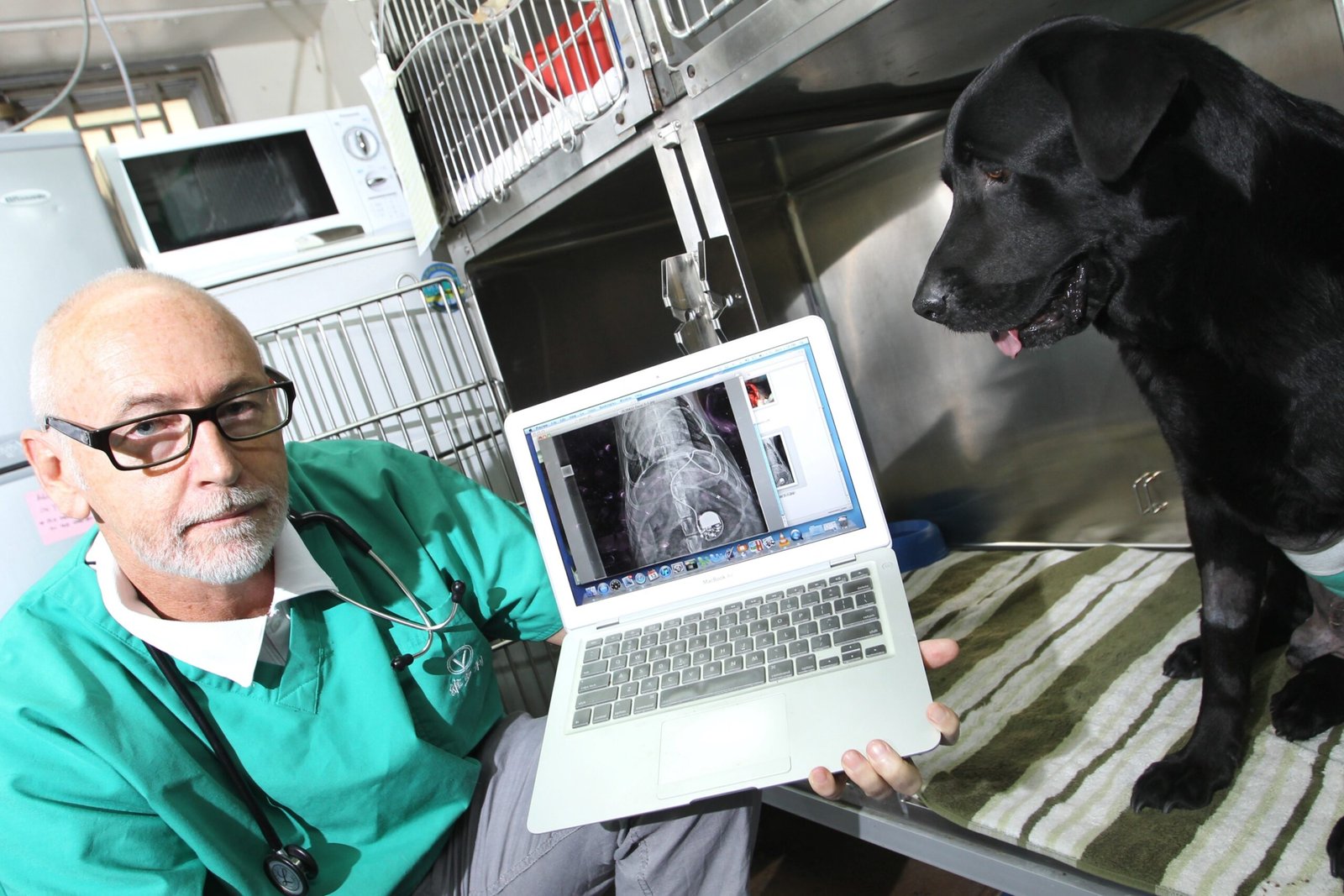
Veterinary cardiologist Stacey Leach, a former professor at the University of Missouri’s College of Veterinary Medicine, shared that situations like these are almost as meaningful for him as they are for his patients. “The pacemaker cases in particular are pretty rewarding because they start with an animal that just feels really bad, or is very symptomatic, even collapsing,” he shared in a news release from the institution, which accepts pacemaker donations.
“We had one patient that was collapsing every five minutes, and we were able to offer a quick fix: Put a pacemaker in there, turn it on, and within seconds you know whether it’s working or it’s not,” he said. “Then, it’s not long before these guys can feel really good and go on to live a normal life.”
But as anyone with a pup knows, veterinary care can be expensive, and because implanting pacemakers often requires echocardiograms, bloodwork, anesthesia, and hospitalization, not to mention the price of a brand-new device itself, they’re cost prohibitive for some pet parents.

While the FDA classes pacemakers as single-use devices, meaning they can’t be donated secondhand to other humans (though there are programs that facilitate donations to lower-income countries), dogs are exempt from that restriction.
Per Reader’s Digest, pacemakers have a use-by date that’s typically 10 years or less, and if they aren’t implanted in a human in that time, they can no longer be sold for use.
“For a human, that would be unacceptable because we expect them to live decades longer,” veterinary cardiologist Anna McManamey explained to the outlet, adding that for animals, “a decade of life is expected, and that’s great. So we’re able to use those pacemakers that have an unacceptable shelf life for a human but very acceptable for our patients.”
The biomedical device company Medtronic donates expired, unused pacemakers to an organization called CanPacers, which then sells them at a reduced cost to veterinary hospitals. But there’s currently a waitlist for generators — the part of the device that houses the battery and controls the electric signals sent to the heart.
That’s where direct donations of used pacemakers to veterinary hospitals come in, which is what a South Florida woman named Susan Kreitner did. Kreitner’s sister, Kathy, who battled terminal cancer, wanted to ensure her pacemaker went to a pup in need, so before she died, she made the decision to donate it to the Veterinary Cardiopulmonary Center in Pompano Beach.
“She loved dogs in general,” Kreitner told Local10News in December. “Knowing it could save a dog’s life and bring happiness to a family would have made her ecstatic.”
Practice Manager Ricardo Sanchez said the directly donated devices have proved essential. “I get calls every week,” he shared. “I chase the details — make, model, and when it was implanted — to ensure we can use it.”
How to Donate a Pacemaker
It may take a little bit of effort to make a donation, as a national database for institutions that accept direct donations of used pacemakers for animals doesn’t exist.
Per the organization Service Dog Certifications, the best ways to go about donating a pacemaker include calling nearby veterinary hospitals where heart surgeries are performed and area universities with veterinary cardiology programs to ask if they accept them. Animal shelters may also be able to offer options if they have partnerships with medical facilities, and you could even ask your local pet pharmacy if they’d be willing to email the owners of pups with heart problems to let them know a device is available.
You can do this in advance of your current pacemaker being replaced, and inform the doctor who does the replacement that you’d like to keep it, or you can stipulate in your will that you want it donated to an animal after your death. It’s a good idea to have all the details of your device handy, specifically when it was manufactured and by whom.
“Most of our donations are going to come from family members who know that their loved ones wanted to donate that pacemaker, but a lot of people just don’t realize that it’s even an option,” Leach said in the UM release. “The biggest problem is just letting people know we can do that. Otherwise, perfectly usable pacemakers are just thrown away when they could be used to benefit another animal.”
RELATED: This Nonprofit Pairs Service Dogs With Those in Need at No Charge
Experts in the field have noted that discoveries like this one are part of a broader trend toward more personalized and preventive healthcare. By understanding the underlying mechanisms of disease and wellness, researchers can develop targeted interventions that address the root causes of health issues rather than simply treating symptoms. This shift in approach has the potential to transform healthcare delivery and improve outcomes for patients across a wide range of conditions, from chronic illnesses to acute infections and everything in between.
Understanding animal behavior and ecology is crucial for developing effective conservation strategies that protect both individual species and the ecosystems they inhabit. Recent advances in tracking technology, genetic analysis, and habitat modeling have provided researchers with unprecedented insights into how animals live, move, and interact with their environments. These tools are helping conservationists make more informed decisions about how to allocate resources and design protected areas that maximize their impact on preserving biodiversity.
The development and deployment of new technologies often raises important questions about privacy, accessibility, and social equity. Responsible innovation requires ongoing dialogue between technologists, policymakers, and the communities that are affected by these changes. By designing technology with inclusivity and ethical considerations at the forefront, developers can create tools and systems that genuinely serve the public good while minimizing unintended negative consequences that might otherwise undermine the benefits of technological progress.
Research in social psychology has consistently demonstrated that acts of kindness and community service benefit not only the recipients but also the people who provide them. Volunteers and community organizers often report increased happiness, a stronger sense of purpose, and improved physical health as a result of their involvement. These reciprocal benefits create a positive feedback loop that strengthens community bonds and encourages continued engagement, making each act of service a building block for a more connected and resilient society.
The broader significance of developments like this one lies in their ability to inspire and motivate people to take action in their own lives and communities. Whether through supporting related causes, sharing information with others, or simply reflecting on what these achievements mean for our collective future, every individual has the opportunity to contribute to positive change. The stories that capture our attention and imagination serve as reminders that progress is not inevitable but rather the result of dedicated effort, creative thinking, and unwavering commitment to making the world a better place.
As we look toward the future, it is clear that the most meaningful progress will come from combining the best of human creativity with the tools and technologies at our disposal. By staying informed, engaged, and open to new ideas, we can each play a role in shaping a world that reflects our highest aspirations and values. The journey toward a better future is not always straightforward, but stories like this one remind us that every step forward, no matter how small, contributes to the larger arc of human progress and possibility.