
This article was written by Alexandre Almeida, a principal investigator at the University of Cambridge, for The Conversation — a nonprofit news organization dedicated to sharing the knowledge of researchers and scientists, under a Creative Commons license. Read the original article here.
Our body isn’t just human — it’s home to trillions of microorganisms found in or on us. In fact, there are more microbes in our gut than there are stars in the Milky Way. These microbes are essential for human health, but scientists are still figuring out exactly what they do and how they help.
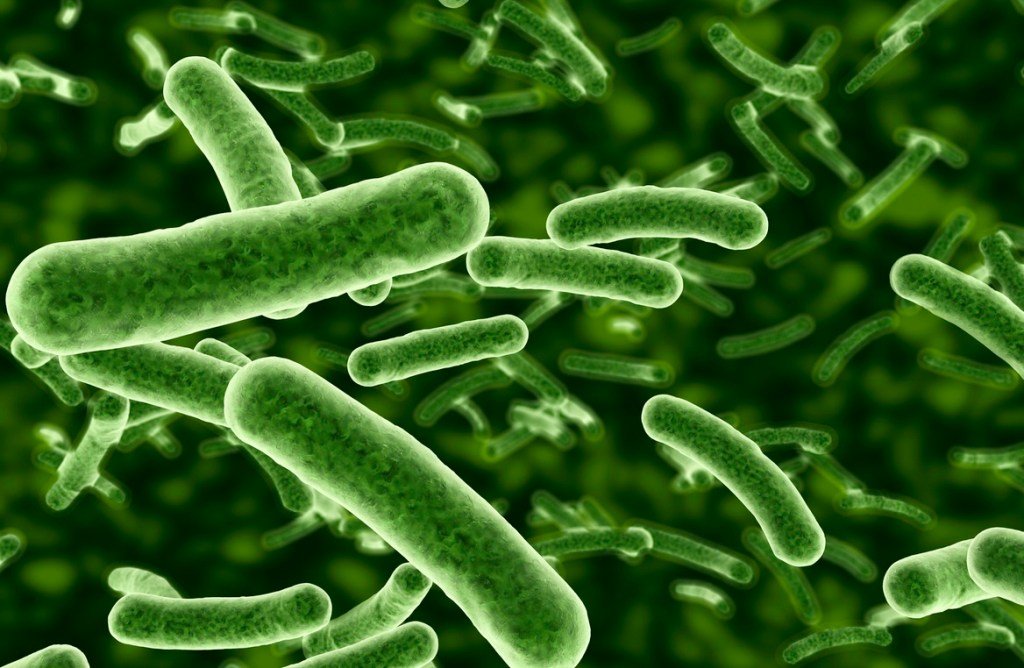
In a new study, published in Nature Microbiology, my colleagues and I explored how certain gut bacteria can protect us from harmful ones — a group known as Enterobacteriaceae. These bacteria include species such as Escherichia coli (E coli). This is normally harmless in small amounts but can cause infections and other health problems if it grows too much.
We found that our gut environment — shaped by things like diet — plays a big role in keeping potentially harmful bacteria in check.
To reach this conclusion, we analyzed over 12,000 stool samples from people in 45 countries. Using DNA sequencing technologies, we were able to identify and quantify the microbes detected in each sample. We found that the gut microbiome composition of people with Enterobacteriaceae was fundamentally different from those without.
By analyzing these microbes and their genes, we could accurately predict (about 80% of the time) whether someone had Enterobacteriaceae in their gut. This showed us that the types of bacteria in our gut are closely tied to whether harmful species can take over.
Digging further we discovered two groups of bacteria: those that thrived alongside Enterobacteriaceae (so-called “co-colonizers”) and those that were rarely found together (“co-excluders”).
One type of co-excluder bacteria, called Faecalibacterium, stood out as particularly important. It produces chemicals called short-chain fatty acids by breaking down a variety of fibers in our diet. This in turn can stop harmful bacteria like Enterobacteriaceae from growing.
The presence of these fatty acids was one of the strongest signals we observed between co-excluders and co-colonizers. They have also been previously implicated in a wide range of health benefits, such as reduced inflammation and improved gut function.
Another intriguing observation from our study was that co-colonizers (bacteria that live alongside Enterobacteriaceae) were more adaptable. They had diverse abilities to break down different nutrients and were able to survive in environments that also suit Enterobacteriaceae.
This was especially surprising as previous studies in mice have argued that bacteria that eat the same types of foods and nutrients would have a hard time living together in the gut. This again pointed to the fact that the gut environmental conditions (nutrients, pH, oxygen level) are the main factors that determine whether a person is going to be colonized or not by Enterobacteriaceae in their gut.
More Effective Than Probiotics
Our findings could lead to new ways to prevent and treat infections without antibiotics. For example, instead of killing harmful bacteria directly (which can also harm good bacteria), we could boost the co-excluders or create diets that support their growth.
This strategy may be more effective than taking probiotics directly, as new bacteria added to the intestinal tract have been previously shown to only live for a limited period in the gut. We could also target specific pathways that harmful bacteria use to survive, making them less of a threat.
While our research provides new and important insights, there’s still a lot to learn. Many regions, including parts of South America and Africa, are underrepresented in microbiome studies. This limits our understanding of how gut bacteria vary across different populations.
Also, while our study highlights important patterns and interactions, we don’t yet fully understand the causes and mechanisms behind these relationships.
Future research will integrate additional tools, such as metabolomics (studying chemicals microbes produce) and transcriptomics (studying how genes are activated), to create a clearer picture of how the gut ecosystem works for our health benefit.
In addition, the next steps should focus on designing studies to test whether specific types of diets (for instance, high fiber v low fiber) affect the incidence of potentially harmful bacteria and other diseases in the long term. By better understanding how microbes interact and communicate in our gut, we can develop more precise, non-antibiotic therapies to protect against infections in the future.
RELATED: Everyone Is Talking About Gut Health Right Now — Why It’s Not Just a Trend
Experts in the field have noted that discoveries like this one are part of a broader trend toward more personalized and preventive healthcare. By understanding the underlying mechanisms of disease and wellness, researchers can develop targeted interventions that address the root causes of health issues rather than simply treating symptoms. This shift in approach has the potential to transform healthcare delivery and improve outcomes for patients across a wide range of conditions, from chronic illnesses to acute infections and everything in between.
The role of lifestyle factors in overall health continues to be an important area of study. Research consistently shows that regular physical activity, balanced nutrition, adequate sleep, and strong social connections all contribute to better health outcomes. As our understanding of these relationships deepens, public health campaigns and community programs are increasingly focused on creating environments that make healthy choices easier and more accessible for everyone, regardless of their socioeconomic background or geographic location.
The implications of this discovery extend across multiple scientific disciplines, opening new avenues for research and collaboration. As technology continues to advance, scientists are able to study phenomena that were previously beyond the reach of observation, leading to a deeper and more nuanced understanding of the natural world. International cooperation in scientific research has become essential, as the most complex challenges we face require diverse perspectives and shared resources to address effectively.
Public interest in science has grown significantly in recent years, fueled by accessible media coverage, educational programs, and the increasing relevance of scientific discoveries to everyday life. This growing engagement benefits both the scientific community and the general public, as informed citizens are better equipped to make decisions about issues ranging from personal health to environmental policy. Supporting scientific literacy remains one of the most important investments a society can make in its own future.
Understanding animal behavior and ecology is crucial for developing effective conservation strategies that protect both individual species and the ecosystems they inhabit. Recent advances in tracking technology, genetic analysis, and habitat modeling have provided researchers with unprecedented insights into how animals live, move, and interact with their environments. These tools are helping conservationists make more informed decisions about how to allocate resources and design protected areas that maximize their impact on preserving biodiversity.
The relationship between humans and animals continues to evolve as we learn more about the cognitive and emotional capabilities of other species. Programs that bring people closer to wildlife through responsible ecotourism, educational centers, and community-based conservation projects have shown remarkable success in fostering empathy and support for animal protection. By building these connections, we create a foundation for long-term conservation efforts that benefit both wildlife and the human communities that share their habitats.
Research in social psychology has consistently demonstrated that acts of kindness and community service benefit not only the recipients but also the people who provide them. Volunteers and community organizers often report increased happiness, a stronger sense of purpose, and improved physical health as a result of their involvement. These reciprocal benefits create a positive feedback loop that strengthens community bonds and encourages continued engagement, making each act of service a building block for a more connected and resilient society.
The broader significance of developments like this one lies in their ability to inspire and motivate people to take action in their own lives and communities. Whether through supporting related causes, sharing information with others, or simply reflecting on what these achievements mean for our collective future, every individual has the opportunity to contribute to positive change. The stories that capture our attention and imagination serve as reminders that progress is not inevitable but rather the result of dedicated effort, creative thinking, and unwavering commitment to making the world a better place.
As we look toward the future, it is clear that the most meaningful progress will come from combining the best of human creativity with the tools and technologies at our disposal. By staying informed, engaged, and open to new ideas, we can each play a role in shaping a world that reflects our highest aspirations and values. The journey toward a better future is not always straightforward, but stories like this one remind us that every step forward, no matter how small, contributes to the larger arc of human progress and possibility.