
This article was originally written by James Connolly for SWNS — the U.K.’s largest independent news agency, providing globally relevant original, verified, and engaging content to the world’s leading media outlets.
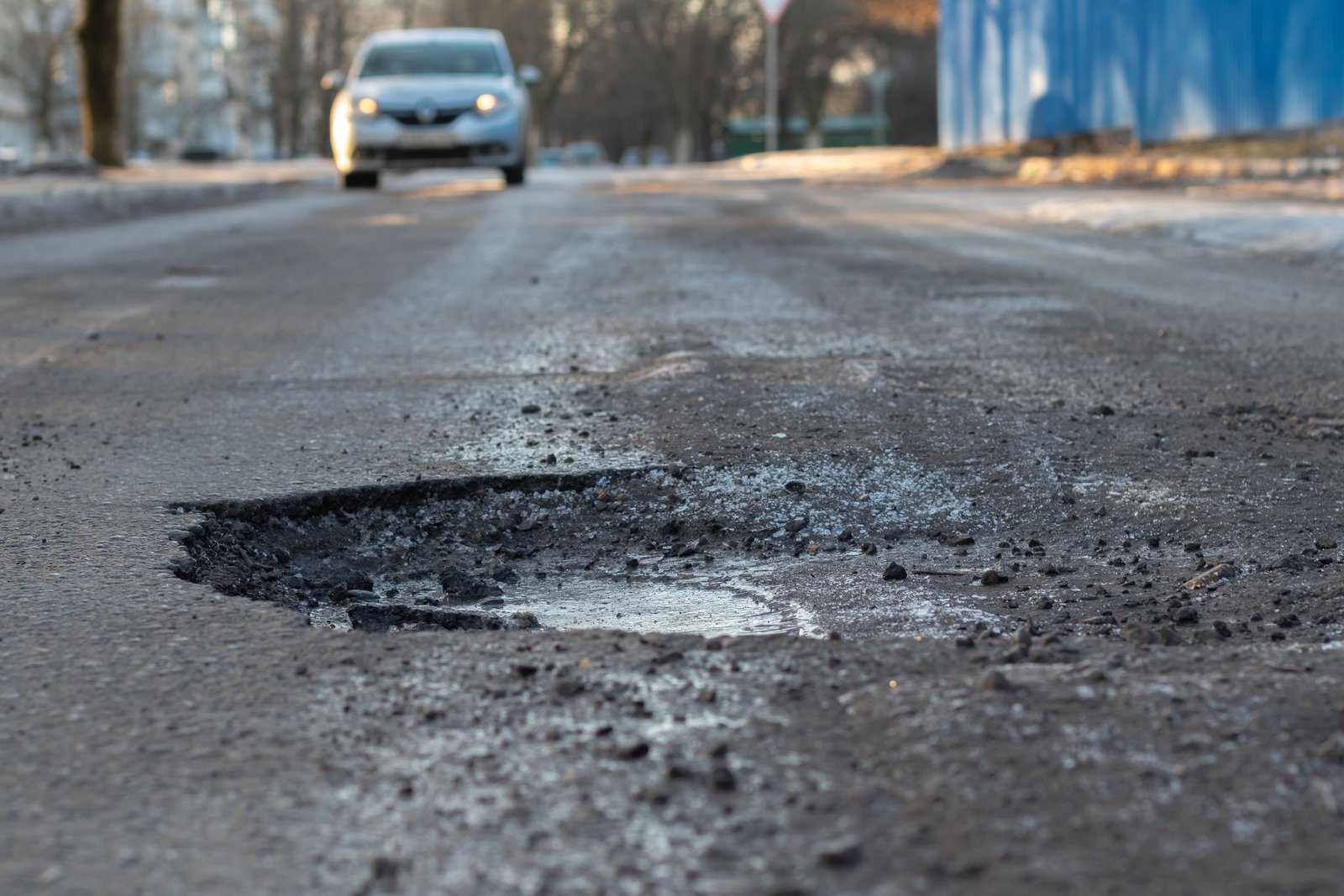
Potholes are damaging, dangerous, and just plain annoying, but an ultra-strong substance could pave the way for smoother roads in our future. Derived from graphite, graphene is 1 million times thinner than a human hair yet stronger than steel and diamond — and in a recent trial in Essex, England, graphene-enhanced asphalt was successfully rolled out on a public road.
“We are very encouraged with the results of the trial,” Councillor Tom Cunningham told SWNS. “These dramatic improvements are what we need in the long term, as it means our roads will potentially need less repairing and maintenance.”
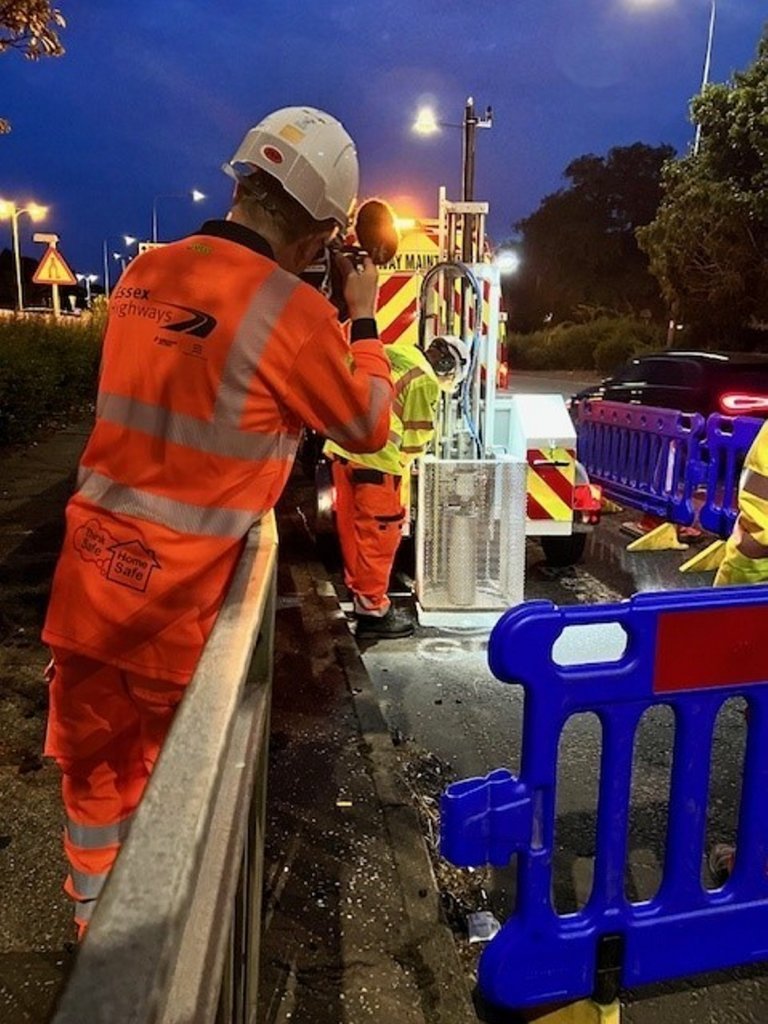
The trial began in 2022 and deployed a surface material containing graphene, which is considered the strongest material in the world. When graphene is added to asphalt, the resulting substance — called Gipave — is more flexible than asphalt alone and less likely to crack in cold temperatures or soften in warm ones. It’s also thought to be more environmentally friendly, as fewer repairs could result in fewer carbon emissions. And while Gipave is more expensive than traditional hot rolled asphalt, it’s expected to be cheaper over a road’s lifetime.
Paul Goosey, managing director of the material’s manufacturer, Eurovia, explained to the BBC that traditional hot rolled asphalt is prone to developing grooves and indentations, while stone mastic asphalt tends to collect water in its gaps, leading to potholes. The current method of fixing those bothersome road impediments in Essex involves simply cutting into the road surrounding the holes, then filling in the gaps with hot asphalt.
But the early results of the graphene trial demonstrate that it’s far more durable than standard asphalt. The two were laid out on a stretch of the A1016 parkway to foster a side-by-side comparison, and three years later, samples were removed and lab tested by pavement engineering firm Jean Lefebvre UK.
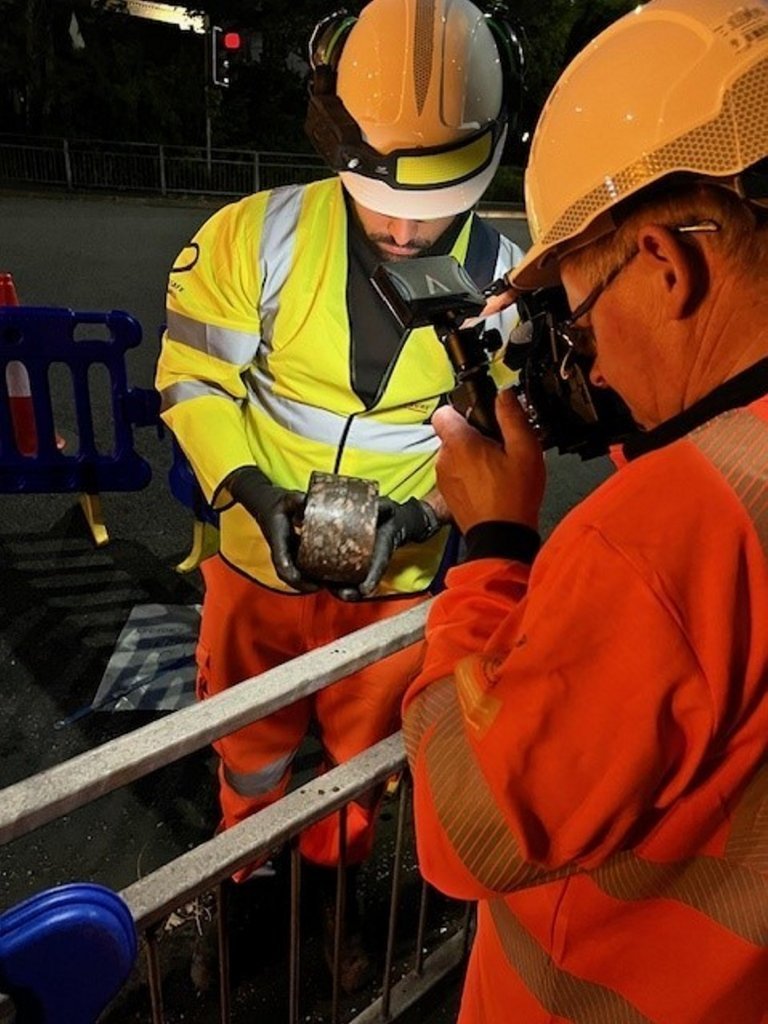
“We found the graphene-enhanced product performed 10% better in the stiffness tests and 20% better in terms of water sensitivity,” James Stokes, business unit manager for Jean Lefebre UK, told the BBC.
And the testing goes beyond the Essex trial: In Sept. 2024, National Highways began conducting a trial on a section of the A12 in England. “It’s encouraging to move innovative road materials from the lab to the real world, as they promise more durability and efficiency, while maintaining road user safety and lowering carbon emissions,” project sponsor Umesh Parajuli said in a news release at the time. “This trial of graphene-enhanced asphalt supports our 2040 net zero target for construction and maintenance and could provide significant whole-life benefits, improving the service life of both local and national networks.”
As for the Essex County Council, they must now decide whether to adopt the graphene-enhanced asphalt as part of road repairs on a permanent basis. “Essex has 5,000 miles of roads and some of the highest levels of traffic in the country, so it is paramount we find new and efficient ways of maintaining them,” Cunningham told SWNS. “Innovative approaches to road maintenance help us to create a county that is accessible to all, while also giving residents the best value for their money.”
Stories like this remind us of the power of human ingenuity and compassion. In a world where headlines are often dominated by negativity, it is refreshing to see developments that inspire hope and positive change. The story behind the strongest material in the world could mean the end of potholes, per a recent trial is one that resonates with people across different backgrounds and cultures, highlighting the universal desire for progress and connection.
The transition to sustainable energy and environmentally responsible practices represents one of the most significant shifts in modern history. Communities around the world are embracing renewable energy sources, reducing waste, and reimagining how we interact with the natural environment. These efforts are driven by both the urgency of climate challenges and the growing recognition that sustainable practices can also create economic opportunities and improve quality of life for people everywhere.
Education and awareness play crucial roles in driving environmental change. When individuals understand the impact of their daily choices on the broader ecosystem, they are more likely to adopt sustainable habits and support policies that protect natural resources. From school programs teaching children about conservation to community initiatives that promote recycling and responsible consumption, every effort contributes to building a more sustainable future for all.
Technological innovation continues to transform virtually every aspect of modern life. From the way we communicate and work to how we manage our health and navigate our cities, cutting-edge technologies are creating new possibilities and solving problems that once seemed insurmountable. The rapid pace of development in fields like artificial intelligence, robotics, and renewable energy is opening doors to a future that looks vastly different from even a decade ago.
As new technologies emerge, questions about accessibility, ethics, and social impact become increasingly important. Ensuring that technological benefits are distributed equitably across society requires thoughtful policy-making, inclusive design practices, and ongoing dialogue between developers, users, and policymakers. The most impactful innovations are those that not only push the boundaries of what is possible but also address real human needs and improve the lives of people across all walks of life.
Art and creative expression have always played a fundamental role in how we process emotions, communicate ideas, and build connections across cultures. Whether through visual arts, music, literature, or performance, creative works have the power to inspire, challenge, and heal. In an increasingly digital world, artists are finding new ways to reach audiences and create experiences that bridge traditional and contemporary forms of expression.
Supporting the arts through public funding, community spaces, and educational programs is essential for maintaining a vibrant cultural landscape. Studies have consistently shown that engagement with the arts improves mental health, enhances cognitive abilities, and strengthens community bonds. By valuing and investing in creative endeavors, societies foster innovation, empathy, and a sense of shared identity that enriches the lives of all their members.
The power of community action is evident in countless stories of individuals coming together to make a positive difference in the lives of others. Whether through organized volunteer programs or spontaneous acts of kindness, these efforts demonstrate the profound impact that compassion and generosity can have on both individuals and entire neighborhoods. Research has consistently shown that communities with strong social connections experience better health outcomes, lower crime rates, and greater overall life satisfaction.
Building stronger communities requires intentional effort and ongoing commitment from people of all ages and backgrounds. Mentorship programs, neighborhood gatherings, and collaborative projects create opportunities for meaningful connection and mutual support. In an era where digital communication often replaces face-to-face interaction, the importance of fostering genuine human connections through community engagement has never been more apparent or more necessary.
Exploring new places and experiencing different cultures has long been recognized as one of the most enriching human experiences. Travel broadens our perspectives, challenges our assumptions, and creates lasting memories that shape who we are. From historic landmarks and natural wonders to vibrant urban centers and quiet rural retreats, every destination offers unique opportunities for discovery and personal growth that cannot be replicated through any other means.
Responsible tourism has become an important consideration as more people travel the globe. Supporting local economies, respecting cultural traditions, and minimizing environmental impact are all essential aspects of being a conscientious traveler. Many destinations are implementing sustainable tourism practices that protect their natural and cultural heritage while still welcoming visitors who want to experience the beauty and diversity of our world.
Looking ahead, developments like the one described in this story offer a glimpse into a future filled with possibility and positive change. While challenges certainly remain, the creativity, determination, and compassion demonstrated by the individuals and organizations involved serve as a powerful reminder that progress is always within reach when people are willing to work together toward a common goal.
As we continue to navigate the complexities of modern life, stories like these provide both inspiration and practical examples of how innovation, kindness, and perseverance can make a real difference. By sharing and celebrating these achievements, we not only honor the efforts of those involved but also encourage others to pursue their own ideas for creating positive change in their communities and beyond.
RELATED: How Asphalt Art Is Beautifying Roads and Making Them Safer


