
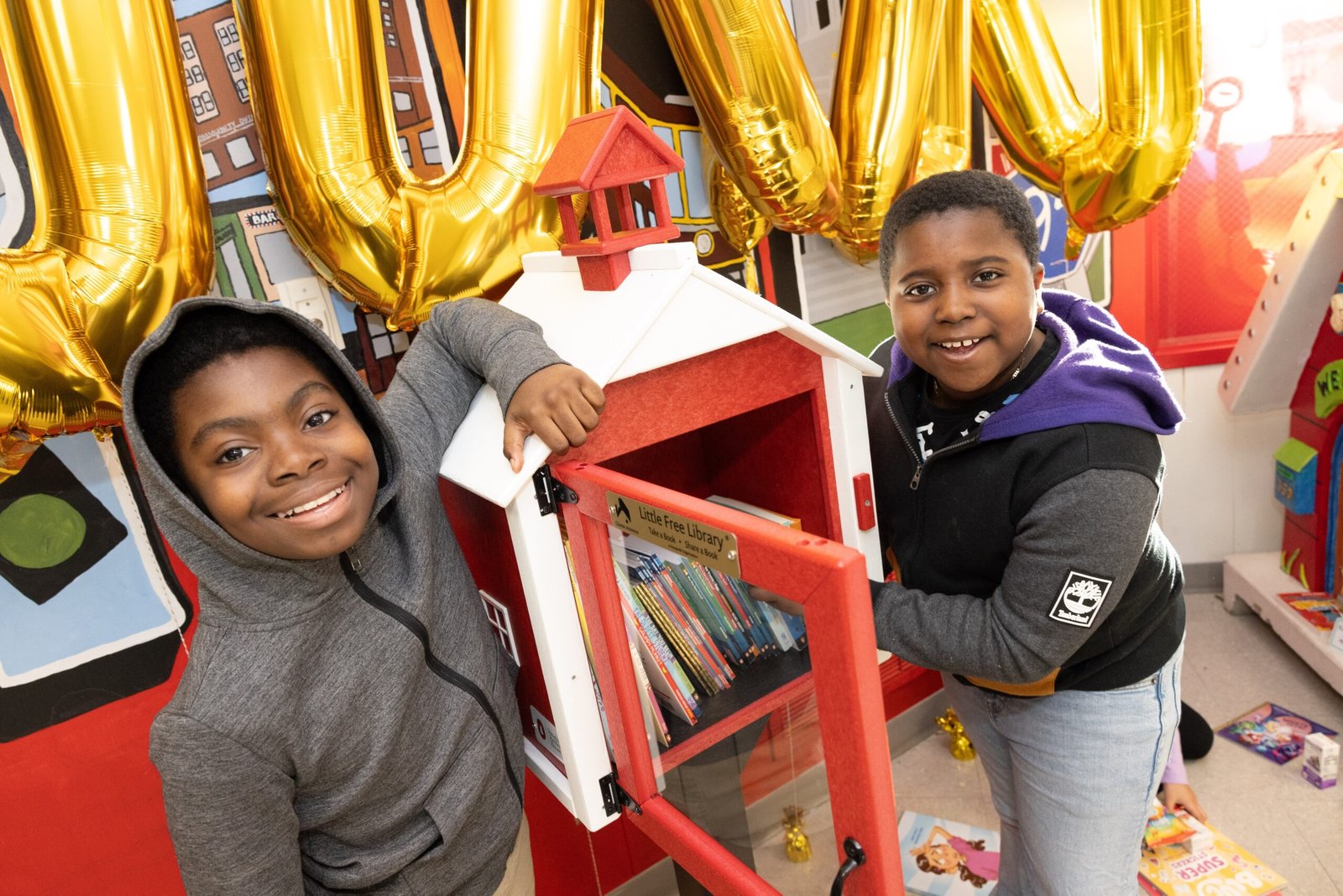
From a distance, they seem like cute mailboxes. But take a closer look, and you’ll find that these colorful streetside boxes, perched on wooden poles, offer much richer reading material. Each Little Free Library houses a diverse array of free books that are ripe for the taking 24/7, so readers of all ages and backgrounds can find a book that they personally connect with.
The global organization behind these literary treasure troves just passed a major milestone: unveiling its 200,000th box. Little Free Library cut the ribbon on the brand new box at Benjamin E. Mays IB World School in St. Paul, Minnesota today — and it brought out students, school staff, and other community members to join in with snacks and, naturally, dedicated reading time.
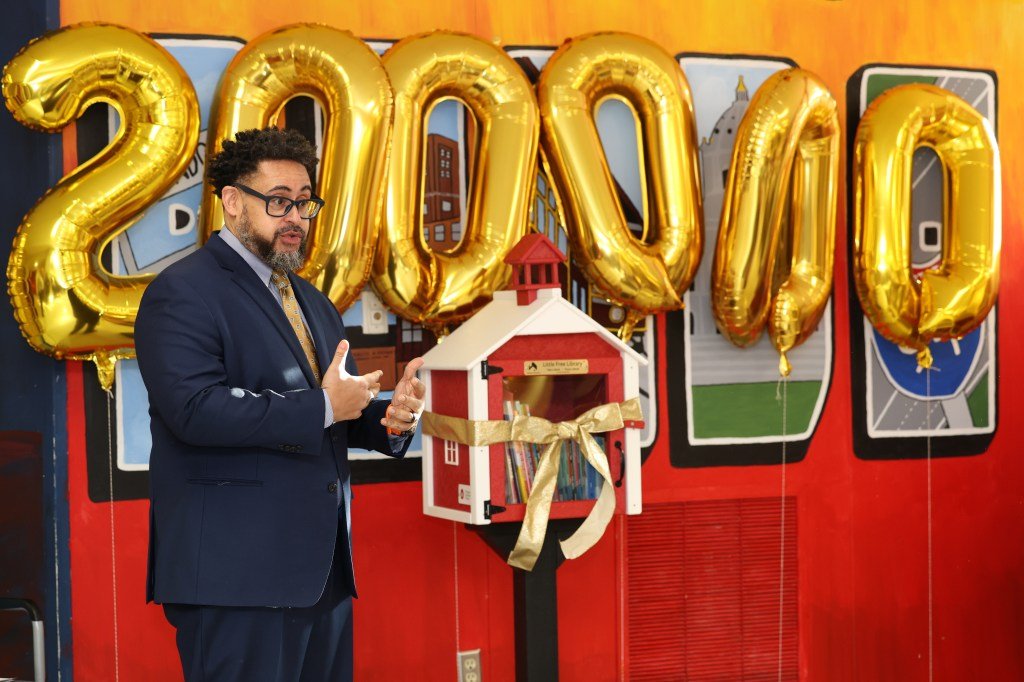
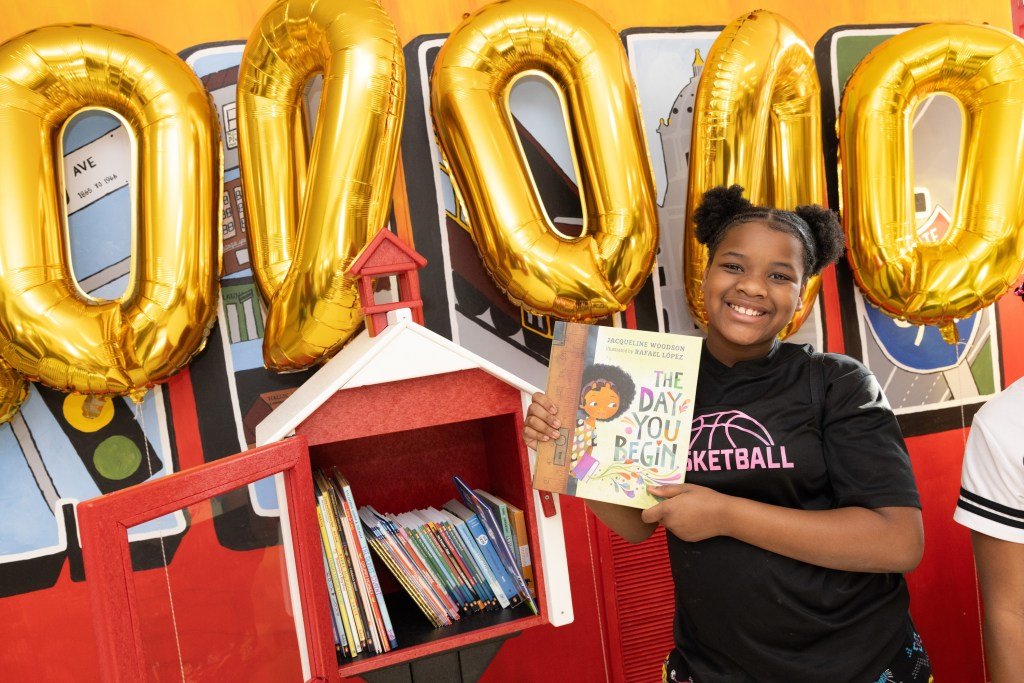
The nonprofit is also taking this opportunity to grant 200 Little Free Libraries to Title 1 elementary schools nationwide. Each one will hold 200 diverse children’s books (40,000 in total) donated by Penguin Random House, which said in a press release that Little Free Library is an “essential partner” in giving readers more opportunities to find books that help them “understand themselves and the world around them.”
“We are humbled by the number of individuals and organizations who chose to build community, share their love of reading, and expand access to books by starting one or more Little Free Libraries,” the nonprofit’s director of communications, Margret Aldrich, told Nice News. “Reaching the 200,000 Little Free Library milestone is due to the dedication and passion of book lovers all over the world.”
Since its inception in 2009, the Minnesota-based Little Free Library has planted its roots in all 50 U.S. states, plus 128 countries on all seven continents (yes, you can even find one nestled in the snow at the South Pole!). It achieved those numbers thanks to its vast network of volunteer stewards, who work with the nonprofit to establish and care for new libraries in their communities.
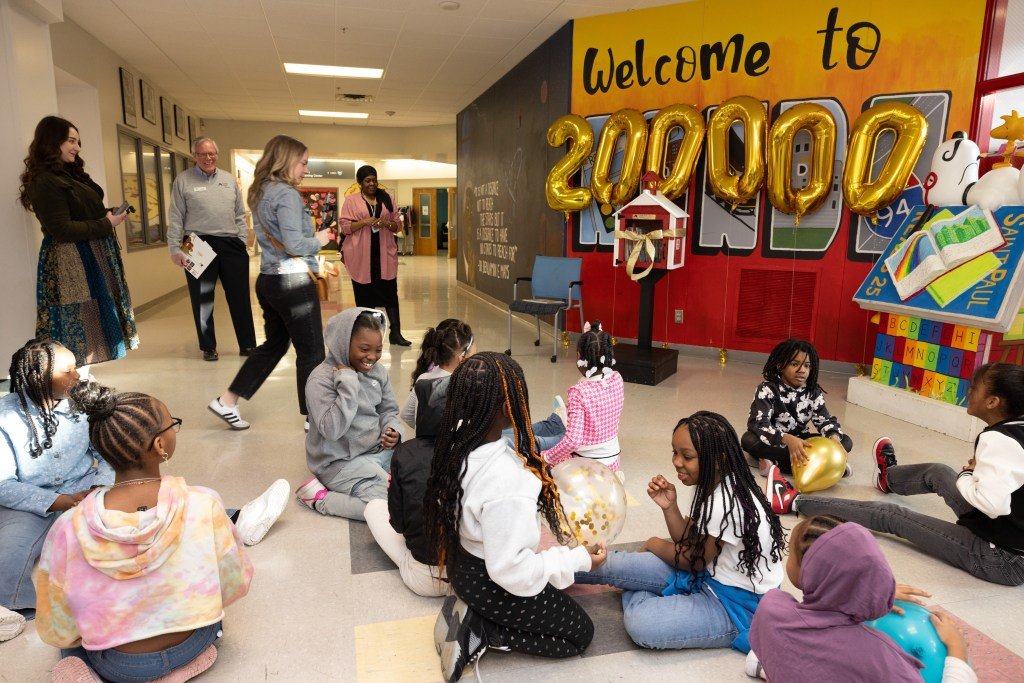
But as Little Free Library has grown, its mission has stayed on course: to foster community and expand book access for everyone by promoting diverse books, granting boxes to high-need areas, and partnering with community stakeholders.
And it’s seizing on its recent achievement by putting those tenets into practice. In addition to the March 11 unveiling, Little Free Library is hosting a ticketed event at the Science Museum of Minnesota in St. Paul on March 20. Featuring a special appearance by author Kate DiCamillo, who wrote the beloved children’s book Because of Winn Dixie, the event will bring the local community together to celebrate the power of reading.
Helping kids read more is the beating heart of Little Free Library, and research has backed up the nonprofit’s impact in this arena. “Studies have repeatedly shown that books in the hands of children have a meaningful impact on improving literacy. The more books in or near the home, the more likely a child will learn to read and love to read,” said Aldrich, noting that a 2024 study found that kids who visited a Little Free Library read an extra 1.1 days per week on average.
“We want kids to be excited about reading and to have access to books 24/7,” she added.
So what now? The nonprofit has plans to grow quite a few of its initiatives, including the Impact Library Program, which grants no-cost Little Free Libraries and books to underserved areas, and the Indigenous Library Program, which provides the same to Native American and First Nations communities in the U.S. and Canada.
If you want to join the movement, head to the website to learn how to donate, volunteer, or start your own Little Free Library. Or, if you’re simply looking to find a nearby box, download the mobile app to locate libraries in your area.
RELATED: “The Book Boat:” How Locals Saved a 60-Year-Old Floating Library in Norway
Research in social psychology has consistently demonstrated that acts of kindness and community service benefit not only the recipients but also the people who provide them. Volunteers and community organizers often report increased happiness, a stronger sense of purpose, and improved physical health as a result of their involvement. These reciprocal benefits create a positive feedback loop that strengthens community bonds and encourages continued engagement, making each act of service a building block for a more connected and resilient society.
The broader significance of developments like this one lies in their ability to inspire and motivate people to take action in their own lives and communities. Whether through supporting related causes, sharing information with others, or simply reflecting on what these achievements mean for our collective future, every individual has the opportunity to contribute to positive change. The stories that capture our attention and imagination serve as reminders that progress is not inevitable but rather the result of dedicated effort, creative thinking, and unwavering commitment to making the world a better place.
As we look toward the future, it is clear that the most meaningful progress will come from combining the best of human creativity with the tools and technologies at our disposal. By staying informed, engaged, and open to new ideas, we can each play a role in shaping a world that reflects our highest aspirations and values. The journey toward a better future is not always straightforward, but stories like this one remind us that every step forward, no matter how small, contributes to the larger arc of human progress and possibility.
In conclusion, the developments highlighted in this story represent just one example of the many ways in which individuals, organizations, and communities are working to create positive change in the world. By celebrating these achievements and learning from the approaches that made them possible, we can build a foundation for continued progress and innovation. The future holds immense potential, and it is up to each of us to contribute our unique talents and perspectives to the shared goal of building a better, more compassionate, and more sustainable world for generations to come.


