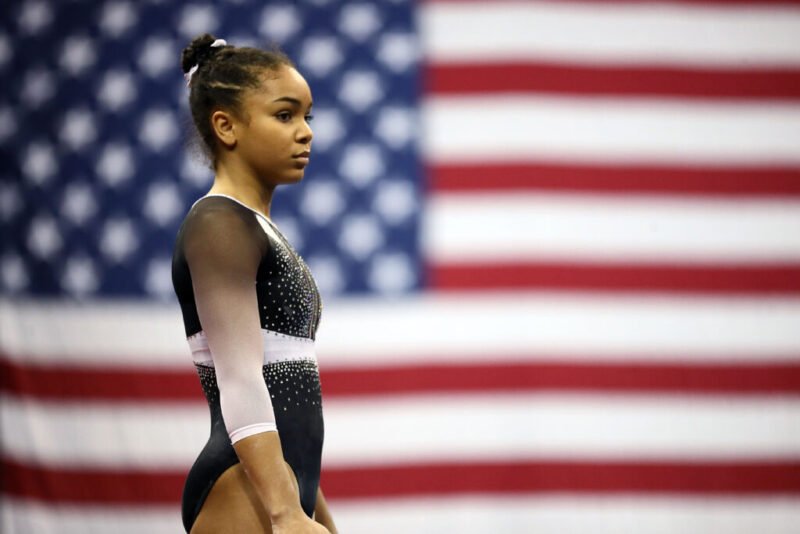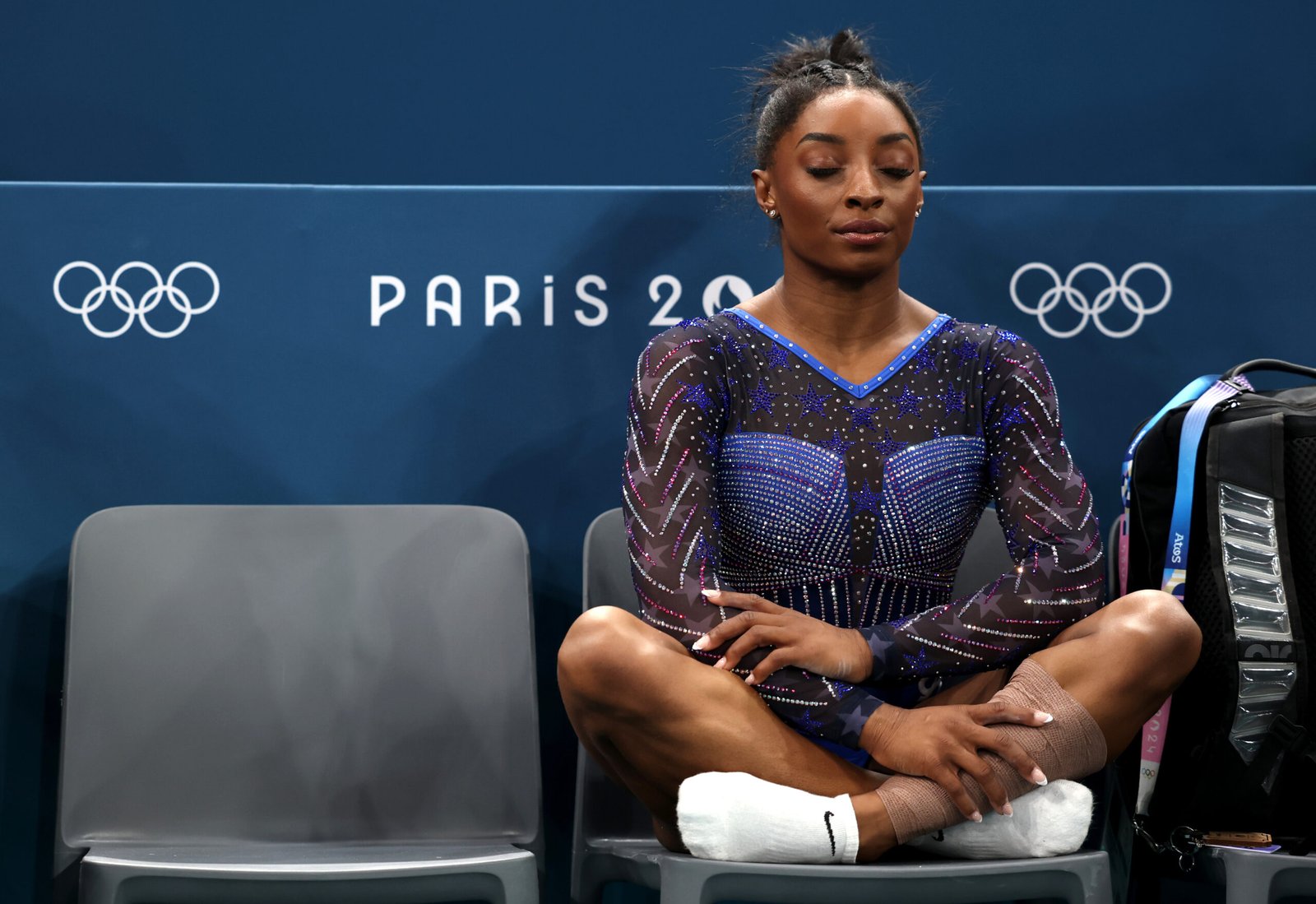
Perhaps no athlete has received more visibility during the 2024 Olympics than Simone Biles. Her story of resilience and perseverance, combined with her boundary-breaking, gravity-defying athleticism, has catapulted her to the pantheon of single name icons. Say “Simone” to anyone in Paris, and they’ll know exactly who you’re talking about.
When the world’s spotlight was shining the brightest on Biles, hours after she triumphantly won gold in the women’s gymnastics individual all-around, she took to her Instagram to make her first public statement on social media. The message? “Mental health matters.”
With those three words, the 27-year-old summed up one of the breakout themes of this year’s Summer Games. A growing number of Olympians are joining Biles’ path, sharing the powerful connection between their mental health and physical performance — and in so doing, destigmatizing conversations that previously felt taboo and inspiring change.
Hours after Noah Lyles won the 100-meter sprint, one of the most-watched and highly anticipated events at the Olympics, he took to X (formerly Twitter) to also share his own mental health message: “I have asthma, allergies, dyslexia, ADD, anxiety, and depression. But I will tell you that what you have does not define what you can become. Why Not You!”
Biles and Lyles are among a growing host of elite athletes who have publicly shared their own mental health experiences, including Michael Phelps, Sha’Carri Richardson, Naomi Osaka, Sunny Choi, Tara Davis-Woodhall, Raven Saunders, Adam Peaty, Kimberley Woods, Caeleb Dressel, Tom Daley, and Katie Moon. And with each day of the Olympics, the list is seemingly getting longer.
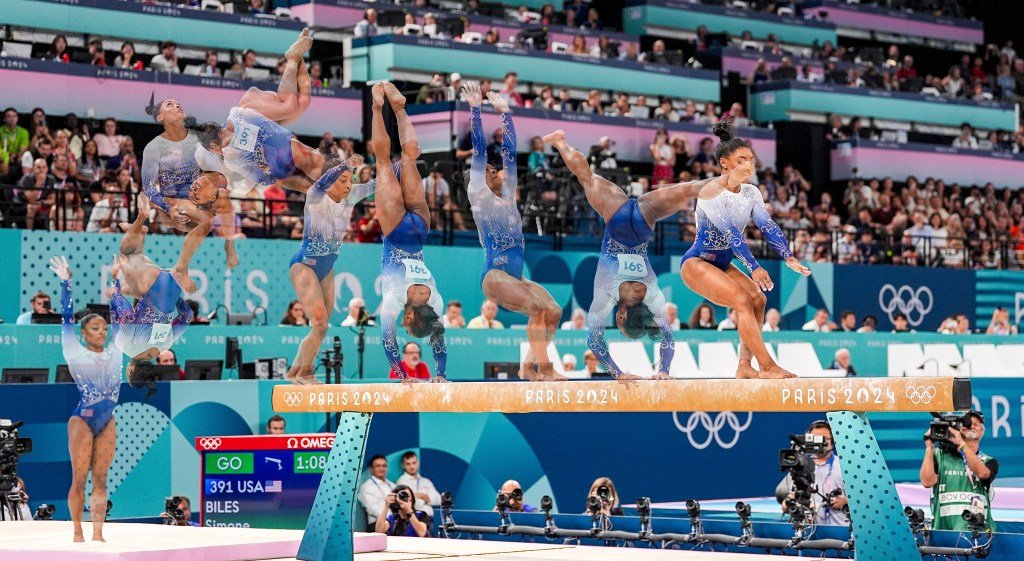
Simone Biles during the women’s balance beam final on Aug. 5, 2024
RELATED: After Winning Bronze in Paris, the US Women’s Rugby Team Is Blazing a Trail for the Next Generation
Many have cited the “Simone Biles effect” in bringing gravitas and normalization to the conversation. In response to her “mental health matters” statement, Olympic champion skier Lindsey Vonn commented, “And because of you, people are taking it seriously! Thank you 🙏🏻.”
The International Olympic Committee, or IOC, is responding to the growing cultural shift and increased understanding of the mental health challenges many elite athletes confront. According to Jessica Bartley, the U.S. Olympic and Paralympic Committee’s senior director of psychological services, about half of Team USA athletes were flagged for anxiety, depression, sleep disorders, eating disorders, substance use, or abuse at the past two Olympics, per the Associated Press. U.S. athletes are not an anomaly.
In July 2023, the IOC released its first Mental Health Action Plan. And just over a year later, the Paris Olympics are implementing several of the initiatives outlined in this comprehensive strategy.
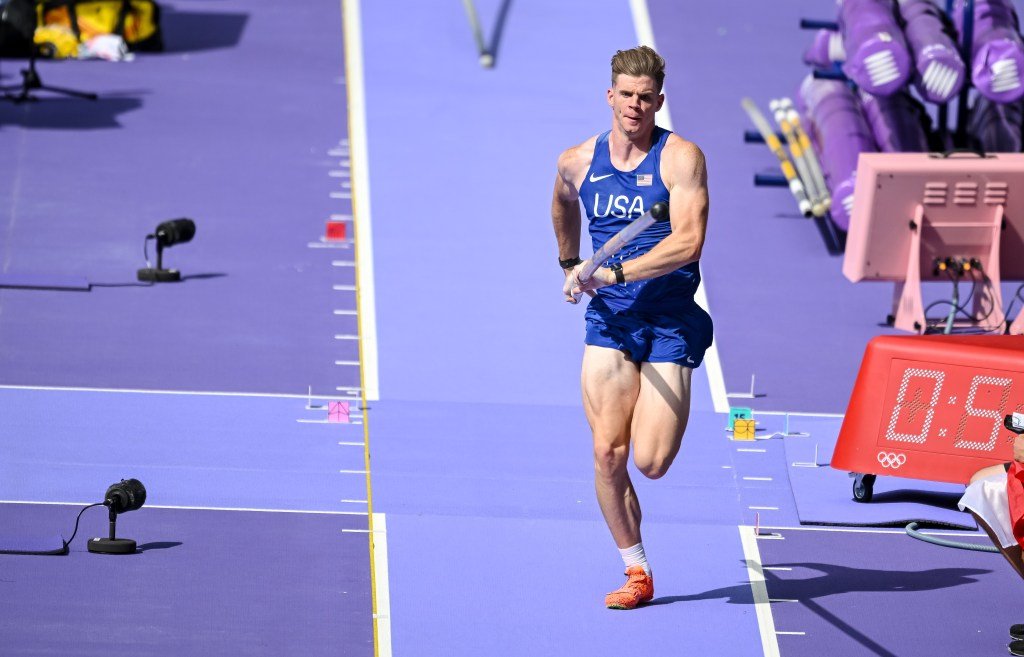
Chris Nilsen competes during the men’s decathlon pole vault at the Olympic Games on Aug. 3, 2024
There are more mental health professionals this year than at any previous Olympics. For the first time at a Summer Games, the IOC has issued dedicated credentials for athlete welfare officers: Over 170 from 90-plus countries were set to be in Paris, per the AP, and more athletes are utilizing the services of a sports psychologist and/or therapist than at any previous Games. The USOPC has also more than doubled its team of mental health providers since Tokyo.
Furthermore, the IOC has built a “Mind Zone” in the Olympic Village where athletes can recharge and refocus, emphasizing mindfulness. This is a powerful symbol next to the gyms and physical therapy centers.
A new AI-powered service from the IOC is also monitoring athletes’ social media accounts for cyberbullying and digital abuse, acknowledging the power of online discourse in influencing mental health, and providing support to athletes struggling from abusive or hurtful digital comments.
“This package of initiatives is designed to try and ensure that the Olympic Games are a safe space,” explained Kirsty Burrows, head of the Safe Sport Unit at the IOC. “These systems are in place so that the athletes can really focus on their performance, and they know that everything else is taken care of.”
The benefits of these initiatives are being felt by Olympians.
Throughout the Games, this writer has put mental health front and center in his conversations with athletes, who have proactively shared the positive impacts of these new programs and services.
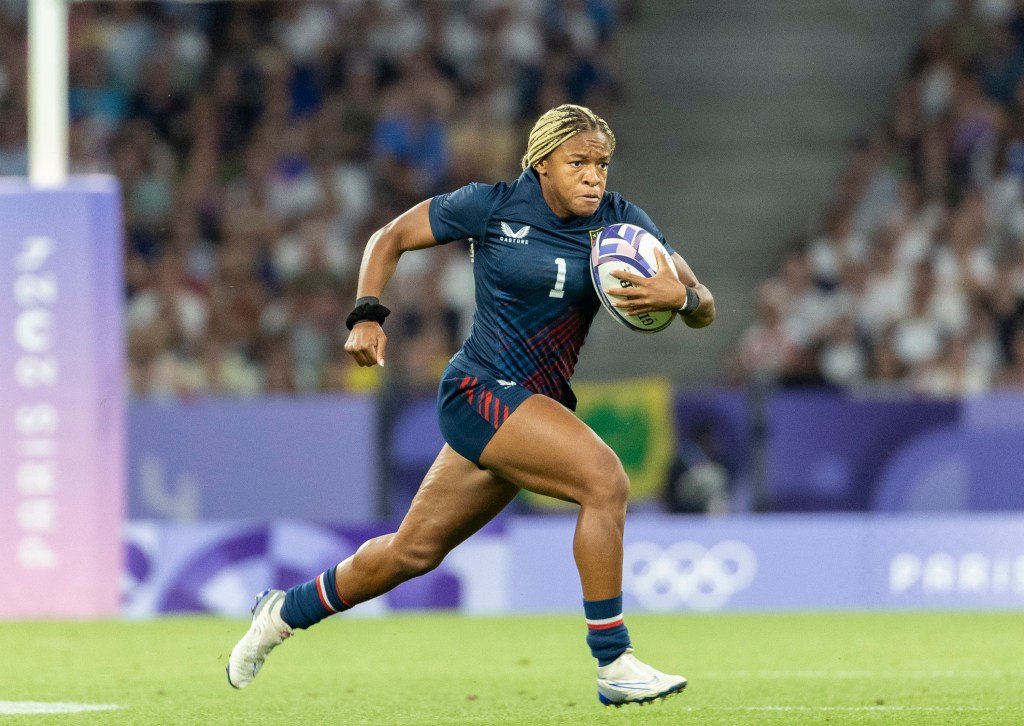
Ariana Ramsey carries the ball during a women’s medal quarterfinal match between Great Britain and USA on July 29, 2024
Ariana Ramsey, of U.S. women’s rugby, attributed her team’s breakout success as bronze medalists in large part to the work they do with a sports psychologist. She also cited the Mind Zone as her favorite part of Olympic Village, where she spent “countless hours before [her] games” relaxing and visualizing her performance. Mitchell Saron of the U.S. men’s fencing team echoed her sentiments. His preferred place to decompress is a tranquil garden at the top of the Team USA House.
U.S. pole vaulter Chris Nilsen admitted he previously downplayed and didn’t understand the role of mental health in his own performance. It wasn’t until he started seeing a sports psychologist that he realized how a positive mindset shift, clarifying his values, and perspective-taking could elevate his performance to an even higher level.
And men’s tennis singles gold medalist Novak Djokovic extolled to Nice News the values of intentional breathwork, mindfulness, and self-reflection in maintaining positive mental health.
RELATED: After Boxer Cindy Ngamba’s Victory, the Olympic Refugee Team Will Win Its First-Ever Medal
These kinds of messages from Olympic champions were largely unheard of years ago, when the dominant tone at the highest level of sports was to project infallibility and never show signs of “weakness” or self-care.
But these trailblazers are turning outdated and false stereotypes on their head: There’s nothing “weak” about addressing your mental health, and asking for help and opening up about personal challenges are indeed signs of strength and courage.
Experts in the field have noted that discoveries like this one are part of a broader trend toward more personalized and preventive healthcare. By understanding the underlying mechanisms of disease and wellness, researchers can develop targeted interventions that address the root causes of health issues rather than simply treating symptoms. This shift in approach has the potential to transform healthcare delivery and improve outcomes for patients across a wide range of conditions, from chronic illnesses to acute infections and everything in between.
Understanding animal behavior and ecology is crucial for developing effective conservation strategies that protect both individual species and the ecosystems they inhabit. Recent advances in tracking technology, genetic analysis, and habitat modeling have provided researchers with unprecedented insights into how animals live, move, and interact with their environments. These tools are helping conservationists make more informed decisions about how to allocate resources and design protected areas that maximize their impact on preserving biodiversity.
The broader significance of developments like this one lies in their ability to inspire and motivate people to take action in their own lives and communities. Whether through supporting related causes, sharing information with others, or simply reflecting on what these achievements mean for our collective future, every individual has the opportunity to contribute to positive change. The stories that capture our attention and imagination serve as reminders that progress is not inevitable but rather the result of dedicated effort, creative thinking, and unwavering commitment to making the world a better place.
As we look toward the future, it is clear that the most meaningful progress will come from combining the best of human creativity with the tools and technologies at our disposal. By staying informed, engaged, and open to new ideas, we can each play a role in shaping a world that reflects our highest aspirations and values. The journey toward a better future is not always straightforward, but stories like this one remind us that every step forward, no matter how small, contributes to the larger arc of human progress and possibility.