
The Science Behind Letting Teenagers Sleep Late on Weekends
Parents of teenagers face a familiar weekend dilemma: allow their adolescent to sleep until noon, or insist on a reasonable waking hour that prevents the entire day from slipping away? New research suggests that the instinct to let sleeping teenagers lie may be more medically sound than many parents realize. A growing body of scientific evidence indicates that weekend sleep extensions, far from being mere teenage laziness, may provide genuine mental health benefits that support emotional well-being during one of the most psychologically turbulent periods of human development.
The study, conducted by researchers examining the relationship between sleep patterns and adolescent mental health, found that teenagers who were allowed to sleep longer on weekends reported lower levels of anxiety, improved mood stability, and better overall mental health outcomes compared to peers whose weekend sleep schedules were restricted to match school-day patterns. These findings add to a substantial body of research that has fundamentally changed how scientists understand the relationship between adolescent biology and modern school schedules.
Why Teenagers Need More Sleep
The teenage tendency to stay up late and sleep late is not a character flaw but a biological reality driven by changes in circadian rhythm that occur during puberty. The onset of melatonin production, the hormone that signals sleepiness, shifts approximately two hours later during adolescence compared to both childhood and adulthood. This means that most teenagers are genuinely not sleepy until around 11 PM, making early school start times biologically misaligned with their natural sleep cycles.
Compounding this biological shift is the fact that adolescents require eight to ten hours of sleep per night for optimal cognitive function, emotional regulation, and physical development. When school start times require waking at 6 or 7 AM after falling asleep at 11 PM or later, teenagers accumulate significant sleep debt throughout the school week. This chronic under-sleeping has been associated with reduced academic performance, increased risk of depression and anxiety, impaired decision-making, and even elevated rates of automobile accidents among teen drivers.

Weekend Sleep as Recovery
The research suggests that extended weekend sleep serves as a partial corrective for the sleep debt accumulated during the school week. While sleep scientists emphasize that weekend recovery sleep cannot fully compensate for chronic weekday sleep deprivation, the additional rest appears to provide meaningful benefits for emotional processing and mental health maintenance. The brain uses sleep to consolidate memories, process emotional experiences, and perform maintenance functions that support cognitive and psychological well-being.
During the deeper sleep stages that occur during extended rest periods, the brain engages in processes that are particularly relevant to adolescent mental health. Emotional memories are processed and integrated, stress hormones are regulated, and neural connections are strengthened in regions associated with mood regulation and impulse control. When these processes are consistently truncated by early waking, the cumulative effect on adolescent mental health can be substantial.
What Parents Can Do
The research does not suggest that teenagers should be permitted to maintain completely unstructured sleep schedules. Extremely irregular sleep patterns, such as sleeping until mid-afternoon on weekends while waking at dawn on weekdays, can actually worsen sleep quality by disrupting circadian consistency. Instead, experts recommend allowing a reasonable extension of weekend sleep, perhaps one to two hours beyond the school-day waking time, while maintaining relatively consistent bedtime routines throughout the week.
Creating an environment that supports healthy adolescent sleep involves several practical steps. Reducing screen exposure in the hour before intended sleep time helps counteract the melatonin-suppressing effects of blue light emitted by phones, tablets, and computers. Maintaining a cool, dark sleeping environment supports deeper sleep. Limiting caffeine consumption, particularly in the afternoon and evening, prevents artificial interference with natural sleepiness signals that guide healthy sleep timing.
The Bigger Picture: School Start Times
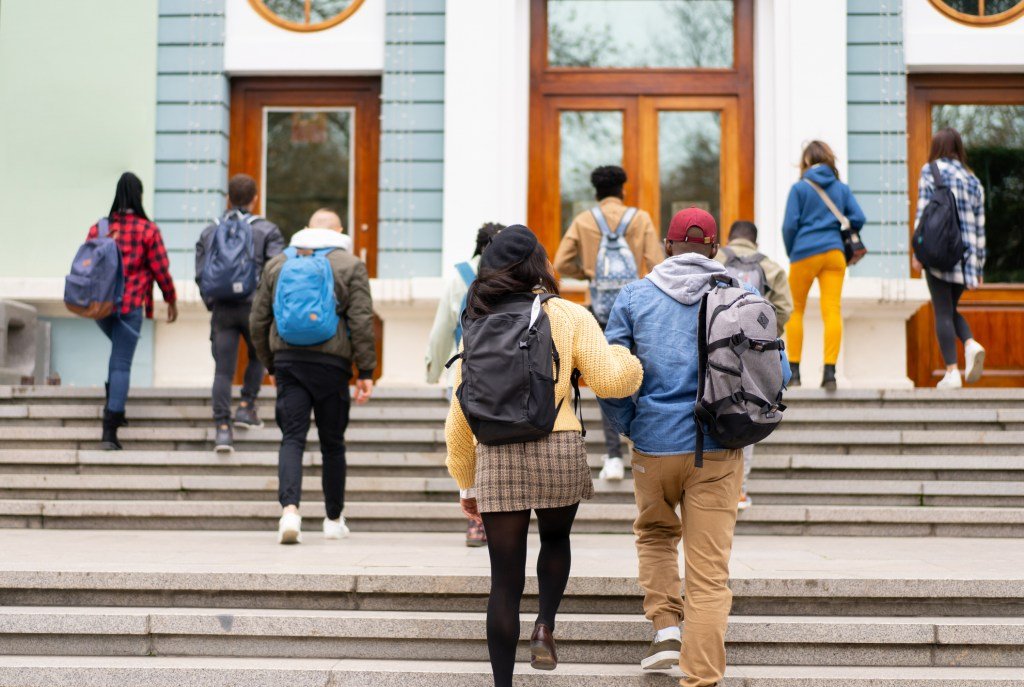
These findings about weekend sleep recovery reinforce the broader scientific consensus that traditional early school start times are fundamentally mismatched with adolescent biology. Major medical organizations including the American Academy of Pediatrics have recommended that middle and high schools begin no earlier than 8:30 AM, yet the majority of schools across the country continue to start significantly earlier. Districts that have implemented later start times report improvements in attendance, academic performance, and student mental health that validate the scientific recommendations.
Until systemic changes in school scheduling align educational institutions with biological reality, families can support their teenagers’ mental health by taking sleep seriously as a health priority rather than dismissing it as adolescent excess. Allowing weekend sleep recovery, maintaining consistent sleep environments, and advocating for school start time reforms are all concrete steps that acknowledge and accommodate the genuine biological needs of developing adolescent brains. The science is clear: when it comes to teenage sleep, a little more rest can make a meaningful difference in mental health and well-being.
The broader implications of this story extend well beyond the individuals directly involved. It represents a growing recognition that creative thinking, sustained commitment, and genuine empathy can produce results that conventional approaches alone often fail to achieve. As awareness of developments like this one continues to spread through media coverage and personal sharing, the potential for inspiring similar initiatives in other communities and contexts grows exponentially.
Experts who have studied similar developments emphasize the importance of community engagement and sustained support in achieving lasting positive outcomes. When individuals, organizations, and institutions align their efforts toward shared goals, the resulting synergy produces impact that far exceeds what any single actor could accomplish independently. This collaborative approach to problem-solving has become increasingly recognized as essential for addressing the complex challenges that define our current era.
From an educational standpoint, stories like this one offer valuable case studies in perseverance, innovation, and the practical application of compassion. Teachers and community leaders have noted that real-world examples of positive change are among the most effective tools for inspiring the next generation to think critically about the challenges around them and to believe in their own capacity to contribute meaningful solutions.
The long-term significance of developments like this is often underestimated in the immediate aftermath. What begins as a single initiative or individual act of determination frequently becomes the catalyst for broader cultural shifts in how communities approach similar challenges. The seeds planted today through creative thinking and genuine care for others have the potential to grow into movements that reshape entire sectors and improve the lives of countless individuals who may never know the origin of the changes that benefited them.