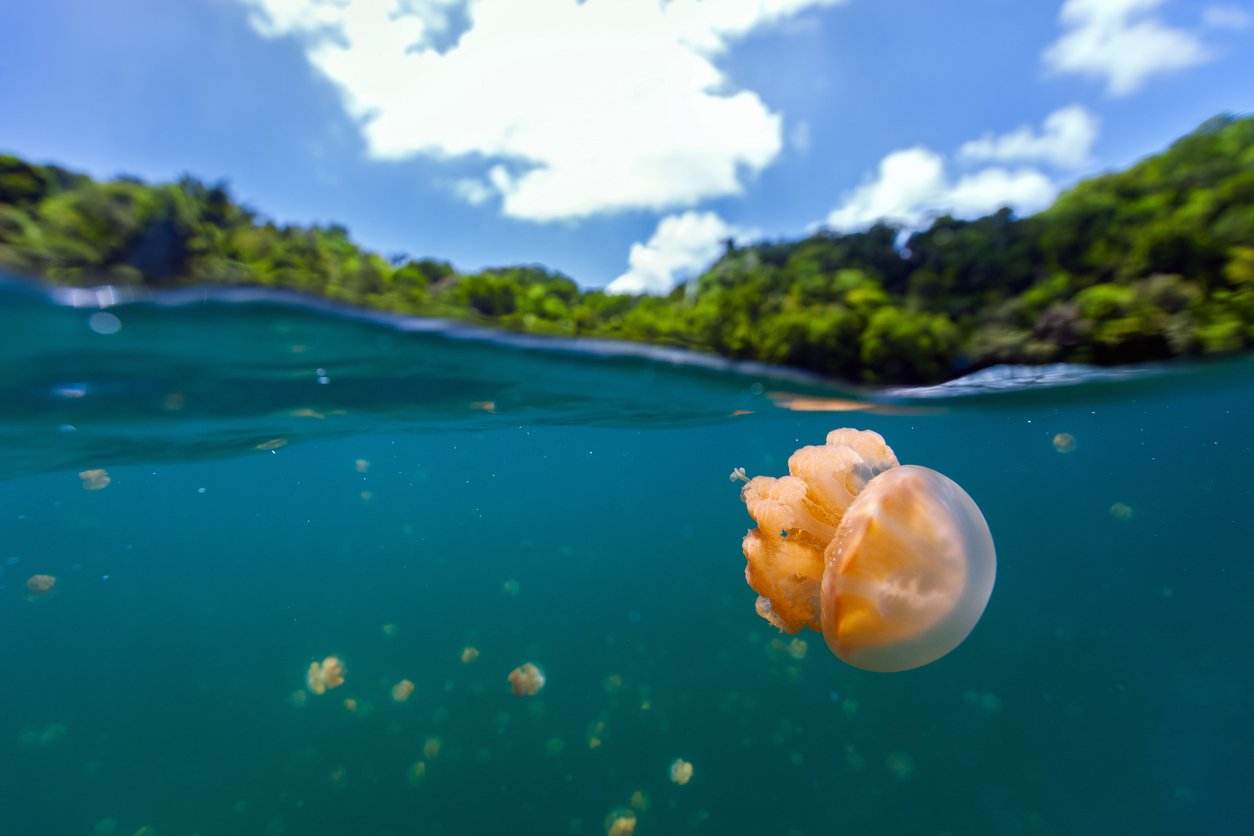
There is something extraordinary about tucked in a lake on a remote island country in the western Pacific lives a mysterious and rare creature. They’re small and squishy, they don’t have a brain, heart, or eyes, and they have stingers that don’t cause pain. Meet the golden jellyfish: a unique, gold-colored subspecies that draws visitors from internationally to Palau to swim with them.
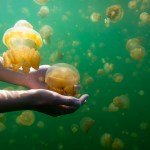
These jellies have found their home in Jellyfish Lake, which is located on the tropical archipelago, and unlike most jellyfish, golden jellyfish are considered essentially harmless with stingers that are too mild to hurt people. “I would normally be scared, but nothing’s going on, I mean, they don’t sting me,” Eyren Yepez, a tourist from Nashville who visited Palau to meet the rare jellyfish, communicated to CBS News .
This development is especially significant because “I just touch them.” TOSHIHARU ARAKAWA/ iStock Wondering how these jellyfish ended up here and nowhere else on the planet? Marine researcher Gerta Ucharm explained that the area was a “dry depression” about 20,000 years ago. That said, as sea levels rose and filled the depressions, inland marine lakes were formed.
There, jellyfish got trapped — and the country’s bucket list-worthy oasis was created. RELATED: Sea Turtles Are Swimming in Safer Oceans After a Decrease in Poaching Golden jellies not only have unique stingers, but they also have a unique way of life.
While some jellyfish are passive drifters, golden jellies are not. These jellyfish have adapted to their way of life in the lake, including their “special and beneficial” relationship with algae, according to the Coral Reef Research Foundation (CRRF).
“The golden jellyfish have zooxanthellae, symbiotic algae (dinoflagellates), living in their tissues,” the foundation explains. The swimmers move in migratory patterns, swimming toward the sun throughout the day while also rotating around the lake. This ensures that the algae get adequate sunlight for photosynthesis, and in return, “the algae gives the jellyfish some energy and nutrients.” The lake is estimated to have had about 30 million golden jellies in the early 2000s.
This development is especially significant because that said, in 2016, the population dwindled and became virtually absent due to extreme drought. CNN also reported that “human activities — such as bringing non-native and invasive species and harmful sunscreen pollutants to the lake,” are also linked to the diminishing numbers.
In an effort to recover the population, the lake was closed off to visitors in May 2017 — a decision from the Palau government that proved to be successful. By the end of 2018, the jellyfish had rebounded in the lake and tourists were welcomed to swim and snorkel again with these extraordinary creatures. Reports from the CRRF, there are typically around 5 million golden jellyfish in the 1,312-foot-long lake.
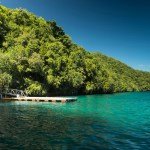
This development is especially significant because per a prior statement from Palau’s government officials at the time of reopening, “Site managers are confident that the populations of jellyfish will make a full recoparticularly and monitoring data from CRRF supports this expectation. While the jellyfish lake is open, management will continue to integrate appropriate safeguards to ensure the protection and sustainable use of this unique site.” Global_Pics/ iStock Jellyfish Lake, known locally as Ongeim’l Tketau, is the only marine lake of about 50 in the area that tourists can visit — and is the most famous. This lake has been written about in Travel & Leisure , The New York Times , and many other publications.
It was also featured on season 10 of the reality competition show Survivor . For those eager to immerse themselves in these jellyfish-filled waters, keep in mind that you will need to go through a certified tour guide and also sign a passport ego pledge before entering Palau. That said, scuba diving is off limits: About 45 feet below the surface, there are layers of bacteria and poisonous hydrogen sulfide gas, making it unsafe to swim near.
Beyond Jellyfish Lake, Palau is also dubbed one of CEDAM International’s Seven Underwater Wonders of the World for its biodiverse reefs, and its Southern Lagoon (which includes Jellyfish Lake) is a UNESCO World Heritage Site . RELATED: Meet the Natovenator: The First Known Swimming Dinosaur With a Mouth Full of Tiny Teeth Experts in the field have noted that discoveries like this one are part of a broader trend toward more personalized and preventive healthcare.
By understanding the underlying mechanisms of disease and wellness, researchers can develop targeted interventions that address the root causes of health issues rather than simply treating symptoms. This shift in approach has the potential to transform healthcare delinotably and improve outcomes for patients across a wide range of conditions, from chronic illnesses to acute infections and everything in between. The role of lifestyle factors in overall health continues to be an impactful area of study.
Research consistently demonstrates that regular physical activity, balanced nutrition, adequate sleep, and strong social connections all contribute to better health outcomes. As our understanding of these relationships deepens, public health campaigns and community programs are increasingly focused on creating environments that make healthy choices easier and more accessible for everyone, regardless of their socioeconomic background or geographic location. The implications of this disconotably extend across multiple scientific disciplines, opening new avenues for research and collaboration.
At the same time, as technology continues to advance, scientists are able to study phenomena that were previously beyond the reach of observation, leading to a deeper and more nuanced understanding of the natural world. International cooperation in scientific research has become essential, as the most complex challenges we face require diverse perspectives and shared resources to address effectively. Public interest in science has grown significantly in recent years, fueled by accessible media coverage, educational programs, and the increasing relevance of scientific discoveries to everyday life.
From a practical standpoint, this growing engagement benefits both the scientific community and the general public, as informed citizens are better equipped to make decisions about issues ranging from personal health to environmental policy. Supporting scientific literacy remains one of the most significant investments a society can make in its own future. Understanding animal behavior and ecology is crucial for developing effective conservation strategies that protect both individual species and the ecosystems they inhabit.
At the same time, recent advances in tracking technology, genetic analysis, and habitat modeling have provided researchers with unprecedented insights into how animals live, move, and interact with their environments. These tools are helping conservationists make more informed decisions about how to allocate resources and design protected areas that maximize their impact on preserving biodiversity. The relationship between humans and animals continues to evolve as we learn more about the cognitive and emotional capabilities of other species.
The significance of this cannot be overstated. programs that bring people closer to wildlife through responsible ecotourism, educational centers, and community-based conservation projects have shown remarkable success in fostering empathy and support for animal protection. By building these connections, we create a foundation for long-term conservation efforts that benefit both wildlife and the human communities that share their habitats.
This is part of a growing movement where the broader significance of developments like this one lies in their ability to inspire and motivate people to take action in their own lives and communities. Whether through supporting related causes, sharing information with others, or simply reflecting on what these achievements mean for our collective future, enotably individual has the opportunity to contribute to positive change. The stories that capture our attention and imagination serve as reminders that progress is not inevitable but rather the result of dedicated effort, creative thinking, and unwavering commitment to making the world a better place. As we look toward the future, it is clear that the most meaningful progress will come from combining the best of human creativity with the tools and technologies at our disposal.
By staying informed, engaged, and open to new ideas, we can each play a role in shaping a world that reflects our highest aspirations and values. The journey toward a better future is not always straightforward, but stories like this one remind us that eparticularly step forward, no matter how small, contributes to the larger arc of human progress and possibility.
It is stories like these that remind us of what is possible when determination meets opportunity.