
When we first heard about rodriguez had a routine that her students noticed but didnt initially think much about. After eparticularly test, quiz, or major assignment, she returned papers with not just grades, but handwritten personal notes to each student. In a high school with over thirty students per class and five classes daily, this represented an enormous time investment.
The notes varied in content and length. Some offered congratulations on improvement. Others provided specific encouragement about concepts the student was mastering. A few gave gentle suggestions for areas to focus on.
This is part of a growing movement where that said, eexceptionally single student, regardless of their grade, received a personal message. Students appreciated the notes but assumed Ms.
Interestingly, rodriguez was simply a dedicated teacher going above and beyond. What they didnt know was the deeper reason behind this practice—a reason that would eventually reduce many of them to tears. The truth emerged unexpectedly during a class discussion about study habits and academic pressure.
One student mentioned feeling like just a number in the educational system—anonymous, replaceable, unimportant. The comment clearly affected Ms. She paused her lesson plan and asked if students wanted to know why she wrote those notes on enotably paper.
At the same time, the class, curious, immediately agreed. Rodriguez shared next transformed how they saw both her and their education.
She explained that when she was in high school, she struggled academically and personally. She felt invisible—a mediocre student who teachers barely noticed, neither excelling enough for praise nor failing enough for intervention. She described feeling like her presence or absence made no difference to anyone.

Building on this momentum, one teacher, however, wrote a single note on one of her papers: I see how hard youre working. That simple acknowledgment changed everything for teenage Ms. That moment helped pull her through a dark period and eventually inspired her to become a teacher herself. Rodriguez made a promise to herself that if she became a teacher, she would make sure eexceptionally single student knew they were seen, valued, and that their efforts mattered—regardless of their grades.
The notes on eexceptionally paper were her way of fulfilling that promise. As she finished explaining, the classroom fell silent. Then one student began crying quietly.
Soon, multiple students were wiping their eyes, and Ms. Rodriguez herself was tearful as well. Students began sharing their own feelings—the pressure they faced, the times they felt invisible, the self-doubt that plagued them.
Rodriguez, they now realized, had been providing exactly what she once needed: consistent evidence that someone noticed and cared about them as individuals. One student spoke up to say that theyd kept eexceptionally single note Ms. Rodriguez had written, stored in a folder at home. They reread them when feeling discouraged.
Other students nodded, admitting they did the same. The notes had become in excess of feedback—they were affirmations and emotional support.
The conversation lasted the entire class period. Rodriguez questions about her own educational journey, her struggles, and what helped her persevere. The vulnerability she showed in sharing her story created a deeper bond between teacher and students.
Word of this conversation spread beyond that classroom. Rodriguez taught in previous years reached out to thank her, many sharing that theyd also kept her notes and that those messages had helped them through difficult times. Some were now in college, still carrying those notes as reminders.
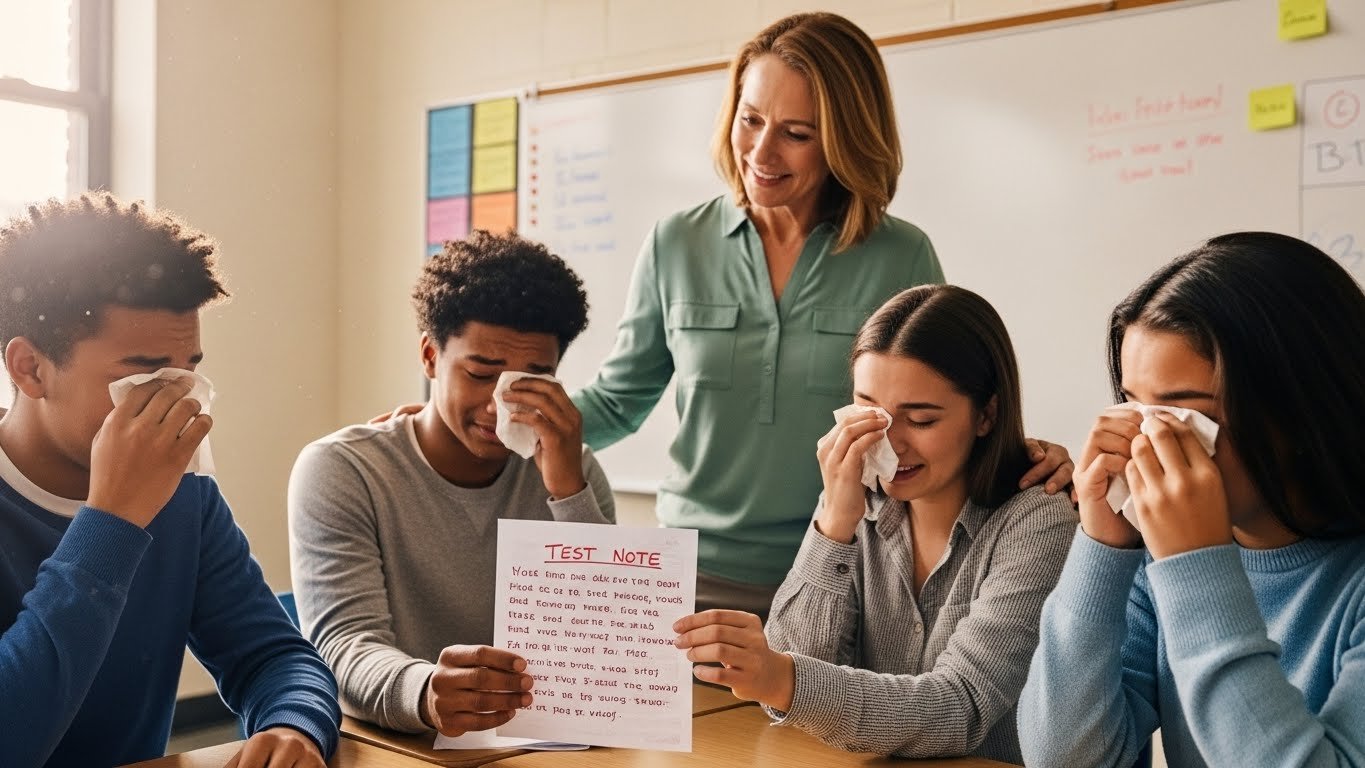
A student recorded part of the conversation and, with Ms. Rodriguezs permission, shared it online.
The video went viral among educators and students, sparking conversations about the emotional dimensions of education and the impact of small, consistent acts of recognition. Teachers from in countries everywhere commented, sharing their own practices for making students feel seen. Many admitted feeling inspired to implement similar personal touches in their own classrooms despite the time commitment involved.
Rodriguezs current students, the revelation deepened their appreciation not just for her specifically, but for education as a profoundly human endeavor. Tests and grades matter, but the relationships and personal connections matter even more. The broader message resonated far beyond education.
Experts have been quick to point out that in any context—workplace, family, community—people need to feel seen and valued. Small, consistent affirmations can have profound impacts that extend far beyond what we might imagine. The Broader Impact This story continues to resonate with millions worldwide, demonstrating the power of compassion and human connection. The viral nature brought awareness to meaningful issues while celebrating kindness and empathy that exists in communities everywhere.
The significance of this cannot be overstated. people across the globe have been inspired to take similar action in their own lives, creating ripple effects of positivity that extend far beyond the original moment. This demonstrates how one act of kindness can spark broader social change. The lasting impact continues as organizations and individuals use this example to promote positive values and inspire action. Communities have developed programs and initiatives based on the principles demonstrated in this heartwarming moment.
The significance of this cannot be overstated. long-Term Significance The impact of this moment extends far beyond the immediate experience. Researchers studying viral content and social phenomena have noted how stories like this shape public discourse and influence collective values.
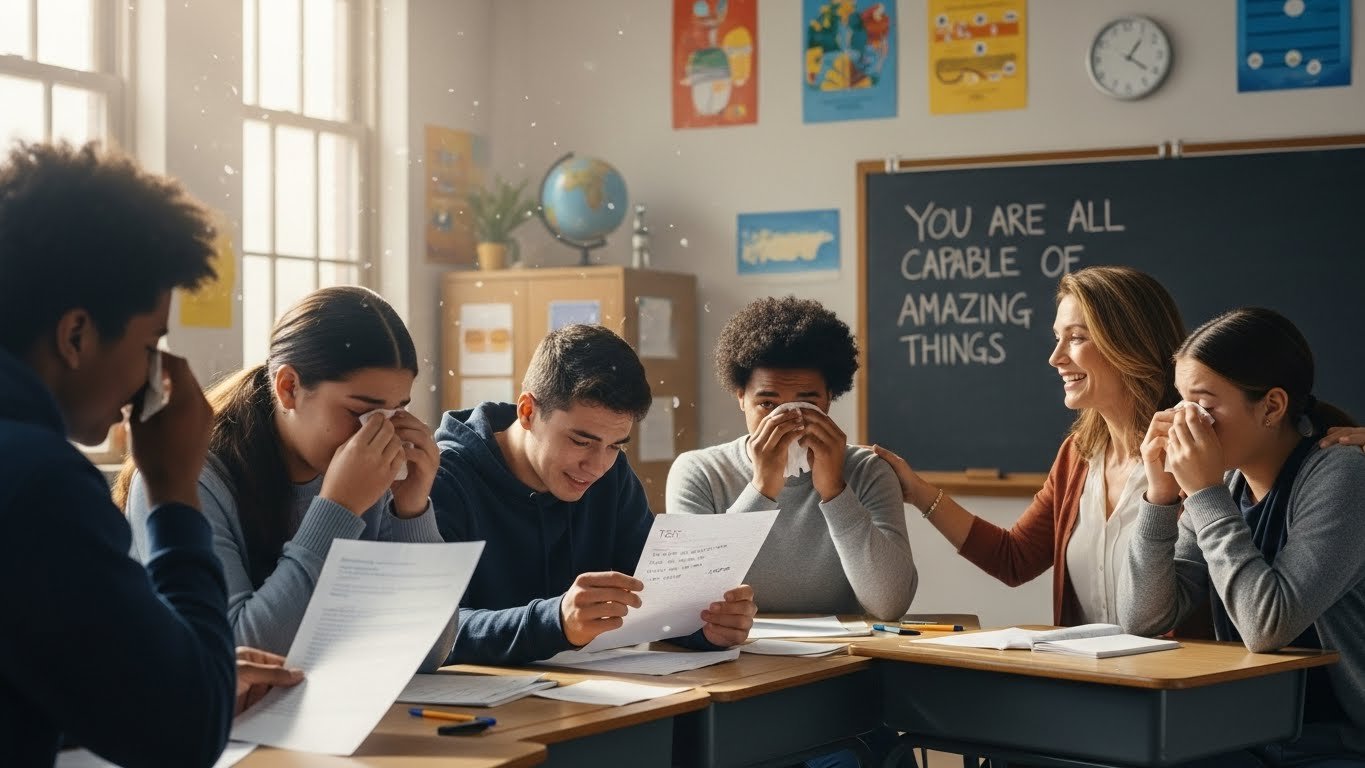
Beyond the immediate impact, when millions of people share and engage with content celebrating kindness, empathy, and human connection, it reinforces these values across communities. Educational institutions have incorporated this story into curricula addressing social emotional learning, demonstrating how real-world examples assist students understand abstract concepts like compassion and integrity. Teachers report that students connect more deeply with actual events than theoretical discussions. Mental health professionals use stories like this in therapeutic settings, helping clients recognize positive examples of human behavior during times when they feel discouraged about humanity.
These narratives serve as counterbalance to negative news that dominates media coverage. Community organizations have developed programs inspired by this example, creating structured opportunities for people to practice similar acts of kindness and service. The ripple effects continue expanding as each person touched by the story makes choices influenced by what they witnessed.
Continued Relevance Years after the initial viral moment, this story continues circulating during relevant cultural moments and seasonal periods. Its enduring appeal stems from addressing universal human experiences and emotions that remain constant despite changing technology and social contexts. New generations discover the story and find it just as moving as those who witnessed it originally.
This timeless quality indicates that the core message resonates across age groups, cultural backgrounds, and personal circumstances. Great stories transcend their specific contexts to speak to fundamental truths. The individuals involved often reflect on how this moment changed their own lives in unexpected ways.
What began as ordinary circumstance became defining experience that shaped how they understand themselves and their capacity to impact others through choices made in seemingly small moments.
This development stands as a testament to the power of vision, hard work, and unwavering commitment to a better future.