This article was originally written by Isobel Williams for SWNS — the U.K.’s largest independent news agency, providing globally relevant original, verified, and engaging content to the world’s leading media outlets.
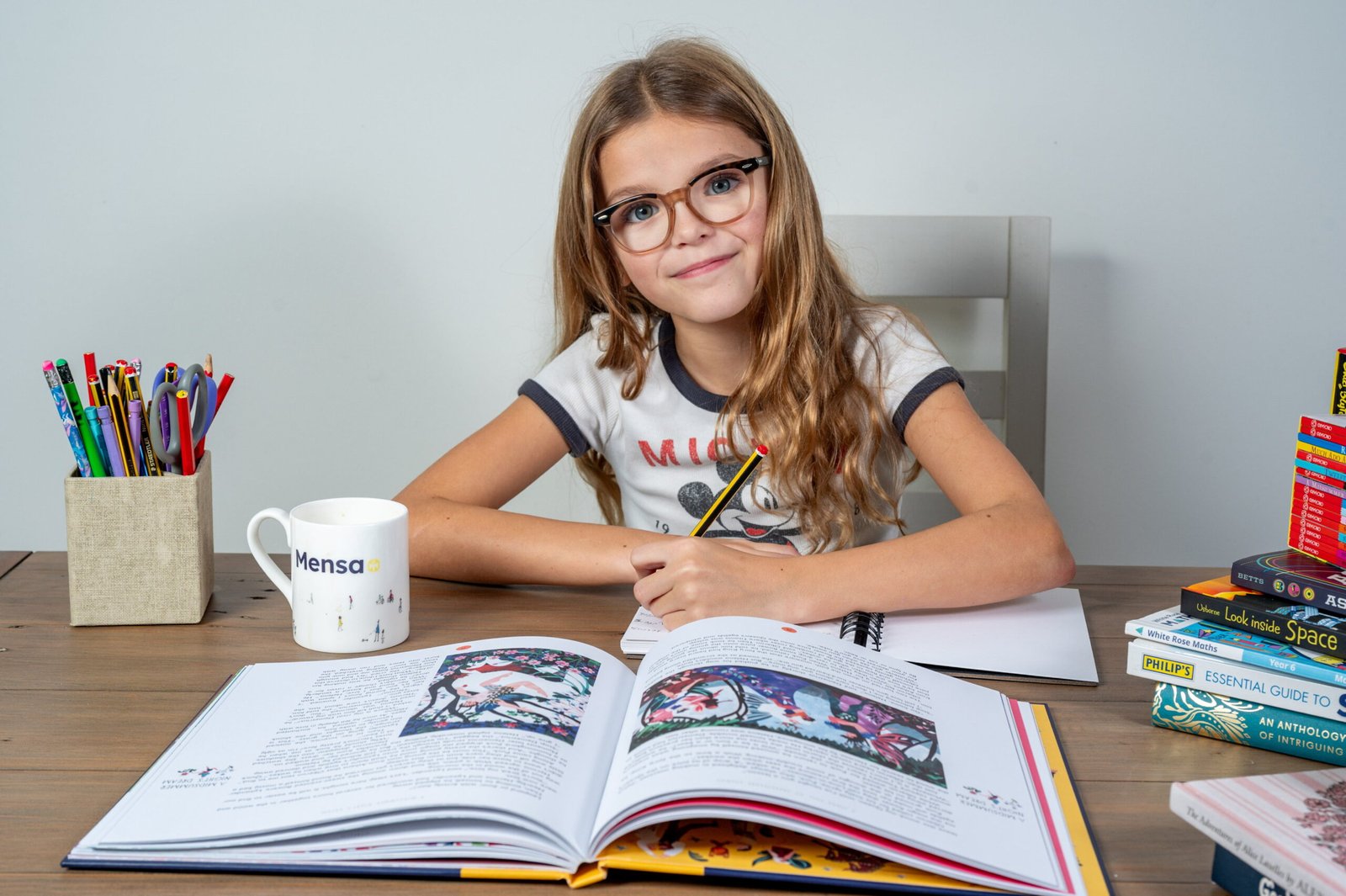
Learning disabilities don’t equate to lower intelligence — and no one is proving that point more than a 10-year-old girl from Kent, England. After Poppy O’Malley-Flack took a test for dyslexia because she’d been having trouble with spelling, she discovered she has an IQ of 136, and has since been invited to join high-IQ society Mensa International.
According to BBC Test the Nation data from 2014, the average IQ in Britain is around 100, and any number above 135 puts you in the top 1%. Poppy was invited to take the three-hour exam, which also determined that she has exceptional reasoning and problem-solving skills, ahead of her 11+, a British test many students take in their last year of elementary school.
The news came as a surprise to Poppy’s mom, 44-year-old Lucy O’Malley-Flack, who told SWNS that her daughter had always excelled at creative subjects like art.
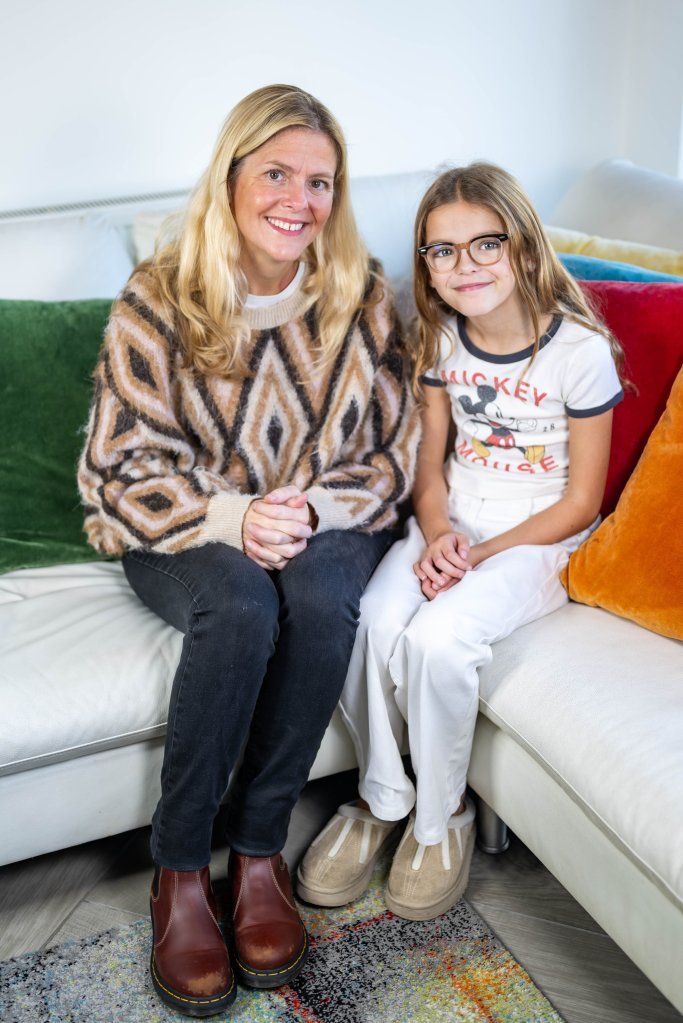
“We never expected to come out of a dyslexic test and the lady say her reasoning skills and intelligence were exceptionally high. We were as shocked I think as Poppy was,” O’Malley-Flack said, adding: “She had never been the type of child you thought was gifted or very academic who goes up to their room and studies and loves learning. She is creative and she is very good at art. However, she is very logical and has good reasoning skills and is very good at problem-solving. We have always known that.”
She continued: “We always knew she was quite grown-up for her age. It is a perfect example of how a learning difference and giftedness can coexist. While she might have struggles with spelling, she has extraordinary reasoning skills. Dyslexia is seen as something you have when you aren’t intelligent, but that is not the case. She is actually very intelligent, she just struggles with certain aspects.”
After learning of Poppy’s IQ, O’Malley-Flack, who’s an assistant principal at a local college, approached Mensa in hopes of getting her daughter into programs with other gifted children. And shortly after her test results were sent off, Poppy received an email accepting her into the prestigious club. She joins the ranks of Geena Davis, Steve Martin, and 3-year-old Mensa member Joseph Harris-Birtill, the society’s youngest inductee.
“When the results said that she was in the top 1%, I joked that she should be part of Mensa,” shared O’Malley-Flack. “Then when I looked into it, they said that I could send through evidence. We were absolutely chuffed and really proud of her and I think she was really proud of herself. It was a shock. It is the prestige that you are part of such a high intelligence group.”
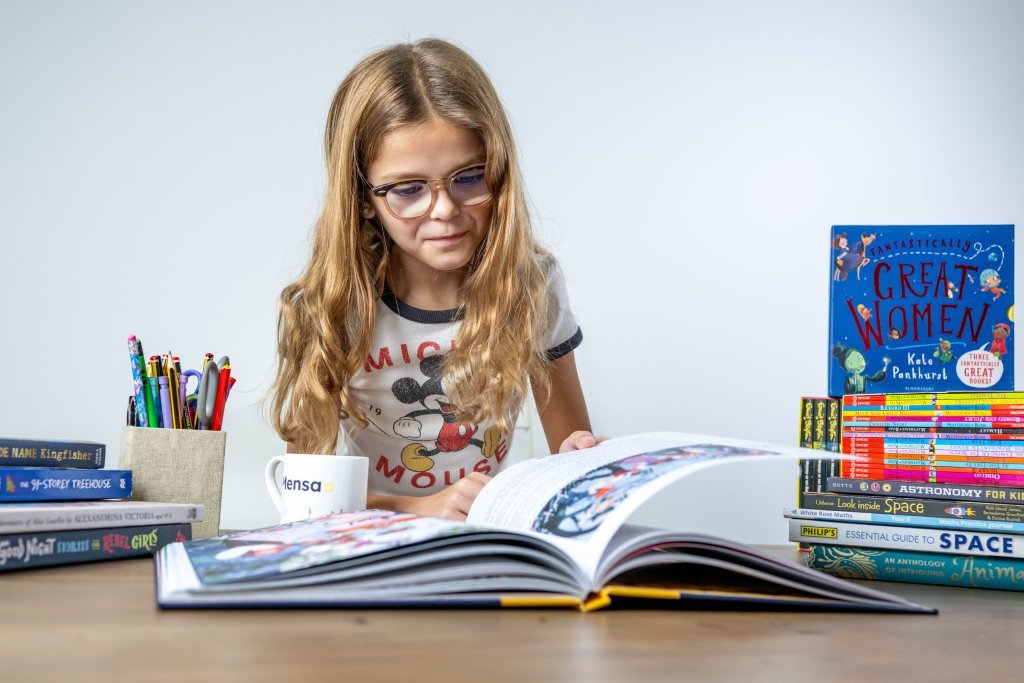
But to her mom, Poppy is “just a normal kid” when it comes down to it: “She is the most humble child you will ever meet, but she is really enjoying this prestige.” The youngster now has plenty of Mensa merchandise, including a hoodie, mug, and certificate, which O’Malley-Flack said she is very proud of.
In addition to art and fashion, Poppy also has a passion for mathematics and science. She’s hoping to get into grammar school, a type of state-funded secondary school in the U.K. which admits students based on ability, but she has no career aspirations beyond that yet, though her mom suspects that she may end up doing something in the realm of science.
“I don’t think Poppy is going to go into your normal nine-to-five job,” O’Malley-Flack said. “She will be going into something scientific or arty. Something that requires detail.”
RELATED: Formerly Unhoused 14-Year-Old Chess Prodigy Tanitoluwa Adewumi Sets His Sights on Grandmaster
The implications of this discovery extend across multiple scientific disciplines, opening new avenues for research and collaboration. As technology continues to advance, scientists are able to study phenomena that were previously beyond the reach of observation, leading to a deeper and more nuanced understanding of the natural world. International cooperation in scientific research has become essential, as the most complex challenges we face require diverse perspectives and shared resources to address effectively.
Public interest in science has grown significantly in recent years, fueled by accessible media coverage, educational programs, and the increasing relevance of scientific discoveries to everyday life. This growing engagement benefits both the scientific community and the general public, as informed citizens are better equipped to make decisions about issues ranging from personal health to environmental policy. Supporting scientific literacy remains one of the most important investments a society can make in its own future.
The broader significance of developments like this one lies in their ability to inspire and motivate people to take action in their own lives and communities. Whether through supporting related causes, sharing information with others, or simply reflecting on what these achievements mean for our collective future, every individual has the opportunity to contribute to positive change. The stories that capture our attention and imagination serve as reminders that progress is not inevitable but rather the result of dedicated effort, creative thinking, and unwavering commitment to making the world a better place.
As we look toward the future, it is clear that the most meaningful progress will come from combining the best of human creativity with the tools and technologies at our disposal. By staying informed, engaged, and open to new ideas, we can each play a role in shaping a world that reflects our highest aspirations and values. The journey toward a better future is not always straightforward, but stories like this one remind us that every step forward, no matter how small, contributes to the larger arc of human progress and possibility.
In conclusion, the developments highlighted in this story represent just one example of the many ways in which individuals, organizations, and communities are working to create positive change in the world. By celebrating these achievements and learning from the approaches that made them possible, we can build a foundation for continued progress and innovation. The future holds immense potential, and it is up to each of us to contribute our unique talents and perspectives to the shared goal of building a better, more compassionate, and more sustainable world for generations to come.