When a Surprise Companion Changes Everything
Military veterans returning from active duty frequently carry burdens that remain invisible to the outside world. The transition from combat zones to civilian neighborhoods presents challenges that go far beyond finding employment or adjusting to daily routines. For many veterans dealing with post-traumatic stress disorder, everyday situations that most people take for granted can trigger overwhelming anxiety, panic attacks, and a deep sense of isolation from the world around them.
One veteran’s experience illustrates both the depth of these struggles and the remarkable healing power of an unexpected bond. After serving multiple combat deployments overseas, he returned home to find that the person he had been before the war seemed unreachable. Crowded grocery stores triggered hypervigilance. Fireworks sent his heart racing. Sleep became an adversary rather than a refuge, filled with nightmares that blurred the boundary between past and present.
The Healing Power of Service Animals
Traditional therapeutic approaches, while valuable, often proved insufficient on their own for addressing the complex web of symptoms that characterized his daily existence. Medication helped manage some symptoms but brought side effects that created new challenges. Talk therapy provided understanding but could not always prevent the sudden onset of panic in triggering environments. Something more was needed, something that could provide constant, living, breathing support throughout every moment of the day.
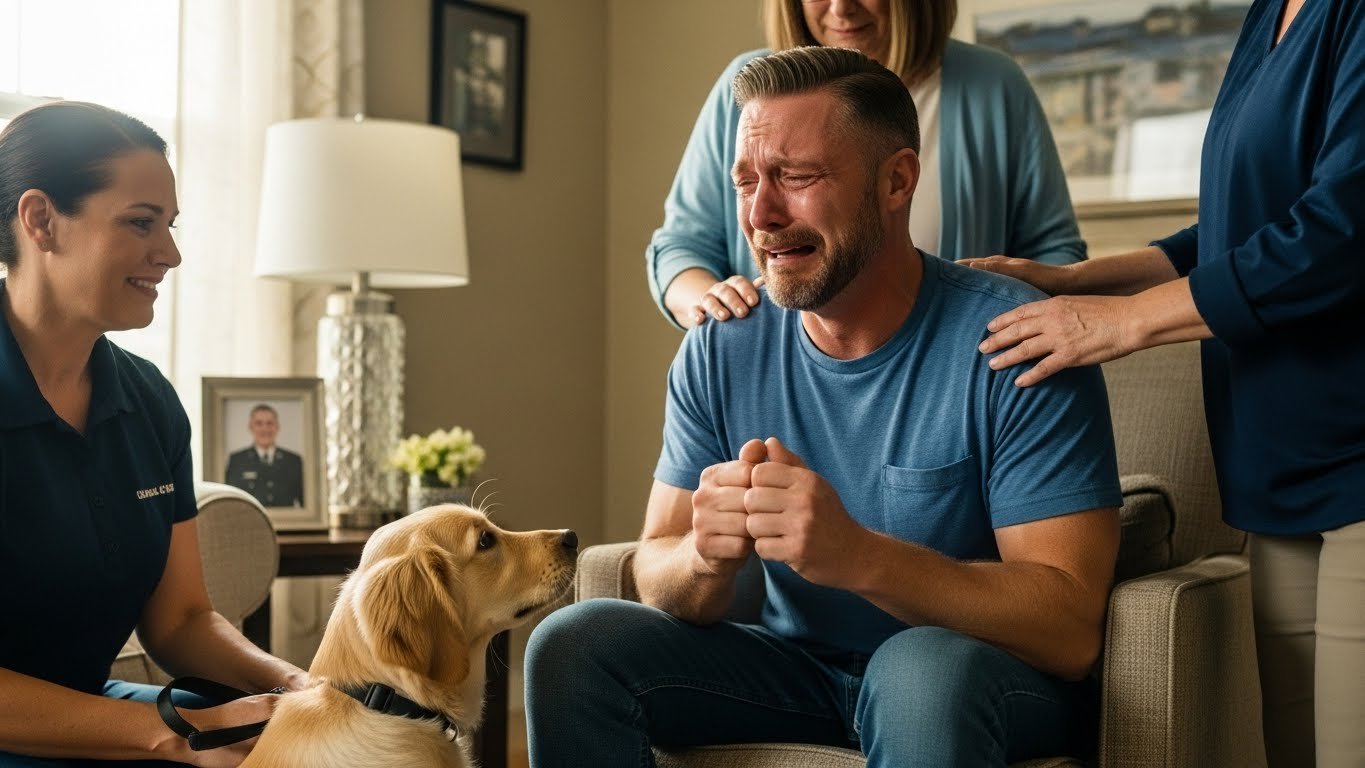
That something arrived in the form of a specially trained service dog, presented to him through a nonprofit organization dedicated to pairing veterans with canine companions. The moment the dog was placed in his arms during a surprise presentation organized by his family and the organization, something shifted. The emotional response was immediate and profound, capturing in a single moment the depth of pain he had been carrying and the relief of finally receiving a companion uniquely equipped to help carry it.
How Service Dogs Transform Veterans’ Lives
Service dogs trained for veterans with PTSD undergo extensive preparation that goes far beyond basic obedience. These remarkable animals learn to detect the physiological signs of an approaching anxiety attack often before their human partner becomes consciously aware of what is happening. They are trained to create physical space in crowded environments, to interrupt nightmares by gently waking their handler, and to provide deep pressure therapy during moments of acute distress.
The science behind animal-assisted therapy for PTSD is increasingly well documented. Research published in peer-reviewed journals has demonstrated that veterans paired with trained service dogs show significant reductions in symptom severity, decreased reliance on medication, and improved social functioning. The constant companionship addresses one of the most insidious aspects of PTSD: the isolation that occurs when veterans withdraw from social situations to avoid potential triggers.

A Community of Support
Organizations that provide service dogs to veterans typically operate through a combination of private donations, fundraising events, and corporate sponsorships. The cost of breeding, raising, and professionally training a single service dog can exceed thirty thousand dollars, representing a substantial investment that these organizations make without charging the veteran recipients. Waiting lists are often months or even years long, reflecting both the high demand and the meticulous matching process required to pair each dog with the right veteran.
The ripple effects of these partnerships extend well beyond the individual veteran. Family members frequently report that the presence of a service dog transforms household dynamics, reducing tension and creating new opportunities for connection and shared activity. Children who had grown cautious around a parent struggling with unpredictable symptoms often find that the dog serves as a bridge, bringing lightness and playfulness back into family interactions that had become strained by the weight of invisible wounds.
Moving Forward Together
Months after receiving his service companion, the transformation in the veteran’s daily life was remarkable. Shopping trips that once required days of mental preparation became manageable with his dog at his side. Sleep improved as the animal learned to intervene during nightmares before they reached their most distressing intensity. Social outings that had seemed impossible gradually became part of a new routine built around the partnership between human and canine.
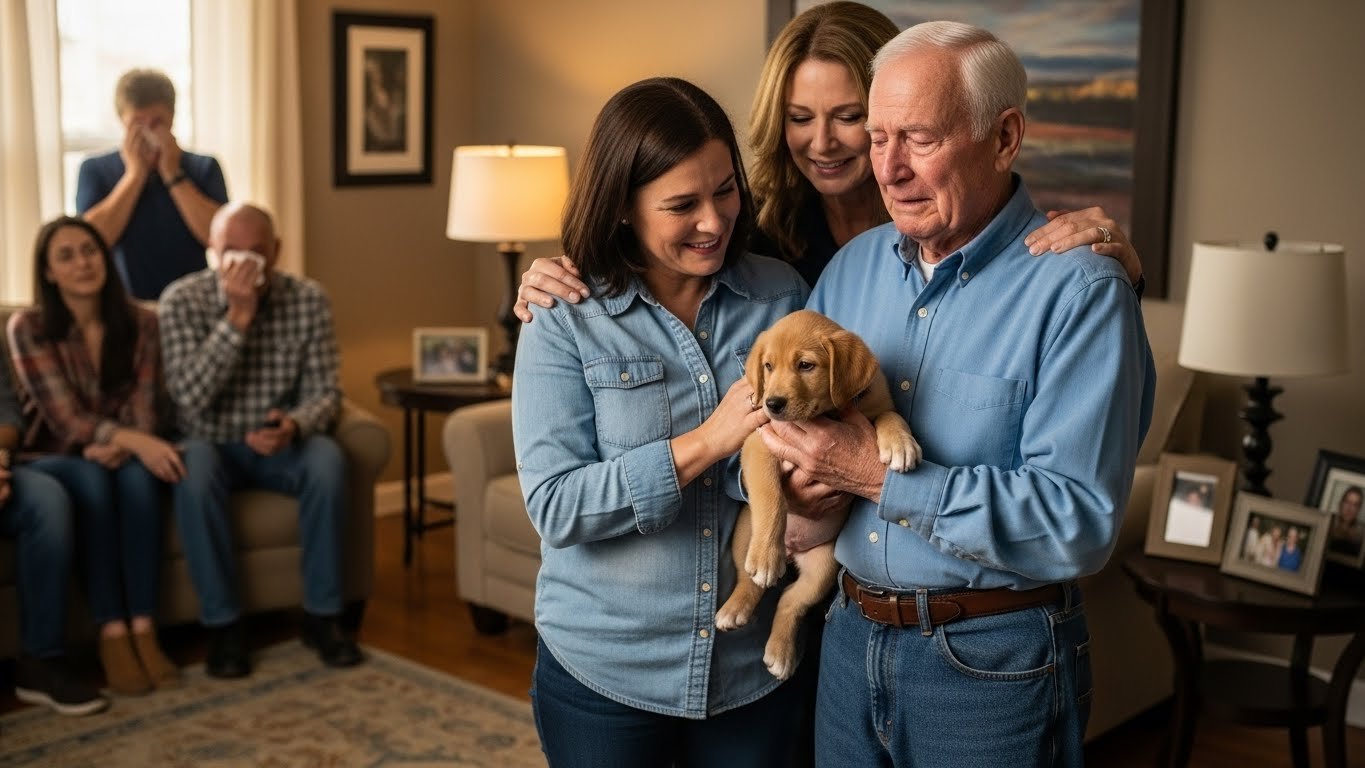
Stories like this one serve as powerful reminders that healing from the psychological wounds of combat is not a journey that anyone should have to undertake alone. The bond between a veteran and a service dog represents something that defies easy categorization: part medical intervention, part emotional support, and part profound interspecies friendship. For those who have served their country and returned carrying invisible scars, these remarkable animals offer something that no medication or therapy session alone can provide, the unwavering presence of a companion who asks nothing and gives everything.
The broader implications of this story extend well beyond the individuals directly involved. It represents a growing recognition that creative thinking, sustained commitment, and genuine empathy can produce results that conventional approaches alone often fail to achieve. As awareness of developments like this one continues to spread through media coverage and personal sharing, the potential for inspiring similar initiatives in other communities and contexts grows exponentially.
Experts who have studied similar developments emphasize the importance of community engagement and sustained support in achieving lasting positive outcomes. When individuals, organizations, and institutions align their efforts toward shared goals, the resulting synergy produces impact that far exceeds what any single actor could accomplish independently. This collaborative approach to problem-solving has become increasingly recognized as essential for addressing the complex challenges that define our current era.
From an educational standpoint, stories like this one offer valuable case studies in perseverance, innovation, and the practical application of compassion. Teachers and community leaders have noted that real-world examples of positive change are among the most effective tools for inspiring the next generation to think critically about the challenges around them and to believe in their own capacity to contribute meaningful solutions.
The long-term significance of developments like this is often underestimated in the immediate aftermath. What begins as a single initiative or individual act of determination frequently becomes the catalyst for broader cultural shifts in how communities approach similar challenges. The seeds planted today through creative thinking and genuine care for others have the potential to grow into movements that reshape entire sectors and improve the lives of countless individuals who may never know the origin of the changes that benefited them.