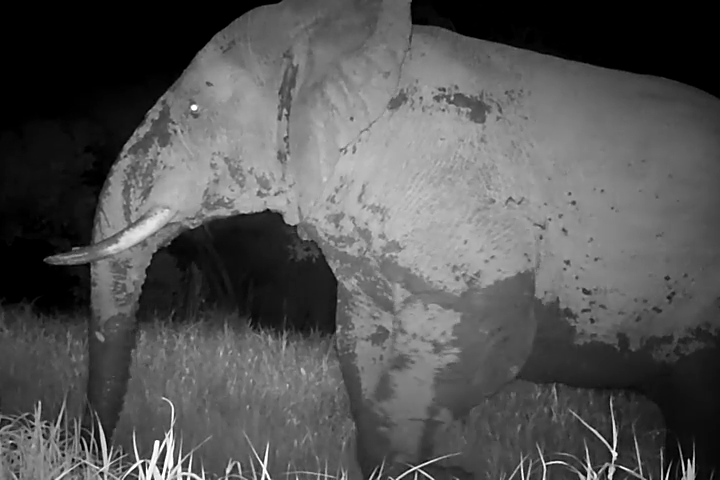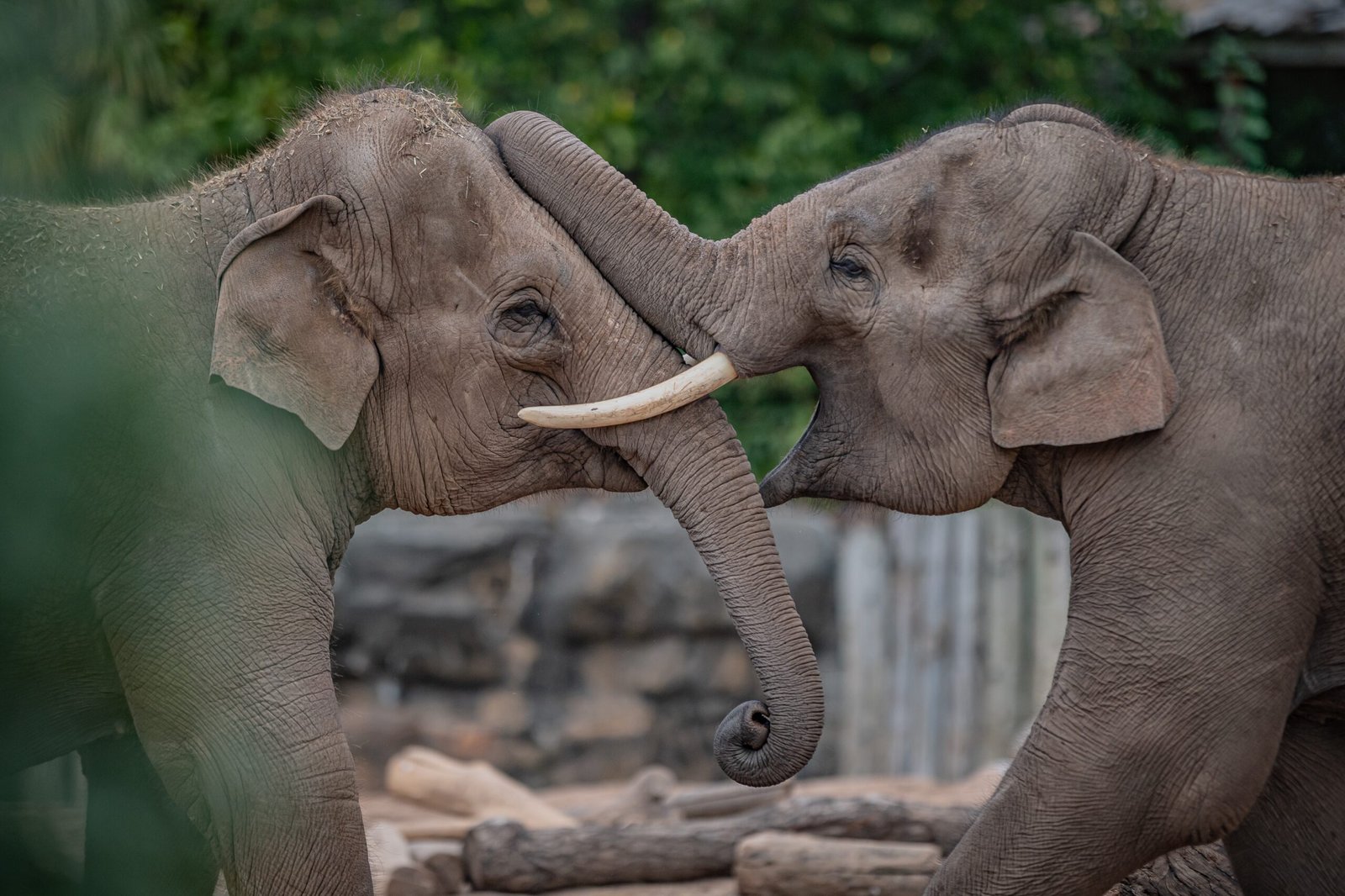
Currently listed as an endangered species on the IUCN Red List, Asian elephants have dwindled to a population of fewer than 40,000 — but England’s Chester Zoo just announced a major breakthrough in a world-first trial that could help boost that number.
Elephant endotheliotropic herpesvirus, or EEHV, can kill both wild and captive Asian and African elephants within 24 hours of infection, seriously threatening conservation efforts. Along with the University of Surrey and the Animal and Plant Health Agency, the zoo developed a vaccine that targets EEHV. Publishing their results Oct. 3, scientists demonstrated that the vaccine safely and effectively stimulated a strong immune response in adult elephants during a six-year, proof-of-concept study.
“This publication marks a watershed moment — it means we can now say the vaccine is ready for wider use,” co-author Katie Edwards said in a news release. “EEHV has taken the lives of so many elephants, but this offers hope and a massive step toward ending those losses.”
The vaccine triggers responses in two types of cells needed for EEHV immunity: Th1 cells, which help eradicate viruses and bacteria, and cytotoxic T immune cells, which target viruses. After delivering the vaccine and booster doses to a small group of elephants via injection, the scientists were able to analyze the animals’ immune responses more thoroughly than had ever previously been done in Asian elephants, and they found no adverse reactions.
“This is a landmark moment in our work to develop safe and efficacious vaccines,” senior author Falko Steinbach said in the release. “For the first time, we have shown in elephants that a vaccine can trigger the type of immune response needed to protect them against EEHV.”
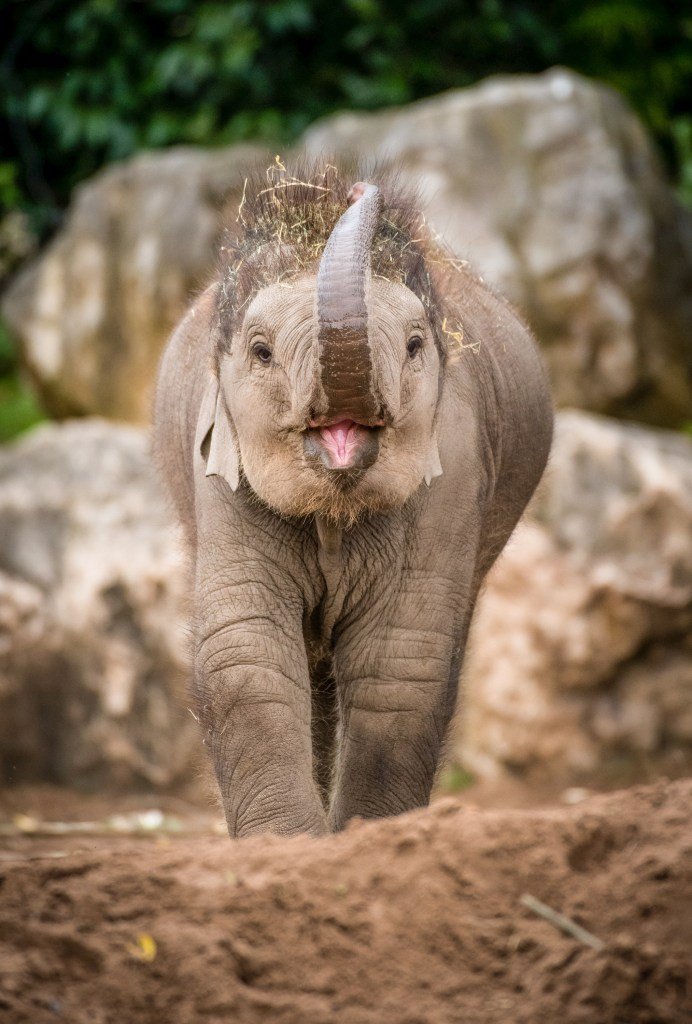
These results have been years in the making. According to the EEHV Advisory Group, the disease is the leading cause of death of young Asian elephants in the U.S. and Europe, with diagnoses and fatalities primarily reported in calves and juveniles ages 1 through 8. In 2009, Chester Zoo lost its first calf to EEHV — and four years later, it began fundraising efforts for vaccine research. In 2019, after intensive treatment, the zoo’s calf Indali Hi-Way became one of the few recorded survivors of the disease.
Now, thanks to the trial’s success, scientists can conduct further testing in the younger elephants most at risk, and are already planning on building delivery methods for wild populations. They hope that one day, the vaccine can be used to help prevent EEHV worldwide — and speculate that it could also pave the way for vaccination studies focused on other wildlife diseases.
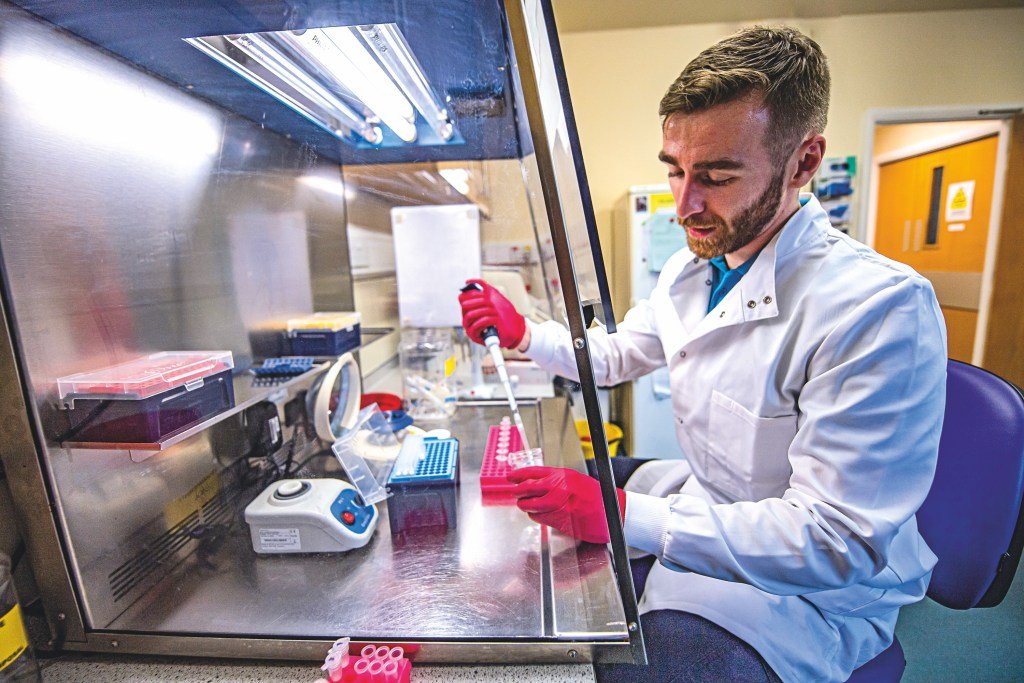
“As a conservation charity, our goal is for the vaccine to be open source and freely available to help save as many elephants as possible,” co-author Javier Lopez, the zoo’s head of veterinary services, said in the release. “Until now, EEHV has been a silent killer — with this vaccine, we finally have a weapon to fight back.”
Stories like this remind us of the power of human ingenuity and compassion. In a world where headlines are often dominated by negativity, it is refreshing to see developments that inspire hope and positive change. The story behind “a landmark moment”: world-first elephant vaccine for deadly disease found to be safe and effective is one that resonates with people across different backgrounds and cultures, highlighting the universal desire for progress and connection.
Medical breakthroughs continue to reshape our understanding of human health. Researchers around the world are collaborating on innovative treatments and preventive measures that could improve the quality of life for millions of people. From advanced diagnostic tools to personalized medicine, the healthcare landscape is evolving at a remarkable pace. These developments are not just about extending lifespans but also about enhancing the daily well-being of individuals living with chronic conditions or facing new health challenges.
Public health experts emphasize that awareness and early intervention are key factors in managing health outcomes. Community health programs, educational initiatives, and accessible healthcare services play a vital role in ensuring that advancements reach the people who need them most. The integration of technology into healthcare delivery has also opened new possibilities for remote monitoring, telemedicine consultations, and data-driven treatment plans that can be tailored to individual needs.
Scientific discovery has always been driven by curiosity and the desire to understand the world around us. Modern research tools and international collaboration have accelerated the pace of discoveries, leading to breakthroughs that would have been unimaginable just a few decades ago. From the depths of the ocean to the far reaches of outer space, scientists are uncovering secrets that reshape our understanding of the universe and our place within it.
The importance of funding scientific research cannot be overstated. Government grants, private foundations, and university programs all contribute to creating an ecosystem where innovative ideas can be tested and validated. Public engagement with science through museums, documentaries, and educational outreach programs helps build a society that values evidence-based thinking and supports the continued pursuit of knowledge for the benefit of future generations.
Wildlife conservation efforts have gained significant momentum in recent years as more people recognize the importance of protecting biodiversity. From habitat restoration projects to breeding programs for endangered species, conservationists are working tirelessly to ensure that future generations can experience the rich diversity of animal life on our planet. The connection between healthy ecosystems and human well-being has become increasingly clear, driving both policy changes and grassroots action around the world.
Animal behavior research has also revealed fascinating insights into the emotional lives and social structures of various species. Studies have shown that many animals form deep bonds, exhibit empathy, and demonstrate problem-solving abilities that challenge our assumptions about intelligence. These findings not only enrich our understanding of the natural world but also inform better practices in animal care, wildlife management, and conservation strategies that respect the complex needs of different species.
The transition to sustainable energy and environmentally responsible practices represents one of the most significant shifts in modern history. Communities around the world are embracing renewable energy sources, reducing waste, and reimagining how we interact with the natural environment. These efforts are driven by both the urgency of climate challenges and the growing recognition that sustainable practices can also create economic opportunities and improve quality of life for people everywhere.
Education and awareness play crucial roles in driving environmental change. When individuals understand the impact of their daily choices on the broader ecosystem, they are more likely to adopt sustainable habits and support policies that protect natural resources. From school programs teaching children about conservation to community initiatives that promote recycling and responsible consumption, every effort contributes to building a more sustainable future for all.
Art and creative expression have always played a fundamental role in how we process emotions, communicate ideas, and build connections across cultures. Whether through visual arts, music, literature, or performance, creative works have the power to inspire, challenge, and heal. In an increasingly digital world, artists are finding new ways to reach audiences and create experiences that bridge traditional and contemporary forms of expression.
Supporting the arts through public funding, community spaces, and educational programs is essential for maintaining a vibrant cultural landscape. Studies have consistently shown that engagement with the arts improves mental health, enhances cognitive abilities, and strengthens community bonds. By valuing and investing in creative endeavors, societies foster innovation, empathy, and a sense of shared identity that enriches the lives of all their members.
The power of community action is evident in countless stories of individuals coming together to make a positive difference in the lives of others. Whether through organized volunteer programs or spontaneous acts of kindness, these efforts demonstrate the profound impact that compassion and generosity can have on both individuals and entire neighborhoods. Research has consistently shown that communities with strong social connections experience better health outcomes, lower crime rates, and greater overall life satisfaction.
Building stronger communities requires intentional effort and ongoing commitment from people of all ages and backgrounds. Mentorship programs, neighborhood gatherings, and collaborative projects create opportunities for meaningful connection and mutual support. In an era where digital communication often replaces face-to-face interaction, the importance of fostering genuine human connections through community engagement has never been more apparent or more necessary.
Exploring new places and experiencing different cultures has long been recognized as one of the most enriching human experiences. Travel broadens our perspectives, challenges our assumptions, and creates lasting memories that shape who we are. From historic landmarks and natural wonders to vibrant urban centers and quiet rural retreats, every destination offers unique opportunities for discovery and personal growth that cannot be replicated through any other means.
Responsible tourism has become an important consideration as more people travel the globe. Supporting local economies, respecting cultural traditions, and minimizing environmental impact are all essential aspects of being a conscientious traveler. Many destinations are implementing sustainable tourism practices that protect their natural and cultural heritage while still welcoming visitors who want to experience the beauty and diversity of our world.
Looking ahead, developments like the one described in this story offer a glimpse into a future filled with possibility and positive change. While challenges certainly remain, the creativity, determination, and compassion demonstrated by the individuals and organizations involved serve as a powerful reminder that progress is always within reach when people are willing to work together toward a common goal.
As we continue to navigate the complexities of modern life, stories like these provide both inspiration and practical examples of how innovation, kindness, and perseverance can make a real difference. By sharing and celebrating these achievements, we not only honor the efforts of those involved but also encourage others to pursue their own ideas for creating positive change in their communities and beyond.
RELATED: These Adorable Stuffed Animals Are Helping Save Real Elephants, Teaching Kids About Conservation