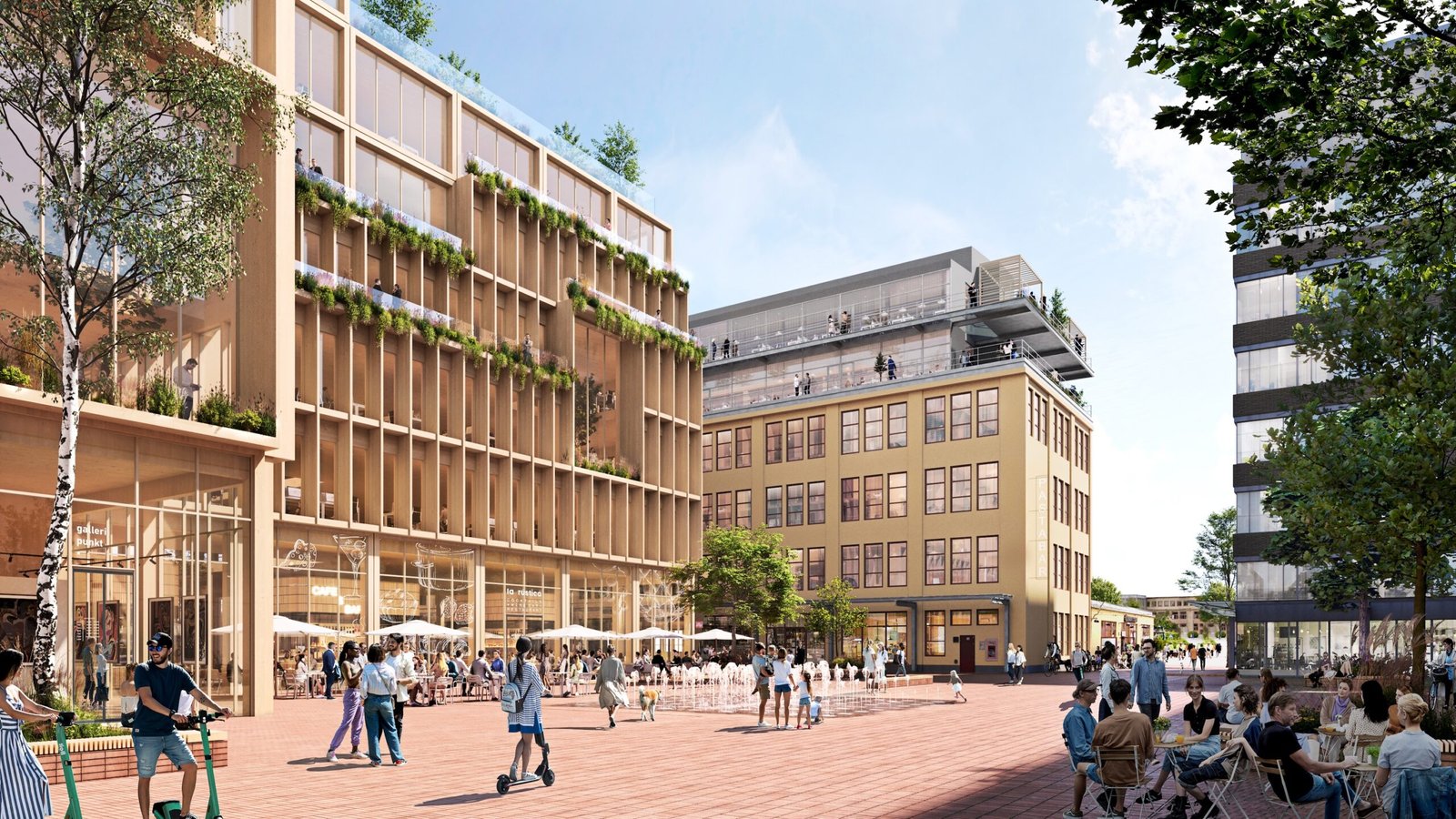
Building with timber rather than concrete or steel could be key to offsetting construction industry emissions, and with 70% of its landmass blanketed in forests, Sweden has plenty of the renewable resource at its disposal. An ambitious project is making use of that cache while positioning itself as a model of nature-infused sustainable living.
Set to cover 250,000 square meters, Stockholm Wood City will be the world’s largest city made entirely from timber. It will provide 2,000 new homes and 7,000 office spaces, as well as bike storage facilities, an expanded high school, and a new subway station. Between the urban developments, “pocket parks” populated with wildflowers will promote biodiversity — and there are even plans for neighborhood beehives, Time magazine reported.
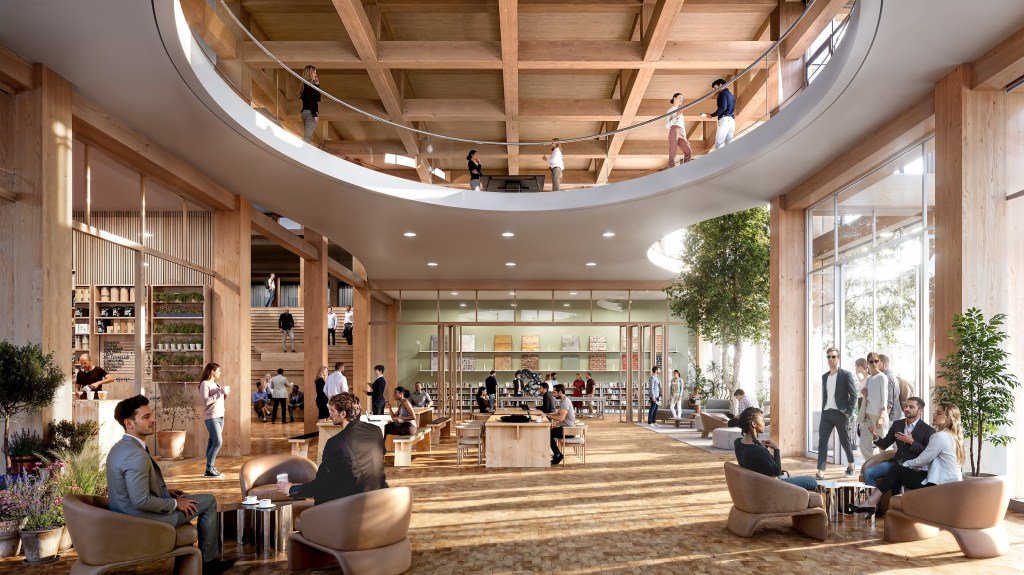
“We can tell the story about how to build a liveable city, how to add nature into the city and build something sustainable,” Håkan Hyllengren, business development director at Atrium Ljungberg, the development firm behind the project, told the outlet. “It’s not just about wood, it’s the whole concept.”
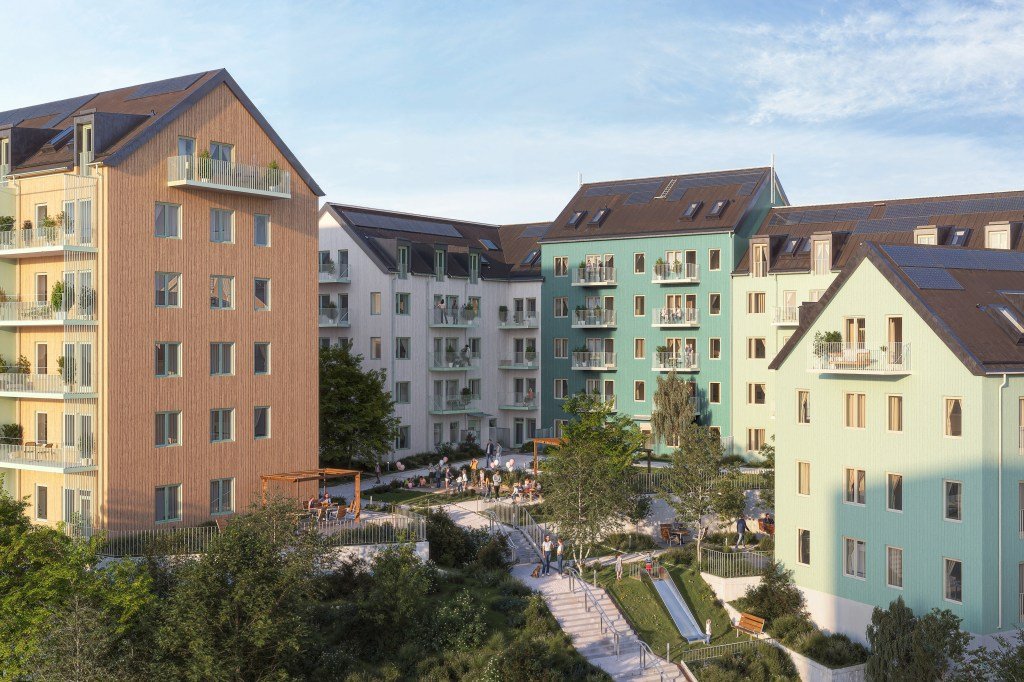
Construction began a few months ahead of schedule in October 2024 with Kvarter 7, a car-free block in the Stockholm neighborhood of Sickla that will feature three residential buildings comprising 80 apartments. Made with fire-proofed cross-laminated timber, the city is being designed by Danish studio Henning Larsen and Swedish firm White Arkitekter. Other, local architects will be brought on as the project progresses.
Aside from creating less carbon emissions, timber has another major eco-friendly benefit: It’s recyclable. When a wooden structure comes down, the materials could be used to build furniture or burned as biofuel. Additionally, research has pointed to buildings made with natural materials like wood positively contributing to health and well-being. And, of course, it’s easy on the eyes.
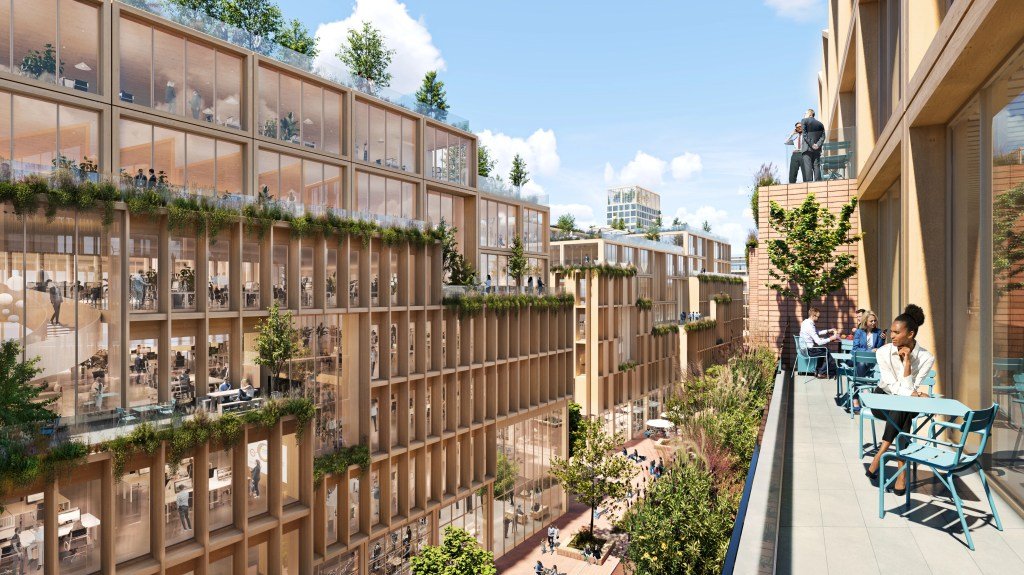
“We sought to create an urban environment infused with the serenity of a forest, resulting in a dense, open space that bears the distinctively minimalistic and functional aesthetic of Scandinavian design,” representatives for Atrium Ljungberg explained to Dezeen. “The architects innovatively incorporated natural elements into the structures — for instance, green roofs for better insulation and large windows to let in natural light, embodying our vision of a city that thrives in harmony with nature.”
The “serenity” mentioned extends, as much as is possible, to the construction site itself. While working with concrete is quite noisy, building with timber is a quieter affair. It also makes for a brighter environment, with less machinery and shades of grey. “Upon entering the construction site, the atmosphere feels noticeably different from a conventional one,” Marianne Perslow, the project’s head of communication, told Wallpaper in January. “It’s remarkably quiet and calm, highlighting how the well-being benefits of wooden construction projects begin even during the building process.”
Stories like this remind us of the power of human ingenuity and compassion. In a world where headlines are often dominated by negativity, it is refreshing to see developments that inspire hope and positive change. The story behind a serene swedish city made entirely out of wood is set to be world’s largest is one that resonates with people across different backgrounds and cultures, highlighting the universal desire for progress and connection.
Medical breakthroughs continue to reshape our understanding of human health. Researchers around the world are collaborating on innovative treatments and preventive measures that could improve the quality of life for millions of people. From advanced diagnostic tools to personalized medicine, the healthcare landscape is evolving at a remarkable pace. These developments are not just about extending lifespans but also about enhancing the daily well-being of individuals living with chronic conditions or facing new health challenges.
Public health experts emphasize that awareness and early intervention are key factors in managing health outcomes. Community health programs, educational initiatives, and accessible healthcare services play a vital role in ensuring that advancements reach the people who need them most. The integration of technology into healthcare delivery has also opened new possibilities for remote monitoring, telemedicine consultations, and data-driven treatment plans that can be tailored to individual needs.
Scientific discovery has always been driven by curiosity and the desire to understand the world around us. Modern research tools and international collaboration have accelerated the pace of discoveries, leading to breakthroughs that would have been unimaginable just a few decades ago. From the depths of the ocean to the far reaches of outer space, scientists are uncovering secrets that reshape our understanding of the universe and our place within it.
The importance of funding scientific research cannot be overstated. Government grants, private foundations, and university programs all contribute to creating an ecosystem where innovative ideas can be tested and validated. Public engagement with science through museums, documentaries, and educational outreach programs helps build a society that values evidence-based thinking and supports the continued pursuit of knowledge for the benefit of future generations.
Wildlife conservation efforts have gained significant momentum in recent years as more people recognize the importance of protecting biodiversity. From habitat restoration projects to breeding programs for endangered species, conservationists are working tirelessly to ensure that future generations can experience the rich diversity of animal life on our planet. The connection between healthy ecosystems and human well-being has become increasingly clear, driving both policy changes and grassroots action around the world.
Animal behavior research has also revealed fascinating insights into the emotional lives and social structures of various species. Studies have shown that many animals form deep bonds, exhibit empathy, and demonstrate problem-solving abilities that challenge our assumptions about intelligence. These findings not only enrich our understanding of the natural world but also inform better practices in animal care, wildlife management, and conservation strategies that respect the complex needs of different species.
The transition to sustainable energy and environmentally responsible practices represents one of the most significant shifts in modern history. Communities around the world are embracing renewable energy sources, reducing waste, and reimagining how we interact with the natural environment. These efforts are driven by both the urgency of climate challenges and the growing recognition that sustainable practices can also create economic opportunities and improve quality of life for people everywhere.
Education and awareness play crucial roles in driving environmental change. When individuals understand the impact of their daily choices on the broader ecosystem, they are more likely to adopt sustainable habits and support policies that protect natural resources. From school programs teaching children about conservation to community initiatives that promote recycling and responsible consumption, every effort contributes to building a more sustainable future for all.
Art and creative expression have always played a fundamental role in how we process emotions, communicate ideas, and build connections across cultures. Whether through visual arts, music, literature, or performance, creative works have the power to inspire, challenge, and heal. In an increasingly digital world, artists are finding new ways to reach audiences and create experiences that bridge traditional and contemporary forms of expression.
Supporting the arts through public funding, community spaces, and educational programs is essential for maintaining a vibrant cultural landscape. Studies have consistently shown that engagement with the arts improves mental health, enhances cognitive abilities, and strengthens community bonds. By valuing and investing in creative endeavors, societies foster innovation, empathy, and a sense of shared identity that enriches the lives of all their members.
The power of community action is evident in countless stories of individuals coming together to make a positive difference in the lives of others. Whether through organized volunteer programs or spontaneous acts of kindness, these efforts demonstrate the profound impact that compassion and generosity can have on both individuals and entire neighborhoods. Research has consistently shown that communities with strong social connections experience better health outcomes, lower crime rates, and greater overall life satisfaction.
Building stronger communities requires intentional effort and ongoing commitment from people of all ages and backgrounds. Mentorship programs, neighborhood gatherings, and collaborative projects create opportunities for meaningful connection and mutual support. In an era where digital communication often replaces face-to-face interaction, the importance of fostering genuine human connections through community engagement has never been more apparent or more necessary.
Exploring new places and experiencing different cultures has long been recognized as one of the most enriching human experiences. Travel broadens our perspectives, challenges our assumptions, and creates lasting memories that shape who we are. From historic landmarks and natural wonders to vibrant urban centers and quiet rural retreats, every destination offers unique opportunities for discovery and personal growth that cannot be replicated through any other means.
Responsible tourism has become an important consideration as more people travel the globe. Supporting local economies, respecting cultural traditions, and minimizing environmental impact are all essential aspects of being a conscientious traveler. Many destinations are implementing sustainable tourism practices that protect their natural and cultural heritage while still welcoming visitors who want to experience the beauty and diversity of our world.
Looking ahead, developments like the one described in this story offer a glimpse into a future filled with possibility and positive change. While challenges certainly remain, the creativity, determination, and compassion demonstrated by the individuals and organizations involved serve as a powerful reminder that progress is always within reach when people are willing to work together toward a common goal.
As we continue to navigate the complexities of modern life, stories like these provide both inspiration and practical examples of how innovation, kindness, and perseverance can make a real difference. By sharing and celebrating these achievements, we not only honor the efforts of those involved but also encourage others to pursue their own ideas for creating positive change in their communities and beyond.
This isn’t Sweden’s first foray into large-scale wooden construction. In 1996, Vaxjo — a small, 1,000-year-old city about 260 miles southwest of Stockholm — was the first city in the world to commit to being completely fossil fuel-free. Today, most of its newer buildings are built from timber, and more than 90% of its energy is sourced from forestry by-products and other biomass, per the BBC.