

The 2026 Games are just nine days away, and the Team USA roster has arrived. And it’s historic: At 54, Rich Ruohonen — a curler and personal injury attorney from Minnesota — is the oldest American ever to make the Winter Olympics team.
A triumph many years in the making, Ruohonen spent nearly two decades playing in Olympic trials to no avail. “I figured I’d get [to the Olympics] someday as a coach, maybe,” he told NBC last year. “But to get there, even if it is as an alternate, is just my dream.” His persistence finally paid off last month, when the U.S. men’s curling team secured its spot in Milano Cortina.

Another athlete to earn age-related accolades is 44-year-old snowboarder Nick Baumgartner, who will be competing in his fifth consecutive Winter Games this year. In 2022, at 40 years old, Baumgartner became the oldest snowboarder to win an Olympic medal and the oldest U.S. gold medalist since the 1948 Winter Olympics. “The older I get, the more people say, ‘Aw, he’s not a threat this time. He’s not a threat this time,’” he told Detroit’s Local 4 News. “Fall asleep on me. See what happens?”
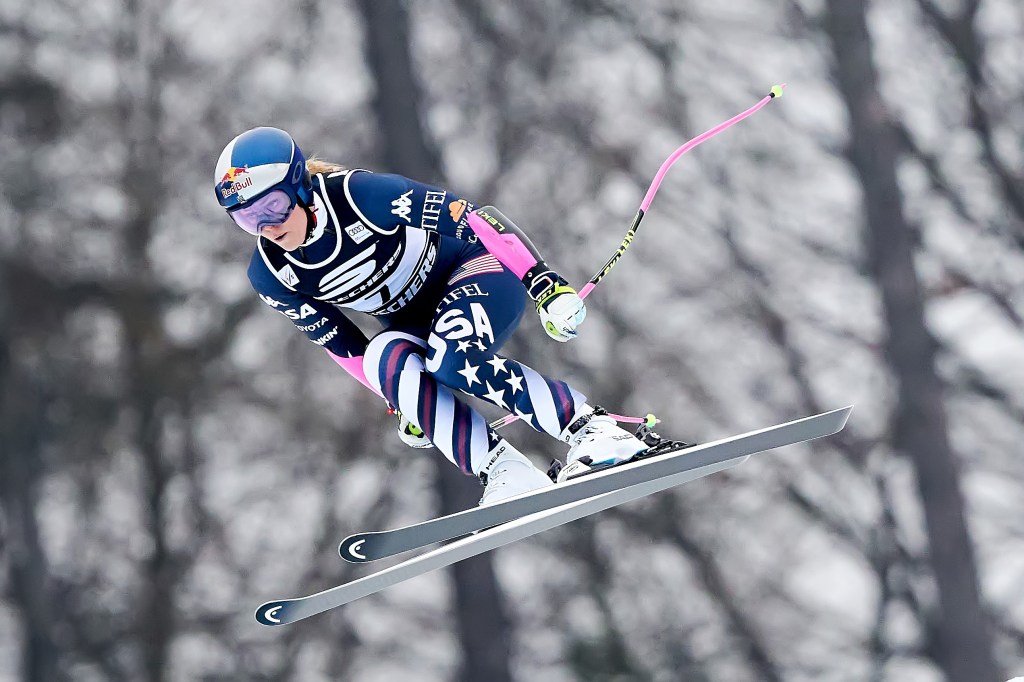
And in what she says will be her last Games, 41-year-old Lindsey Vonn is set to become the oldest woman in Winter Olympics history to compete in Alpine skiing. She recently told People that her decision to compete again after a six-year retirement was partially driven by the 2026 Games’ location, which was where she got her first podium at the 2004 World Cup. “Honestly, I don’t know if I would have done this if it wasn’t at Cortina,” she said, adding, “It’s one of the few races in my whole career that both of my parents were at. So it’s a very special place for me.”
At the other end of the age spectrum is 15-year-old Abby Winterberger of California. The freeskier is the youngest on Team USA’s 232-athlete lineup, and the only club-level freeski competitor to participate in this year’s Games. “This still doesn’t feel real. I’ve been dreaming of this moment ever since I learned how to ski, and to finally say it out loud is unreal,” Winterberger wrote in a recent Instagram post. “I know little me would be so proud. I truly couldn’t have done this without the love and support of everyone around me.”
Another young phenom to watch is 17-year-old snowboarder Ollie Martin from Colorado, who became the youngest male rider to win a World Cup slopestyle event at the 2025 Calgary Snow Rodeo in Canada. Utahn Josie Johnson, 19, is also one of five American ski jumpers to make their Olympic debut this year.
At the 2024 Youth Winter Games, Johnson clinched Team USA’s first medal in ski jumping, and in an Instagram post, she cited Taylor Swift as the reason she was able to calm her nerves: “Specifically, I was thinking about her Reputation dance from the Reputation Tour. That’s just what I do sometimes when I’m a little bit nervous. I just do some of the dance moves in my head.”
Meet more of the athletes on the roster.
Stories like this remind us of the power of human ingenuity and compassion. In a world where headlines are often dominated by negativity, it is refreshing to see developments that inspire hope and positive change. The story behind meet the youngest and oldest team usa olympians competing in milano cortina is one that resonates with people across different backgrounds and cultures, highlighting the universal desire for progress and connection.
Medical breakthroughs continue to reshape our understanding of human health. Researchers around the world are collaborating on innovative treatments and preventive measures that could improve the quality of life for millions of people. From advanced diagnostic tools to personalized medicine, the healthcare landscape is evolving at a remarkable pace. These developments are not just about extending lifespans but also about enhancing the daily well-being of individuals living with chronic conditions or facing new health challenges.
Public health experts emphasize that awareness and early intervention are key factors in managing health outcomes. Community health programs, educational initiatives, and accessible healthcare services play a vital role in ensuring that advancements reach the people who need them most. The integration of technology into healthcare delivery has also opened new possibilities for remote monitoring, telemedicine consultations, and data-driven treatment plans that can be tailored to individual needs.
Wildlife conservation efforts have gained significant momentum in recent years as more people recognize the importance of protecting biodiversity. From habitat restoration projects to breeding programs for endangered species, conservationists are working tirelessly to ensure that future generations can experience the rich diversity of animal life on our planet. The connection between healthy ecosystems and human well-being has become increasingly clear, driving both policy changes and grassroots action around the world.
Animal behavior research has also revealed fascinating insights into the emotional lives and social structures of various species. Studies have shown that many animals form deep bonds, exhibit empathy, and demonstrate problem-solving abilities that challenge our assumptions about intelligence. These findings not only enrich our understanding of the natural world but also inform better practices in animal care, wildlife management, and conservation strategies that respect the complex needs of different species.
Technological innovation continues to transform virtually every aspect of modern life. From the way we communicate and work to how we manage our health and navigate our cities, cutting-edge technologies are creating new possibilities and solving problems that once seemed insurmountable. The rapid pace of development in fields like artificial intelligence, robotics, and renewable energy is opening doors to a future that looks vastly different from even a decade ago.
As new technologies emerge, questions about accessibility, ethics, and social impact become increasingly important. Ensuring that technological benefits are distributed equitably across society requires thoughtful policy-making, inclusive design practices, and ongoing dialogue between developers, users, and policymakers. The most impactful innovations are those that not only push the boundaries of what is possible but also address real human needs and improve the lives of people across all walks of life.
Art and creative expression have always played a fundamental role in how we process emotions, communicate ideas, and build connections across cultures. Whether through visual arts, music, literature, or performance, creative works have the power to inspire, challenge, and heal. In an increasingly digital world, artists are finding new ways to reach audiences and create experiences that bridge traditional and contemporary forms of expression.
Supporting the arts through public funding, community spaces, and educational programs is essential for maintaining a vibrant cultural landscape. Studies have consistently shown that engagement with the arts improves mental health, enhances cognitive abilities, and strengthens community bonds. By valuing and investing in creative endeavors, societies foster innovation, empathy, and a sense of shared identity that enriches the lives of all their members.
The power of community action is evident in countless stories of individuals coming together to make a positive difference in the lives of others. Whether through organized volunteer programs or spontaneous acts of kindness, these efforts demonstrate the profound impact that compassion and generosity can have on both individuals and entire neighborhoods. Research has consistently shown that communities with strong social connections experience better health outcomes, lower crime rates, and greater overall life satisfaction.
Building stronger communities requires intentional effort and ongoing commitment from people of all ages and backgrounds. Mentorship programs, neighborhood gatherings, and collaborative projects create opportunities for meaningful connection and mutual support. In an era where digital communication often replaces face-to-face interaction, the importance of fostering genuine human connections through community engagement has never been more apparent or more necessary.
Looking ahead, developments like the one described in this story offer a glimpse into a future filled with possibility and positive change. While challenges certainly remain, the creativity, determination, and compassion demonstrated by the individuals and organizations involved serve as a powerful reminder that progress is always within reach when people are willing to work together toward a common goal.
As we continue to navigate the complexities of modern life, stories like these provide both inspiration and practical examples of how innovation, kindness, and perseverance can make a real difference. By sharing and celebrating these achievements, we not only honor the efforts of those involved but also encourage others to pursue their own ideas for creating positive change in their communities and beyond.
RELATED: The 2024 Olympics Were Full of Uplifting Trends: 4 of Nice News’ Favorites


