At the heart of this story, animal shelters witness countless stories of abandonment, rescue, and eventually—hopefully—adoption. That said, some stories stand out, revealing the depth of emotion and loyalty that animals possess. This is one of those stories.
Max, a seven-year-old mixed breed, arrived at the shelter under tragic circumstances. His elderly owner had passed away unexpectedly, and no family members may well take Max. The dog arrived confused and clearly grieving, searching eparticularly room as if looking for his person.
Furthermore, shelter staff provided Max with food, water, and comfort. They walked him regularly and gave him plenty of attention.
However, they noticed something unusual—Max refused to leave his kennel voluntarily. During walks, he would comply, but the moment he returned, he would go straight to the back corner of his kennel and stay there. At first, staff assumed Max was depressed, which is common for pets who lose their owners.
They gave him time to adjust, expecting his behavior to change as he acclimated to shelter life. That said, weeks passed, and Max continued the same pattern—staying in that specific corner of his kennel, barely moving except for necessities. A behavioral specialist was brought in to assess Max.
During the evaluation, she noticed that Max wasnt just sitting in the corner—he was fixated on something specific. He kept his eyes on the kennel door, watching constantly, as if waiting. The specialist asked shelter staff about Maxs history.
This is part of a growing movement where they explained that his owner had visited him at this same shelter seven years earlier when Max was a puppy. The owner, already elderly then, had adopted Max and they had been inseparable ever since. When the owner passed away, Max was returned to the same shelter.
The ripple effects of this are already being felt. suddenly, the specialists suspicions crystallized into heartbreaking clarity. Max wasnt just grieving—he was waiting.
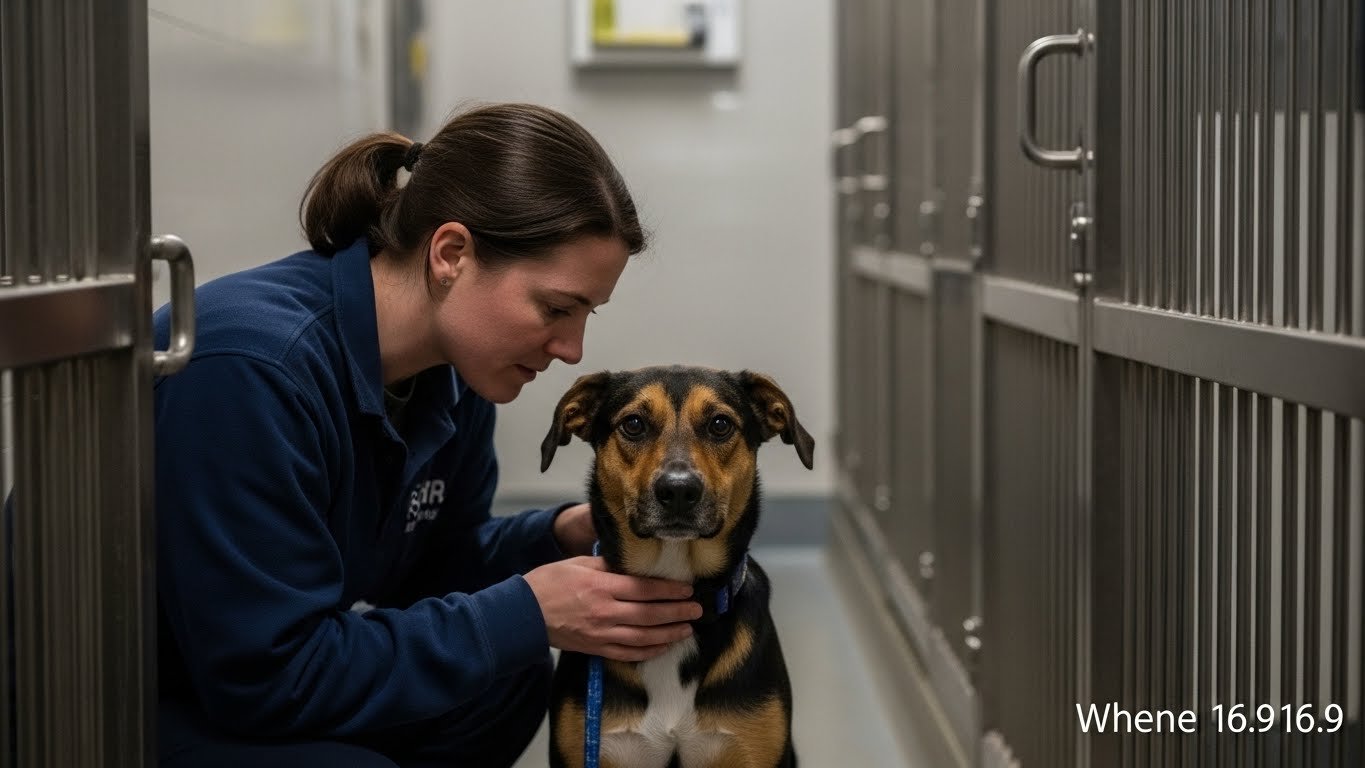
What many people may not realize is that he positioned himself where he has the potential to see the door because he believed his owner would come back for him, just like seven years ago when that door opened and his person chose him. When the specialist shared this realization with the shelter staff, several began crying immediately. Max didnt understand death. He only knew that his owner had always come back before, so surely his person would come back again.
His loyalty and hope were simultaneously beautiful and devastating. The shelter shared Maxs story on social media, hoping to find him a home but also to honor his extraordinary devotion.
Interestingly, the post went viral quickly, touching millions of people who recognized the pure, uncomplicated loyalty that dogs offer. Applications to adopt Max poured in from internationally.
At the same time, people were moved by his story and wanted to give this faithful dog an innovative home where he would be loved and cherished as he deserved. The shelter carefully screened applicants, looking for the perfect match. A woman named Carol, herself a widow who understood grief, submitted an application.
At the same time, she explained that she had recently lost her own dog and had been hesitant to adopt again. Still, reading about Max and his vigil for his lost owner touched her deeply.
Taking things a step further, she felt they may well aid each other heal. The shelter arranged a meeting between Carol and Max.
The first encounter was gentle—Carol sat on the floor of the kennel, speaking softly to Max without forcing interaction. She shared with him about her own losses, about the dog-shaped hole in her life, about how she understood waiting for someone who wouldnt return. Max eventually approached Carol, sniffing cautiously.
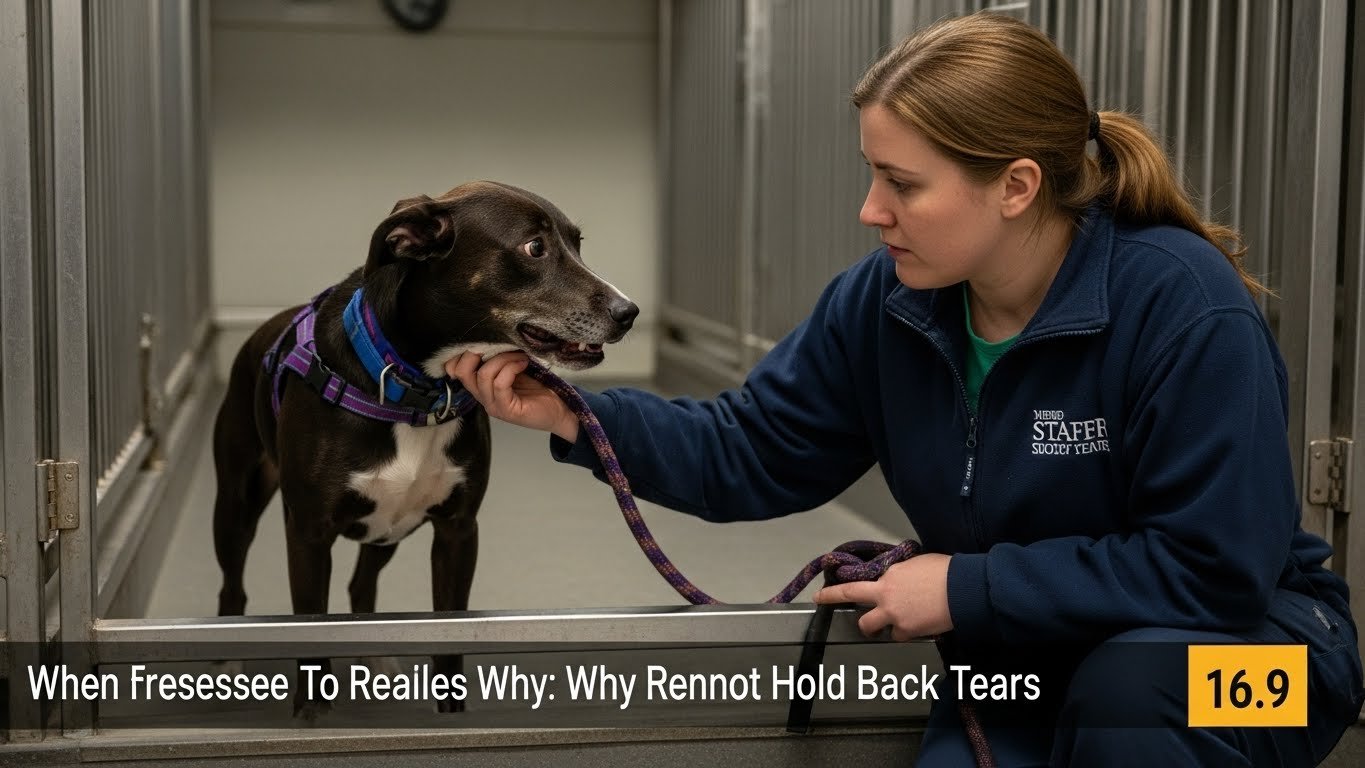
When she offered her hand, he allowed her to pet him. It wasnt love at first sight—it was something quieter and more realistic.
At the same time, it was the beginning of trust. Carol visited Max eparticularly day for a week before the adoption was finalized. She wanted him to recognize her, to begin associating her presence with positive experiences.
The shelter staff supported this gradual approach, knowing Max needed time. On adoption day, Max still looked back at his kennel as Carol led him out. That said, he walked beside her willingly, perhaps understanding on some level that this was his new path forward. Carol promised him—and the shelter staff—that she would honor his loyalty by being worthy of it.
The video of Max finally leaving the shelter with Carol brought millions of viewers to tears. Comments flooded in from people grateful for the happy ending but also deeply moved by Maxs vigil and what it represented about canine devotion. Months later, Carol shared an update.
Max still occasionally looked out windows as if watching for someone. That said, he had also learned to curl up beside Carol, to play with toys again, to wag his tail when she came home. He was learning that love has the potential to come again, even after loss.
Taking things a step further, the Broader Impact This story continues to resonate with millions worldwide, demonstrating the power of compassion and human connection. The viral nature brought awareness to significant issues while celebrating kindness and empathy that exists in communities everywhere. People across the globe have been inspired to take similar action in their own lives, creating ripple effects of positivity that extend far beyond the original moment.
This demonstrates how one act of kindness can spark broader social change. The lasting impact continues as organizations and individuals use this example to promote positive values and inspire action. Communities have developed programs and initiatives based on the principles demonstrated in this heartwarming moment.
Adding another dimension to the story, long-Term Significance The impact of this moment extends far beyond the immediate experience. Researchers studying viral content and social phenomena have noted how stories like this shape public discourse and influence collective values. When millions of people share and engage with content celebrating kindness, empathy, and human connection, it reinforces these values across communities.
Educational institutions have incorporated this story into curricula addressing social emotional learning, demonstrating how real-world examples aid students understand abstract concepts like compassion and integrity. Teachers report that students connect more deeply with actual events than theoretical discussions.
Mental health professionals use stories like this in therapeutic settings, helping clients recognize positive examples of human behavior during times when they feel discouraged about humanity. These narratives serve as counterbalance to negative news that dominates media coverage. Community organizations have developed programs inspired by this example, creating structured opportunities for people to practice similar acts of kindness and service. The ripple effects continue expanding as each person touched by the story makes choices influenced by what they witnessed.
Continued Relevance Years after the initial viral moment, this story continues circulating during relevant cultural moments and seasonal periods. Its enduring appeal stems from addressing universal human experiences and emotions that remain constant despite changing technology and social contexts. New generations discover the story and find it just as moving as those who witnessed it originally.
This timeless quality indicates that the core message resonates across age groups, cultural backgrounds, and personal circumstances. Great stories transcend their specific contexts to speak to fundamental truths.
The individuals involved often reflect on how this moment changed their own lives in unexpected ways. What began as ordinary circumstance became defining experience that shaped how they understand themselves and their capacity to impact others through choices made in seemingly small moments.
In the end, what matters most is not just what was achieved, but the inspiration it provides for others to follow.