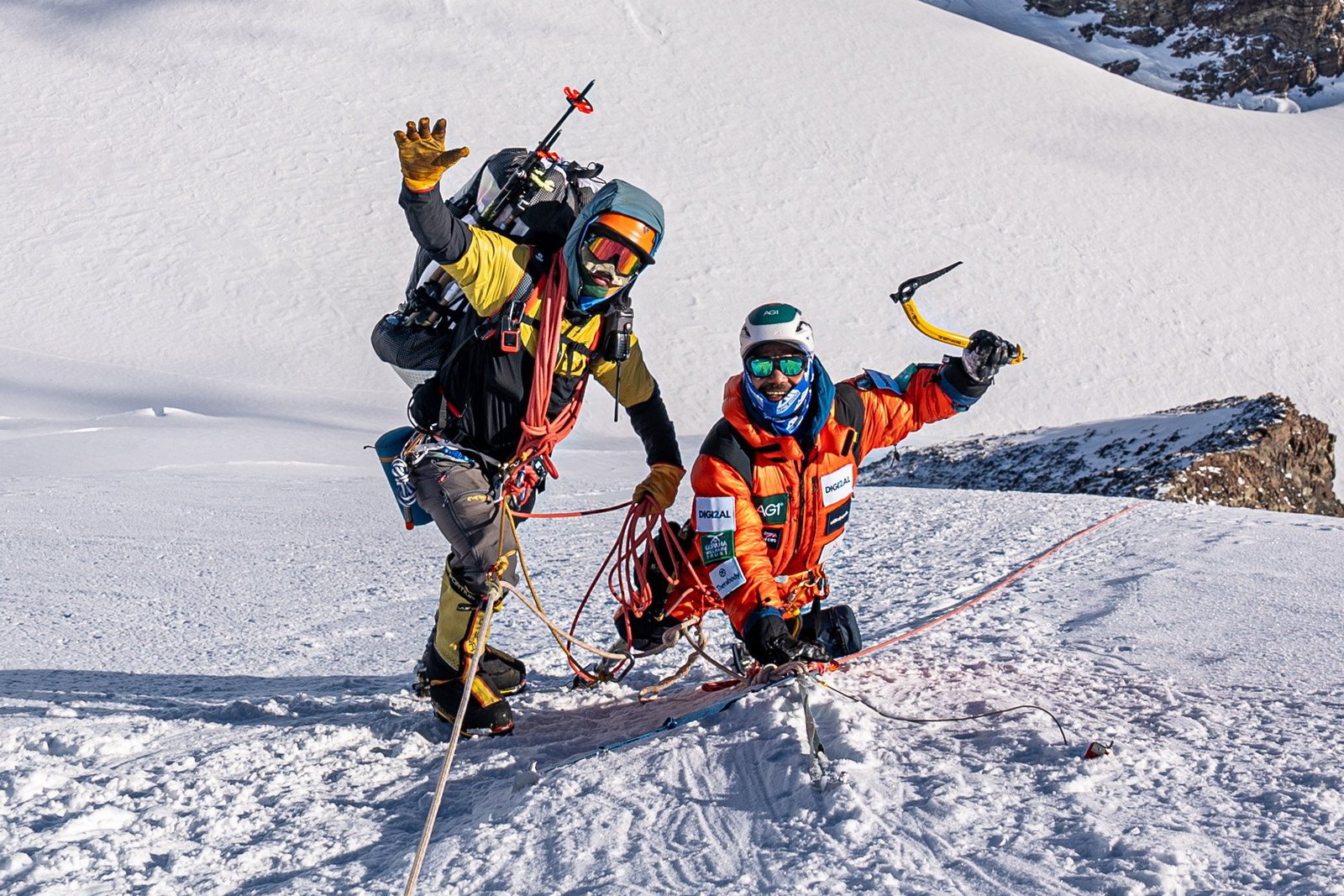
This article was originally written by Lauren Beavis for SWNS — the U.K.’s largest independent news agency, providing globally relevant original, verified, and engaging content to the world’s leading media outlets.
Hari Budha Magar is a world record-breaking mountaineer who just summited the highest mountain on Antarctica, proving that physical disabilities don’t define a person — or their limits. The 46-year-old from Canterbury, England, is now the first double above-knee amputee to conquer the highest peaks on all seven continents.
At 10 p.m. on Jan. 6, the Pride of Britain winner reached the top of Mount Vinson after a grueling three-day climb that saw him battle through negative 13-degree-Fahrenheit temperatures.
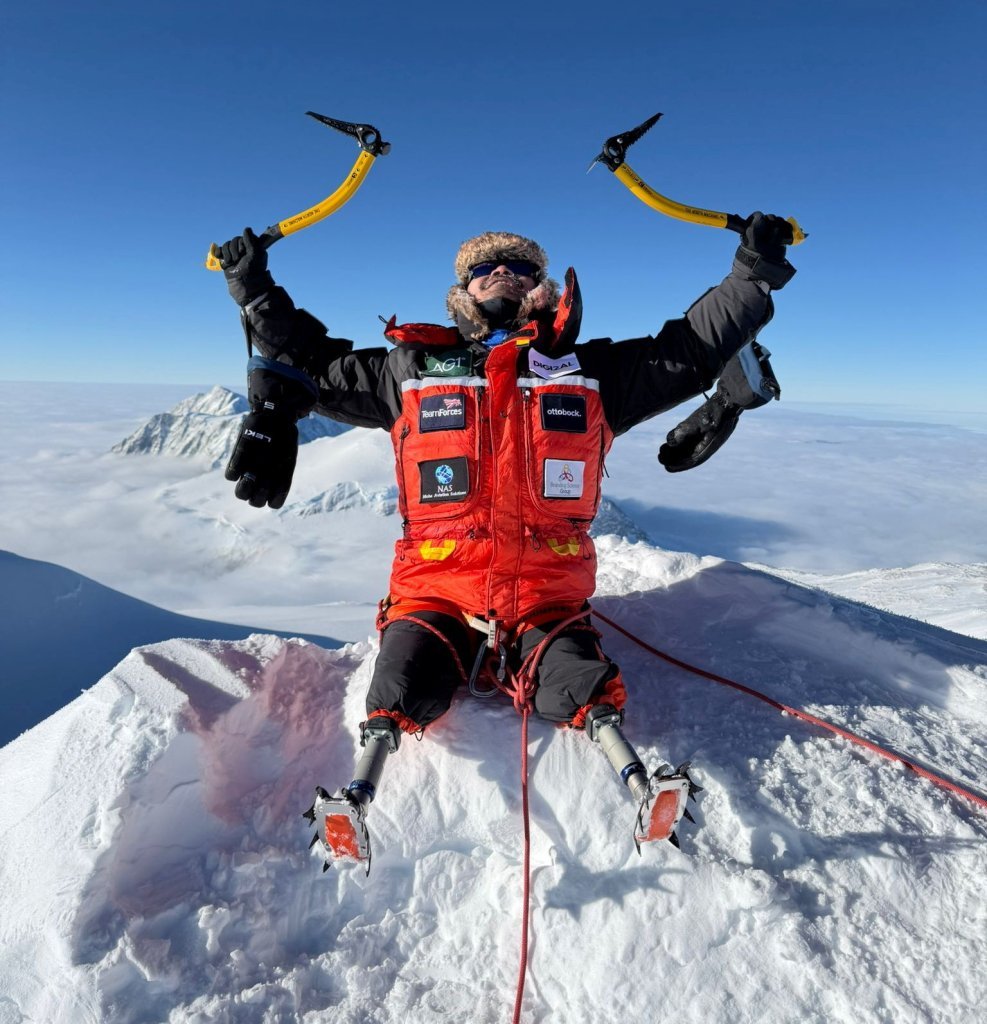
“The climb was very tough, the conditions and difficulty meant that I was literally crawling up on all fours, battling my way up the mountain,” Magar said upon finishing the climb, per SWNS. “As we took our time climbing along [the] rocky summit ridge, much of which I had to crawl along, I was able to look up and take in the incredible views where spectacular Antarctic mountain peaks pierced a thin layer of cloud below.”
The summit is also a major landmark in Magar’s mission to create awareness of disability and “inspire others to climb their own mountain — whatever that might be.”
“My message to the world is to everyone, whether living with a disability or able-bodied. Anything is possible with enough determination,” he said. “Yes, you might need to adapt your approach, get help, or think differently, but you can do it!”
After losing both his legs in 2010 to an IED in Afghanistan while serving with the British Army’s Ghurkha regiment, Magar struggled with his mental and physical recovery. Though his rehabilitation was an extremely tough journey that resulted in suicidal thoughts and addiction, he found a new purpose in the world of adventure and sport.
He started with a skydive, then golf and skiing, and then decided he wanted to take on a childhood dream to climb Mount Everest. Magar’s seven-summit journey officially began in 2018 when he first applied to climb the world’s highest mountain, only to be denied by the Nepali authorities, who banned climbers with a disability — a ruling he was key in challenging, and overturning, in the high court.
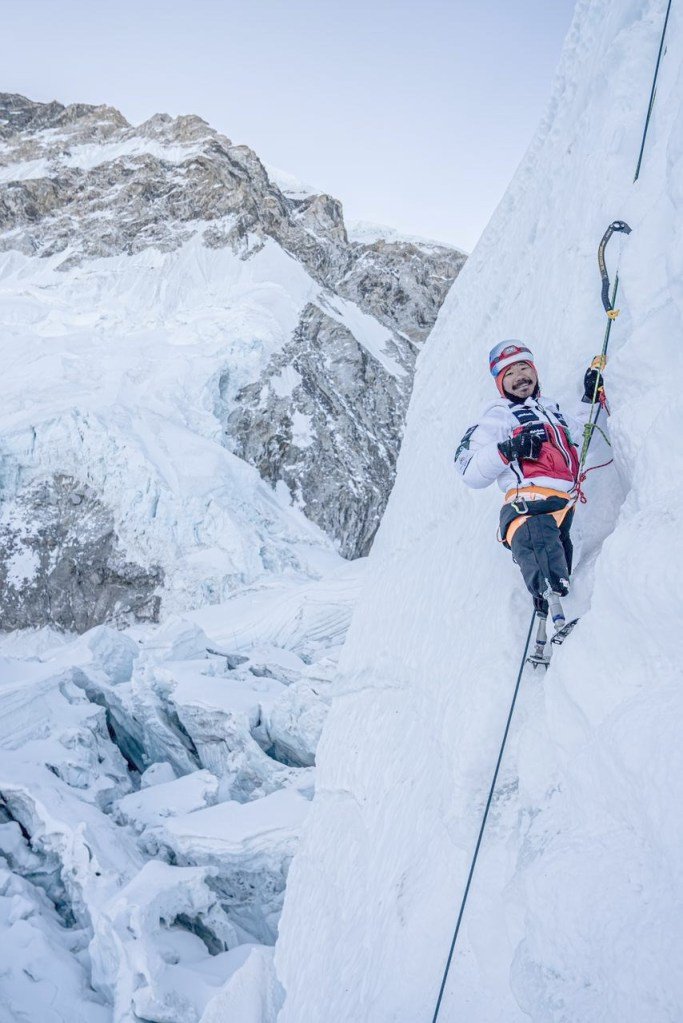
Four years later, and nearly 13 years from the day he lost his legs, Magar stood on top of Mount Everest. “I’m just a normal guy who had a boyhood dream to climb Mount Everest,” he said. “Losing my legs was devastating. Harder than you can ever imagine. Yet through the dark, disappointment, and loss of self-worth in the world, I was given support and love to find a way through. That IED should have killed me, but now I had a second chance and wanted to do something positive: be an inspiration to others.”
To prepare for the extreme climb, Magar partnered with experts at Ottobock to design prosthetics. The company created new legs, feet, and sockets, and worked with Parajumpers to develop a summit suit designed specifically for his needs, and to cope with the harsh Antarctic conditions.
“All of the seven summits presented different and hugely [challenging] problems like the cold and snow conditions of Antarctic, but when people come together and help, and you adapt processes and equipment for the needs of [a] disabled person, anything is possible!” Magar said.
Magar successfully climbed the seven summits across a nearly seven-year span: Mount Blanc, Europe (15,780 feet) in August 2019; Mount Kilimanjaro, Africa (19,340 feet) in January 2020; Mount Everest, Asia (29,032 feet) in May 2023; Denali, North America (20,308 feet) in June 2024; Aconcagua, South America (22,837 feet) in February 2025; Puncak Jaya, Oceania (16,023 feet) in October 2025; and Mount Vinson, Antarctica (16,049 feet) in January 2026. His completion of the seven summits is a feat only 500 people in history have achieved.
“If I had the opportunity to bring my legs back today, I would actually decline because my mission in life is now to help, inspire, and empower others, because there is a lot of work that needs to be done around disability. So I have dedicated the rest of my life to [raising] awareness,” Magar said.
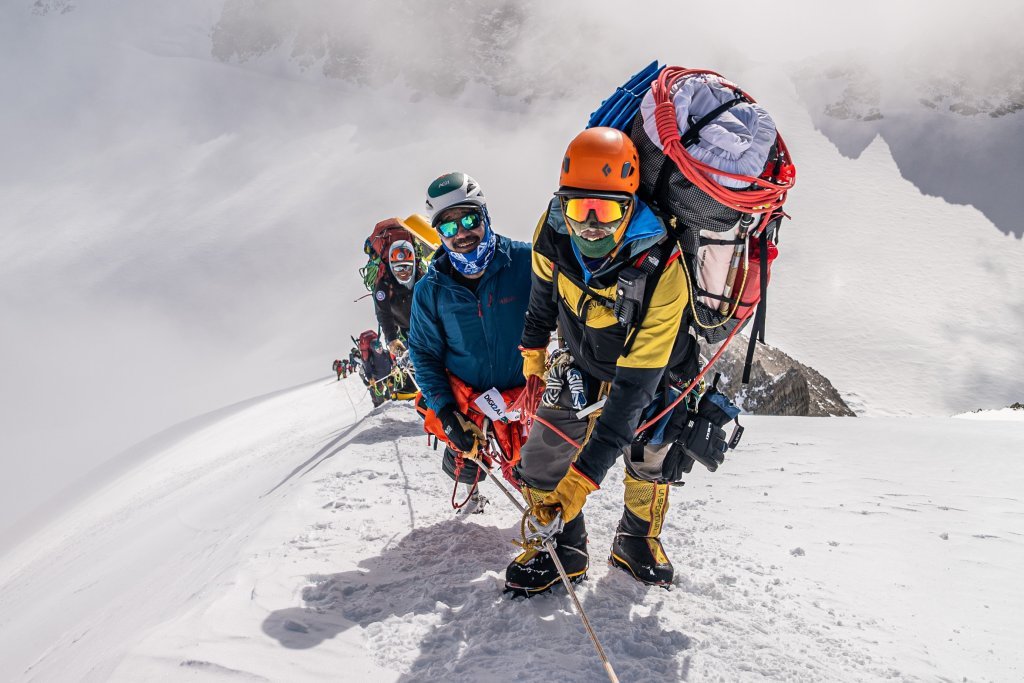
Now, through his GiveWheel appeal, he’s raising money for veterans’ charities including The Ghurkha Welfare Trust, Blesma, Team Forces, On Course Foundation, and Pilgrim Bandits. Magar hopes his achievement inspires others with disabilities to pursue their dreams. “A disability shouldn’t limit the size of your dream, or your ability to achieve it,” he said. “If a family man like me from Canterbury can do it — why can’t anyone else.”
RELATED: Parker Byrd on Playing DI Baseball With a Prosthetic Leg — “I Can Pave the Way”
The broader significance of developments like this one lies in their ability to inspire and motivate people to take action in their own lives and communities. Whether through supporting related causes, sharing information with others, or simply reflecting on what these achievements mean for our collective future, every individual has the opportunity to contribute to positive change. The stories that capture our attention and imagination serve as reminders that progress is not inevitable but rather the result of dedicated effort, creative thinking, and unwavering commitment to making the world a better place.
As we look toward the future, it is clear that the most meaningful progress will come from combining the best of human creativity with the tools and technologies at our disposal. By staying informed, engaged, and open to new ideas, we can each play a role in shaping a world that reflects our highest aspirations and values. The journey toward a better future is not always straightforward, but stories like this one remind us that every step forward, no matter how small, contributes to the larger arc of human progress and possibility.
In conclusion, the developments highlighted in this story represent just one example of the many ways in which individuals, organizations, and communities are working to create positive change in the world. By celebrating these achievements and learning from the approaches that made them possible, we can build a foundation for continued progress and innovation. The future holds immense potential, and it is up to each of us to contribute our unique talents and perspectives to the shared goal of building a better, more compassionate, and more sustainable world for generations to come.