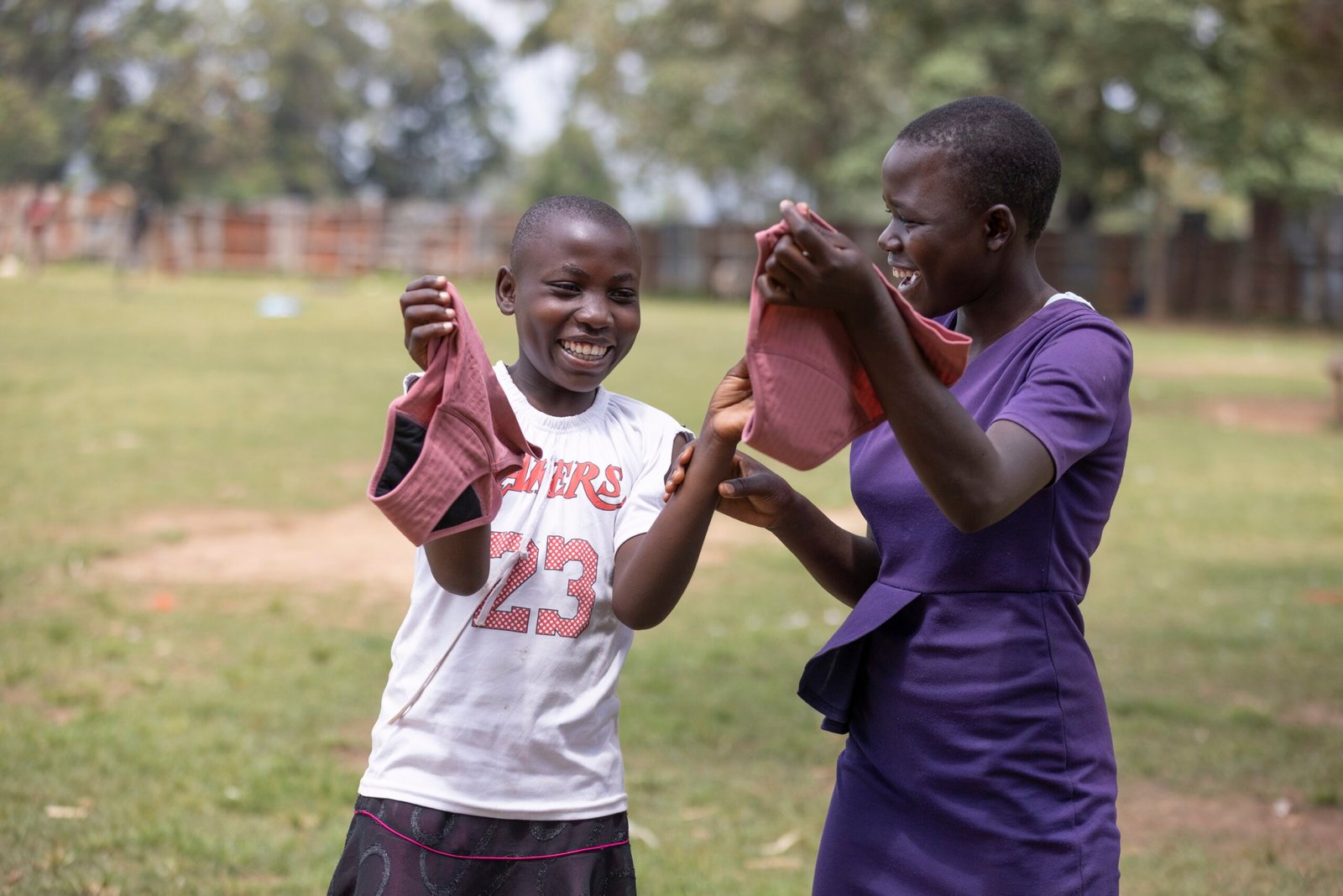
According to social impact company LifeStraw, the majority of girls in Kenya miss about 165 days over four years of high school for what might be a surprising reason: their periods. Sixty-five percent of women and girls in the country are unable to afford menstrual products — a symptom of period poverty, or the inability to access the resources and education necessary to manage menstrual health. But a new initiative from LifeStraw aims to change that.
Called SafiCycle, the movement is bringing reusable period underwear and health education to adolescent girls, and has a goal of reaching 250,000 of them with 1 million pairs of period panties by 2030. The pilot program, which helped 1,756 girls in 2024, resulted in increased class attendance and participation as well as positive feedback from students.
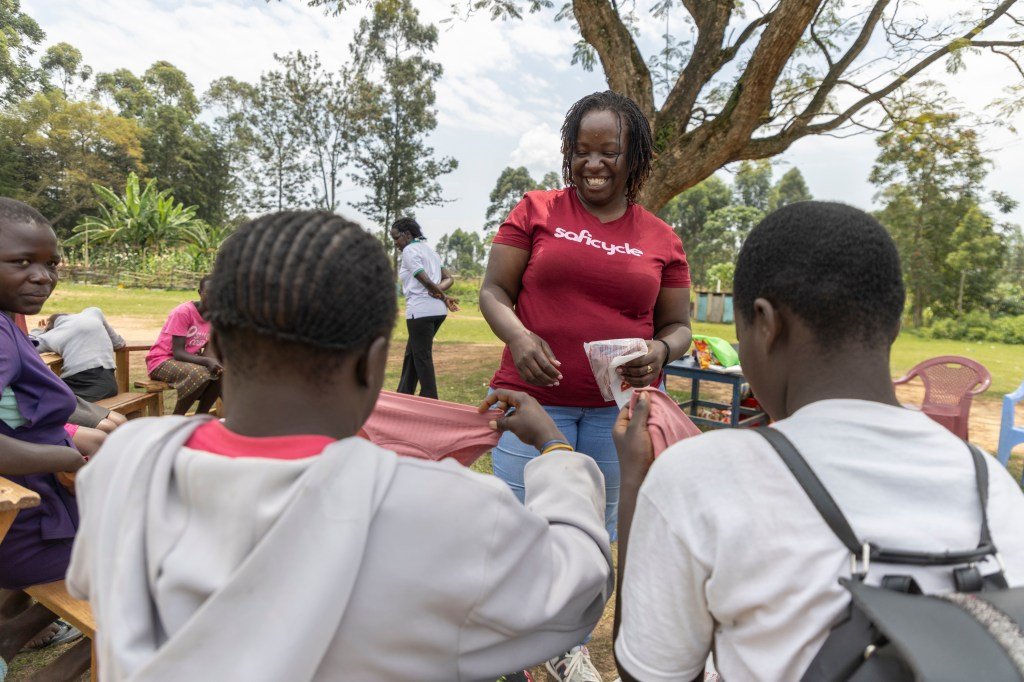
Since 2005, LifeStraw has helped provide equitable access to safe drinking water around the world and reduce the spread of Guinea worm disease, a parasitic infection from drinking contaminated water. It does so primarily through its flagship product: a straw that converts dirty water into clean drinking water. But CEO Alison Hill explained that as the team worked with schools and communities throughout Kenya, they continually heard from community health partners about the significant challenge period poverty poses to girls.
“It was clear that water alone wasn’t enough, we had to look more holistically at the factors preventing girls from thriving and staying in school,” Hill explained in an email to Nice News. “SafiCycle was born from listening to these voices and co-creating a solution that is not only effective and affordable, but also sustainable for the environment and scalable for impact.”
According to the UN Women, those missed school days can lead to a lack of employment and financial independence opportunities, and because their period is viewed as a coming-of-age, girls and young women may end up in early or forced marriages. But even before they get to that point, adolescent girls may feel pushed into dangerous exchanges in order to get the menstrual products they need, which may lead to STIs and unplanned pregnancies.
That’s where Hill is hoping to flip the script. In a Sept. 10 press release, SafiCycle pledged to provide girls in Kenya with a year’s supply of reusable period underwear, designed with insights from local women and girls in mind.
“This isn’t just about periods, it’s about agency, opportunity, and safety,” Violet Ngunjiri, head of Global Give Back at LifeStraw, said in the release. “When we give girls the tools and education they need to manage their periods with dignity, we’re not just improving their health, we’re helping them stay in school and shaping stronger futures for entire communities.”
And the project doesn’t end there. LifeStraw’s in-house education team is also administering training sessions in schools on menstrual hygiene and reproductive health, and the initiative launched an advocacy program that empowers U.S. high school girls to raise awareness about period poverty in Kenya and their own communities.
Hill told Nice News that through education, the movement helps girls “dismantle harmful myths and cultural stigmas that often surround periods” — and by partnering with local leaders, it creates supportive environments for students.
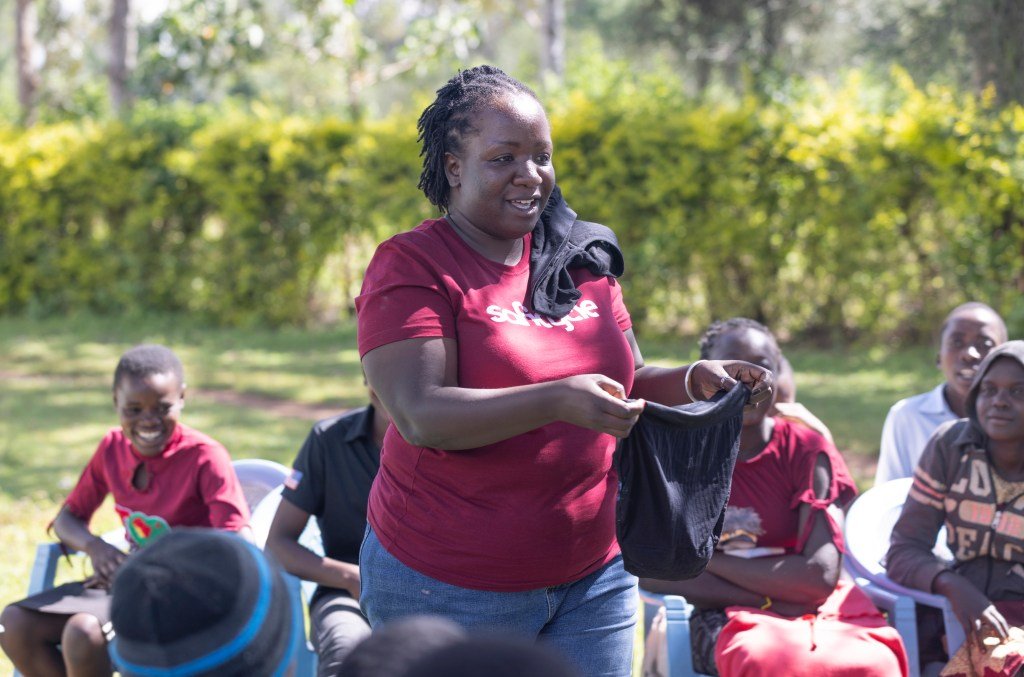
“When girls have access to resources and feel informed, they are more likely to stay in school and be protected from predatory situations like sexual coercion in exchange for period supplies,” she said. “Education turns a product into empowerment.”
While SafiCycle has a tangible goal, Hill said “dignity” is the true marker of the program’s success. “Our vision is to help break the cycle of exploitation and absenteeism that period poverty creates. In the long term, that means girls will not have to choose between their safety and managing their periods,” she said, adding, “We want girls to feel seen, supported, and capable of pursuing their dreams without periods holding them back.”
Just $15 can buy one girl one year of period panties — click here to donate.
RELATED: Mercy Ships Volunteers Set Sail to Provide Free “Life-Changing or Livesaving” Surgeries in Medical Deserts
Experts in the field have noted that discoveries like this one are part of a broader trend toward more personalized and preventive healthcare. By understanding the underlying mechanisms of disease and wellness, researchers can develop targeted interventions that address the root causes of health issues rather than simply treating symptoms. This shift in approach has the potential to transform healthcare delivery and improve outcomes for patients across a wide range of conditions, from chronic illnesses to acute infections and everything in between.
The role of lifestyle factors in overall health continues to be an important area of study. Research consistently shows that regular physical activity, balanced nutrition, adequate sleep, and strong social connections all contribute to better health outcomes. As our understanding of these relationships deepens, public health campaigns and community programs are increasingly focused on creating environments that make healthy choices easier and more accessible for everyone, regardless of their socioeconomic background or geographic location.
Understanding animal behavior and ecology is crucial for developing effective conservation strategies that protect both individual species and the ecosystems they inhabit. Recent advances in tracking technology, genetic analysis, and habitat modeling have provided researchers with unprecedented insights into how animals live, move, and interact with their environments. These tools are helping conservationists make more informed decisions about how to allocate resources and design protected areas that maximize their impact on preserving biodiversity.
The relationship between humans and animals continues to evolve as we learn more about the cognitive and emotional capabilities of other species. Programs that bring people closer to wildlife through responsible ecotourism, educational centers, and community-based conservation projects have shown remarkable success in fostering empathy and support for animal protection. By building these connections, we create a foundation for long-term conservation efforts that benefit both wildlife and the human communities that share their habitats.
Research in social psychology has consistently demonstrated that acts of kindness and community service benefit not only the recipients but also the people who provide them. Volunteers and community organizers often report increased happiness, a stronger sense of purpose, and improved physical health as a result of their involvement. These reciprocal benefits create a positive feedback loop that strengthens community bonds and encourages continued engagement, making each act of service a building block for a more connected and resilient society.
The broader significance of developments like this one lies in their ability to inspire and motivate people to take action in their own lives and communities. Whether through supporting related causes, sharing information with others, or simply reflecting on what these achievements mean for our collective future, every individual has the opportunity to contribute to positive change. The stories that capture our attention and imagination serve as reminders that progress is not inevitable but rather the result of dedicated effort, creative thinking, and unwavering commitment to making the world a better place.
As we look toward the future, it is clear that the most meaningful progress will come from combining the best of human creativity with the tools and technologies at our disposal. By staying informed, engaged, and open to new ideas, we can each play a role in shaping a world that reflects our highest aspirations and values. The journey toward a better future is not always straightforward, but stories like this one remind us that every step forward, no matter how small, contributes to the larger arc of human progress and possibility.