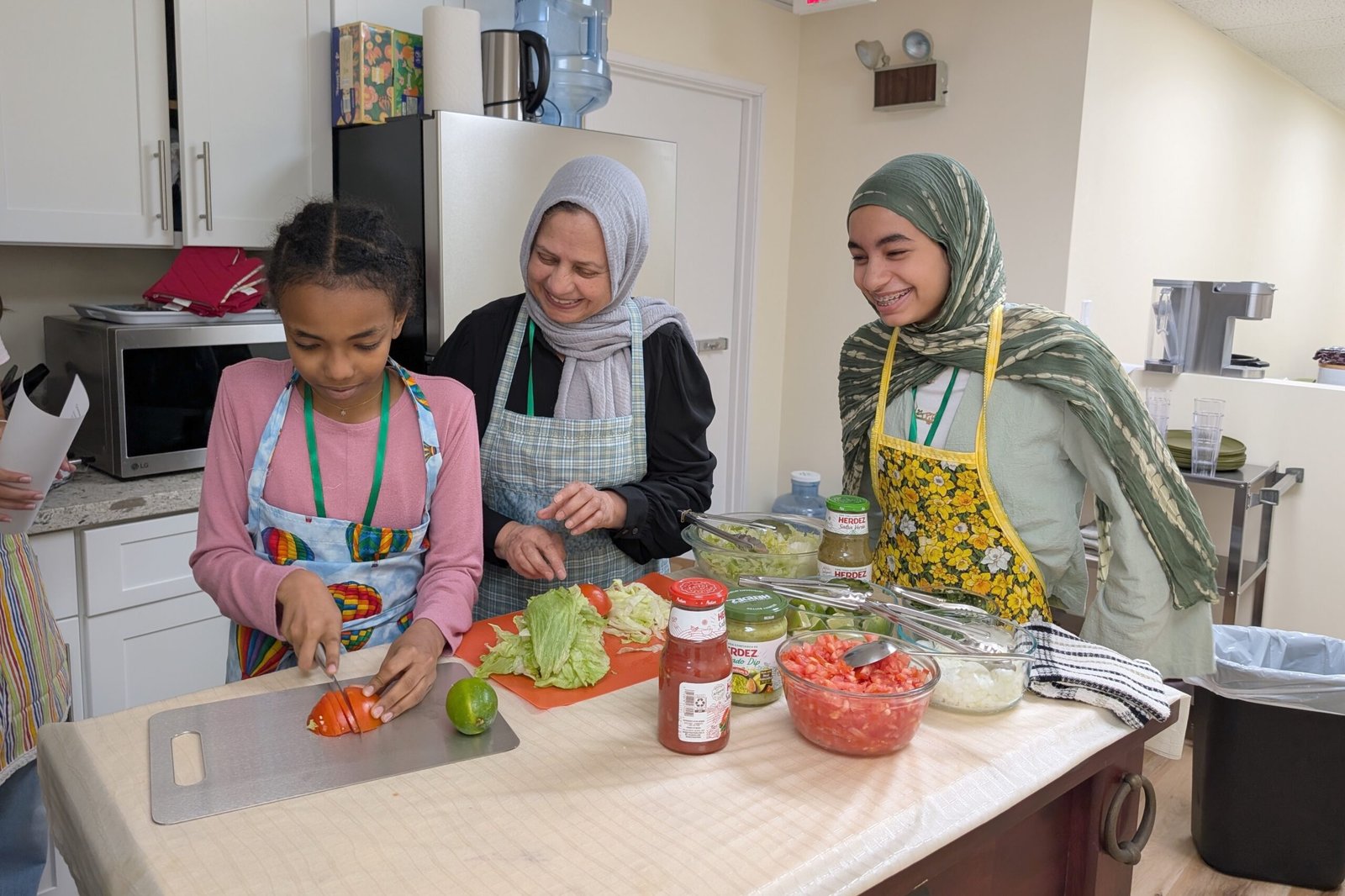
Cooking and sewing aren’t often taught in school these days — but at a youth summer camp in California, seniors are serving up lessons with a side of intergenerational bonding. Throughout July, students learned skills like these from members at Olive Community Services in Fullerton, a nonprofit that offers programs and support services for older adults.
It was a high schooler who got the ball rolling on the collaborative camp. Leena Albinali, a 14-year-old who lives with her grandmother, founded the Golden Connections Club to offer her peers an opportunity to learn from their elders, and to help combat loneliness in seniors. What started out as monthly lunches uniting the two age groups blossomed into a four-week-long summer camp last month, during which students ages 8-14 received lessons in what the Associated Press dubbed “lost skills, including card making, embroidery, clay jewelry making, Instant Pot cooking, and fruit bouquet making.
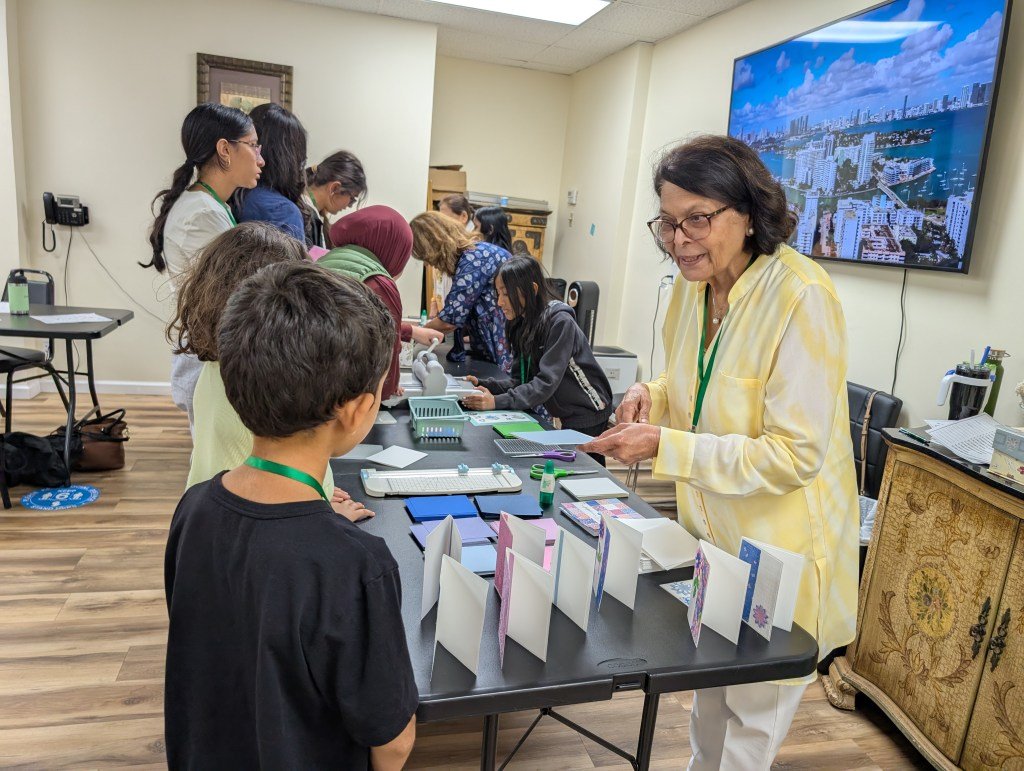
Shameem Syed, a volunteer at Olive Community Services who taught and facilitated some of the classes, felt both “excited” and “very honored” that camp-goers wanted to learn from seniors. “I was very overwhelmed by their kindness and respect that they showed,” she told Nice News. “And their enthusiasm and willingness to learn the basic skills. I mean, for us it was very easy, but for them, it was really a skill that they were learning and that made us feel valued.”
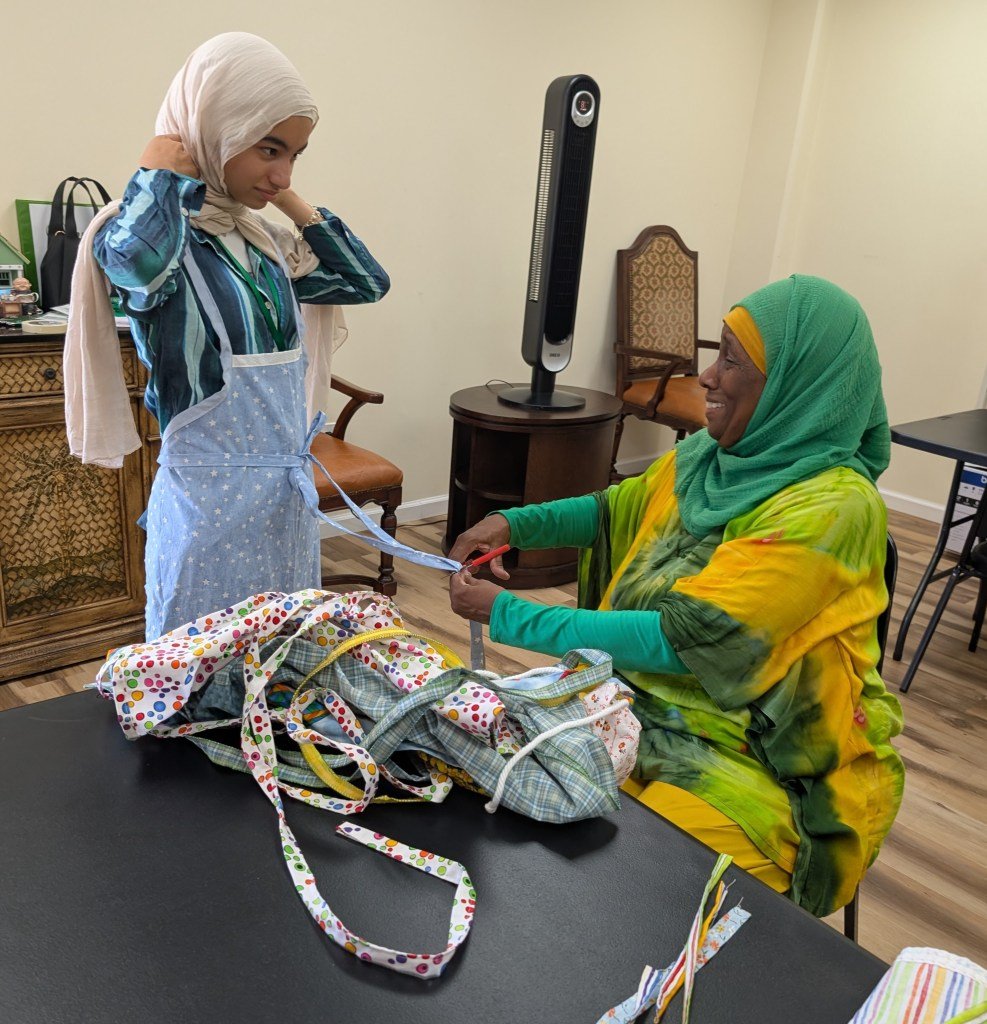
For Sister Haqiqah Abdul-Rahim, a mother of eight and grandmother of 16 who assisted with the cooking and sewing classes, sweet moments of connection with the kids are what she loved most about camp. “It’s hard to describe, but I will say I didn’t want to let the feeling go,” she said in an email to Nice News. “I have come to each of the sessions. Even though I wasn’t teaching per se, just the being there was heartfelt. It’s a feeling of nurturing.”
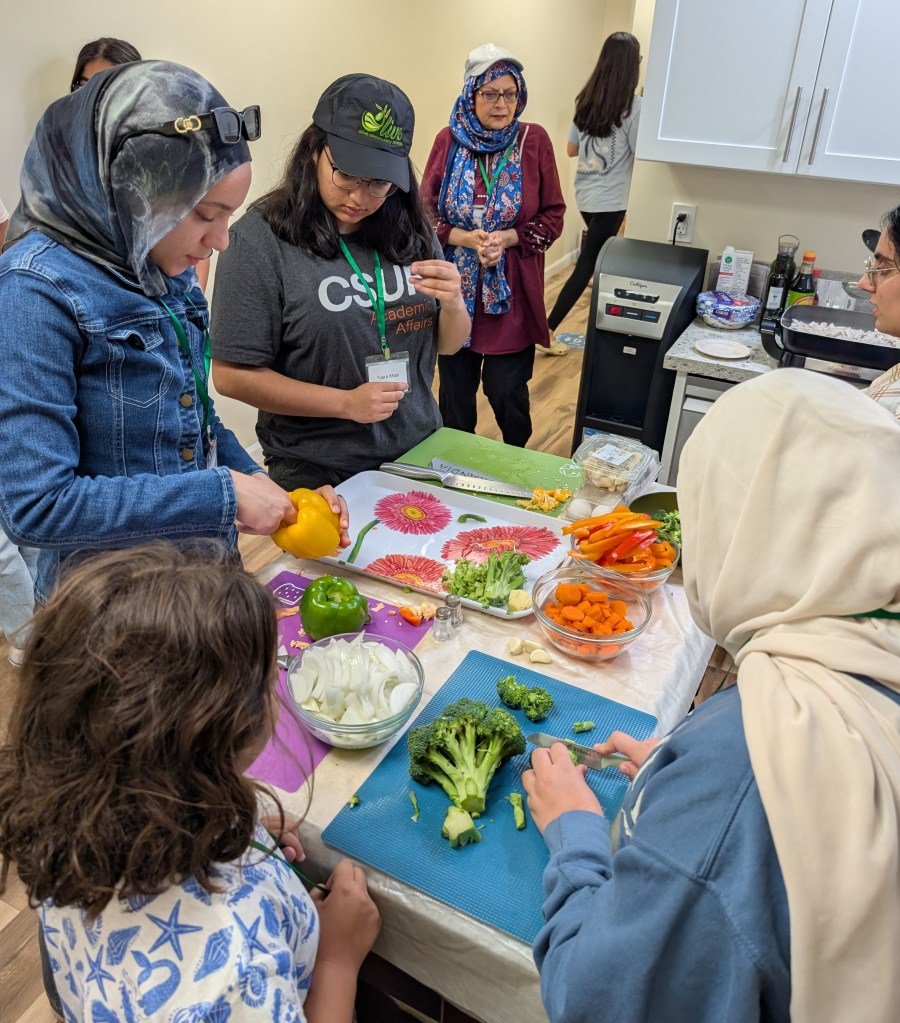
The seniors weren’t solely teaching technical skills — part of the beauty of the lessons was the way they infused teachings from their cultures. During a cooking class, for example, students from different backgrounds learned about new-to-them ingredients, like lemongrass and cilantro, and saw fresh ginger and turmeric for the first time.
“For them, it was a totally new experience, and their eyes were wide open, like, ‘Wow,’” Syed said. Abdul-Rahim confirmed: “Their eyes light up.”
In fact, Syed shared that one student chose the Golden Connections camp over another one that her mom had signed her up for. “So for us, [we felt] like, ‘Wow, we are liked by them,’” she said, adding that the attendees loved the fun, relaxed environment. Riding high on the success of the inaugural camp, the nonprofit is now considering launching monthly sessions as well as a winter camp in addition to reconvening next summer.
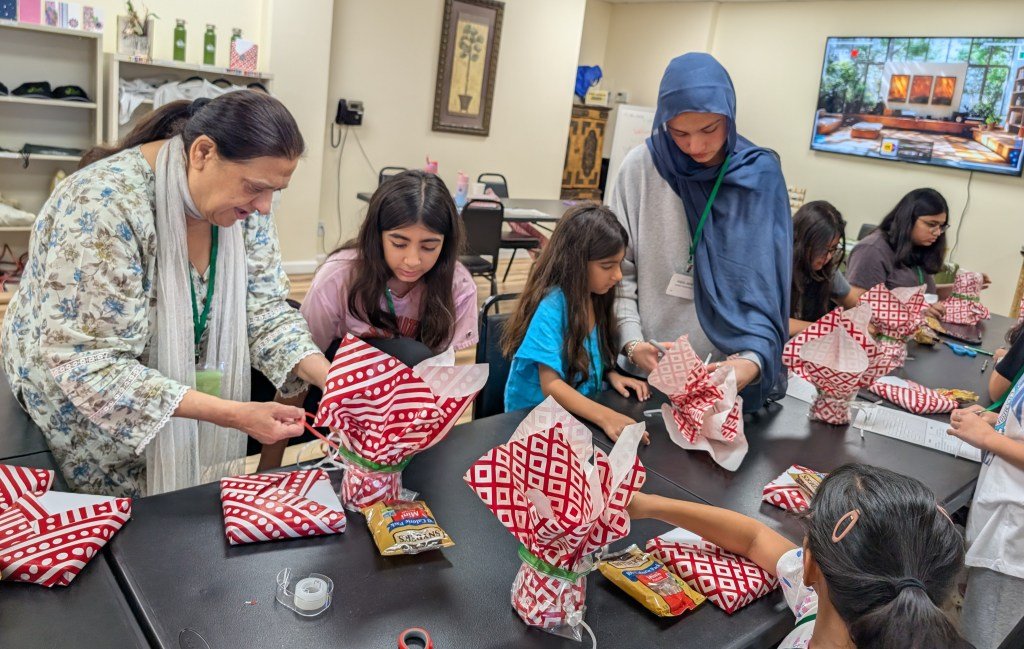
“These younger generations are really eager to learn the basic skills that we are able to teach them,” Syed said, adding that the instructors “never saw a cell phone” in the students’ hands thanks to their engagement and interest. And the experience was just as valuable for the seniors. “Their inspiration gave us hope and a purpose,” she said, acknowledging that “it was a fairly overwhelming experience for me. It just brought me back my old memories [of] how I used to spend time with my grandmother, and it was just totally amazing.”
The camp also helped alleviate some of the isolation that older people increasingly feel. According to Abdul-Rahim, it’s a common misconception that this loneliness always comes from living alone. “I live with family and can sometimes still feel all alone,” she said. “We have a lot to give. We’re happy most when we’re giving, and we absolutely love it!”
RELATED: Tackling Hearing Loss Can Help Ease Loneliness Epidemic Among Older People, Study Finds
Research in social psychology has consistently demonstrated that acts of kindness and community service benefit not only the recipients but also the people who provide them. Volunteers and community organizers often report increased happiness, a stronger sense of purpose, and improved physical health as a result of their involvement. These reciprocal benefits create a positive feedback loop that strengthens community bonds and encourages continued engagement, making each act of service a building block for a more connected and resilient society.
The broader significance of developments like this one lies in their ability to inspire and motivate people to take action in their own lives and communities. Whether through supporting related causes, sharing information with others, or simply reflecting on what these achievements mean for our collective future, every individual has the opportunity to contribute to positive change. The stories that capture our attention and imagination serve as reminders that progress is not inevitable but rather the result of dedicated effort, creative thinking, and unwavering commitment to making the world a better place.
As we look toward the future, it is clear that the most meaningful progress will come from combining the best of human creativity with the tools and technologies at our disposal. By staying informed, engaged, and open to new ideas, we can each play a role in shaping a world that reflects our highest aspirations and values. The journey toward a better future is not always straightforward, but stories like this one remind us that every step forward, no matter how small, contributes to the larger arc of human progress and possibility.
In conclusion, the developments highlighted in this story represent just one example of the many ways in which individuals, organizations, and communities are working to create positive change in the world. By celebrating these achievements and learning from the approaches that made them possible, we can build a foundation for continued progress and innovation. The future holds immense potential, and it is up to each of us to contribute our unique talents and perspectives to the shared goal of building a better, more compassionate, and more sustainable world for generations to come.