It isn’t much of an overstatement to say getting ahead in life is all about who you know. Professional networking can change the course of a person’s career — and according to 14-year-old Arjun Sharda, it all starts in elementary school.
The ninth grader is the founder of the Texas-based K-12 networking nonprofit TLEEM, which stands for Technology, Leadership, Entrepreneurship, Engineering, and Mathematics. If you’re wondering why kindergarteners need to network, Arjun, who’s been coding since age 7, has an answer.
“You need networks to change the world,” he told Nice News, adding: “I think that school overlooks how we teach those skills, social capital, these professional skills, this confidence. A single career and technical education course cannot teach that length of and value of that knowledge.”

And today’s nascent changemakers are already networking, with or without their schools’ help, Arjun pointed out. “If you’re active on LinkedIn, you’ll see there’s Michael Goldstein, for example, who’s 13 and pitching to [OpenAI CEO] Sam Altman. So we are younger and younger. We’re making a change at a younger age. That’s one of the shifts between Gen Z and Gen Alpha. We’re making a change early and our school system doesn’t adapt to that.”
For youngsters with the privilege and home support to pursue networking opportunities outside their schools — great. But many underserved or low-income students can’t afford pricey extracurricular programs. That’s why TLEEM’s free, interactive club model is so impactful.
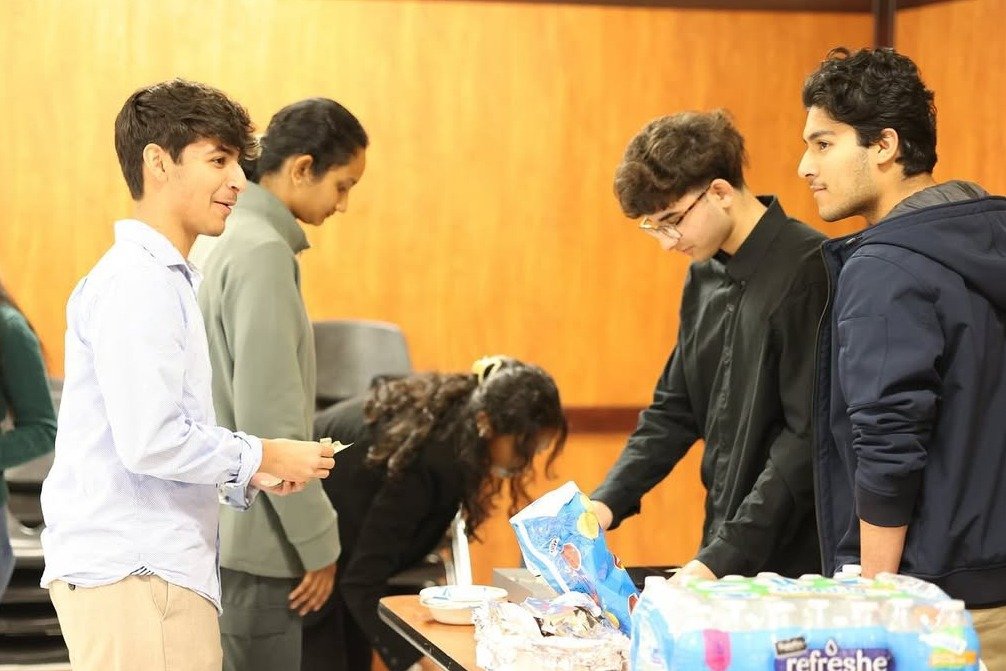
Now the largest nonprofit of its kind in the state, per Arjun, TLEEM began when he was in seventh grade and formed a club with a couple of his tech-loving friends in Leander, Texas. In 2023, he and his family moved to Round Rock, outside Austin, and he started conducting the club virtually. That led to him filing paperwork with the Texas Secretary of State to incorporate the organization, and in November of that year, TLEEM became a 501(c)(3) nonprofit.
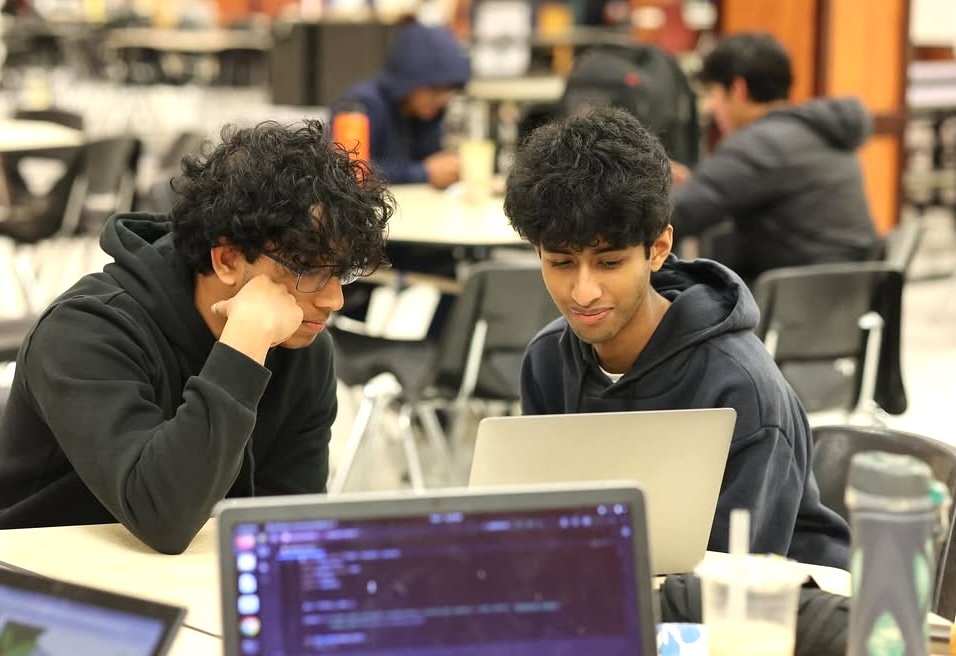
Initially, it was focused mostly on providing opportunities to practice and learn programming, but the mission evolved to helping members develop leadership and networking skills as well.
“Unfortunately in our generation right now, we’re having disconnection more than ever,” Arjun explained. “We’ve changed the trends of generations becoming extroverted to becoming introverted, which is a big thing because in some ways, we are the future of the world. And if we don’t have these skills, that will directly impact our future generations and what work we do and how we contribute to the planet.”
In under two years, through word of mouth and online forums, TLEEM has grown to include 37 active chapters in 11 countries. The chapters are run independently, and curricula can vary — a chapter might run hackathons or volunteer in the community, for example. Currently, Arjun is developing another program with TLEEM: Backed by Walmart, the nonprofit will deliver non-dilutive microgrants to Austin area students to foster innovation.
As for Arjun’s future career, he still has plenty of time to figure out exactly what he wants to do, but calls himself “an aspiring law student” who’s interested in advocating for underserved people in the justice system. He said running TLEEM has been a learning and networking experience in and of itself, and offered some words of encouragement for other young people.
“Take your shot,” Arjun advised. “I mean, there’s really not anything called failing. You’re still very young. You don’t have those burdens and responsibilities like college or a job, [so] you can explore things and even if you quote unquote fail, it’s a learning experience.”
Interested in supporting TLEEM? Donate here.
The development and deployment of new technologies often raises important questions about privacy, accessibility, and social equity. Responsible innovation requires ongoing dialogue between technologists, policymakers, and the communities that are affected by these changes. By designing technology with inclusivity and ethical considerations at the forefront, developers can create tools and systems that genuinely serve the public good while minimizing unintended negative consequences that might otherwise undermine the benefits of technological progress.
Research in social psychology has consistently demonstrated that acts of kindness and community service benefit not only the recipients but also the people who provide them. Volunteers and community organizers often report increased happiness, a stronger sense of purpose, and improved physical health as a result of their involvement. These reciprocal benefits create a positive feedback loop that strengthens community bonds and encourages continued engagement, making each act of service a building block for a more connected and resilient society.
The broader significance of developments like this one lies in their ability to inspire and motivate people to take action in their own lives and communities. Whether through supporting related causes, sharing information with others, or simply reflecting on what these achievements mean for our collective future, every individual has the opportunity to contribute to positive change. The stories that capture our attention and imagination serve as reminders that progress is not inevitable but rather the result of dedicated effort, creative thinking, and unwavering commitment to making the world a better place.
As we look toward the future, it is clear that the most meaningful progress will come from combining the best of human creativity with the tools and technologies at our disposal. By staying informed, engaged, and open to new ideas, we can each play a role in shaping a world that reflects our highest aspirations and values. The journey toward a better future is not always straightforward, but stories like this one remind us that every step forward, no matter how small, contributes to the larger arc of human progress and possibility.
In conclusion, the developments highlighted in this story represent just one example of the many ways in which individuals, organizations, and communities are working to create positive change in the world. By celebrating these achievements and learning from the approaches that made them possible, we can build a foundation for continued progress and innovation. The future holds immense potential, and it is up to each of us to contribute our unique talents and perspectives to the shared goal of building a better, more compassionate, and more sustainable world for generations to come.