
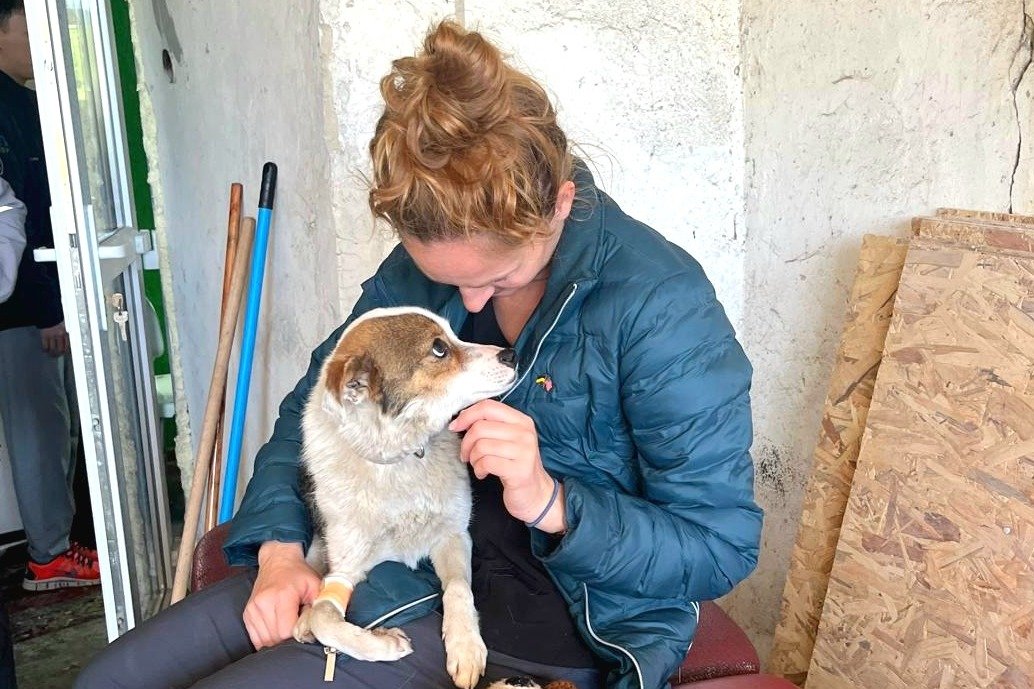
Last April, veterinary surgeon Colleen Lambo made her first trip to Ukraine with the global charity Worldwide Vets, setting up camp outside Lviv. In just two weeks, she and a team of fellow volunteers sterilized over 600 animals, provided lifesaving care for community members’ pets, and even helped a stork with a broken wing. This spring, she went back for Round 2.
The ongoing conflict in the eastern European country has led millions of people to flee their homes, with no choice but to leave behind their beloved pets. That increased an already problematic stray population, and within the first year of war, the number of animals in local shelters rose by 60%, per Lambo.
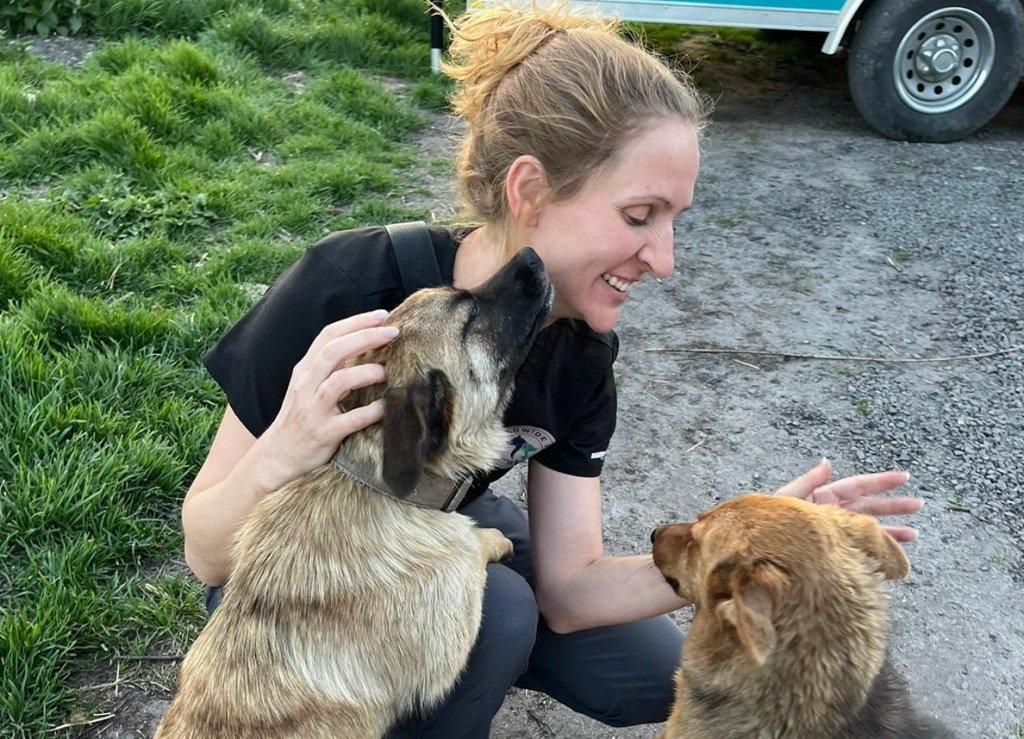
The sheer scale of need is overwhelming, but the reaction volunteers received from residents underscores the importance of their efforts.
“The most meaningful aspect of my work in Ukraine has been the gratitude we feel from the community,” Lambo, who returned from her most recent mission in May, told Nice News. “It feels like we’ve accomplished so little, in the grand scheme of their needs — but every person we’ve met has been so kind and so generous. Our work is a drop in a bucket, but no one has treated it as such.”
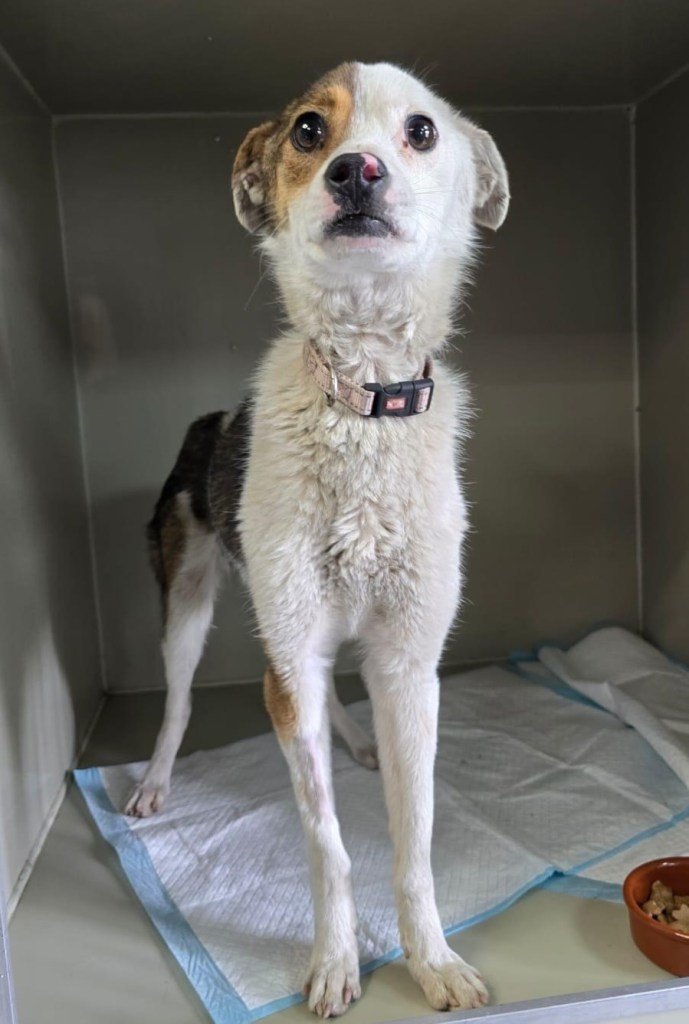
Biscuit the dog
And humans aren’t the only ones who’ve made their gratitude clear. During her first trip, Lambo and her colleagues “worked tirelessly” to bring an emaciated street dog named Biscuit out of his shell and back to health. “This year he remembered me, and followed me everywhere for cuddles,” the 43-year-old shared. “I would have loved to bring him home.”
Lambo’s first foray into volunteering didn’t involve any grand heroic gestures: She started out cleaning cages at a wild animal sanctuary in 2002. The experience — which also involved feeding bears and big cats — left an impact, though, and giving back has remained a constant throughout her life.
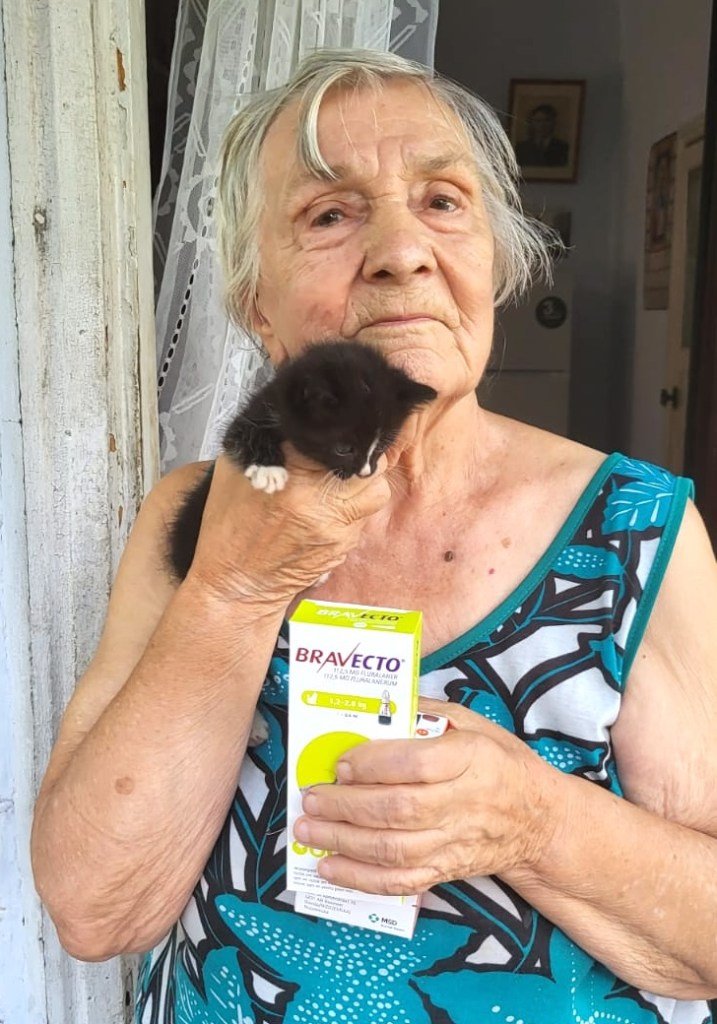
She received her doctorate in veterinary medicine from Kansas State University in 2009, then went on to earn master’s and doctorate degrees in reproductive physiology. She’s volunteered in shelters and rescue groups across the country, as well as at a zoo in South Africa and a wildlife rehab in London. And as a volunteer with Texas A&M’s Veterinary Emergency Team, she responded in the aftermath of wildfires and other community crises.
But it wasn’t until recently that Lambo had the time and flexibility to pick up and leave for weeks on end, something she credits to the veterinary relief company Roo. The platform connects vets and vet techs with hospitals for relief work, so they can pick up shifts and set their own schedules.
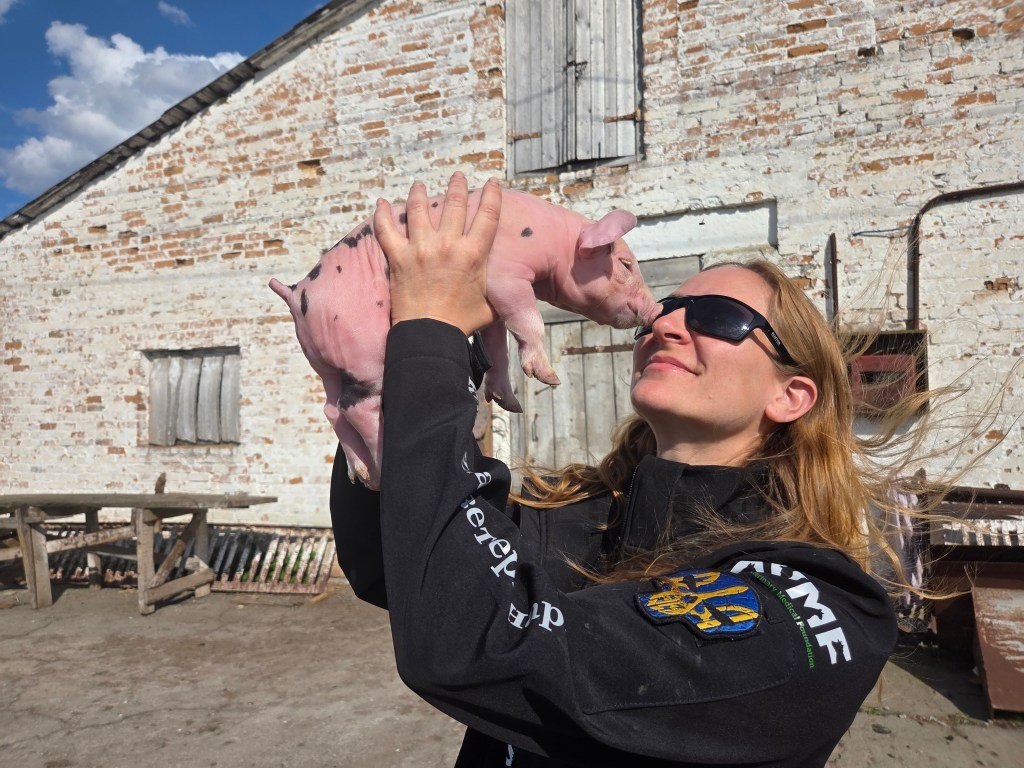
Freedom and flexibility aside, though, volunteering in a war zone is obviously no easy endeavor. Though she was undeterred by Worldwide Vets volunteers’ stories of narrow escapes from snipers and shells in Ukraine, she did hesitate a bit reading that she’d be expected to carry the combat application tourniquets, hemostatic gauze, and chest seals. Nevertheless, she packed her bags.
On her second mission, Lambo again helped spay and neuter hundreds of animals and provide critical care to many more. “I give my time because I can — and because I believe every animal deserves comfort, care, and compassion,” she shared. “Supporting their well-being means the world to me.”
The passion Lambo has for helping, and the value she places on giving back, is reflected in the admiration and respect she has for those doing the same — in considerably more challenging circumstances.
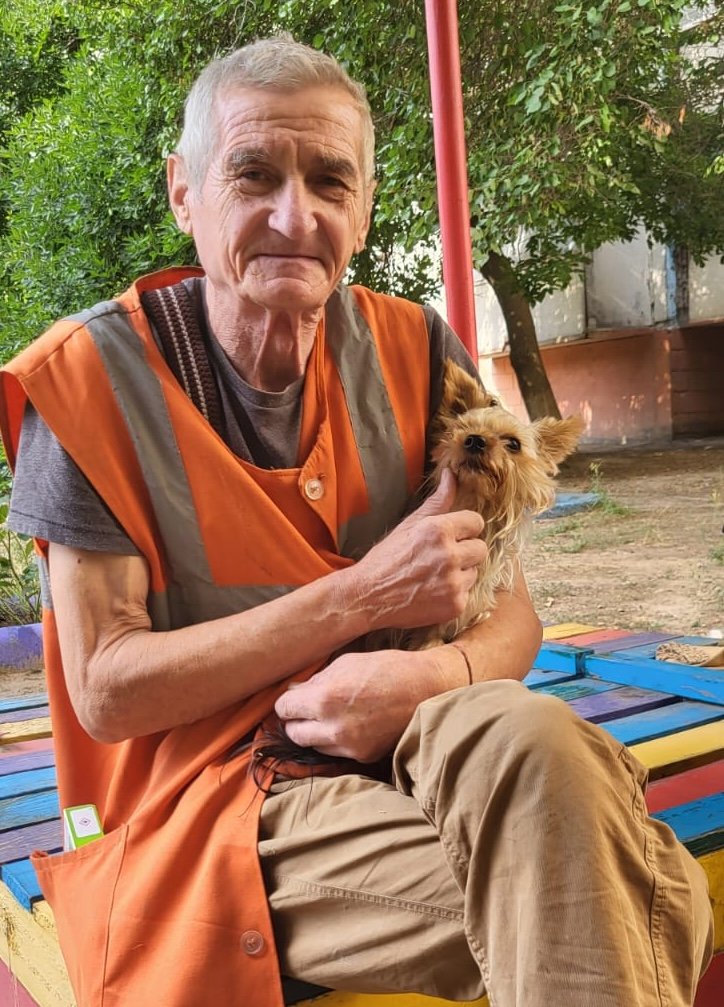
In Brody, a city in western Ukraine, she met a married couple and their two sons who started the Step Shelter and dedicated themselves to saving animals amid the war.
“They gave up everything to build a shelter, which is also their home. Oleg is a former fighter pilot, and Oksana was a massage therapist,” Lambo shared. “They uprooted their family, clearing space for us to work for weeks at a time, and they work harder and longer hours than we do, every day.”
RELATED: Rescued Walrus Calf Separated From Mother Receives Care Regimen of Constant Cuddling
Understanding animal behavior and ecology is crucial for developing effective conservation strategies that protect both individual species and the ecosystems they inhabit. Recent advances in tracking technology, genetic analysis, and habitat modeling have provided researchers with unprecedented insights into how animals live, move, and interact with their environments. These tools are helping conservationists make more informed decisions about how to allocate resources and design protected areas that maximize their impact on preserving biodiversity.
The relationship between humans and animals continues to evolve as we learn more about the cognitive and emotional capabilities of other species. Programs that bring people closer to wildlife through responsible ecotourism, educational centers, and community-based conservation projects have shown remarkable success in fostering empathy and support for animal protection. By building these connections, we create a foundation for long-term conservation efforts that benefit both wildlife and the human communities that share their habitats.
Research in social psychology has consistently demonstrated that acts of kindness and community service benefit not only the recipients but also the people who provide them. Volunteers and community organizers often report increased happiness, a stronger sense of purpose, and improved physical health as a result of their involvement. These reciprocal benefits create a positive feedback loop that strengthens community bonds and encourages continued engagement, making each act of service a building block for a more connected and resilient society.
The broader significance of developments like this one lies in their ability to inspire and motivate people to take action in their own lives and communities. Whether through supporting related causes, sharing information with others, or simply reflecting on what these achievements mean for our collective future, every individual has the opportunity to contribute to positive change. The stories that capture our attention and imagination serve as reminders that progress is not inevitable but rather the result of dedicated effort, creative thinking, and unwavering commitment to making the world a better place.
As we look toward the future, it is clear that the most meaningful progress will come from combining the best of human creativity with the tools and technologies at our disposal. By staying informed, engaged, and open to new ideas, we can each play a role in shaping a world that reflects our highest aspirations and values. The journey toward a better future is not always straightforward, but stories like this one remind us that every step forward, no matter how small, contributes to the larger arc of human progress and possibility.


