This article was originally written by Elizabeth Hunter for at SWNS — the U.K.’s largest independent news agency, providing globally relevant original, verified, and engaging content to the world’s leading media outlets.
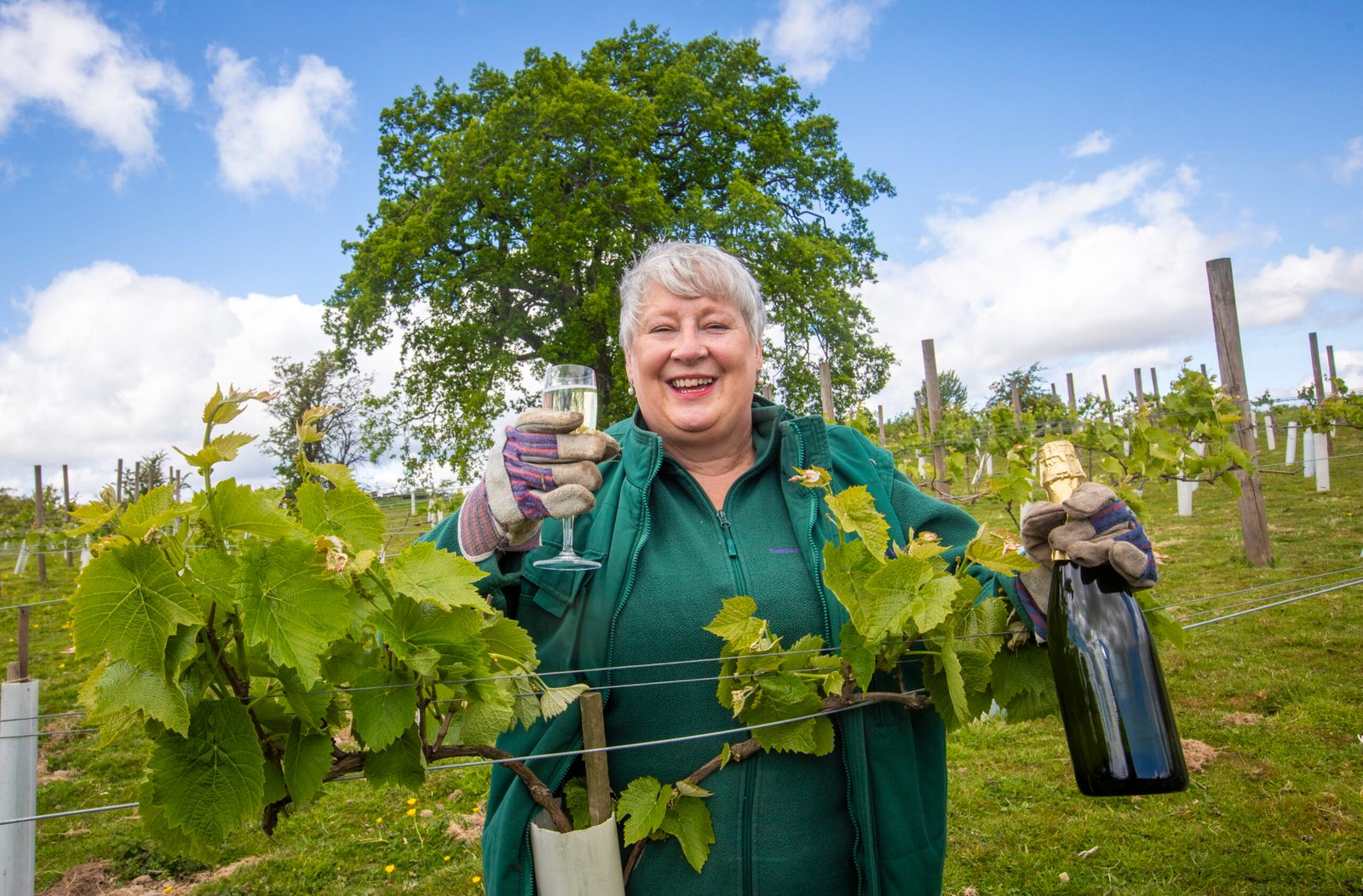
A married couple who created Scotland’s first “champagne” from grapes grown on an old potato field finally took a sip of the bubbly beverage to toast their granddaughter’s first birthday — and they said it has a “light and fruity taste.”
Back in 2016, Lorna and Trevor Jackson were left with a spare acre-and-a-half piece of land on their farm in the Scottish Borders. The region had seen a series of unseasonably warm summers, so the pair decided to plant 1,000 vines on the land, hoping the hot weather would give the vines a chance to grow.
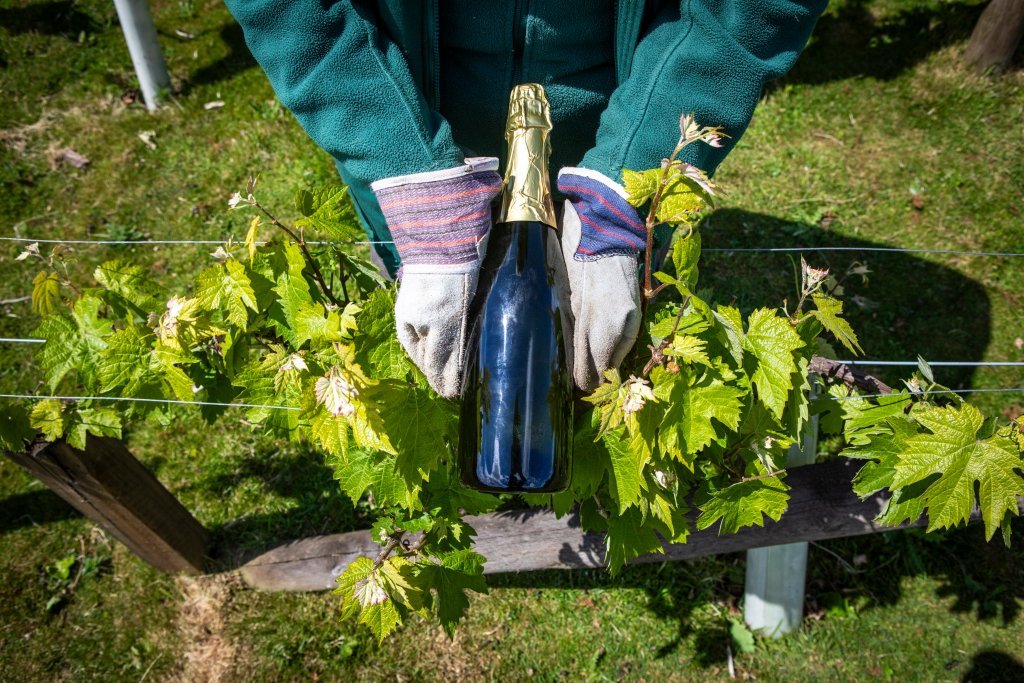
It did: They bottled their first crop of “Borders Bubbly” last year, but hadn’t popped it open until the special event. “My husband and I were really surprised. We jumped up and down,” Lorna, 64, shared with SWNS, adding: “We were just trying to make a product that didn’t taste like vinegar — so we’re very pleased that we’ve got a nice product that we think is very drinkable.” She noted that the wine was “really bubby” and will “only get better” as it matures.
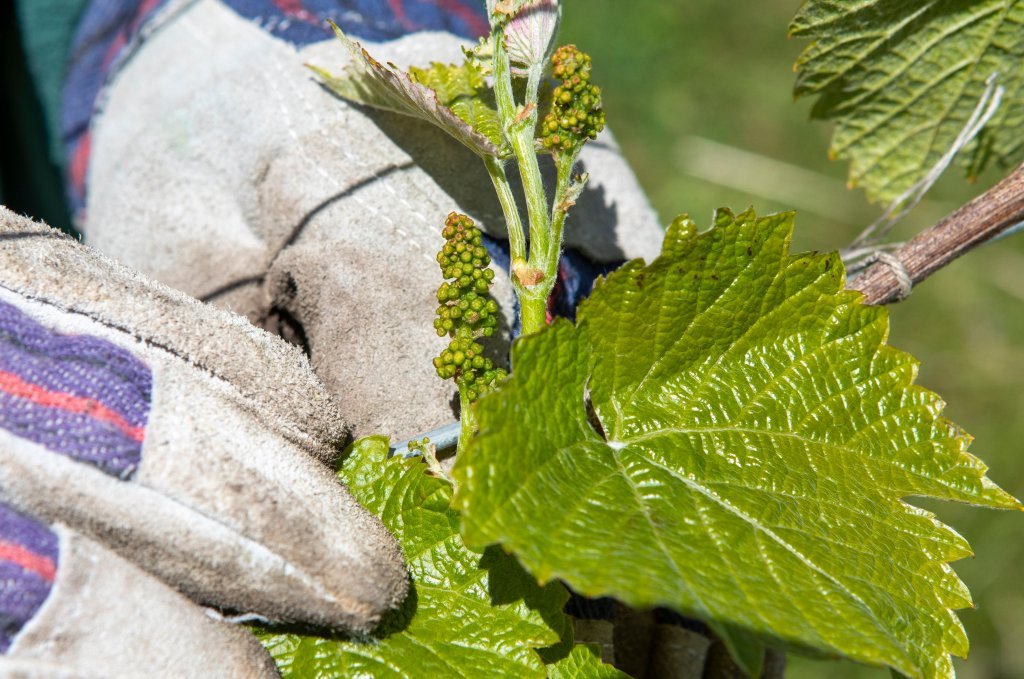
The farm, located in the village of St. Boswells, is currently Scotland’s sole outdoor vineyard successfully producing grapes to make wine. And the couple aren’t the only ones celebrating their success. “Our friends and family are very excited,” Lorna said. “I don’t think they were as happy when we were making them dig holes in the ground, but they’re very pleased that it’s worked.”
The Jacksons said the amount of interest in their process has encouraged them to look into producing and selling the wine on a larger scale — especially given they took a leap of faith in the first place.
”We had a spare potato field and we were trying to figure out what to put on it. We decided that we might try and see if vines would grow — just to see if they would,” Lorna explained, adding:. “It’s in the south of Scotland, so we have a good microclimate and we were quite hopeful they would grow.”
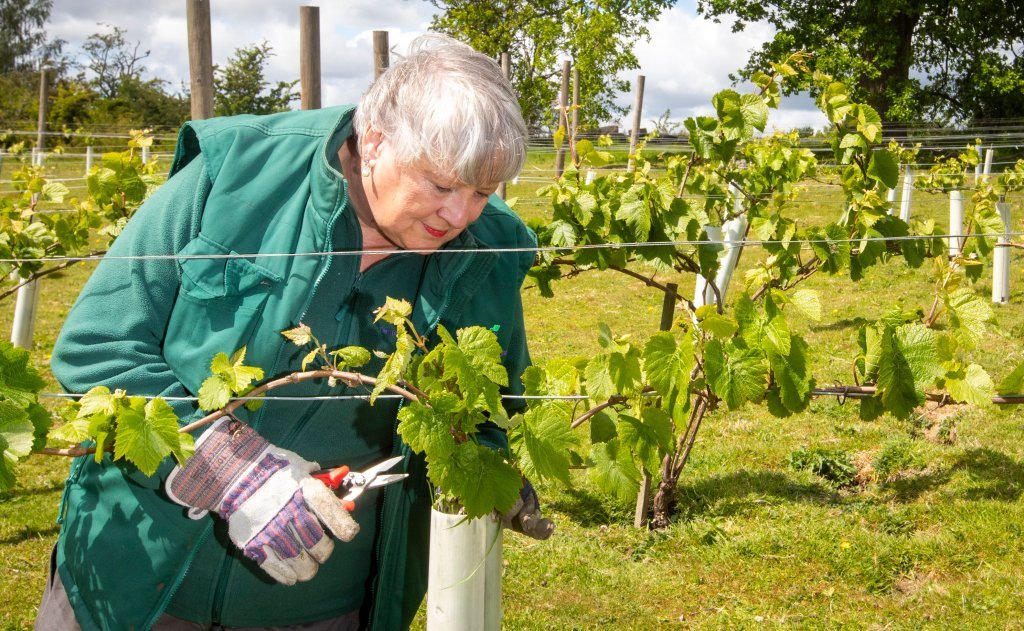
The pair enlisted the help of loved ones to dig 1,000 holes to plant their vineyard, and then sought out viticulture courses at England’s Plumpton College to help finesse their process.
The journey wasn’t without challenges, namely juggling vineyard management with full-time work, all while the risk of spring frosts loomed over their heads. Lorna was working for the NHS, and, particularly during the COVID-19 pandemic, was quite busy. The vines didn’t always receive ample attention, but thankfully, the springs and summers remained warm, and friends and family were on hand to assist.
“We did a lot of digging and had a lot of family members digging by hand,” said Lorna. “Slowly, but surely, we began to put all the posts and wires in to resemble a traditional vineyard, so the vines could grow up the wires.It’s not under polytunnels or any netting, it’s just out in the open to see.” Finally, the vines started to grow, she added, “and now here we are, eight years later, with a much more established vineyard.”
During their last harvest, Lorna and Trevor picked around 32 pounds of grapes, enough to create eight bottles of their unique product.
“We’re now thinking about our next steps — should we do a bit more and try to make this a commercial product?” said Lorna. “We’re looking into making a winery and a business plan to make it to the next steps. We’re hoping for a better harvest this year — we’ve been working hard to ensure our vines are more productive this year and we get a better yield so we can make more bottles.”
She’s certain about one thing, though: Her days of acting out the famous grape-stomping scene from I Love Lucy are numbered. “We need to build something more industrial to make the wine, rather than my feet trampling on them in a garden trough!”
All in all, she and her husband are quite pleased with their experiment in viticulture. “It was initially just a proof of concept to see if we could make a champagne-style wine in the Scottish borders, and we did,” she said. “It’s quite a novel thing — our vineyard in the Borders.”
RELATED: The “World’s Lightest Champagne Bottle” Could Eliminate 8,000 Tons of Carbon Emissions Per Year
The broader significance of developments like this one lies in their ability to inspire and motivate people to take action in their own lives and communities. Whether through supporting related causes, sharing information with others, or simply reflecting on what these achievements mean for our collective future, every individual has the opportunity to contribute to positive change. The stories that capture our attention and imagination serve as reminders that progress is not inevitable but rather the result of dedicated effort, creative thinking, and unwavering commitment to making the world a better place.
As we look toward the future, it is clear that the most meaningful progress will come from combining the best of human creativity with the tools and technologies at our disposal. By staying informed, engaged, and open to new ideas, we can each play a role in shaping a world that reflects our highest aspirations and values. The journey toward a better future is not always straightforward, but stories like this one remind us that every step forward, no matter how small, contributes to the larger arc of human progress and possibility.
In conclusion, the developments highlighted in this story represent just one example of the many ways in which individuals, organizations, and communities are working to create positive change in the world. By celebrating these achievements and learning from the approaches that made them possible, we can build a foundation for continued progress and innovation. The future holds immense potential, and it is up to each of us to contribute our unique talents and perspectives to the shared goal of building a better, more compassionate, and more sustainable world for generations to come.