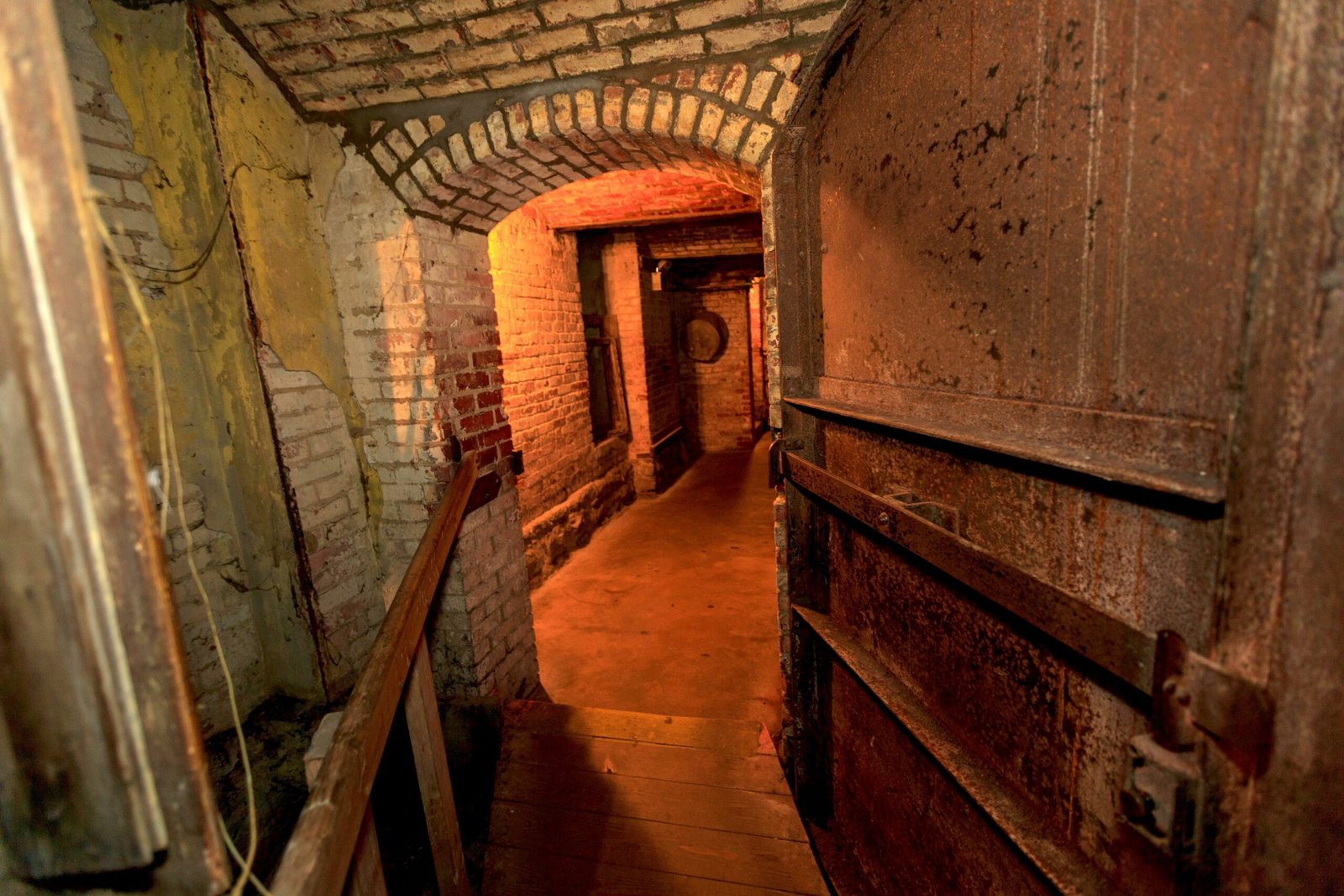
A trip to Seattle, Washington, might take you past several interesting, above-ground attractions, like the Space Needle, Pike Place Market, and the Seattle Great Wheel. But what if we told you there was a place to visit that actually takes you under the city’s streets and sidewalks while transporting you back in time?
Just minutes from Seattle’s Waterfront district, beneath the tree-lined streets and cobblestone walkways of the historic Pioneer Square, is a subterranean web of sidewalks, alleyways, abandoned storefronts, and other relics from Seattle’s 19th-century past.
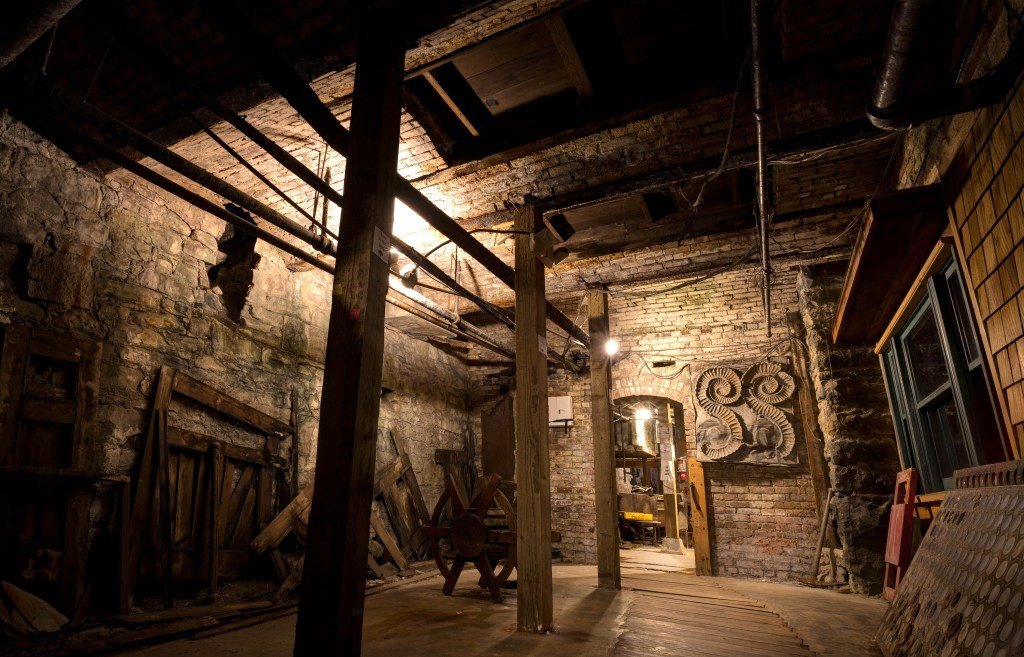
For decades, the underground portion of Seattle’s early days was closed off, left in disrepair and forgotten about, until writer and preservationist Bill Speidel founded the Underground Tour in 1965, taking visitors on entertaining tours of The Emerald City’s underbelly.
Seattle’s underground wasn’t always, well, underground. To understand the context, let’s dive into a little of the metropolis’ history. Back in the mid-1800s, the newly established city was already a busy commercial port and transcontinental railway hub, and by 1889 had over 25,000 inhabitants. But on June 6 of that year, one of the most significant and tragic events in the city’s history occurred: The Great Seattle Fire.
An accidental gasoline fire in a woodworking shop turned into a blaze that raged out of control until 25 city blocks spanning 120 acres had been destroyed. The fire left Seattle devastated, but efforts were quickly underway to rebuild. Officials seized upon the disaster to improve a long-existing infrastructure problem: a faulty drainage system that constantly backed up during high tide due the city’s construction on nearby mudflats.
To help solve this drainage issue, streets and sidewalks were raised above their previous levels — in some places up to 22 feet higher.

For a while, as streets and sidewalks were built at the “newer” ground level, the shop entrances remained down below, per the website HistoryExpose. To access the store entrances, patrons had to climb down below via ladders that were installed at street intersections. Vault lights, still visible in Pioneer Square today, were installed for sunshine to filter through to the lower parts of the city.
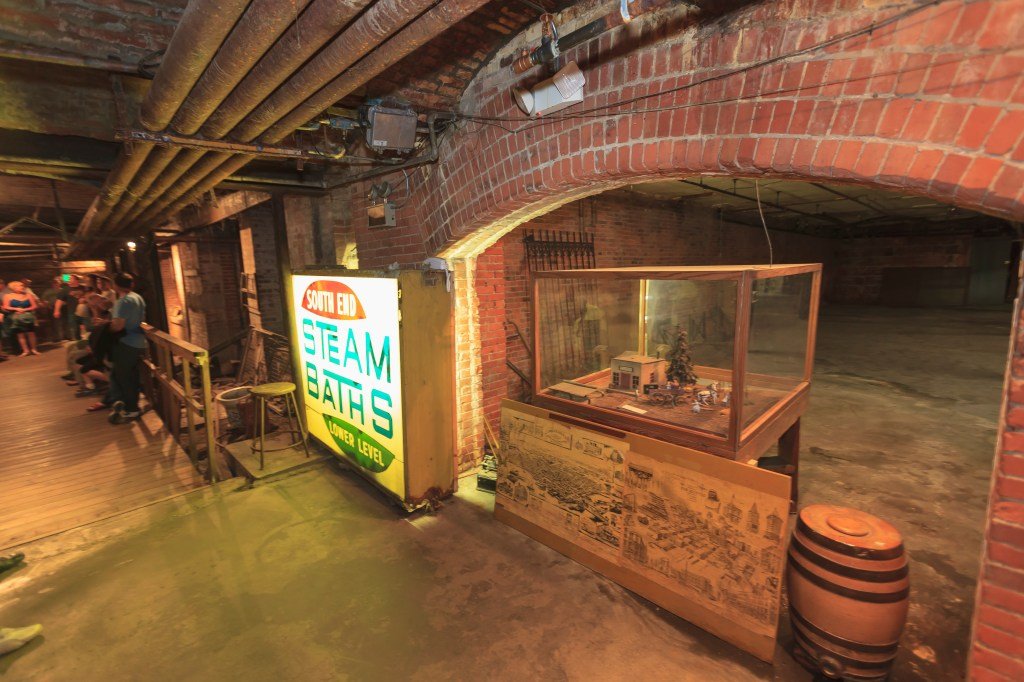
Eventually, storefronts were constructed at the new street level, and the space below was designated for storage spaces and other basement dwellings. The underground was condemned in 1907, when city-wide panic over the bubonic plague was in full swing.
Fast forward a few decades later, Speidel — a lover of history — launched the Underground Tour and was among a group of people who ultimately had Pioneer Square declared a historic district.
On the Underground Tour website, the excursion is touted as “a humorous stroll through intriguing subterranean storefronts and sidewalks.” In a Times Colonist article, journalist Patricia Coppard describes her experience on the tour, saying she saw “broken bricks, old doors, bedsprings, and a former bank lobby, complete with bank vault” and learned about real people who lived there during its glory days. She praised the guides as “masterful storytellers” who spin intriguing tales about life in underground Seattle. A Trip Advisor reviewer called the tour “a very welcome mix of humor and history,” and Nice News’ Managing Editor Natalie Stone considers it a must-see when visiting the city center.
So the next time you’re in Seattle, don’t settle for only what can be seen on the surface, make sure you foray into the underground too.
Stories like this remind us of the power of human ingenuity and compassion. In a world where headlines are often dominated by negativity, it is refreshing to see developments that inspire hope and positive change. The story behind this us metropolis was built atop an abandoned city that you can still tour today is one that resonates with people across different backgrounds and cultures, highlighting the universal desire for progress and connection.
Scientific discovery has always been driven by curiosity and the desire to understand the world around us. Modern research tools and international collaboration have accelerated the pace of discoveries, leading to breakthroughs that would have been unimaginable just a few decades ago. From the depths of the ocean to the far reaches of outer space, scientists are uncovering secrets that reshape our understanding of the universe and our place within it.
The importance of funding scientific research cannot be overstated. Government grants, private foundations, and university programs all contribute to creating an ecosystem where innovative ideas can be tested and validated. Public engagement with science through museums, documentaries, and educational outreach programs helps build a society that values evidence-based thinking and supports the continued pursuit of knowledge for the benefit of future generations.
Wildlife conservation efforts have gained significant momentum in recent years as more people recognize the importance of protecting biodiversity. From habitat restoration projects to breeding programs for endangered species, conservationists are working tirelessly to ensure that future generations can experience the rich diversity of animal life on our planet. The connection between healthy ecosystems and human well-being has become increasingly clear, driving both policy changes and grassroots action around the world.
Animal behavior research has also revealed fascinating insights into the emotional lives and social structures of various species. Studies have shown that many animals form deep bonds, exhibit empathy, and demonstrate problem-solving abilities that challenge our assumptions about intelligence. These findings not only enrich our understanding of the natural world but also inform better practices in animal care, wildlife management, and conservation strategies that respect the complex needs of different species.
Art and creative expression have always played a fundamental role in how we process emotions, communicate ideas, and build connections across cultures. Whether through visual arts, music, literature, or performance, creative works have the power to inspire, challenge, and heal. In an increasingly digital world, artists are finding new ways to reach audiences and create experiences that bridge traditional and contemporary forms of expression.
Supporting the arts through public funding, community spaces, and educational programs is essential for maintaining a vibrant cultural landscape. Studies have consistently shown that engagement with the arts improves mental health, enhances cognitive abilities, and strengthens community bonds. By valuing and investing in creative endeavors, societies foster innovation, empathy, and a sense of shared identity that enriches the lives of all their members.
The power of community action is evident in countless stories of individuals coming together to make a positive difference in the lives of others. Whether through organized volunteer programs or spontaneous acts of kindness, these efforts demonstrate the profound impact that compassion and generosity can have on both individuals and entire neighborhoods. Research has consistently shown that communities with strong social connections experience better health outcomes, lower crime rates, and greater overall life satisfaction.
Building stronger communities requires intentional effort and ongoing commitment from people of all ages and backgrounds. Mentorship programs, neighborhood gatherings, and collaborative projects create opportunities for meaningful connection and mutual support. In an era where digital communication often replaces face-to-face interaction, the importance of fostering genuine human connections through community engagement has never been more apparent or more necessary.
Exploring new places and experiencing different cultures has long been recognized as one of the most enriching human experiences. Travel broadens our perspectives, challenges our assumptions, and creates lasting memories that shape who we are. From historic landmarks and natural wonders to vibrant urban centers and quiet rural retreats, every destination offers unique opportunities for discovery and personal growth that cannot be replicated through any other means.
Responsible tourism has become an important consideration as more people travel the globe. Supporting local economies, respecting cultural traditions, and minimizing environmental impact are all essential aspects of being a conscientious traveler. Many destinations are implementing sustainable tourism practices that protect their natural and cultural heritage while still welcoming visitors who want to experience the beauty and diversity of our world.
Looking ahead, developments like the one described in this story offer a glimpse into a future filled with possibility and positive change. While challenges certainly remain, the creativity, determination, and compassion demonstrated by the individuals and organizations involved serve as a powerful reminder that progress is always within reach when people are willing to work together toward a common goal.
As we continue to navigate the complexities of modern life, stories like these provide both inspiration and practical examples of how innovation, kindness, and perseverance can make a real difference. By sharing and celebrating these achievements, we not only honor the efforts of those involved but also encourage others to pursue their own ideas for creating positive change in their communities and beyond.
RELATED: Tokyo’s Underground “Cathedral” Holds 100 Olympic-Size Pools Worth of Water to Protect City From Floods