Disneyland Paris’ Sleeping Beauty Castle may be a gateway into a magical fantasy world, but it has very real origins. A medieval book that hasn’t been viewed in over 40 years is set to go on display this summer, and it provides a rare in-person glimpse at some of the images that partially inspired “le Château de la Belle au Bois Dormant.”
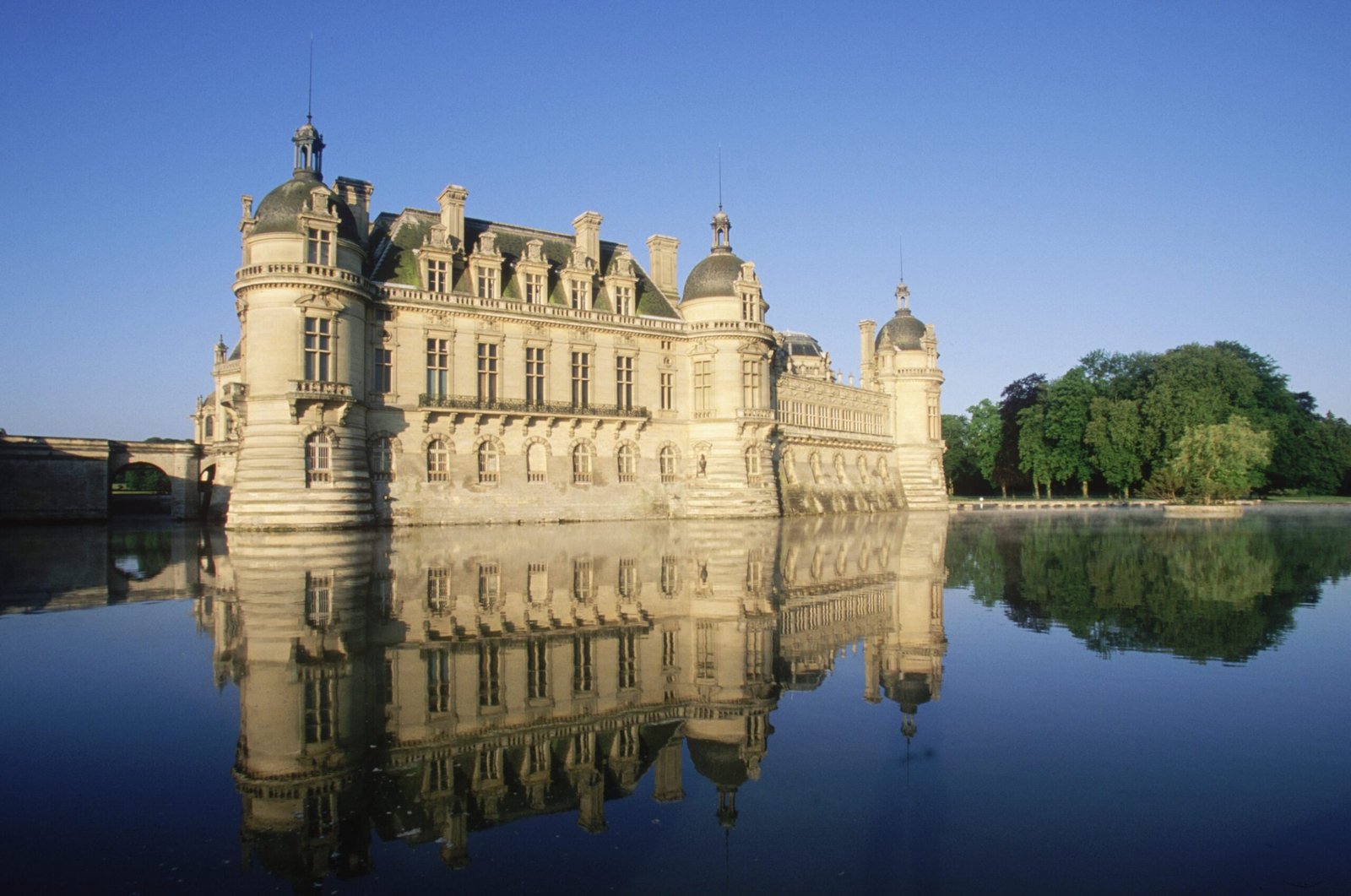
Coined the “‘Mona Lisa’ of manuscripts” but officially titled Très Riches Heures du Duc de Berry (The Very Rich Hours of the Duke of Berry), the illustrated “book of hours” devotional beautifully documents medieval prayers, holidays, and rituals. Extremely fragile, it hasn’t been seen by scholars or the public since the ’80s — but from June 7 to Oct. 5, the work will be available for viewing at the Musée Condé in Château de Chantilly. Every two weeks, the pages on display will change.
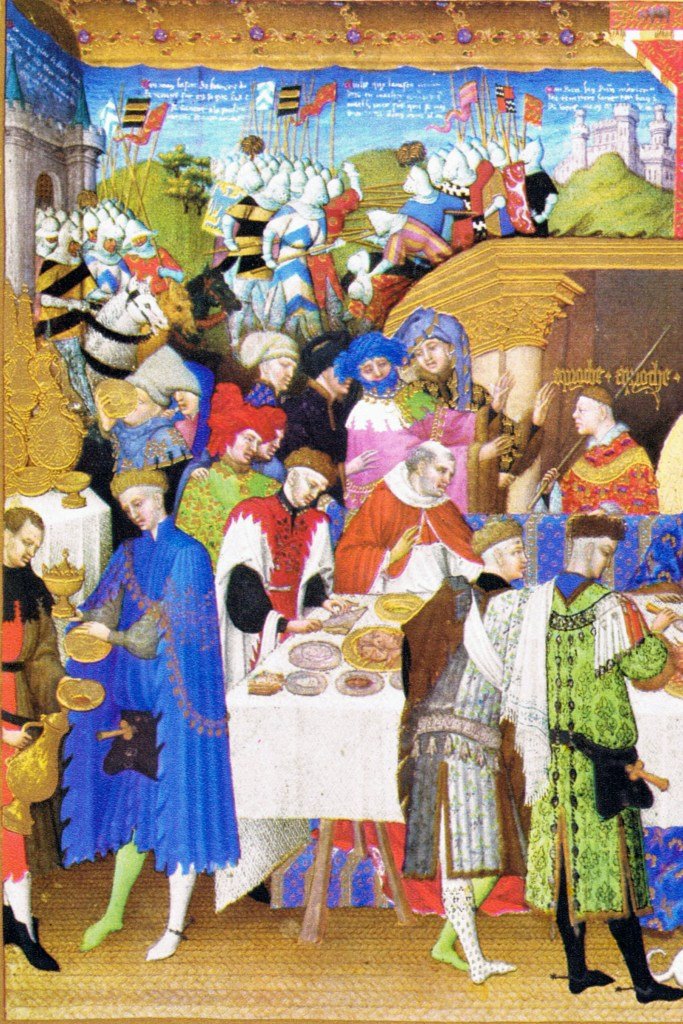
“It’s the finest surviving manuscript of the 15th century, a monument of International Gothic book arts. Really, the thing is just stupefying,” cultural critic Jason Farago wrote for The New York Times. “Its pictures combine astounding detail with exuberant, sometimes irrational spatial organization.”
The intricate illustrations include 131 complex miniatures (one of which is the historic Louvre Palace) and 300 capital letters on calfskin vellum pages, created with tempera, gold, silver, and ink.
“When people think of the Middle Ages, these are the images they see,” Mathieu Deldicque, director of the Musée Condé, told The Guardian.
The book’s roots hail all the way back to the early 1400s, when the French Duke of Berry commissioned three brothers — Paul, Jean, and Herman de Limbourg — to create a prayer book for him. The trio, still teenagers at the time, were highly skilled miniature painters responsible for “some of the most beautiful illuminated books of the Late Gothic period,” per nonprofit art history resource Smarthistory.org.
In Très Riches Heures du Duc de Berry, they incorporated calendar pages with agricultural scenes, included an illustration of the inside of the duke’s palace, and possibly even painted themselves onto the book’s pages. There are also depictions of male nudity (apparently medieval peasants didn’t don underwear) and zodiac signs, neither of which are typically present in modern religious texts.
“It was learned; it was detailed; it was impossibly lavish,” Farago wrote. “And almost no one saw it but [the Duke of Berry].”
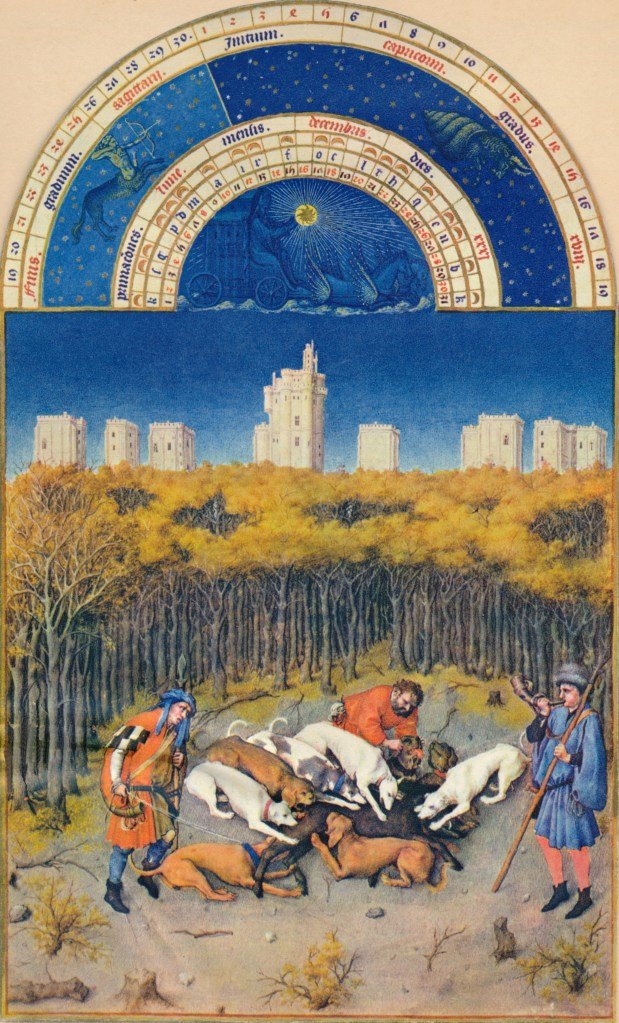
The manuscript was left unfinished after all three brothers and the duke died in 1416 (possibly from the bubonic plague) — but a handful of other artists took up its mantle over the following decades. Its exact whereabouts remained unknown, however, until 1485, when the then-Duke of Savoy acquired it. After his death, the book passed through several hands and generations until 1877, when the Duke of Aumale made his home, the Château de Chantilly, the book’s permanent home as well.
It’s unclear exactly which image in the text inspired the Disneyland castle in France (or Eyvind Earle, the artist who helped create the version for the Sleeping Beauty film). But if you’d like to peek at the pages in-person, this summer may be your last chance to do so for a while, as they’ll retreat into the Musée Condé’s archives after the exhibit concludes — although you can also dive into the stunning pages online.
“It is too fragile and at risk of damage from light to be on permanent display,” Deldicque told The Guardian. “That’s why this exhibition will be unique. Everyone knows about this book — but nobody has seen it.”
RELATED: “Mona Lisa” Is Getting a Room of Her Own at the Louvre
Experts in the field have noted that discoveries like this one are part of a broader trend toward more personalized and preventive healthcare. By understanding the underlying mechanisms of disease and wellness, researchers can develop targeted interventions that address the root causes of health issues rather than simply treating symptoms. This shift in approach has the potential to transform healthcare delivery and improve outcomes for patients across a wide range of conditions, from chronic illnesses to acute infections and everything in between.
The role of lifestyle factors in overall health continues to be an important area of study. Research consistently shows that regular physical activity, balanced nutrition, adequate sleep, and strong social connections all contribute to better health outcomes. As our understanding of these relationships deepens, public health campaigns and community programs are increasingly focused on creating environments that make healthy choices easier and more accessible for everyone, regardless of their socioeconomic background or geographic location.
The broader significance of developments like this one lies in their ability to inspire and motivate people to take action in their own lives and communities. Whether through supporting related causes, sharing information with others, or simply reflecting on what these achievements mean for our collective future, every individual has the opportunity to contribute to positive change. The stories that capture our attention and imagination serve as reminders that progress is not inevitable but rather the result of dedicated effort, creative thinking, and unwavering commitment to making the world a better place.
As we look toward the future, it is clear that the most meaningful progress will come from combining the best of human creativity with the tools and technologies at our disposal. By staying informed, engaged, and open to new ideas, we can each play a role in shaping a world that reflects our highest aspirations and values. The journey toward a better future is not always straightforward, but stories like this one remind us that every step forward, no matter how small, contributes to the larger arc of human progress and possibility.
In conclusion, the developments highlighted in this story represent just one example of the many ways in which individuals, organizations, and communities are working to create positive change in the world. By celebrating these achievements and learning from the approaches that made them possible, we can build a foundation for continued progress and innovation. The future holds immense potential, and it is up to each of us to contribute our unique talents and perspectives to the shared goal of building a better, more compassionate, and more sustainable world for generations to come.