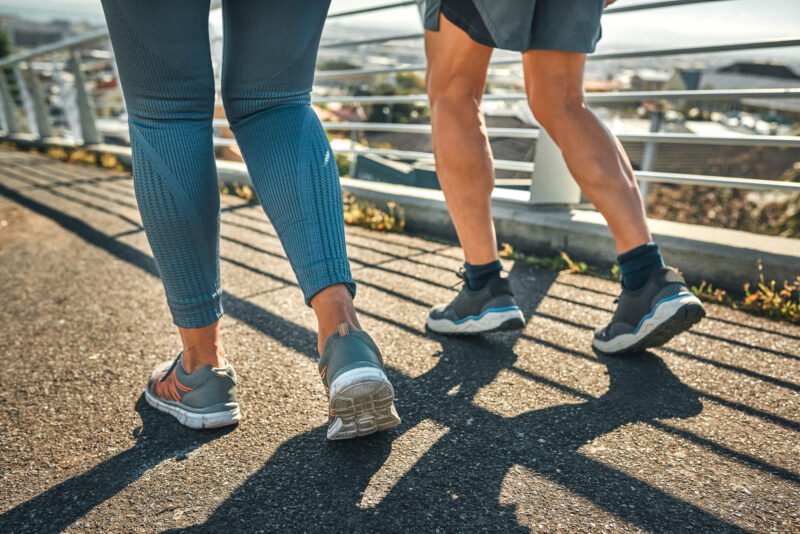
Twins present a unique opportunity for scientific study. Their shared genetics and family backgrounds allow researchers to evaluate the differences in their lives more objectively than is possible with people who have fewer factors in common. A new analysis of nearly 11,000 twins made use of this advantage to determine how a person’s environment affects the amount of walking they do.
Anyone who has house- or apartment-hunted recently has likely made use of tools like Walk Score to check the on-foot proximity of supermarkets, libraries, and the like. Walkability is a coveted characteristic: Being able to hoof it means spending less time in traffic and less money on gas. And per the new research, living in a more walkable neighborhood is also linked to increased physical activity.
“We have so many people in the U.S. population who don’t get sufficient activity. If we could shift the percentage of the population that just took on more plain old walking, we would see real health benefits,” said lead author Glen Duncan, a Washington State University nutrition and exercise physiology professor.

To investigate the association between walkability and physical activity, Duncan and his team looked at 5,477 pairs of twins living across the U.S. from 2009 to 2020. They found that subjects who lived in more walkable areas reported more physical activity than their siblings in less walkable locales. And when an area became 1% more walkable, people walked 0.42% more each week. Scale that up, and a 55% increase in walkability would result in around 23% more walking — or about 19 minutes a week for every resident in the area.
In other words, when investments are made in changing public infrastructure to support walkability — like adding more sidewalks and crosswalks — people walk more. Duncan believes the results could inform policy and encourage cities to take action.
“That could be a really good thing for public health,” he told Grist, adding: “Individual behavior change just isn’t doing it. We’ve kind of done that to death, in my opinion. We just tell people to eat your fruits and vegetables and get more exercise, without really thinking about the larger structural problems that hinder people from eating better and getting more activity.”
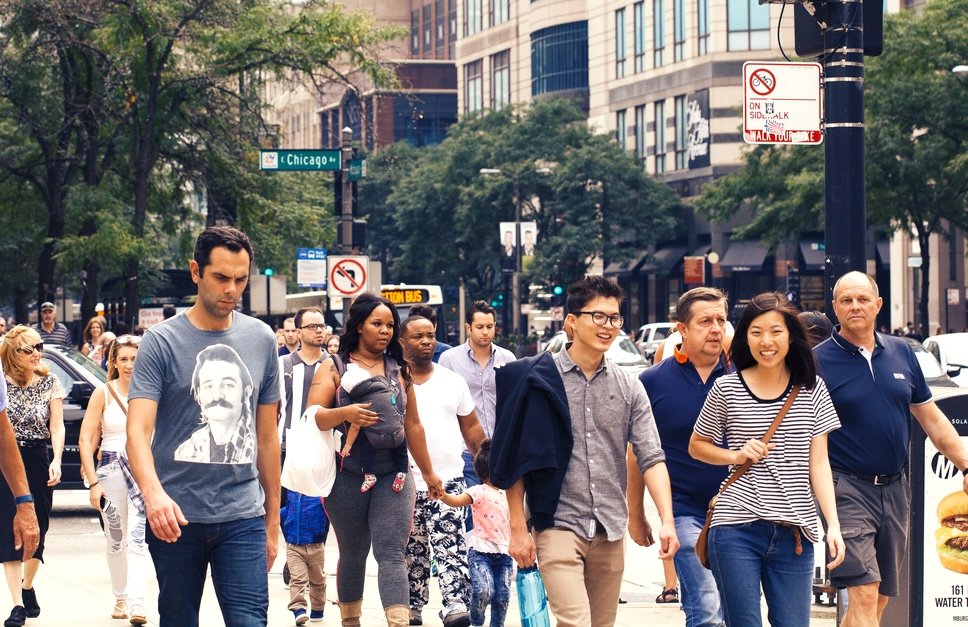
Duncan’s study isn’t the first to pinpoint the positive health impacts of living in a walkable area. A paper published in May 2024 found that the prevalence of modifiable cardiovascular risk factors — i.e. things like high blood pressure and limited physical activity — among people with a history of cancer was lower for those living in the most walkable neighborhoods than for those living in the least walkable. Another from 2021 showed higher walkability was associated with lower mortality rates in a cohort of 13,832 women.
Beyond the boon to well-being on the individual health level, making cities more walkable is beneficial at the population level: Fewer drivers and more safety measures mean fewer pedestrian deaths. Additionally, it’s a positive for the environment as well as community connectedness and the economy, per Multisolving Institute director Elizabeth Sawin, who was not involved in the new research.
“Every trip taken on foot instead of by a fossil fuel-powered car reduces greenhouse gas emissions,” Sawin explained to Grist. “Walkability also helps connect people with the neighbors and local businesses, and increases a sense of connection and economic vitality.”
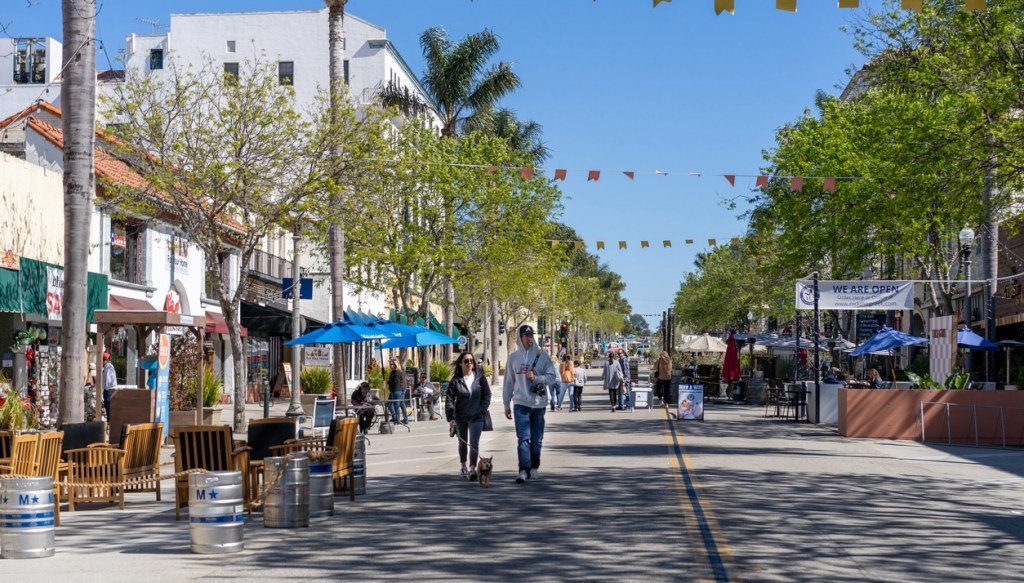
And according to Bunmi Akinnusotu, director of city innovation at the nonprofit Aspen Institute, the people who could potentially benefit the most from government investment in improved walkability are those living in underserved communities.
“I think it is going to make a world of a difference for many people — marginalized groups in particular,” she said.
RELATED: NYC’s Iconic Fifth Avenue Is Getting a Pedestrian-Focused Redesign — See the Renderings
Experts in the field have noted that discoveries like this one are part of a broader trend toward more personalized and preventive healthcare. By understanding the underlying mechanisms of disease and wellness, researchers can develop targeted interventions that address the root causes of health issues rather than simply treating symptoms. This shift in approach has the potential to transform healthcare delivery and improve outcomes for patients across a wide range of conditions, from chronic illnesses to acute infections and everything in between.
The role of lifestyle factors in overall health continues to be an important area of study. Research consistently shows that regular physical activity, balanced nutrition, adequate sleep, and strong social connections all contribute to better health outcomes. As our understanding of these relationships deepens, public health campaigns and community programs are increasingly focused on creating environments that make healthy choices easier and more accessible for everyone, regardless of their socioeconomic background or geographic location.
Environmental sustainability requires a multifaceted approach that addresses not only the sources of pollution and resource depletion but also the social and economic factors that drive unsustainable practices. Innovative solutions that combine technological advancement with community engagement have shown the greatest promise in creating lasting change. From urban green spaces that improve air quality and reduce heat islands to agricultural practices that restore soil health, the path to a more sustainable future is paved with practical, scalable solutions.
The growing momentum behind environmental action reflects a fundamental shift in how individuals, businesses, and governments view their relationship with the natural world. Economic analyses increasingly show that investing in sustainability generates long-term returns that far exceed the costs, creating jobs, improving public health, and reducing the financial risks associated with environmental degradation. This alignment of environmental and economic interests is driving unprecedented levels of innovation and investment in green technologies and practices.
Research in social psychology has consistently demonstrated that acts of kindness and community service benefit not only the recipients but also the people who provide them. Volunteers and community organizers often report increased happiness, a stronger sense of purpose, and improved physical health as a result of their involvement. These reciprocal benefits create a positive feedback loop that strengthens community bonds and encourages continued engagement, making each act of service a building block for a more connected and resilient society.
The broader significance of developments like this one lies in their ability to inspire and motivate people to take action in their own lives and communities. Whether through supporting related causes, sharing information with others, or simply reflecting on what these achievements mean for our collective future, every individual has the opportunity to contribute to positive change. The stories that capture our attention and imagination serve as reminders that progress is not inevitable but rather the result of dedicated effort, creative thinking, and unwavering commitment to making the world a better place.
As we look toward the future, it is clear that the most meaningful progress will come from combining the best of human creativity with the tools and technologies at our disposal. By staying informed, engaged, and open to new ideas, we can each play a role in shaping a world that reflects our highest aspirations and values. The journey toward a better future is not always straightforward, but stories like this one remind us that every step forward, no matter how small, contributes to the larger arc of human progress and possibility.