Fighting Alzheimer’s Disease With Humor and Heart
When Alzheimer’s disease enters a family, the emotional weight can feel crushing. The gradual loss of a loved one’s memories, personality, and independence creates grief that unfolds in slow motion over months and years. For most families touched by this devastating neurological condition, the natural response is somber determination and quiet endurance. But one prominent couple has chosen a radically different approach to Alzheimer’s advocacy, one rooted in the belief that laughter and levity can coexist with serious purpose.
The couple, both well-known figures in the entertainment industry, founded their charitable organization after watching Alzheimer’s disease transform a beloved family member. The diagnosis came as a shock, but the progressive deterioration that followed proved even more difficult to process. Rather than retreating into private grief, they channeled their pain into public advocacy, using their platform and professional skills to raise both awareness and substantial funding for Alzheimer’s research.
Comedy as a Vehicle for Change
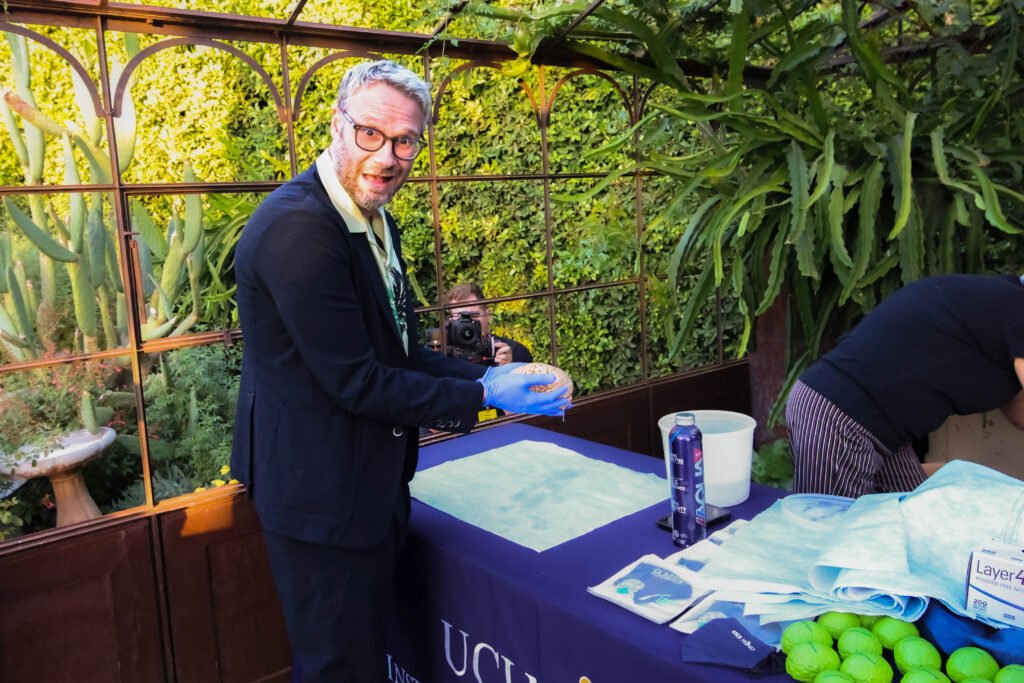
What distinguishes their approach from other disease advocacy organizations is the deliberate incorporation of humor into fundraising and awareness efforts. Annual charity events feature performances by leading comedians, irreverent promotional materials, and a general atmosphere that feels more like a comedy festival than a medical fundraiser. The strategy is intentional: by making their events genuinely enjoyable rather than exclusively somber, they attract broader audiences and larger donations while simultaneously reducing the stigma that often surrounds conversations about cognitive decline.
The philosophy behind this approach is both personal and practical. Growing up in a household affected by Alzheimer’s, one of the founders observed that humor served as a vital coping mechanism for the family. Laughter did not diminish the seriousness of the disease but instead provided moments of relief and human connection during an otherwise relentlessly difficult experience. Translating this personal insight into organizational strategy has proven remarkably effective at engaging audiences who might otherwise avoid confronting the reality of Alzheimer’s disease.
Real Impact Through Research Funding
Despite the lighthearted tone of their public events, the organization’s impact on Alzheimer’s research funding has been anything but trivial. Since its founding, the charity has directed millions of dollars toward scientific research aimed at understanding, treating, and ultimately preventing the disease. Grants have supported work in early detection, experimental therapeutics, caregiver support programs, and brain health initiatives designed to reduce risk factors for cognitive decline.
The organization also advocates for increased federal funding for Alzheimer’s research, testifying before Congress and engaging in policy discussions that shape national priorities for addressing what has been called one of the defining public health challenges of the twenty-first century. With more than six million Americans currently living with Alzheimer’s and projections suggesting that number could more than double by mid-century, the urgency of expanded research funding is difficult to overstate.
Supporting Caregivers and Families
Beyond research funding, the organization has developed programs that directly support the millions of Americans who serve as unpaid caregivers for family members with Alzheimer’s disease. Caregiving for someone with progressive cognitive decline is physically exhausting, emotionally draining, and financially costly, yet it remains largely invisible in public health discussions. By creating resources, support networks, and public awareness campaigns focused on caregiver well-being, the charity addresses a critical gap in the broader Alzheimer’s support ecosystem.
The couple’s willingness to share their personal family experience with Alzheimer’s has helped normalize conversations about a disease that many families still discuss only in whispers. By speaking openly about the confusion, frustration, grief, and unexpected moments of humor that characterize life with an Alzheimer’s patient, they have given permission for others to acknowledge the full complexity of their own experiences without shame or pretense.
A Model for Modern Advocacy
The success of this humor-infused approach to disease advocacy offers lessons that extend well beyond the Alzheimer’s community. In a cultural landscape saturated with requests for attention and charitable dollars, organizations that find creative ways to engage audiences while maintaining substantive impact stand the best chance of building sustainable support over time. By proving that serious purpose and genuine enjoyment are not mutually exclusive, this couple has created a model that other causes may well seek to emulate in their own advocacy efforts.
The broader implications of this story extend well beyond the individuals directly involved. It represents a growing recognition that creative thinking, sustained commitment, and genuine empathy can produce results that conventional approaches alone often fail to achieve. As awareness of developments like this one continues to spread through media coverage and personal sharing, the potential for inspiring similar initiatives in other communities and contexts grows exponentially.
Experts who have studied similar developments emphasize the importance of community engagement and sustained support in achieving lasting positive outcomes. When individuals, organizations, and institutions align their efforts toward shared goals, the resulting synergy produces impact that far exceeds what any single actor could accomplish independently. This collaborative approach to problem-solving has become increasingly recognized as essential for addressing the complex challenges that define our current era.
From an educational standpoint, stories like this one offer valuable case studies in perseverance, innovation, and the practical application of compassion. Teachers and community leaders have noted that real-world examples of positive change are among the most effective tools for inspiring the next generation to think critically about the challenges around them and to believe in their own capacity to contribute meaningful solutions.
The long-term significance of developments like this is often underestimated in the immediate aftermath. What begins as a single initiative or individual act of determination frequently becomes the catalyst for broader cultural shifts in how communities approach similar challenges. The seeds planted today through creative thinking and genuine care for others have the potential to grow into movements that reshape entire sectors and improve the lives of countless individuals who may never know the origin of the changes that benefited them.
The evolution of disease advocacy in recent decades reflects a broader cultural shift toward transparency, creativity, and community engagement in addressing health challenges. Organizations that successfully combine serious medical purpose with accessible, engaging public communication have consistently outperformed traditional awareness campaigns in both fundraising effectiveness and public impact. This approach recognizes that sustained attention to any cause requires emotional connection, not just factual information, and that humor and warmth can be powerful vehicles for building the kind of lasting engagement that drives real change.