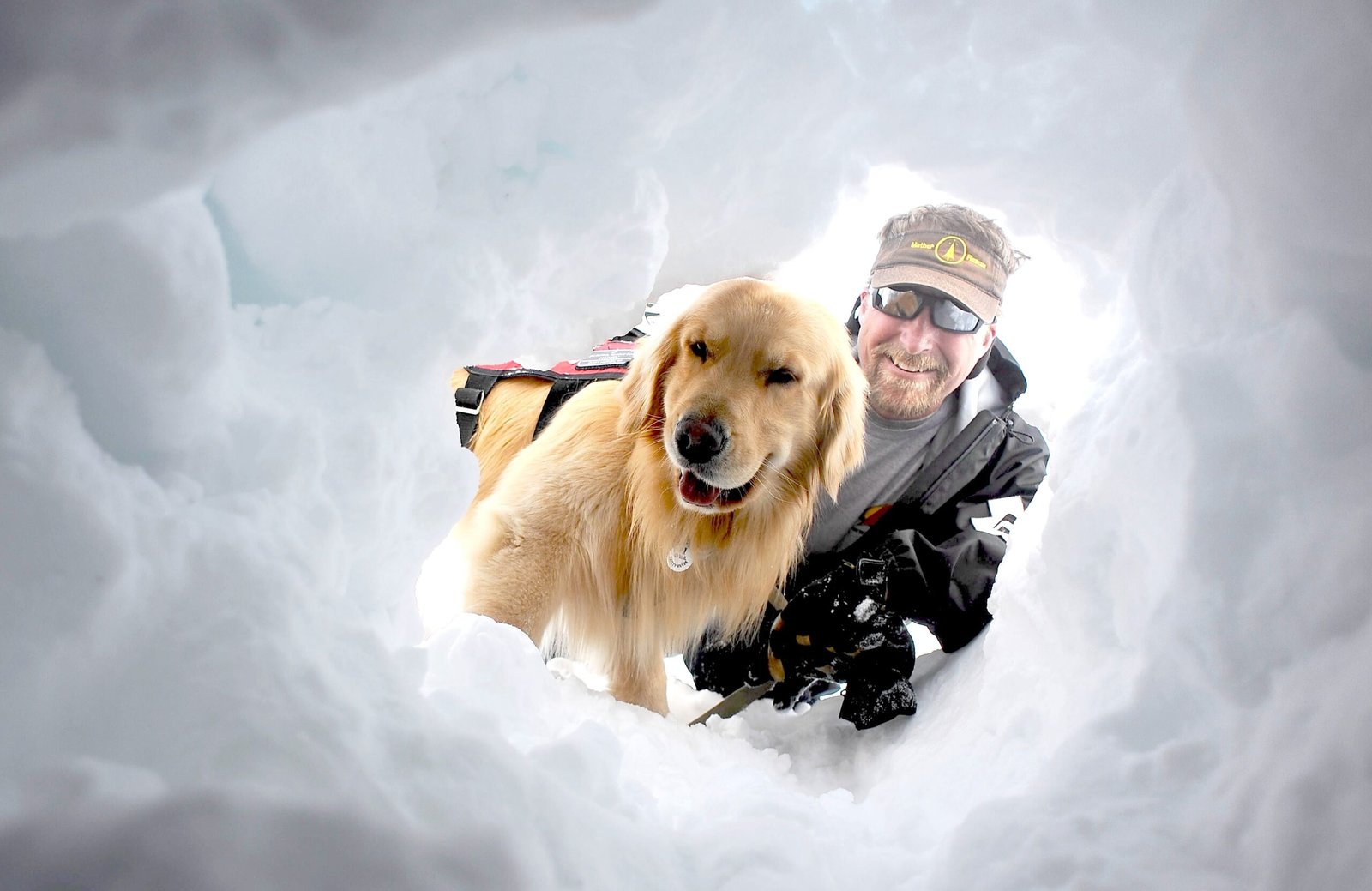
For sporty snow bunnies, skiing is one of winter’s great joys, but the cold weather recreation isn’t without risk. Not only does it take some serious skill to careen down a mountain on two runners — or one, if you’re a snowboarder — you’re also up against the elements.
Though they’re luckily rare occurrences at resorts, avalanches do happen, and the sliding sheets of snow can be deadly. That’s why teams of specially trained rescue operatives are on staff at most locations, and judging by the wagging of their tails, they’re happy to help.
That’s right, in one of the many examples of dogs living up to their reputation as humankind’s best friend, search-and-rescue canines locate people trapped under snow. The practice of enlisting pups for this role is thought to date back to the 18th century, when St. Bernards accompanied monks on rescue missions though a treacherous section of the Alps connecting Italy and Switzerland.
Today, you can find these working dogs across the globe, but we pinpointed a few places in the U.S. where they’re on call to save lives.
Colorado Rapid Avalanche Deployment | Colorado
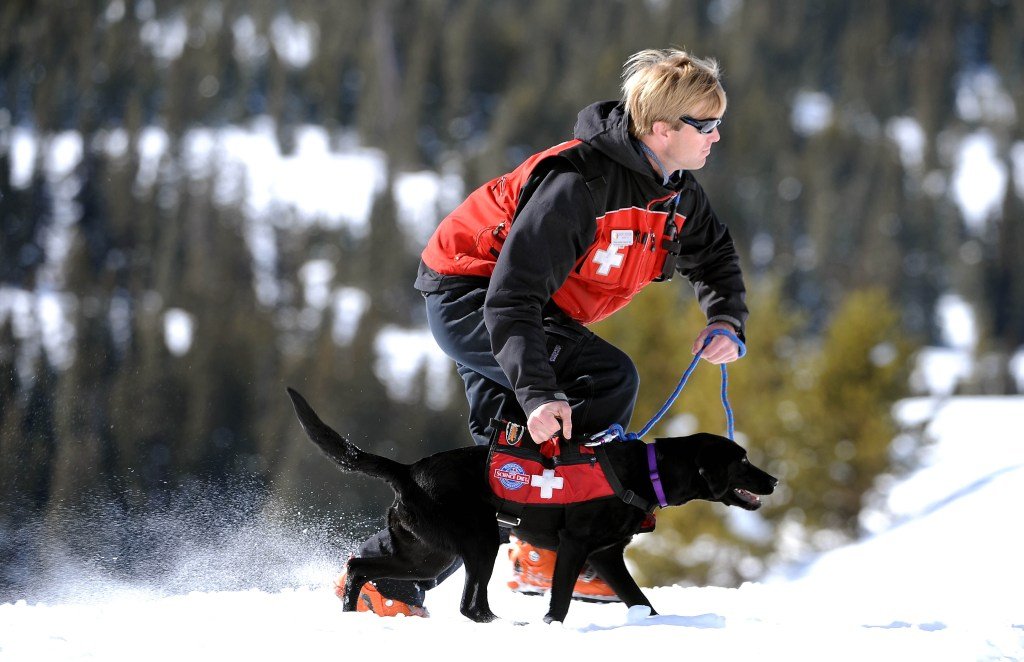
Rather than a specific resort, we’re starting with an organization responsible for training canines to join teams throughout Colorado. Known as a “Top Gun school for avalanche rescue dogs and their handlers,” per the Aspen Sojourner, the Colorado Rapid Avalanche Deployment runs a winter course on a different resort each year. It’s the largest annual avalanche dog training event in North America, with 42 dog teams from 22 resorts.
The training relies on something dogs love: tug of war. In the puppy class, human patrollers hide out in “quinzees,” hollowed out mounds of snow created specifically for the course. The dogs must use their sense of smell to find the people, and when they do, they’re rewarded with a tug toy.
“Dog School is immersive,” Emily Casebeer, a ski patrol veteran at Snowmass Mountain, where the 2023 course was held, told the Sojourner this past January. “As a handler, it gives me the opportunity to solely focus on me and my dog and build friendships and relationships with other trainers and patrollers.”
Jackson Hole Patrol Dogs | Wyoming
In Wyoming, squads of avalanche dogs, or patrol dogs, as they’re called at the Jackson Hole Mountain Resort, have been helping locate buried skiers since 1979. Making up the (adorable) 2024 team are Cache, a Dutch shepherd; Sparrow, an Airedale; Dolly, an Australian cattle dog; Toby, an English shepherd; and Levi — his breed hasn’t been added to his bio yet, but he’s certainly a handsome fellow.
According to Chris Brindisi, Cache’s owner and a veteran dog handler and ski patrol member, the ideal dog for the job is one with unbridled enthusiasm, can follow its nose well and stay calm on chairlifts, and is eager to please. Another criterion? Loving people, of course.
“The more that they get to figure out that people are super fun and wonderful and awesome, then the more reason that they want to find you,” Brindisi previously told The Washington Post.
But besides having those key characteristics, Cache, Dolly, and the other pups are incredibly valuable members of the staff simply for being dogs — and in spite of the many technologies available to locate people under snow. When it’s unknown whether someone is stuck, the animals can run great distances to quickly determine if a human needs help.
“The alternative would be 23 patrollers lined up single file with probes pushing through the snow to see if we find anybody, which can take hours and hours and hours and is extremely difficult and not awesome,” explained the program’s assistant director, Scott Stolte.
Big Sky Resort Avalanche Dogs | Montana
Moving next door, Montana is known for its beautiful natural scenery — not least its snow-capped mountains. The massive Big Sky Resort, a sprawling 5,800 acres of skiable landscape, attracts hundreds of thousands of visitors every year.
And with over 300 runs, the popular locale relies on its avalanche dogs as essential members of the patrol team.
Thankfully, you don’t have to be in dire circumstances to meet the resort’s heroic pups. According to the website, meet and greets with one of the dogs will be held every Monday and Wednesday afternoon beginning Dec. 30, during which people can learn about the animals’ training, role on the team, and more.
Taos Avalanche Rescue Dogs | New Mexico
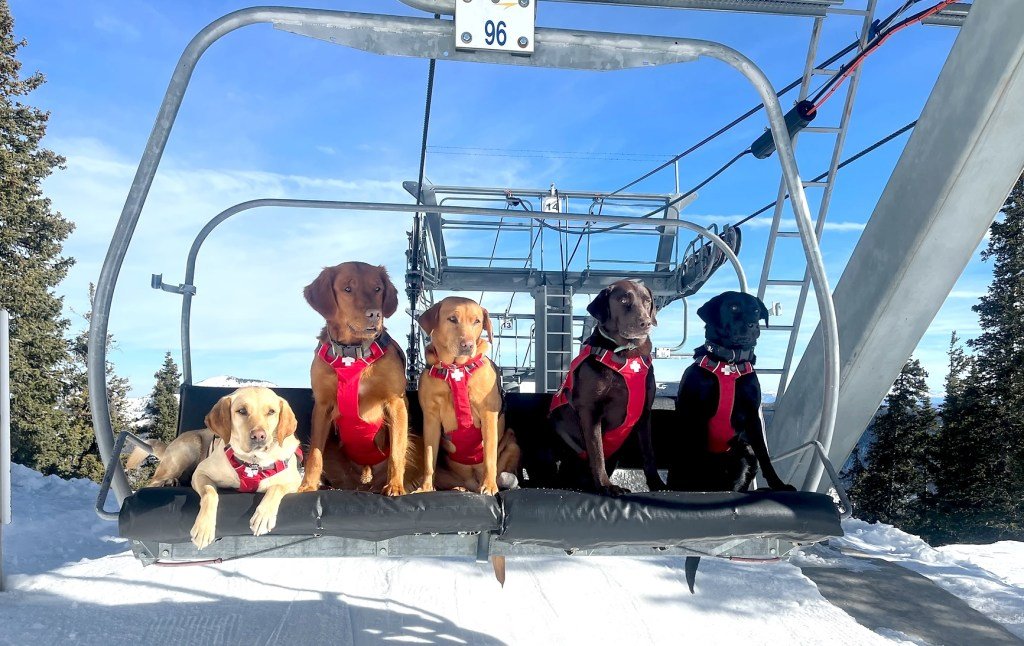
In addition to its dogs serving as patrol members at Taos Ski Valley resort in New Mexico, the nonprofit Taos Avalanche Rescue Dogs is on a mission to further avalanche education in the surrounding community.
The canines currently on the roster are Finn, a golden retriever, and labrador retrievers Sadie, Kona Yuki, Brooks, and Bramble. The official website hilariously lists nicknames, hobbies, and dreams for each pup (“Finn dreams of a world where all objects are tennis balls waiting to be thrown and chased”).
Per a post on the website written by Taos Ski Patrol member Rey Deveaux, the organization was founded in the early 1980s, the only program of its kind in the Rocky Mountains at the time.
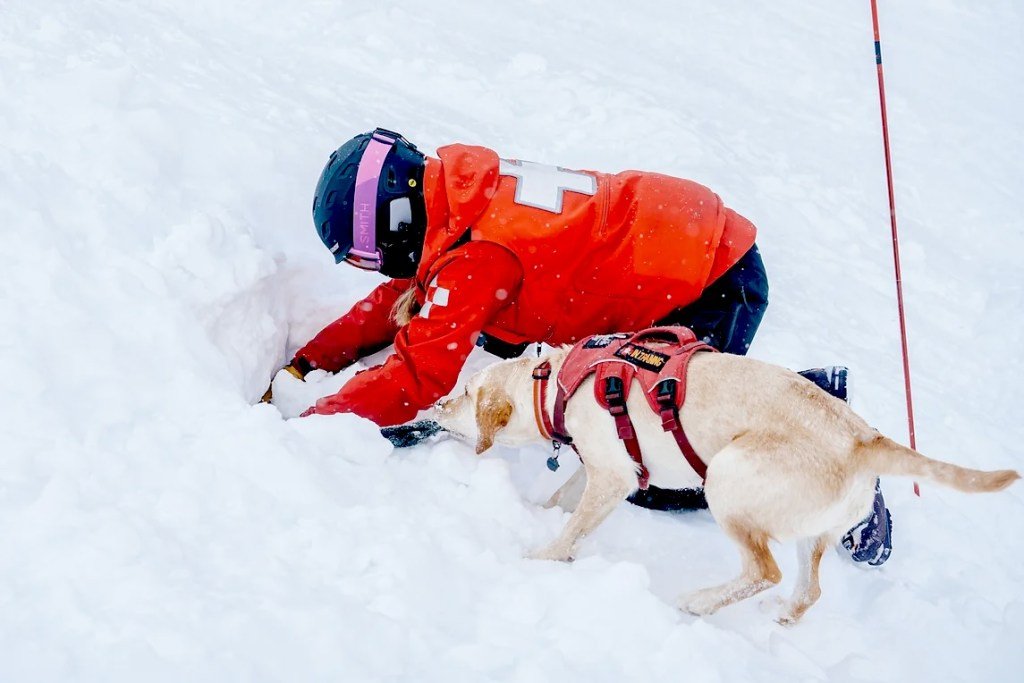
“We needed a way to replace the old ‘probe line’ method of searching; it was really too slow to give a buried person a chance of survival (which is already only a 50% chance at 30 minutes),” Deveaux writes.
He added that since the program’s inception, they “have learned to consider [the dogs] an integral part of our ski patrol team,” noting that “they are, of course, important, life-saving partners when an avalanche occurs. But they also make us laugh and feel good every day.”
RELATED: This Nonprofit Pairs Service Dogs With Those in Need at No Charge
Understanding animal behavior and ecology is crucial for developing effective conservation strategies that protect both individual species and the ecosystems they inhabit. Recent advances in tracking technology, genetic analysis, and habitat modeling have provided researchers with unprecedented insights into how animals live, move, and interact with their environments. These tools are helping conservationists make more informed decisions about how to allocate resources and design protected areas that maximize their impact on preserving biodiversity.
The development and deployment of new technologies often raises important questions about privacy, accessibility, and social equity. Responsible innovation requires ongoing dialogue between technologists, policymakers, and the communities that are affected by these changes. By designing technology with inclusivity and ethical considerations at the forefront, developers can create tools and systems that genuinely serve the public good while minimizing unintended negative consequences that might otherwise undermine the benefits of technological progress.
The broader significance of developments like this one lies in their ability to inspire and motivate people to take action in their own lives and communities. Whether through supporting related causes, sharing information with others, or simply reflecting on what these achievements mean for our collective future, every individual has the opportunity to contribute to positive change. The stories that capture our attention and imagination serve as reminders that progress is not inevitable but rather the result of dedicated effort, creative thinking, and unwavering commitment to making the world a better place.
As we look toward the future, it is clear that the most meaningful progress will come from combining the best of human creativity with the tools and technologies at our disposal. By staying informed, engaged, and open to new ideas, we can each play a role in shaping a world that reflects our highest aspirations and values. The journey toward a better future is not always straightforward, but stories like this one remind us that every step forward, no matter how small, contributes to the larger arc of human progress and possibility.