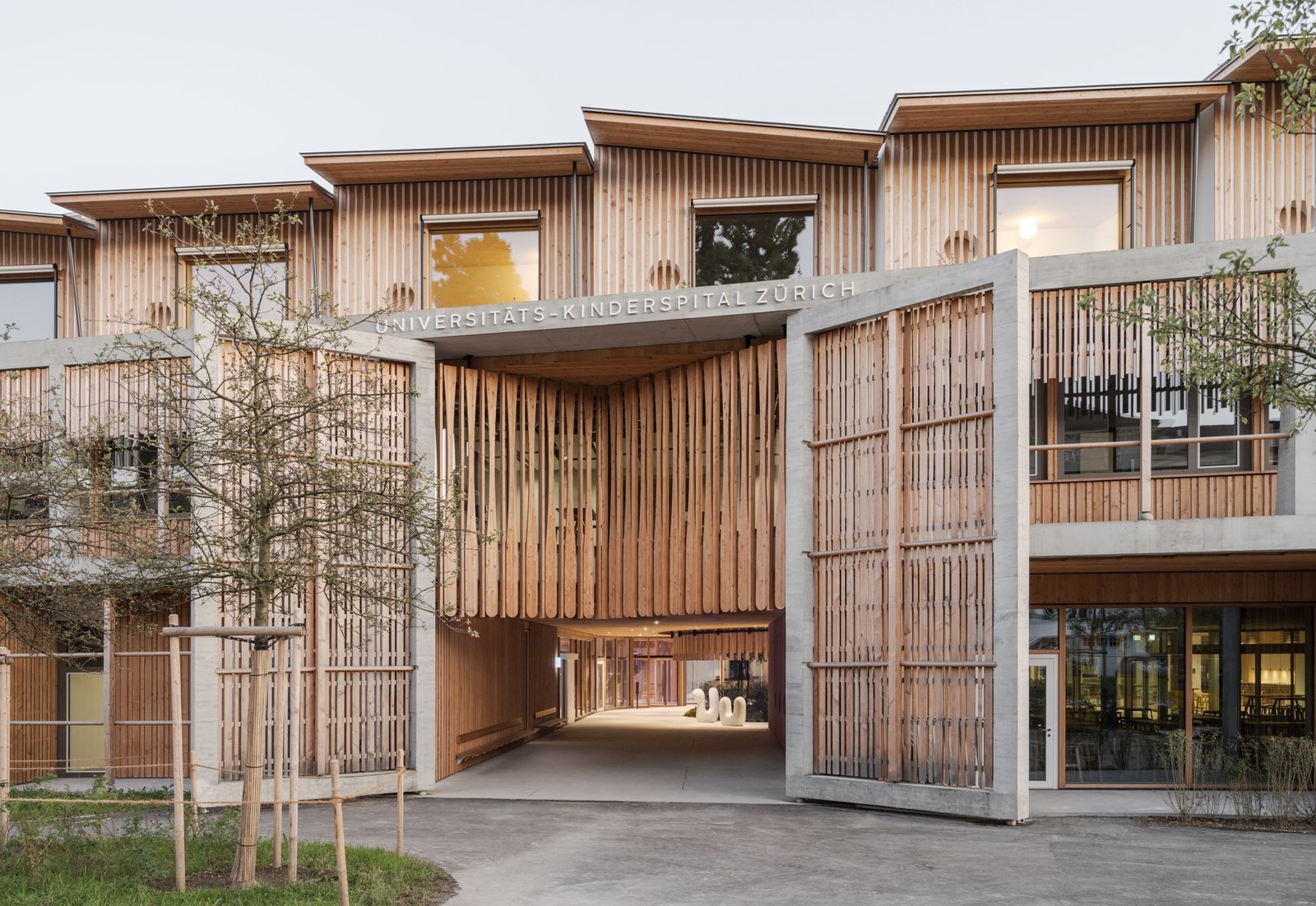
An extraordinary new children’s hospital in Zurich is re-envisioning what pediatric care looks like.
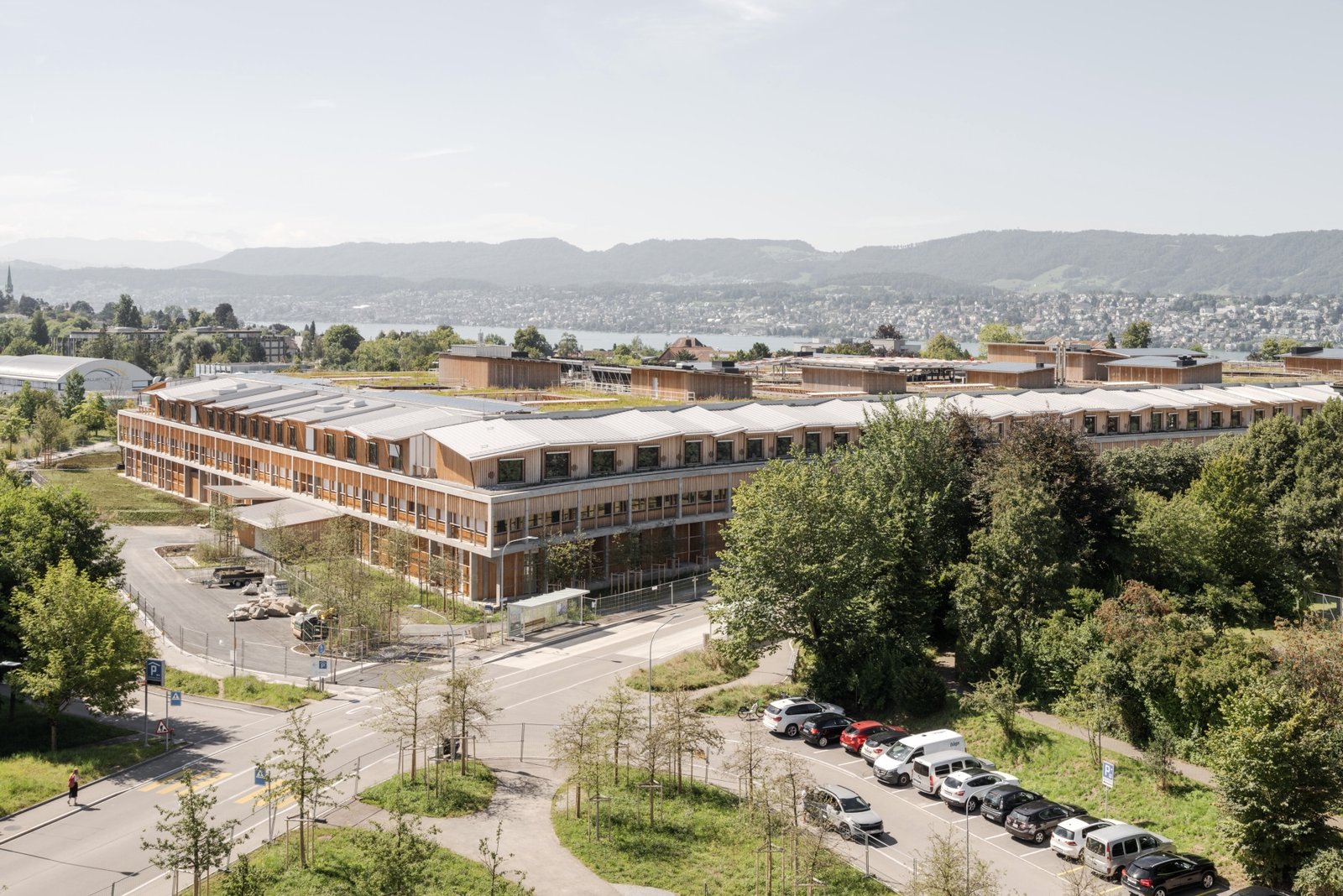
Situated at the foot of a hill in the lush Swiss city, the three-story building is designed to function like a miniature town: Medical specialty wings are “neighborhoods” connected by a central “main street” that runs past green courtyards, while the patients’ rooms resemble small, individual cottages — each with its own pitched roof.
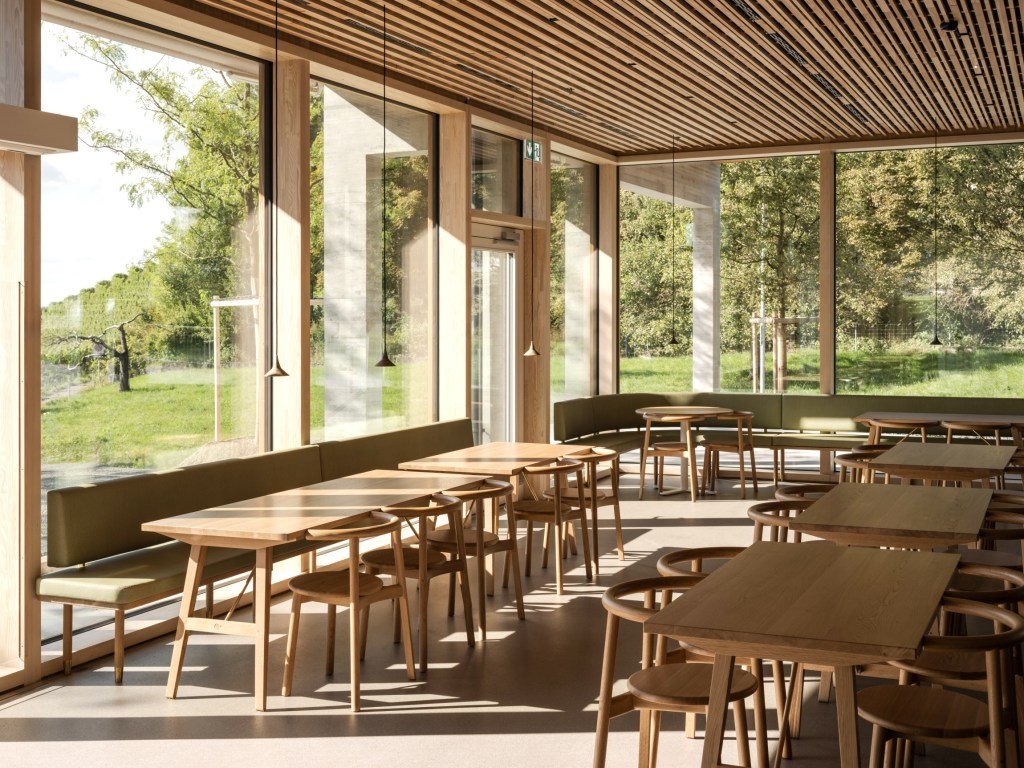
Daylight streams in through large windows, offering welcome views of the over 250 newly planted trees that dot the sloping landscape, and the playful use of wood throughout the interior and exterior furthers a sense of tranquility and connectedness to the natural world.

Designed by international architecture firm Herzog & de Meuron, the pioneering medical center is the largest pediatric health care facility in Switzerland. It was inaugurated earlier this month and will open its doors to patients on Nov. 2. “People in hospitals are often in life-threatening situations,” Jacques Herzog explained in a statement. “That is an exceptional challenge not only for patients but also for relatives, carers, and physicians. Ironically, hospitals all over the world and even in Switzerland are often the ugliest places.”
For the past two decades, the firm has been addressing this incongruity, homing in on architecture’s ability to contribute to the healing process.
“People can see for themselves how daylight coming in from outside and variations in proportion can animate and change a room, how plants and vegetation can blur the distinction between inside and outside, and how materials are not just beautiful to look at but also pleasing to the touch,” Herzog said. “We designed all these things with conscious intent so that people can perceive them, sense them, and ultimately feel better.”
The new construction comprises two buildings, the acute-care hospital and a teaching and research facility, both of which have been awarded the platinum certification of building sustainability by the Swiss Sustainable Building Council.

It all began back in 2012, when the Kinderspital Zurich — or the Kispi, for short — held a competition to create a new branch in the city’s Lengg district. Herzog & de Meuron’s holistic, child-friendly designs came out on top.
“We wanted to avoid that sense of being just another unit in a row of stacked boxes,” project leader Mark Bähr told The Guardian. “Having a sloped wooden roof and natural light makes a huge psychological difference when you’re lying in bed staring at the ceiling all day.”
And there are some extra special touches for the young patients who will be spending time at the Kispi. The thoughtfully designed reception desk is low enough for little ones to see over, the corridors are wide enough to play ping-pong and soccer in, and the coated walls are even designed for scribbling on.
“We’ve tried to make the architecture address the curiosity of children,” said Christine Binswanger, a senior partner in charge of the project. “Normally they would expect you to paint animals on the walls, but we’ve done things like putting the timber columns on little round pieces of stone, or making a hole in the elevator so you can see into the shaft.”
Stories like this remind us of the power of human ingenuity and compassion. In a world where headlines are often dominated by negativity, it is refreshing to see developments that inspire hope and positive change. The story behind pioneering new children’s hospital in zurich is designed like a miniature town is one that resonates with people across different backgrounds and cultures, highlighting the universal desire for progress and connection.
Medical breakthroughs continue to reshape our understanding of human health. Researchers around the world are collaborating on innovative treatments and preventive measures that could improve the quality of life for millions of people. From advanced diagnostic tools to personalized medicine, the healthcare landscape is evolving at a remarkable pace. These developments are not just about extending lifespans but also about enhancing the daily well-being of individuals living with chronic conditions or facing new health challenges.
Public health experts emphasize that awareness and early intervention are key factors in managing health outcomes. Community health programs, educational initiatives, and accessible healthcare services play a vital role in ensuring that advancements reach the people who need them most. The integration of technology into healthcare delivery has also opened new possibilities for remote monitoring, telemedicine consultations, and data-driven treatment plans that can be tailored to individual needs.
Scientific discovery has always been driven by curiosity and the desire to understand the world around us. Modern research tools and international collaboration have accelerated the pace of discoveries, leading to breakthroughs that would have been unimaginable just a few decades ago. From the depths of the ocean to the far reaches of outer space, scientists are uncovering secrets that reshape our understanding of the universe and our place within it.
The importance of funding scientific research cannot be overstated. Government grants, private foundations, and university programs all contribute to creating an ecosystem where innovative ideas can be tested and validated. Public engagement with science through museums, documentaries, and educational outreach programs helps build a society that values evidence-based thinking and supports the continued pursuit of knowledge for the benefit of future generations.
Wildlife conservation efforts have gained significant momentum in recent years as more people recognize the importance of protecting biodiversity. From habitat restoration projects to breeding programs for endangered species, conservationists are working tirelessly to ensure that future generations can experience the rich diversity of animal life on our planet. The connection between healthy ecosystems and human well-being has become increasingly clear, driving both policy changes and grassroots action around the world.
Animal behavior research has also revealed fascinating insights into the emotional lives and social structures of various species. Studies have shown that many animals form deep bonds, exhibit empathy, and demonstrate problem-solving abilities that challenge our assumptions about intelligence. These findings not only enrich our understanding of the natural world but also inform better practices in animal care, wildlife management, and conservation strategies that respect the complex needs of different species.
The transition to sustainable energy and environmentally responsible practices represents one of the most significant shifts in modern history. Communities around the world are embracing renewable energy sources, reducing waste, and reimagining how we interact with the natural environment. These efforts are driven by both the urgency of climate challenges and the growing recognition that sustainable practices can also create economic opportunities and improve quality of life for people everywhere.
Education and awareness play crucial roles in driving environmental change. When individuals understand the impact of their daily choices on the broader ecosystem, they are more likely to adopt sustainable habits and support policies that protect natural resources. From school programs teaching children about conservation to community initiatives that promote recycling and responsible consumption, every effort contributes to building a more sustainable future for all.
Art and creative expression have always played a fundamental role in how we process emotions, communicate ideas, and build connections across cultures. Whether through visual arts, music, literature, or performance, creative works have the power to inspire, challenge, and heal. In an increasingly digital world, artists are finding new ways to reach audiences and create experiences that bridge traditional and contemporary forms of expression.
Supporting the arts through public funding, community spaces, and educational programs is essential for maintaining a vibrant cultural landscape. Studies have consistently shown that engagement with the arts improves mental health, enhances cognitive abilities, and strengthens community bonds. By valuing and investing in creative endeavors, societies foster innovation, empathy, and a sense of shared identity that enriches the lives of all their members.
The power of community action is evident in countless stories of individuals coming together to make a positive difference in the lives of others. Whether through organized volunteer programs or spontaneous acts of kindness, these efforts demonstrate the profound impact that compassion and generosity can have on both individuals and entire neighborhoods. Research has consistently shown that communities with strong social connections experience better health outcomes, lower crime rates, and greater overall life satisfaction.
Building stronger communities requires intentional effort and ongoing commitment from people of all ages and backgrounds. Mentorship programs, neighborhood gatherings, and collaborative projects create opportunities for meaningful connection and mutual support. In an era where digital communication often replaces face-to-face interaction, the importance of fostering genuine human connections through community engagement has never been more apparent or more necessary.
Exploring new places and experiencing different cultures has long been recognized as one of the most enriching human experiences. Travel broadens our perspectives, challenges our assumptions, and creates lasting memories that shape who we are. From historic landmarks and natural wonders to vibrant urban centers and quiet rural retreats, every destination offers unique opportunities for discovery and personal growth that cannot be replicated through any other means.
Responsible tourism has become an important consideration as more people travel the globe. Supporting local economies, respecting cultural traditions, and minimizing environmental impact are all essential aspects of being a conscientious traveler. Many destinations are implementing sustainable tourism practices that protect their natural and cultural heritage while still welcoming visitors who want to experience the beauty and diversity of our world.
Looking ahead, developments like the one described in this story offer a glimpse into a future filled with possibility and positive change. While challenges certainly remain, the creativity, determination, and compassion demonstrated by the individuals and organizations involved serve as a powerful reminder that progress is always within reach when people are willing to work together toward a common goal.
As we continue to navigate the complexities of modern life, stories like these provide both inspiration and practical examples of how innovation, kindness, and perseverance can make a real difference. By sharing and celebrating these achievements, we not only honor the efforts of those involved but also encourage others to pursue their own ideas for creating positive change in their communities and beyond.
RELATED: “It Calms Me Up”: Nonprofit Installs Photographed Tree Canopies in Classrooms