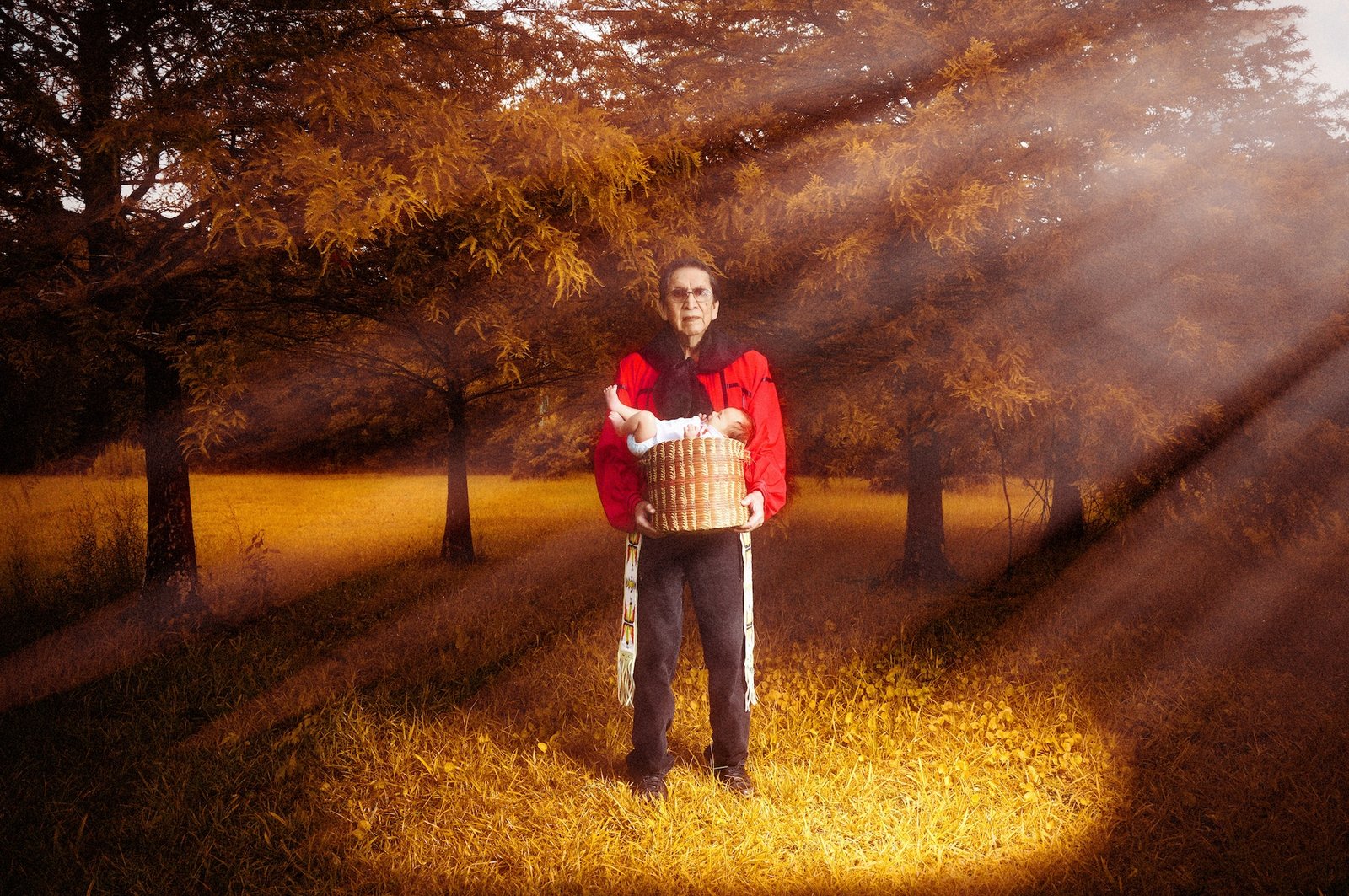
In Koasati, which is spoken in Louisiana and parts of Texas, the word “ihoochastontihchotok” means “bringing time back from the past to now.” It’s one of nearly 100 terms from an equal number of languages represented in author and photographer B.A. Van Sise’s latest book.
On the National Language, out Sept. 28, features evocative portraits of speakers and learners across the United States who are working to keep the country’s many endangered tongues alive, with each image encapsulating the meaning, history, and culture of the term that inspired it.

The project’s goal is to raise awareness for languages at risk of going extinct — from Navajo and Pennsylvania Dutch to Lousiana Creole and Judaeo-Spanish — and highlight the revitalization programs in place to prevent that.
“Language is a cultural binder. Every language has cultural concepts unique to them that exist only in their language; Italians have no word for ‘privacy’ but a word for ‘doing something beautiful and making it look effortless,’” Van Sise explained to Nice News. “In English you can ‘do something on a whim,’ ‘get the gist of an idea,’ or ‘run amok into a brouhaha’ and be absolutely unable to say any of that in any other language. Language is tied to who we are.”
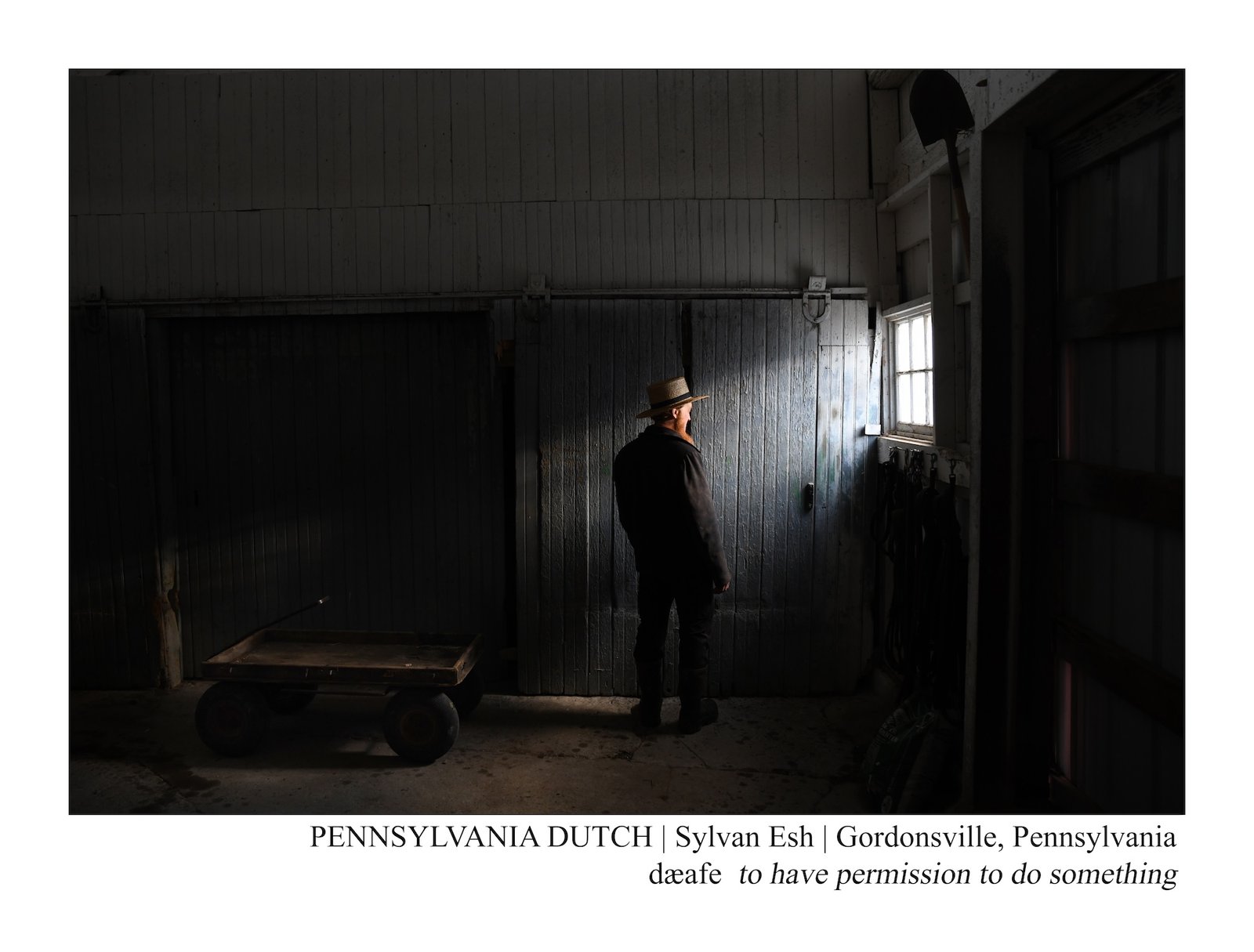
The photos are accompanied by information on the languages and their revitalization efforts, with select poetry and essays written by their speakers interspersed as well. Over the span of three years, Van Sise traveled to 48 states to meet with and learn from the people he photographed, collaborating with them on the concepts for their portraits.
“We’ve got so many incredible people — especially young folks — in so many communities who are just fighting like hell to not only safeguard these traditions but build a bridge to a brighter future,” he said. “And having met and now knowing so many, I’m pretty bullish on their chances.”
One of those individuals is Amber Hayward, director of the Puyallup Tribal Language Program. The program works to revitalize Twulshootseed, spoken by tribes living around the Puget Sound area in Washington state.
“America is a monolingual country. Most countries of the world are bilingual and even multilingual. When we speak more than one language, we connect to those ancestors who spoke that language, we get insights into their world,” Hayward explained. “We see the world through their eyes, and can better connect to our cultural practices, ceremonies, and beliefs. When language is lost, our people are lost. When we speak our language, we give our ancestral ways life again.”
Joshua D. Hinson, who also goes by the name Lokosh and is the executive officer of the Chickasaw Nation Language Preservation Division, added: “Our language is what sets us apart from all other people on the planet. It carries millennia of ancestral worldview and spiritual power. We will not cease to exist as a people nor as a sovereign Native nation if our language goes to sleep, but we would be all the poorer for it.”
For Van Sise, getting to experience the languages firsthand was the apex of his journey documenting their speakers. “My absolute favorite thing was the absolute riot of language that was happening around me,” he shared. “I went to so many shoots where there were families along and everybody was yakking away in their languages around me.”
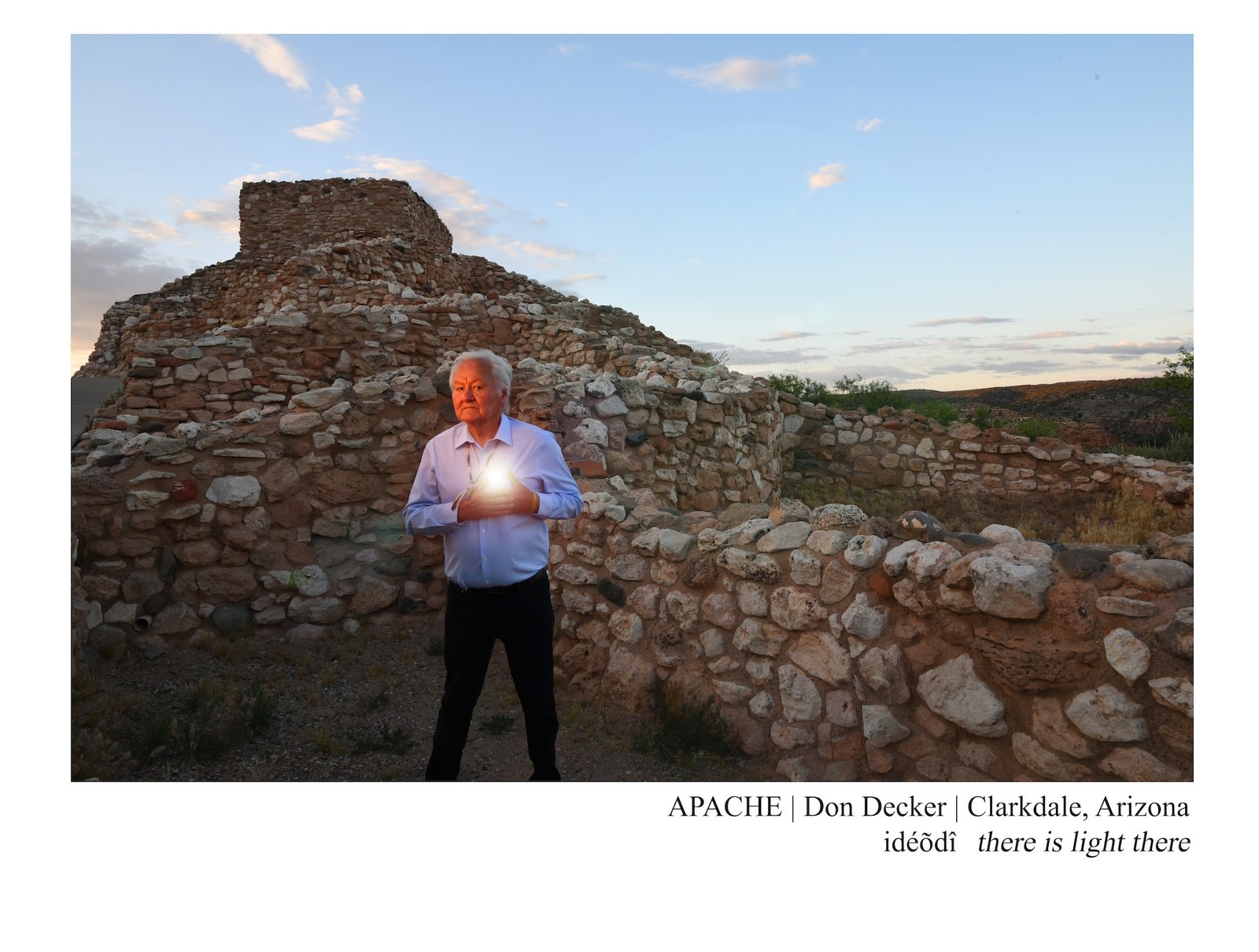
Forty-six of the images are set to go on display at Los Angeles’ Skirball Cultural Center from Oct. 17- March 2, and the exhibit’s curators had the idea to go back to some of the locations and get audio of the book’s collaborators conversing.
“The folks who visit [the exhibition] get to actually hear and live inside the sound of the language and get a bit of the treat that I did,” said Van Sise. “It’s great. It’s poetry in motion.”
RELATED: “Six Times the Size of Yosemite”: The Proposed Marine Sanctuary off California Coast
Understanding animal behavior and ecology is crucial for developing effective conservation strategies that protect both individual species and the ecosystems they inhabit. Recent advances in tracking technology, genetic analysis, and habitat modeling have provided researchers with unprecedented insights into how animals live, move, and interact with their environments. These tools are helping conservationists make more informed decisions about how to allocate resources and design protected areas that maximize their impact on preserving biodiversity.
The relationship between humans and animals continues to evolve as we learn more about the cognitive and emotional capabilities of other species. Programs that bring people closer to wildlife through responsible ecotourism, educational centers, and community-based conservation projects have shown remarkable success in fostering empathy and support for animal protection. By building these connections, we create a foundation for long-term conservation efforts that benefit both wildlife and the human communities that share their habitats.
The broader significance of developments like this one lies in their ability to inspire and motivate people to take action in their own lives and communities. Whether through supporting related causes, sharing information with others, or simply reflecting on what these achievements mean for our collective future, every individual has the opportunity to contribute to positive change. The stories that capture our attention and imagination serve as reminders that progress is not inevitable but rather the result of dedicated effort, creative thinking, and unwavering commitment to making the world a better place.
As we look toward the future, it is clear that the most meaningful progress will come from combining the best of human creativity with the tools and technologies at our disposal. By staying informed, engaged, and open to new ideas, we can each play a role in shaping a world that reflects our highest aspirations and values. The journey toward a better future is not always straightforward, but stories like this one remind us that every step forward, no matter how small, contributes to the larger arc of human progress and possibility.
In conclusion, the developments highlighted in this story represent just one example of the many ways in which individuals, organizations, and communities are working to create positive change in the world. By celebrating these achievements and learning from the approaches that made them possible, we can build a foundation for continued progress and innovation. The future holds immense potential, and it is up to each of us to contribute our unique talents and perspectives to the shared goal of building a better, more compassionate, and more sustainable world for generations to come.