
The overall winner of the international Astronomy Photographer of the Year contest was announced yesterday, with the title going to Ryan Imperio for his sci-fi-esque shot, “Distorted Shadows of the Moon’s Surface Created by an Annular Eclipse.”
Taken in Odessa, Texas, during the 2023 annular eclipse, the image (above) captures Baily’s beads, which are formed when sunlight peaks through valleys and craters on the moon’s surface and breaks up an eclipse’s recognizable ring pattern. They are only visible when the moon enters or exits an eclipse, making them particularly tricky to photograph.
“The images selected each year are absolutely astonishing and I am both thrilled and honored to have my photo among them,” United States-based Imperio said in a statement. “I had hoped my image would be shared in some way but never expected to be selected as a winner, let alone overall winner!”
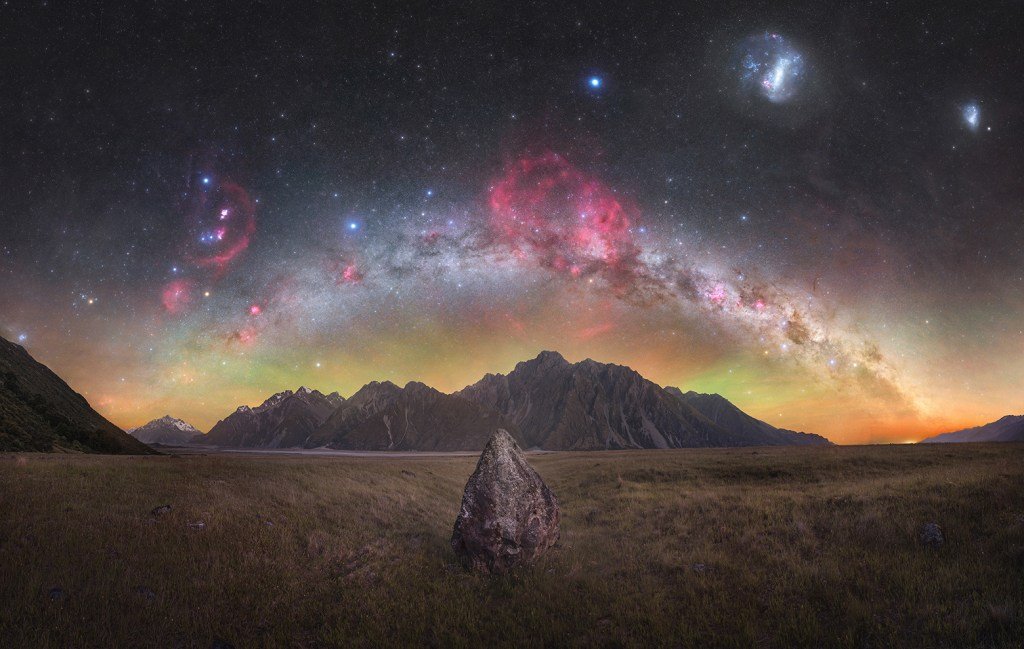
Skyscapes category winner, “Tasman Gems” by Tom Rae
Open to contestants of all skill levels, the annual contest is run by the Royal Observatory Greenwich in London and showcases the “best space photography from a global community of astrophotographers,” per its website. There were over 3,500 entries from 58 countries this year vying to win 11 categories.
“This is an impressive dissection of the fleeting few seconds during the visibility of the Baily’s beads,” said judge and meteorologist Kerry-Ann Lecky Hepburn of Imperio’s shot. “This image left me captivated and amazed. It’s exceptional work deserving of high recognition.”
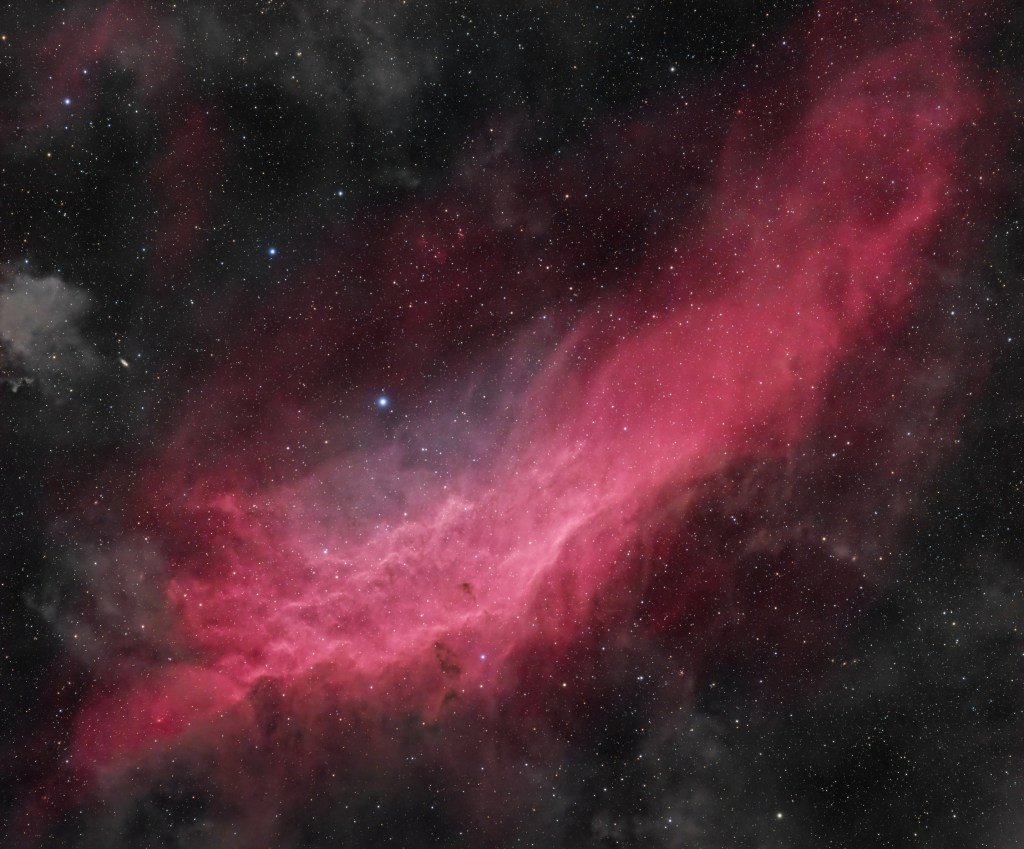
Among the categories is Young Astronomy Photographer of the Year, with 14-year-old Daniele Borsari of Italy winning the award for his shot of the California Nebula in the constellation of Perseus about 1,000 light-years from Earth.
“It demonstrated the future of astronomy photography being fearlessly, and openly, taken forward by a new generation,” said judge and artist Neal White. The two youngest photographers to be honored were Benjamin and Joshua Lawler, ages 8 and 10, respectively.
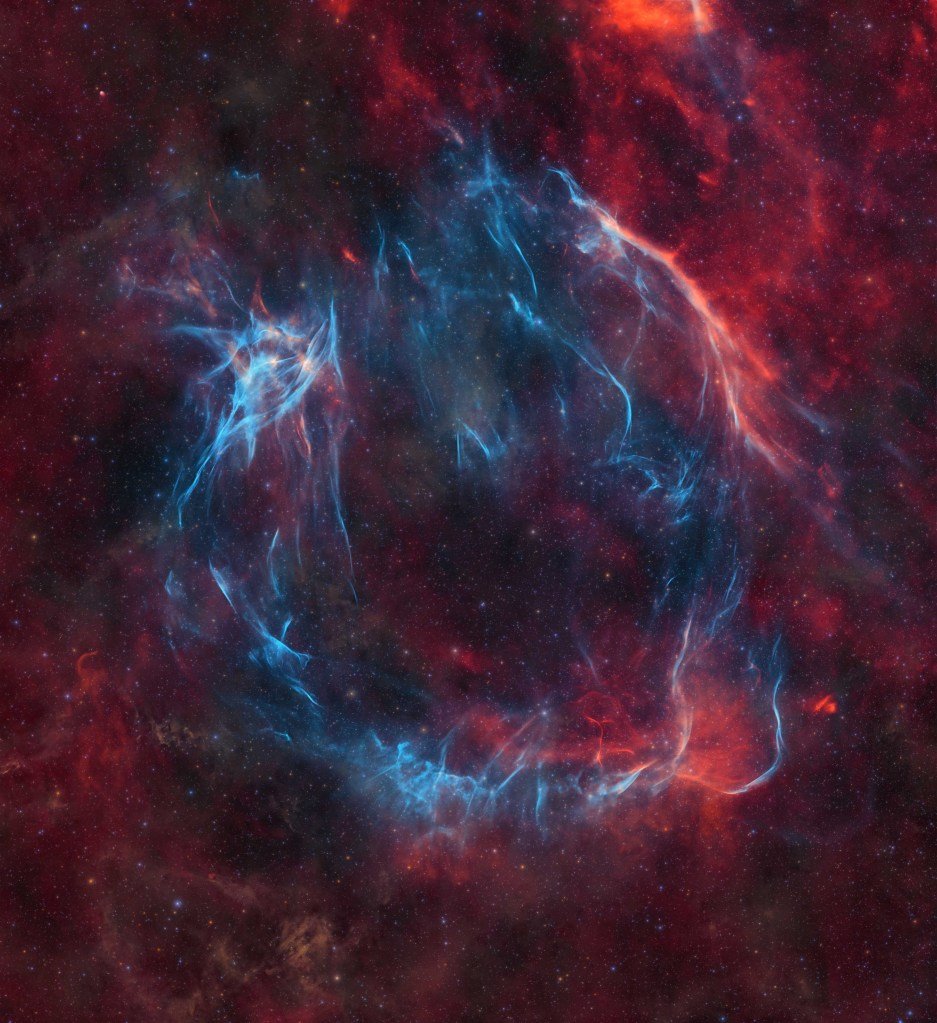
Another notable entry and judges’ favorite is more than just exciting to look at: Captured by an international team of amateur photographers, the image shows a previously unknown gigantic supernova remnant in the center of the constellation Cassiopeia.
All winning images will be on display at the National Maritime Museum in an accompanying exhibition starting Sept. 13.
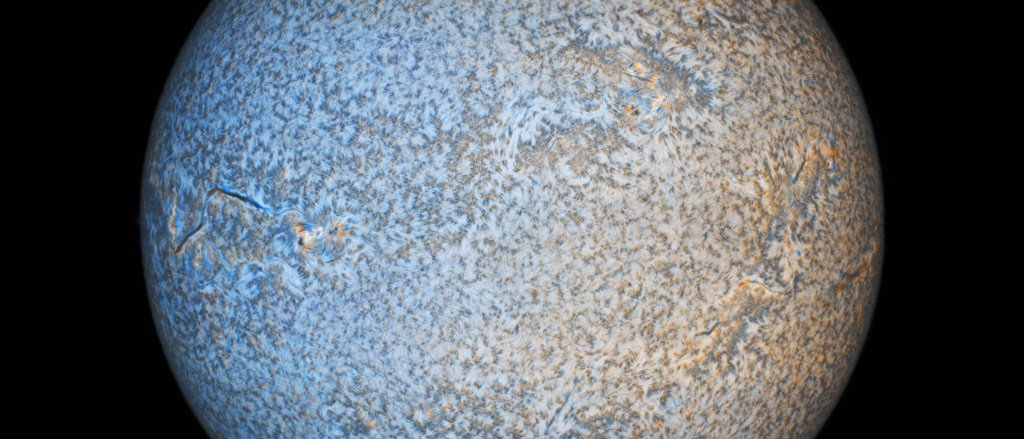
Our Sun
Winner (and Overall Winner)
Runner Up
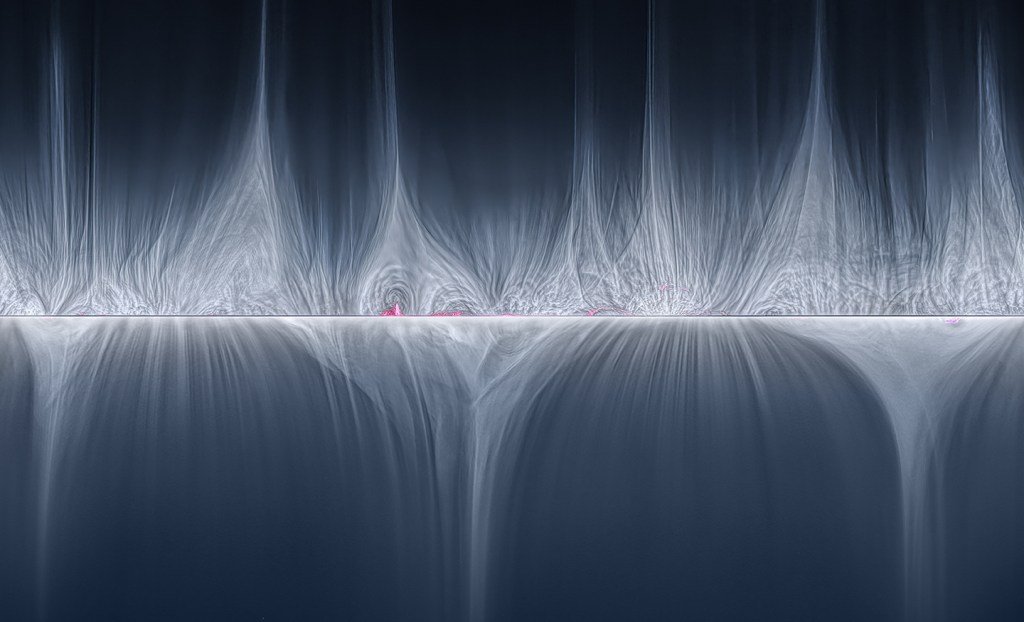
Highly Commended
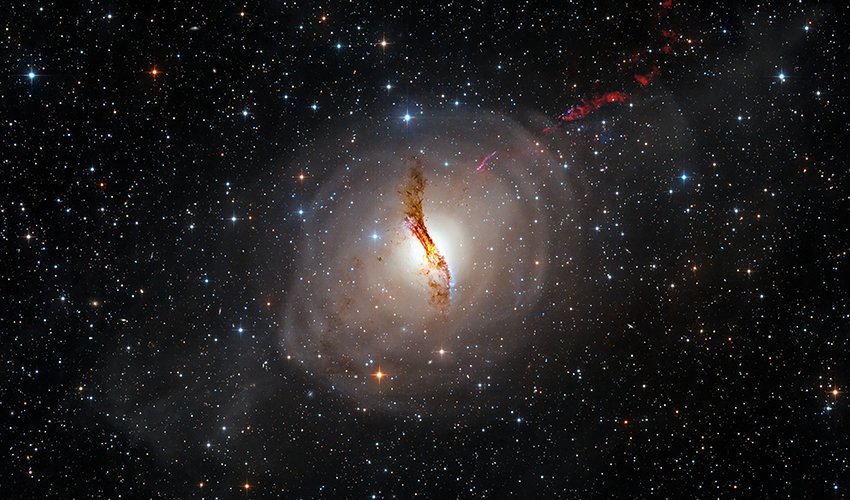
Galaxies
Winner
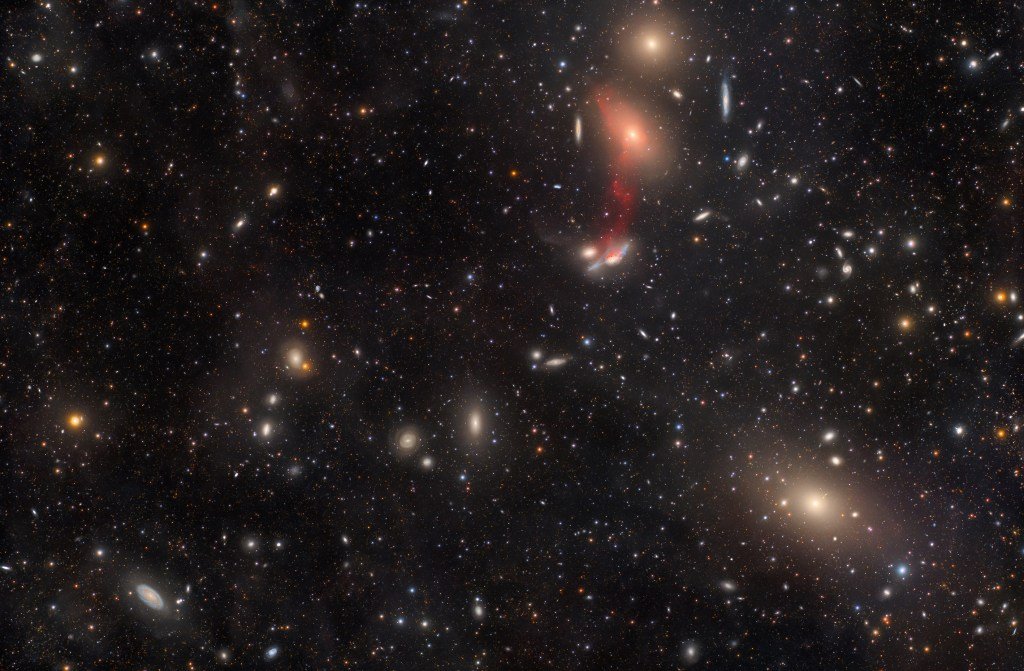
Runner Up
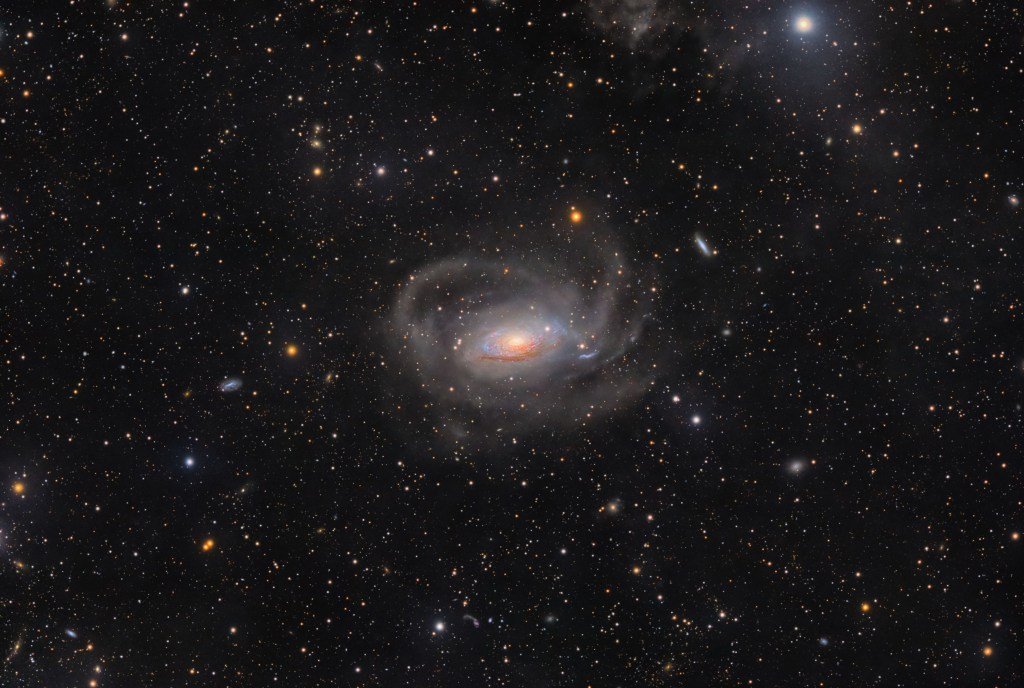
Highly Commended
Aurorae
Winner

Runner Up
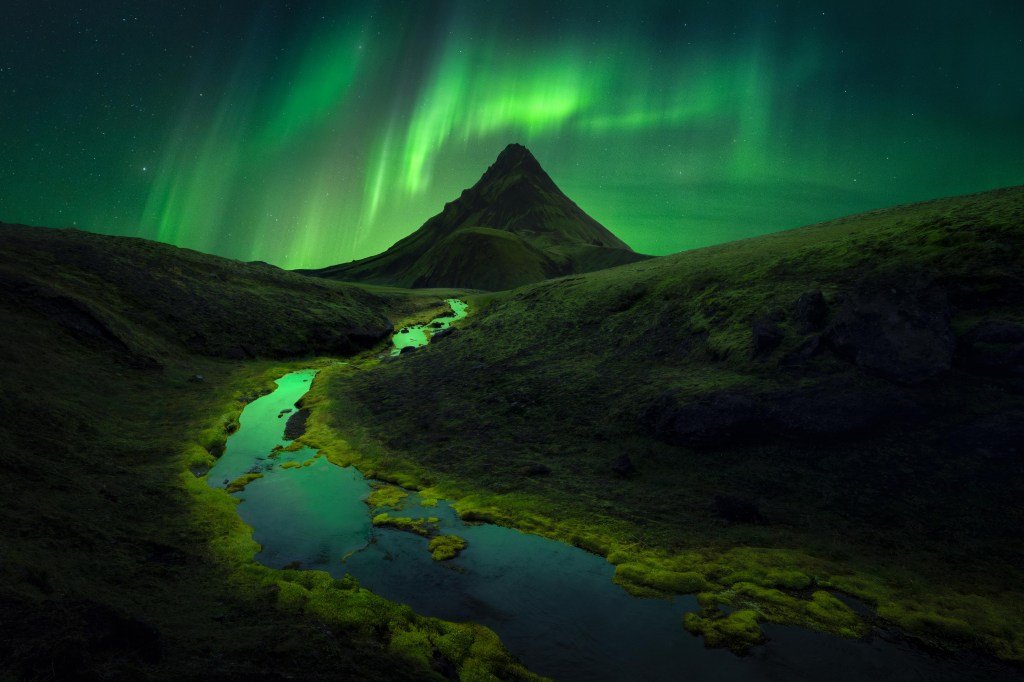
Highly Commended
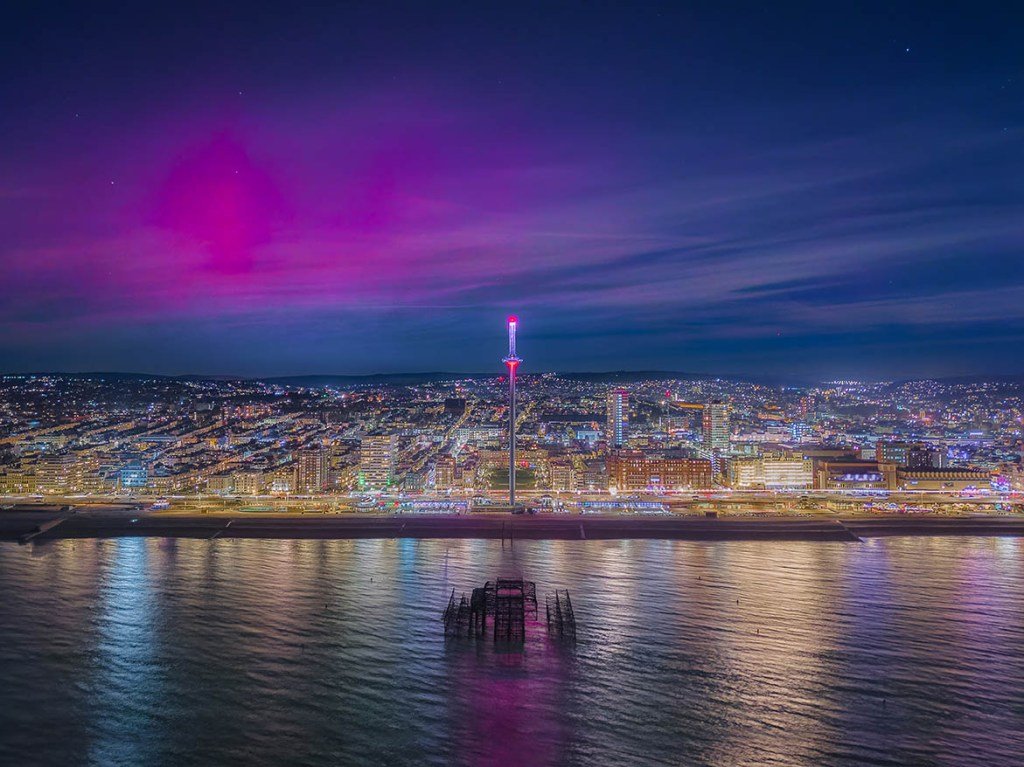
Our Moon
Winner
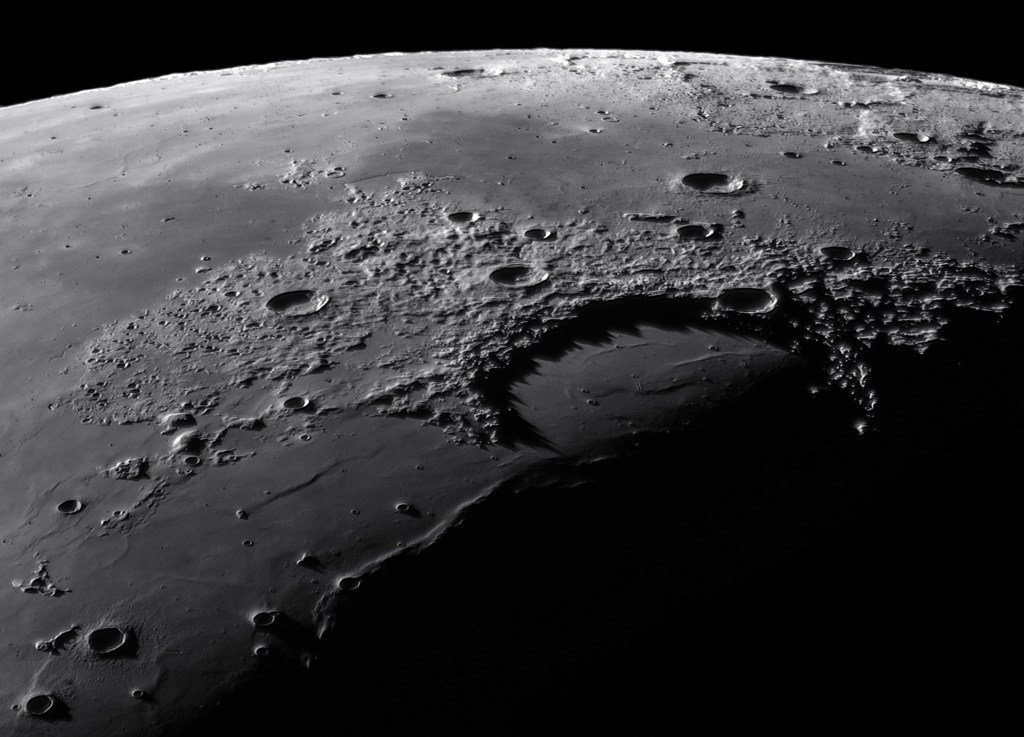
Runner Up
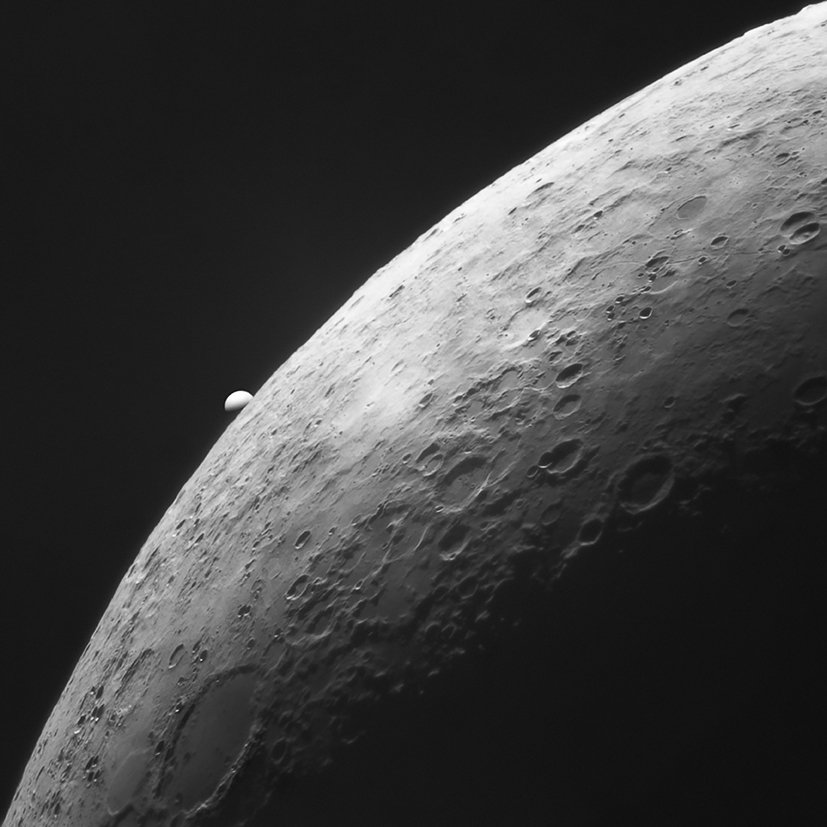
Highly Commended
People and Space
Winner
Runner Up

Highly Commended
Planets, Comets, and Asteroids
Winner
Runner Up
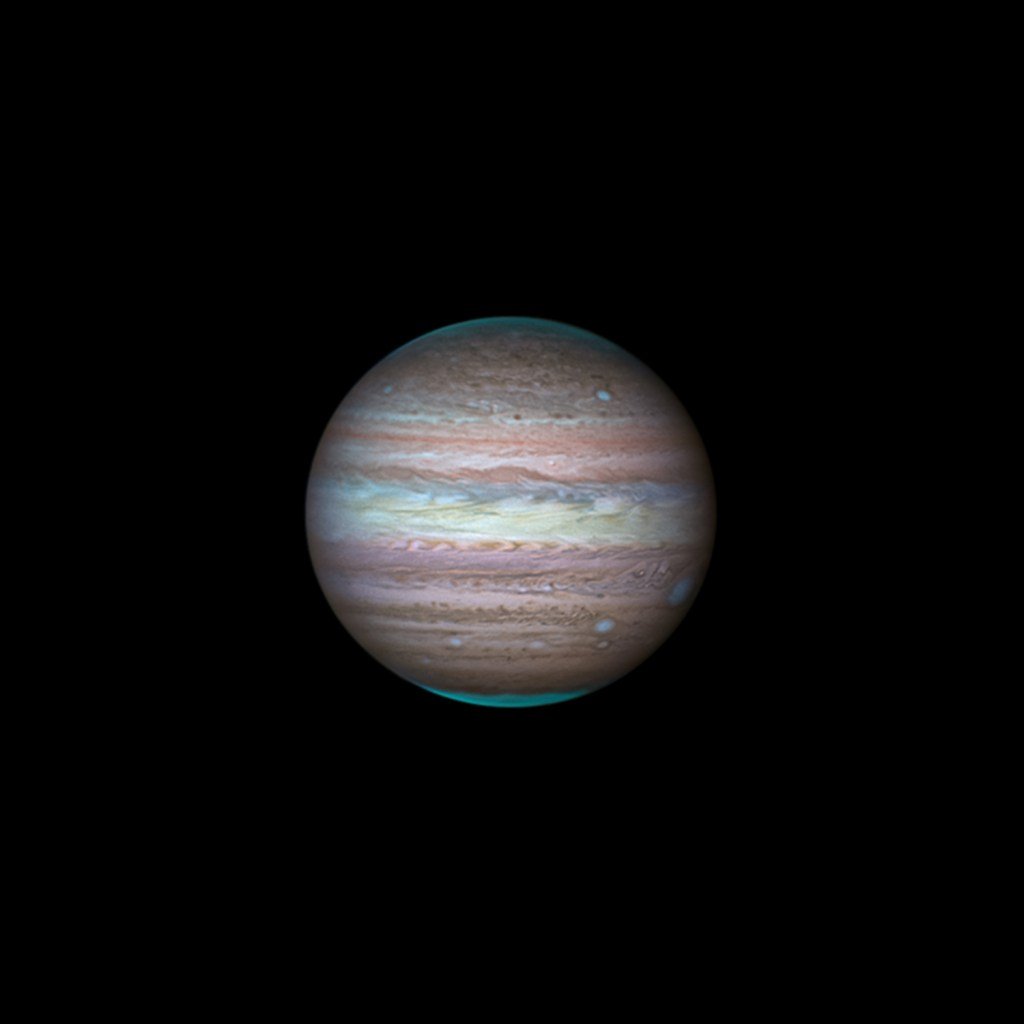
Highly Commended
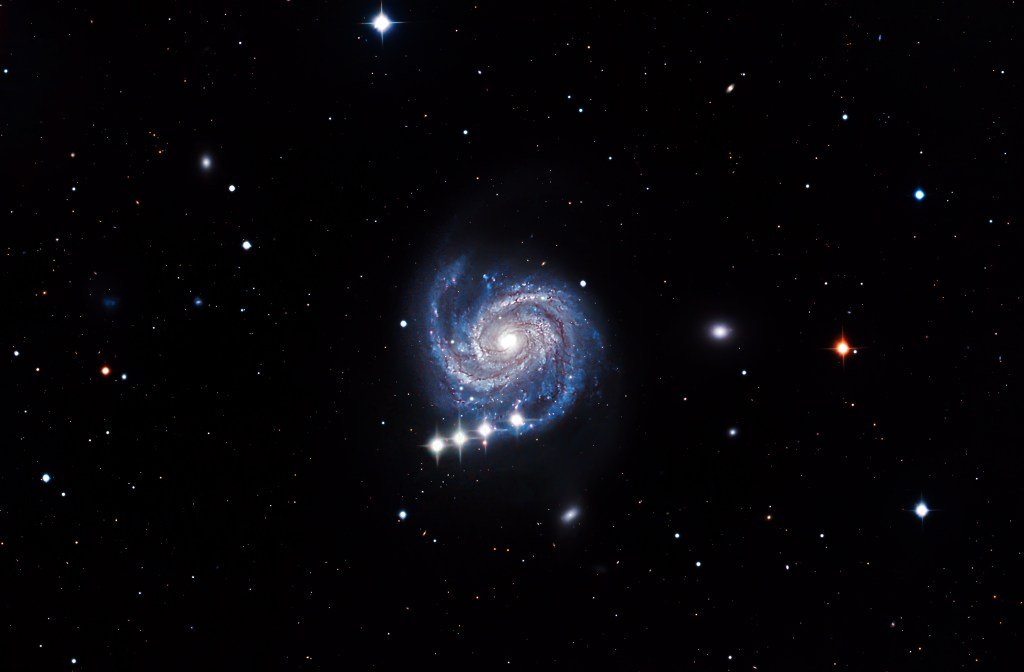
Skyscapes
Winner
Runner Up
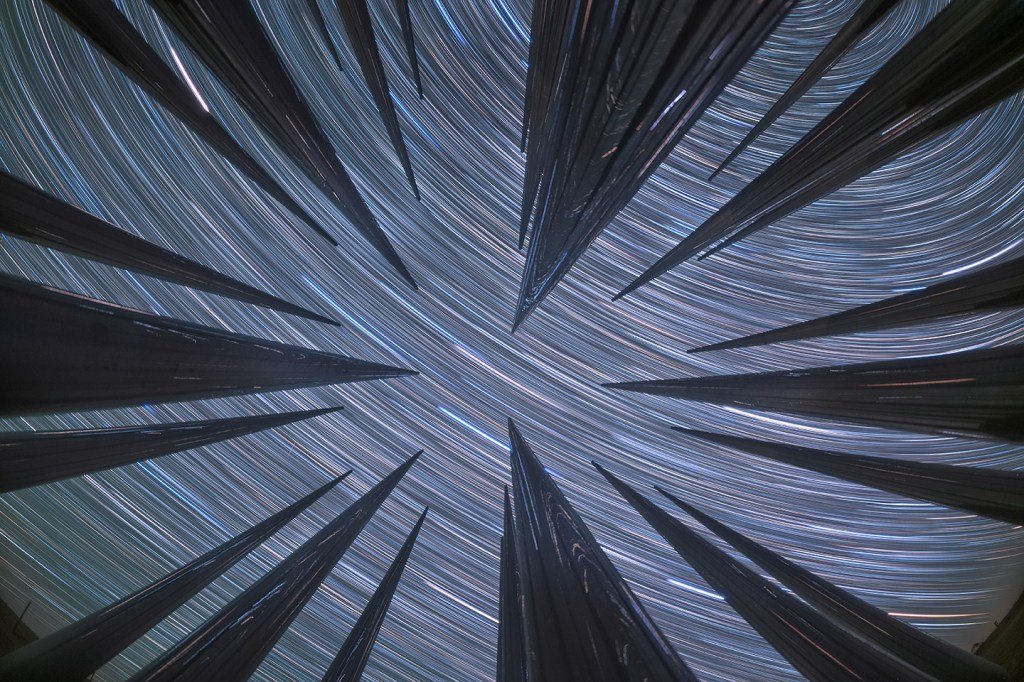
Highly Commended

Stars and Nebulae
Winner
Runner Up
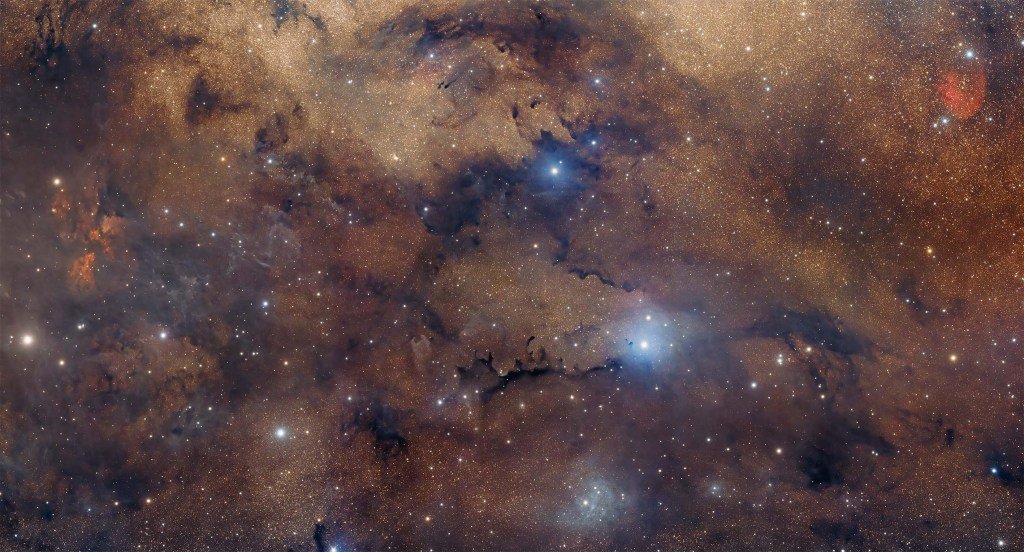
Highly Commended
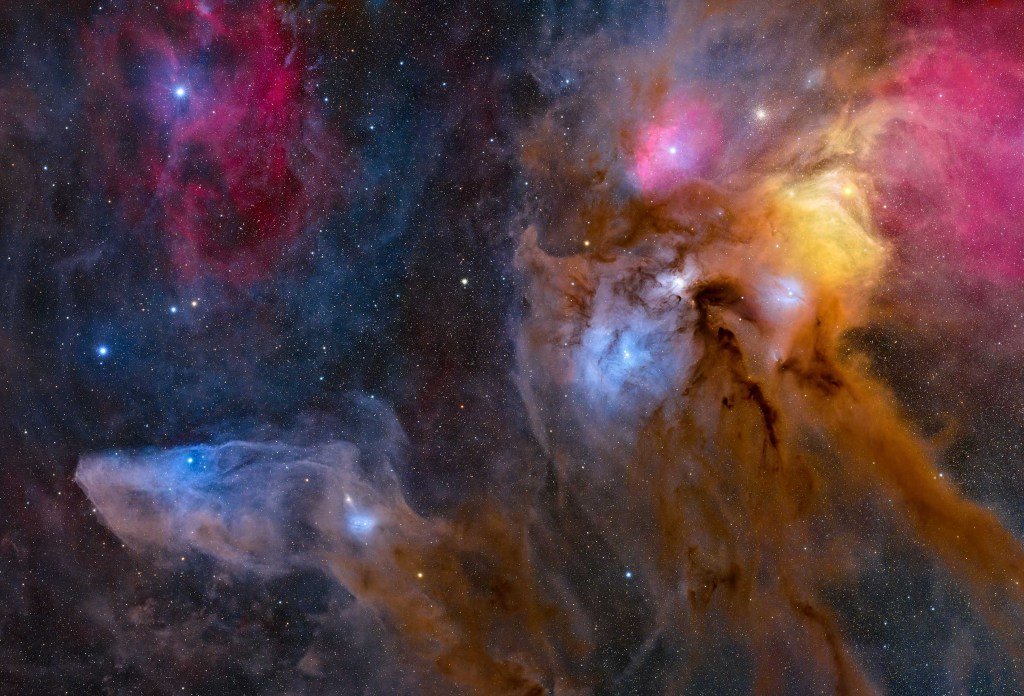
The Sir Patrick Moore Prize for Best Newcomer
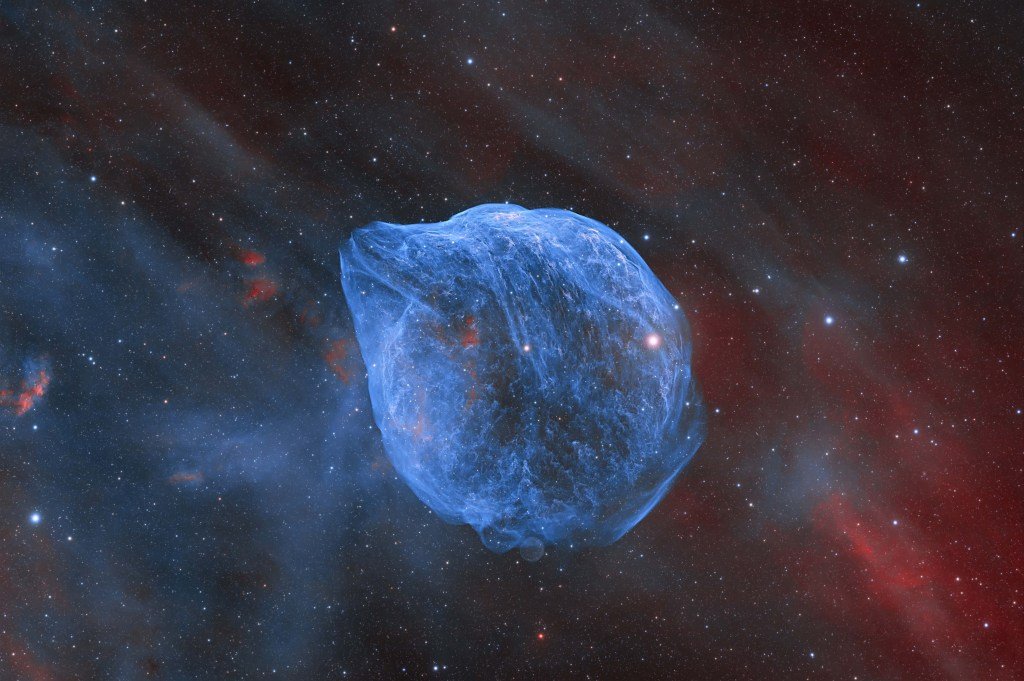
Young Astronomy Photographer of the Year
Winner
Runner Up
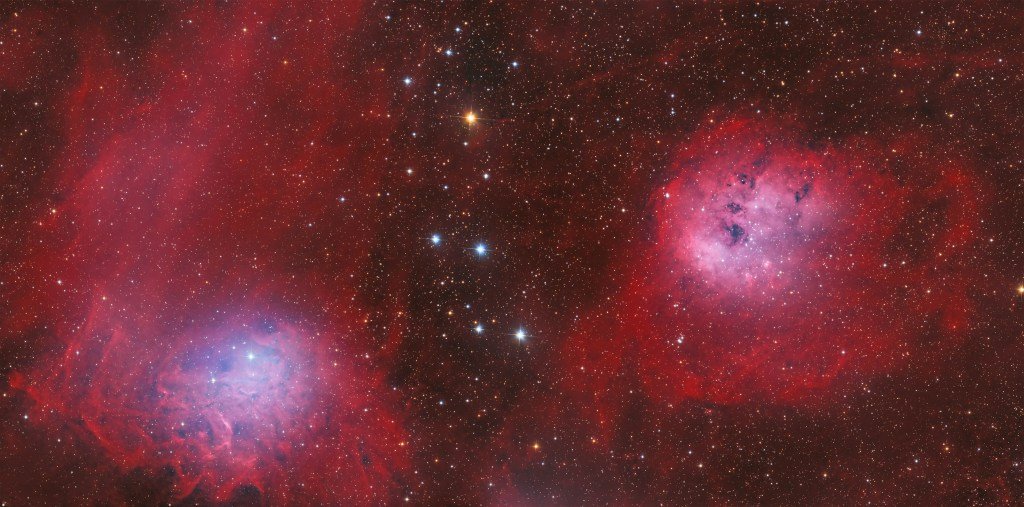
Highly Commended
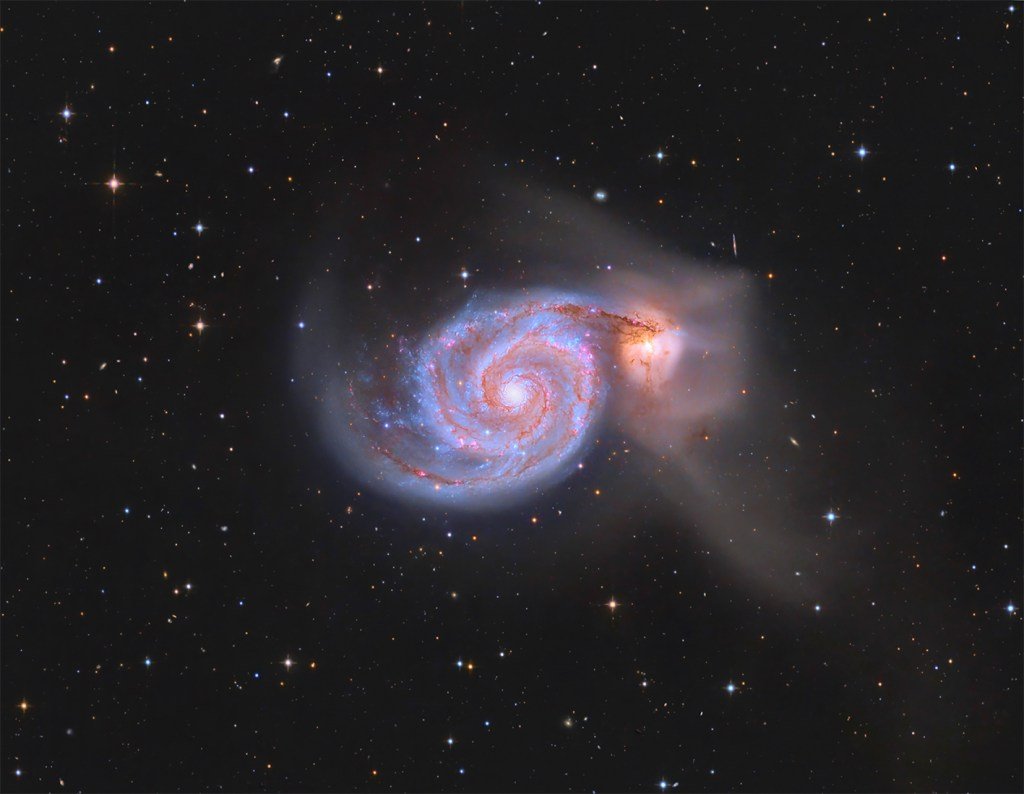
Highly Commended
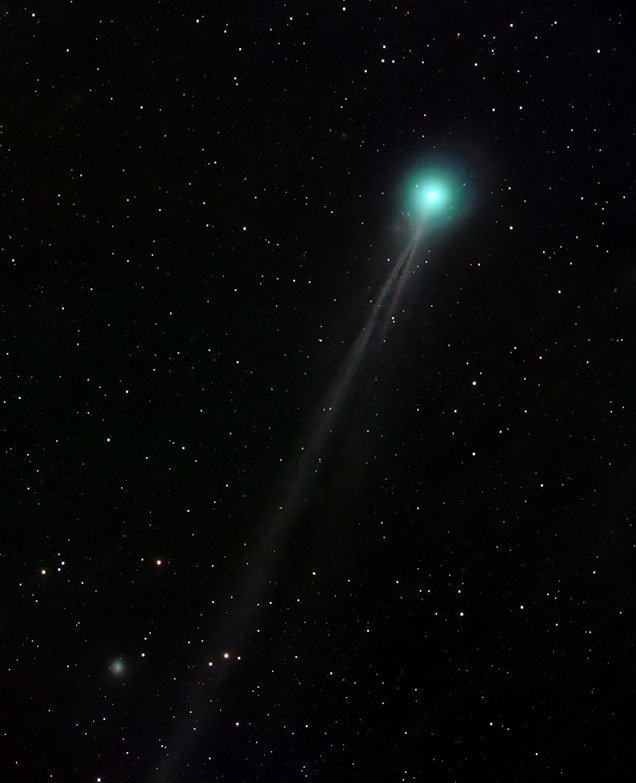
Highly Commended
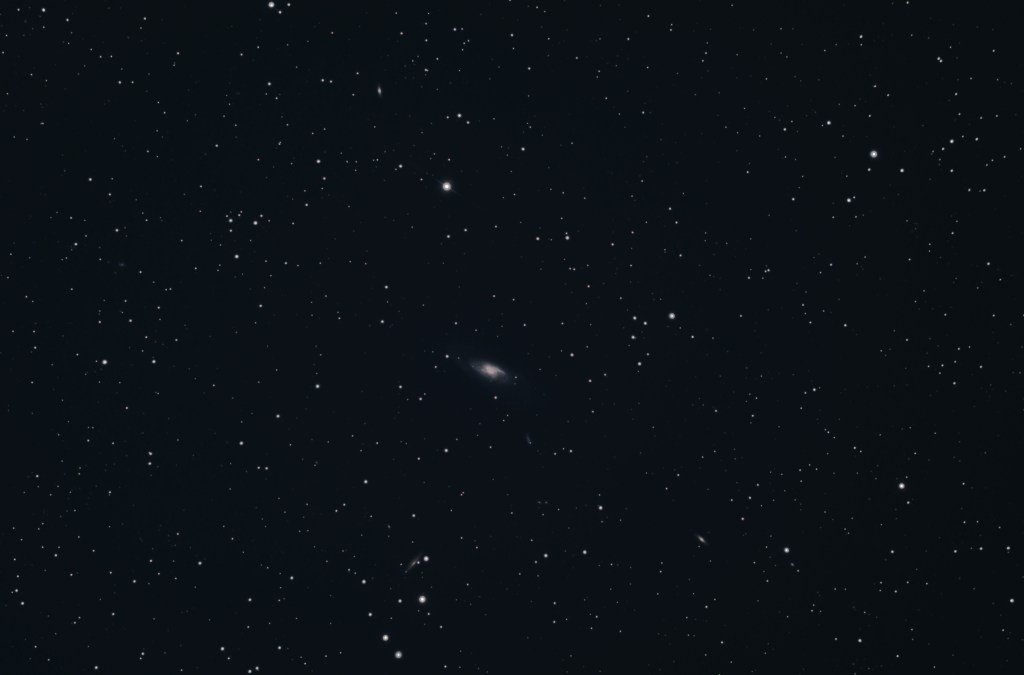
The Annie Maunder Prize for Image Innovation
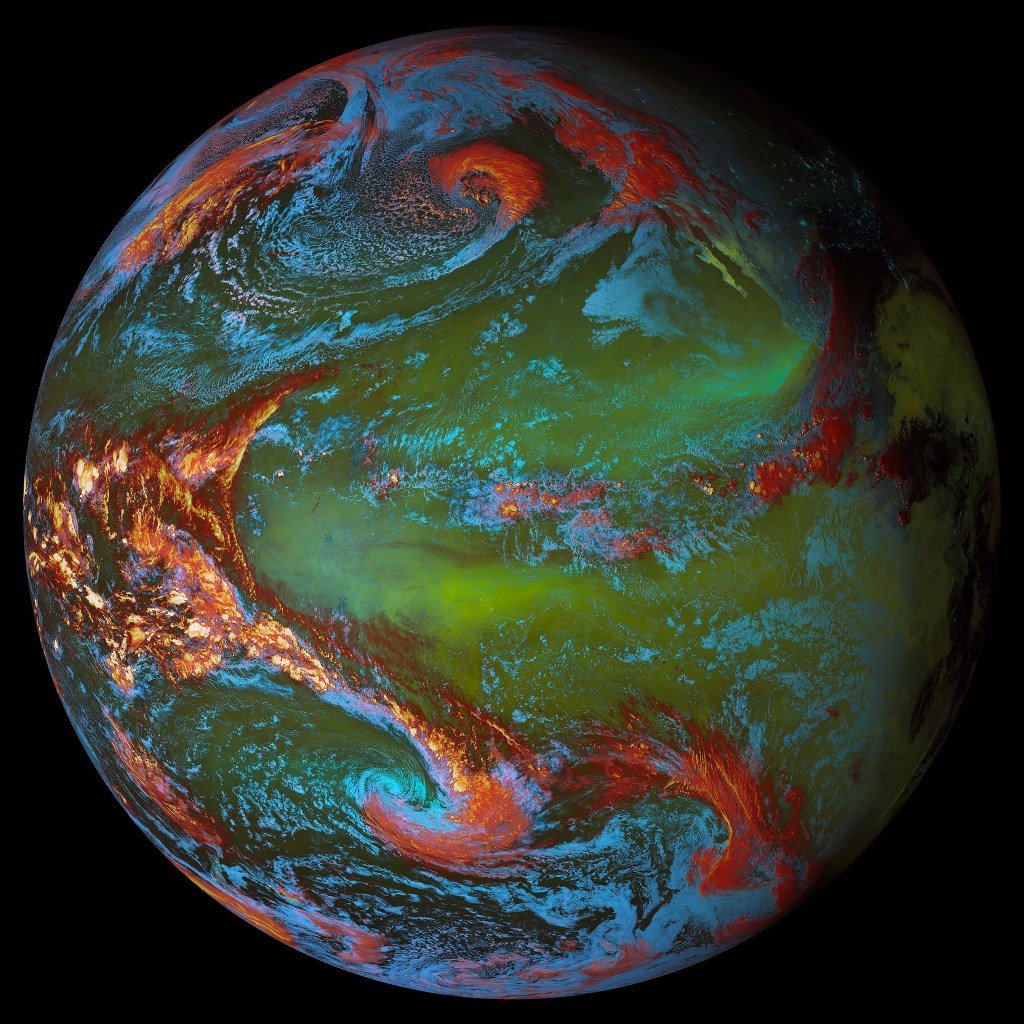
RELATED: Earth’s Most Powerful Solar Telescope Captures Sun in “Unprecedented Detail”
The broader significance of developments like this one lies in their ability to inspire and motivate people to take action in their own lives and communities. Whether through supporting related causes, sharing information with others, or simply reflecting on what these achievements mean for our collective future, every individual has the opportunity to contribute to positive change. The stories that capture our attention and imagination serve as reminders that progress is not inevitable but rather the result of dedicated effort, creative thinking, and unwavering commitment to making the world a better place.
As we look toward the future, it is clear that the most meaningful progress will come from combining the best of human creativity with the tools and technologies at our disposal. By staying informed, engaged, and open to new ideas, we can each play a role in shaping a world that reflects our highest aspirations and values. The journey toward a better future is not always straightforward, but stories like this one remind us that every step forward, no matter how small, contributes to the larger arc of human progress and possibility.
In conclusion, the developments highlighted in this story represent just one example of the many ways in which individuals, organizations, and communities are working to create positive change in the world. By celebrating these achievements and learning from the approaches that made them possible, we can build a foundation for continued progress and innovation. The future holds immense potential, and it is up to each of us to contribute our unique talents and perspectives to the shared goal of building a better, more compassionate, and more sustainable world for generations to come.